Miedaner Thomas, Boeven Ana Luisa Galiano-Carneiro, Gaikpa David Sewodor, Kistner Maria Belén, Grote Cathérine Pauline
State Plant Breeding Institute, University of Hohenheim, Fruwirthstr. 21, 70599 Stuttgart, Germany.
Kleinwanzlebener Saatzucht (KWS) SAAT SE & Co. KGaA, 37574 Einbeck, Germany.
Int J Mol Sci. 2020 Dec 19;21(24):9717. doi: 10.3390/ijms21249717.
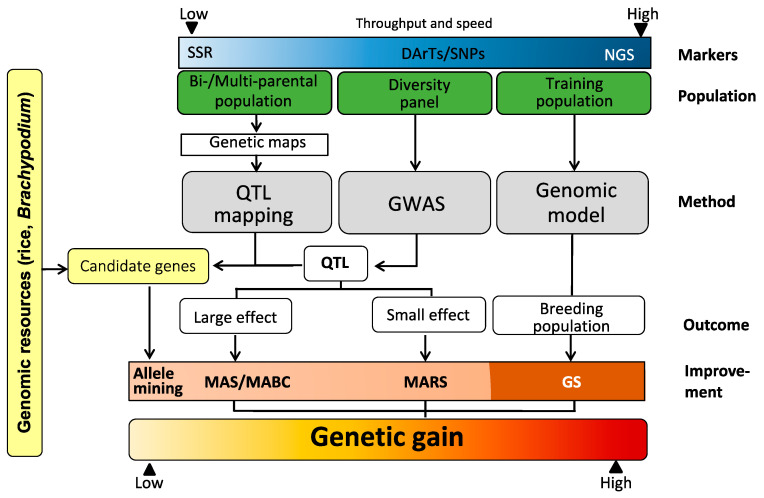
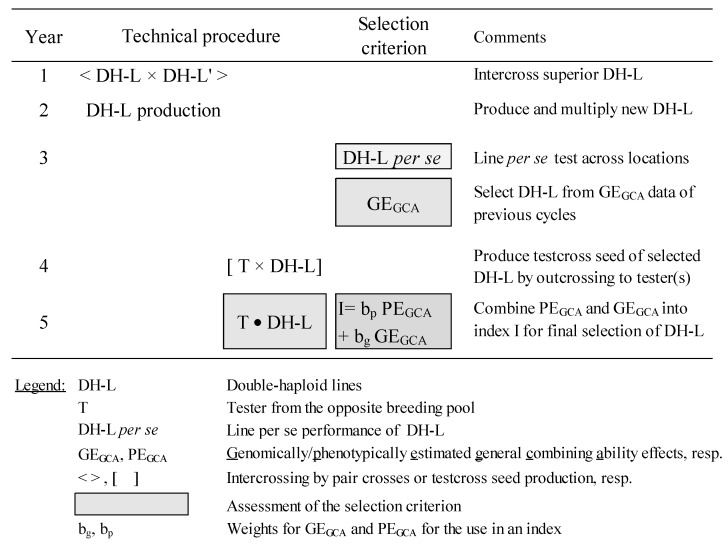
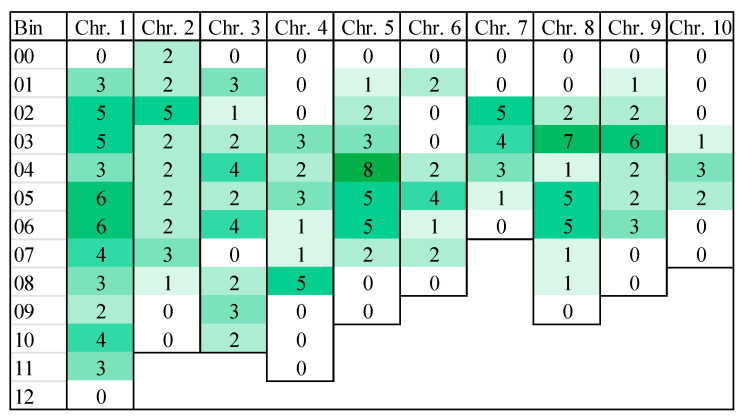
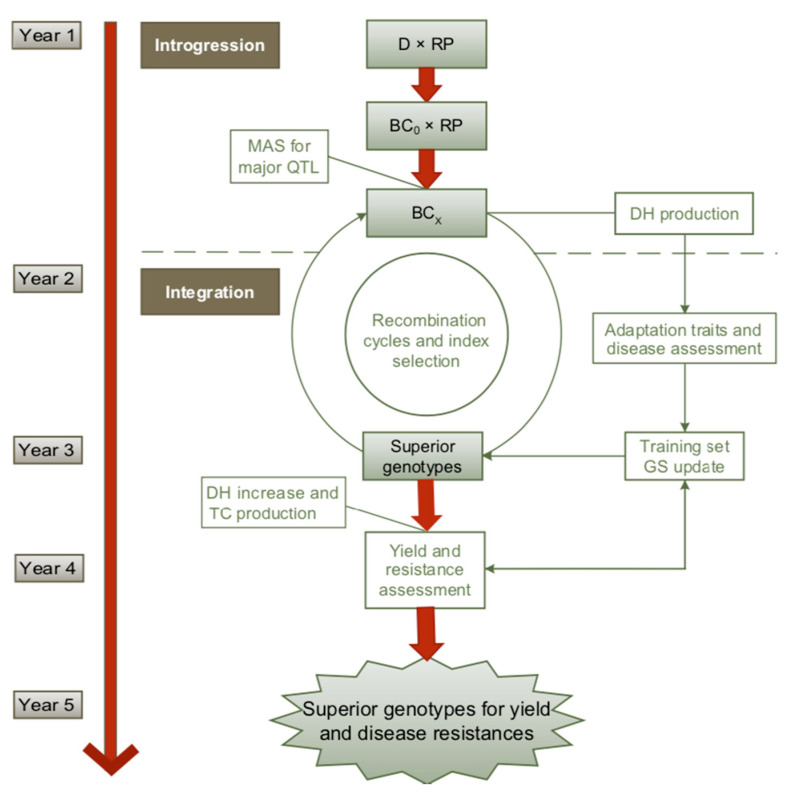
Generating genomics-driven knowledge opens a way to accelerate the resistance breeding process by family or population mapping and genomic selection. Important prerequisites are large populations that are genomically analyzed by medium- to high-density marker arrays and extensive phenotyping across locations and years of the same populations. The latter is important to train a genomic model that is used to predict genomic estimated breeding values of phenotypically untested genotypes. After reviewing the specific features of quantitative resistances and the basic genomic techniques, the possibilities for genomics-assisted breeding are evaluated for six pathosystems with hemi-biotrophic fungi: Small-grain cereals/ head blight (FHB), wheat/ blotch (STB) and blotch (SNB), maize/ ear rot (GER) and ear rot (FER), maize/Northern corn leaf blight (NCLB). Typically, all quantitative disease resistances are caused by hundreds of QTL scattered across the whole genome, but often available in hotspots as exemplified for NCLB resistance in maize. Because all crops are suffering from many diseases, multi-disease resistance (MDR) is an attractive aim that can be selected by specific MDR QTL. Finally, the integration of genomic data in the breeding process for introgression of genetic resources and for the improvement within elite materials is discussed.
通过家系或群体作图以及基因组选择,生成基因组学驱动的知识为加速抗病育种进程开辟了一条道路。重要的前提条件是要有大量群体,这些群体需通过中高密度标记阵列进行基因组分析,并在不同地点和年份对同一群体进行广泛的表型分析。后者对于训练一个用于预测未进行表型测试的基因型的基因组估计育种值的基因组模型很重要。在回顾了数量抗性的具体特征和基本的基因组技术之后,我们评估了基因组辅助育种在六种由半活体营养型真菌引起的病害体系中的可能性:小粒谷物/赤霉病(FHB)、小麦/叶枯病(STB)和网斑病(SNB)、玉米/穗腐病(GER)和镰刀菌穗腐病(FER)、玉米/北方玉米叶斑病(NCLB)。通常,所有的数量抗病性都是由散布在整个基因组中的数百个数量性状位点(QTL)引起的,但这些QTL往往在热点区域出现,例如玉米对NCLB的抗性。由于所有作物都遭受多种病害,多病害抗性(MDR)是一个有吸引力的目标,可以通过特定的MDR QTL进行选择。最后,讨论了在育种过程中整合基因组数据以导入遗传资源并改良优良材料的问题。