Institute of Life Sciences, Fuzhou University, Fuzhou, Fujian Province, 350108, China.
Institute of Life Sciences, Fuzhou University, Fuzhou, Fujian Province, 350108, China.
Redox Biol. 2021 Feb;39:101835. doi: 10.1016/j.redox.2020.101835. Epub 2020 Dec 17.
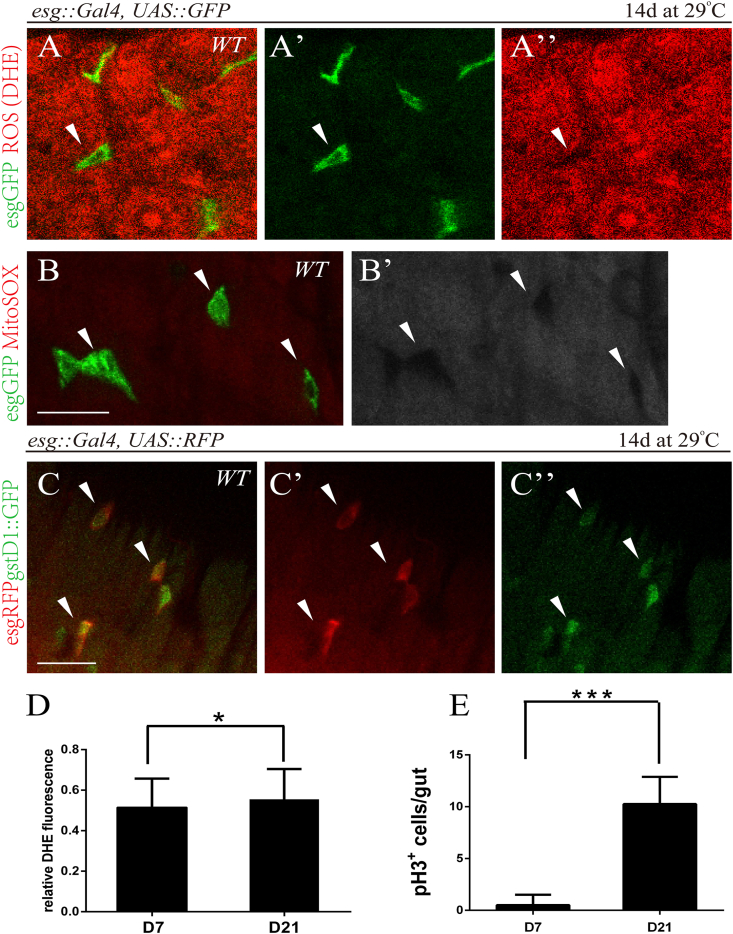
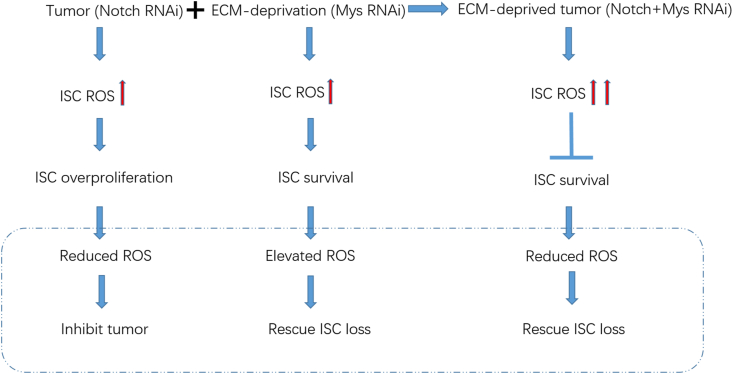
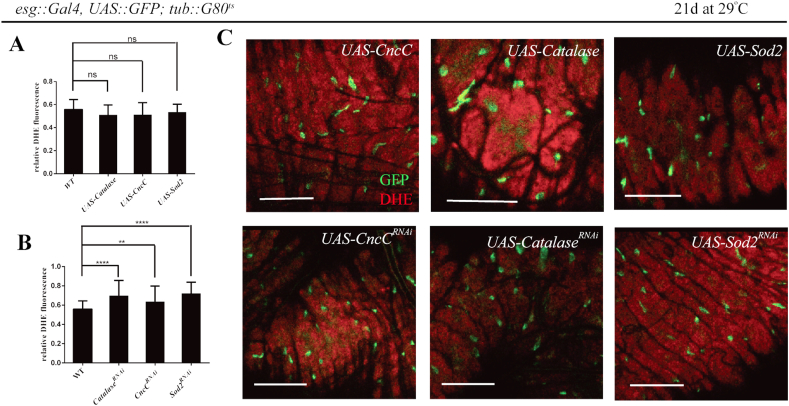
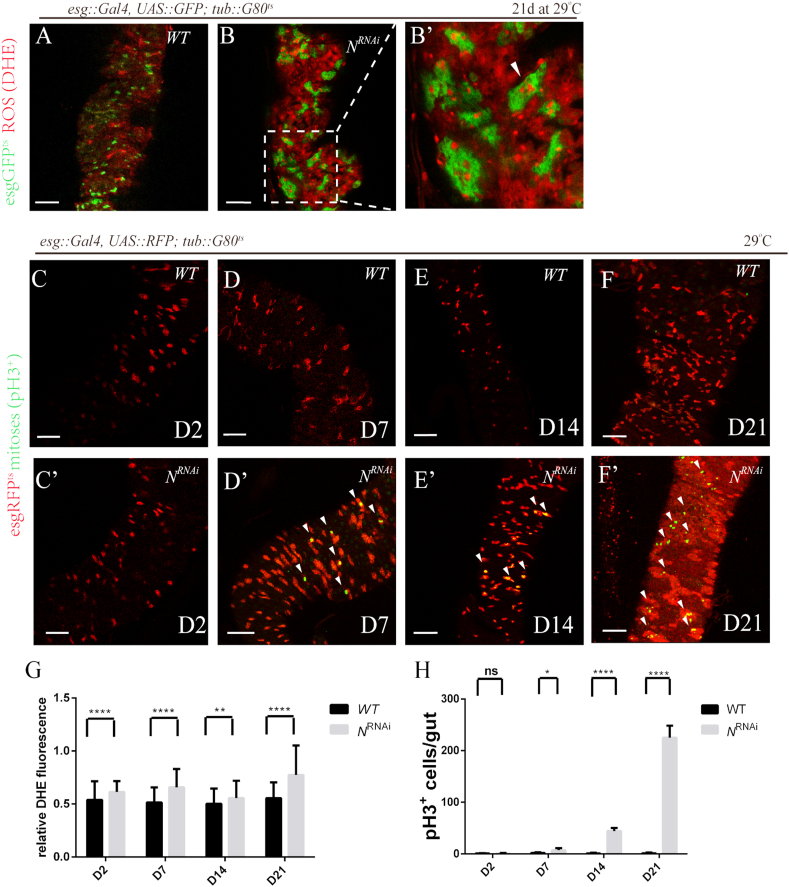
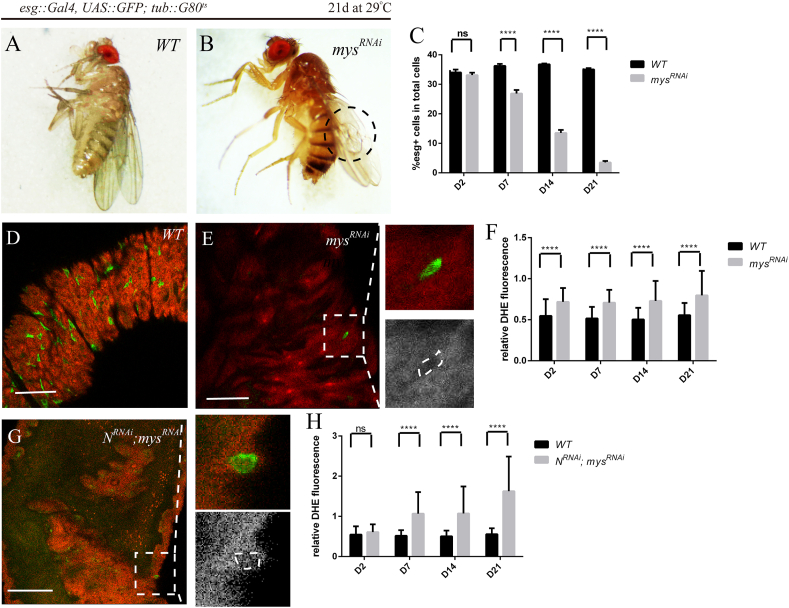
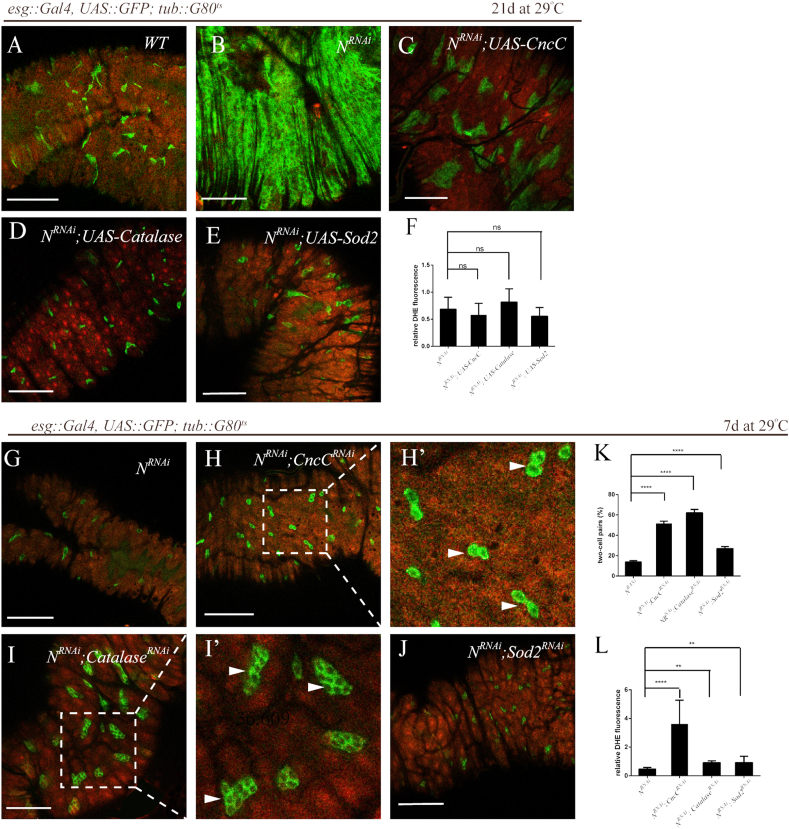
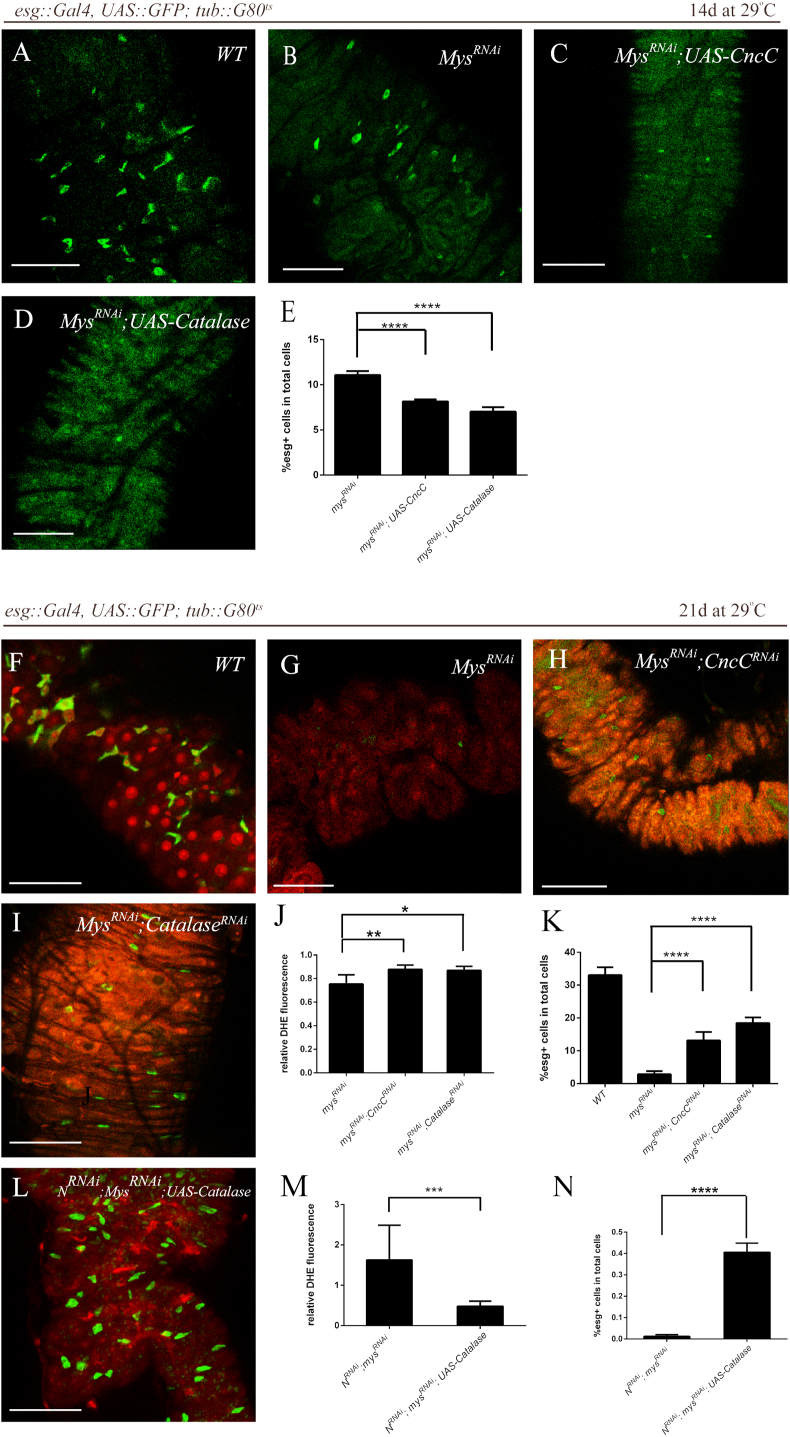
Reactive oxygen species (ROS) contribute to cellular redox environment and serve as signaling molecules. Excessive ROS can lead to oxidative stress that are involved in a broad spectrum of physiological and pathological conditions. Stem cells have unique ROS regulation while cancer cells frequently show a constitutive oxidative stress that is associated with the invasive phenotype. Antioxidants have been proposed to forestall tumor progression while targeted oxidants have been used to destroy tumor cells. However, the delicate beneficial range of ROS levels for stem cells and tumor cells under distinct contexts remains elusive. Here, we used Drosophila midgut intestinal stem cell (ISCs) as an in vivo model system to tackle this question. The ROS levels of ISCs remained low in comparison to that of differentiated cells and increased with ageing, which was accompanied by elevated proliferation of ISCs in aged Drosophila. Neither upregulation nor downregulation of ROS levels significantly affected ISCs, implicating an intrinsic homeostatic range of ROS in ISCs. Interestingly, we observed similar moderately elevated ROS levels in both tumor-like ISCs induced by Notch (N) depletion and extracellular matrix (ECM)-deprived ISCs induced by β-integrin (mys) depletion. Elevated ROS levels further promoted the proliferation of tumor-like ISCs while reduced ROS levels suppressed the hyperproliferation phenotype; on the other hand, further increased ROS facilitated the survival of ECM-deprived ISCs while reduced ROS exacerbated the loss of ECM-deprived ISCs. However, N- and mys-depleted ISCs, which resembled metastatic tumor cells, harbored even higher ROS levels and were subjected to more severe cell loss, which could be partially prevented by ectopic supply of antioxidant enzymes, implicating a delicate pro-surviving and proliferating range of ROS levels for ISCs. Taken together, our results revealed stem cells can differentially respond to distinct ROS levels under various conditions and suggested that the antioxidant-based intervention of stem cells and tumors should be formulated with caution according to the specific situations.
活性氧(ROS)参与细胞氧化还原环境,并作为信号分子发挥作用。过量的 ROS 可导致氧化应激,这种应激与广泛的生理和病理条件有关。干细胞具有独特的 ROS 调节能力,而癌细胞则经常表现出与侵袭表型相关的固有氧化应激。抗氧化剂被提议用于阻止肿瘤进展,而靶向氧化剂则被用于破坏肿瘤细胞。然而,在不同的情况下,ROS 水平对干细胞和肿瘤细胞的有益范围仍然难以捉摸。在这里,我们使用果蝇中肠肠干细胞(ISCs)作为体内模型系统来解决这个问题。与分化细胞相比,ISCs 的 ROS 水平较低,并且随着年龄的增长而增加,这伴随着老龄果蝇中 ISCs 的增殖增加。ROS 水平的上调或下调都不会显著影响 ISCs,这表明 ISCs 中存在内在的 ROS 稳态范围。有趣的是,我们观察到 Notch(N)耗竭诱导的类似肿瘤样 ISCs 和β-整合素(mys)耗竭诱导的细胞外基质(ECM)剥夺的 ISCs 中都存在中等程度升高的 ROS 水平。ROS 水平升高进一步促进了肿瘤样 ISCs 的增殖,而 ROS 水平降低则抑制了过度增殖表型;另一方面,进一步增加 ROS 促进了 ECM 剥夺的 ISCs 的存活,而降低 ROS 则加剧了 ECM 剥夺的 ISCs 的丧失。然而,N 和 mys 耗竭的 ISCs 类似于转移性肿瘤细胞,其 ROS 水平更高,细胞丢失更严重,而过表达抗氧化酶可部分预防这种情况,这表明 ISCs 的 ROS 水平存在一个微妙的促进存活和增殖的范围。总之,我们的结果表明,在不同条件下,干细胞可以对不同的 ROS 水平产生不同的反应,并表明应根据具体情况谨慎制定针对干细胞和肿瘤的抗氧化干预措施。