Department of Pathology and Center for Cancer Research, Massachusetts General Hospital and Harvard Medical School, Boston, MA, USA.
Broad Institute of Harvard and MIT, Cambridge, MA, USA.
Life Sci Alliance. 2020 Dec 23;4(2). doi: 10.26508/lsa.202000808. Print 2021 Feb.
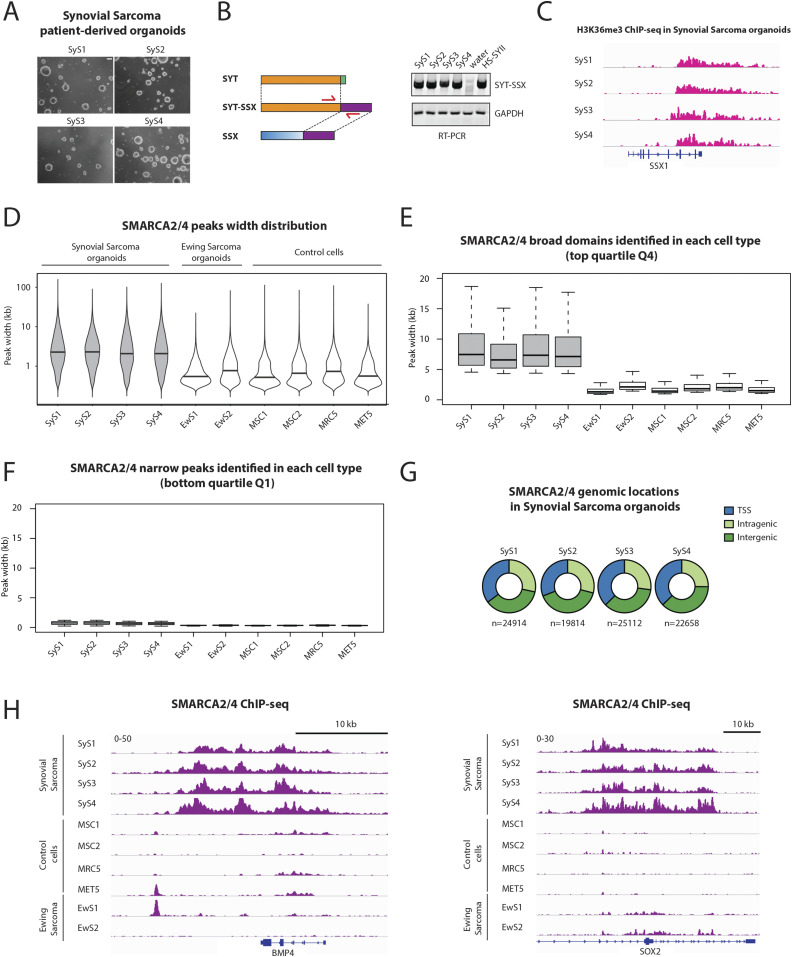
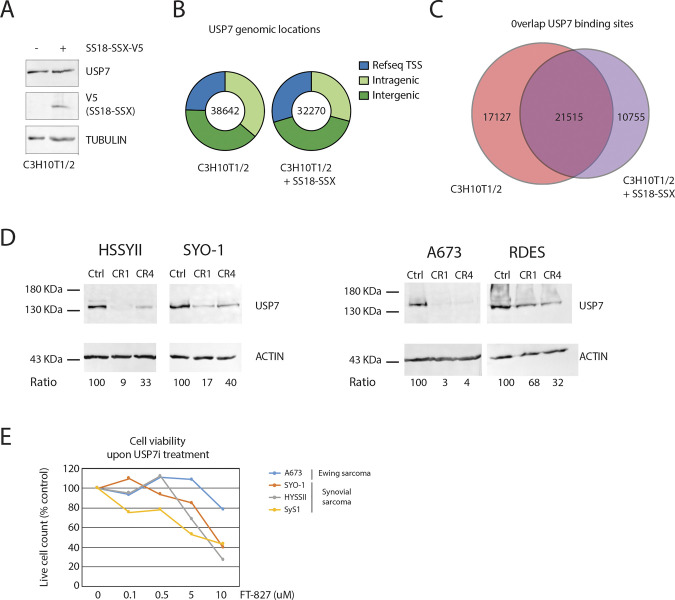
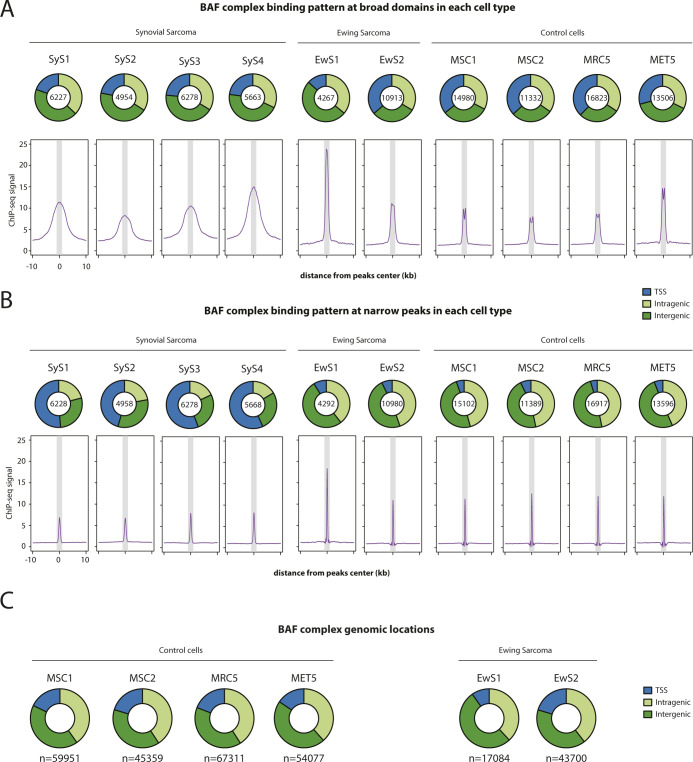
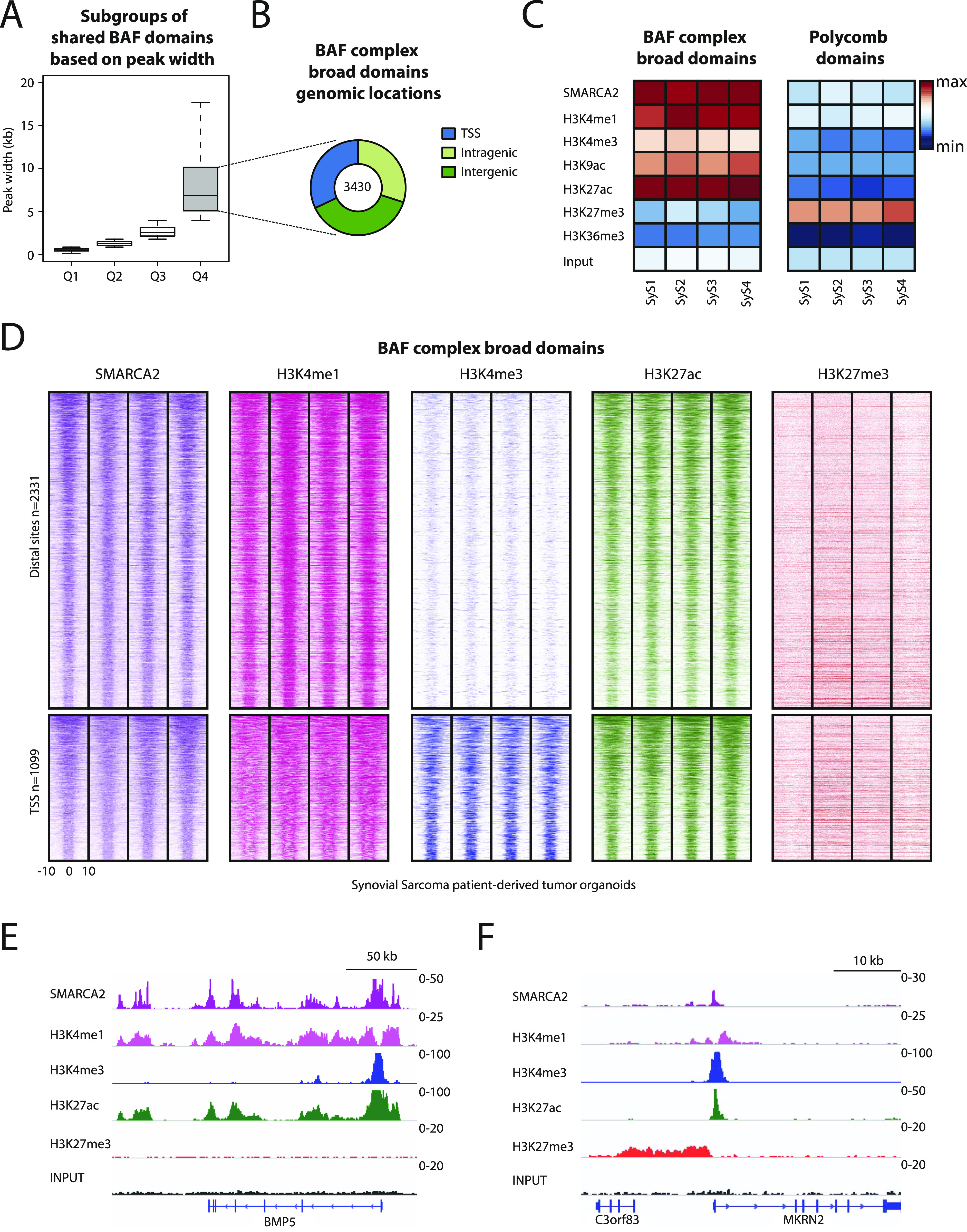
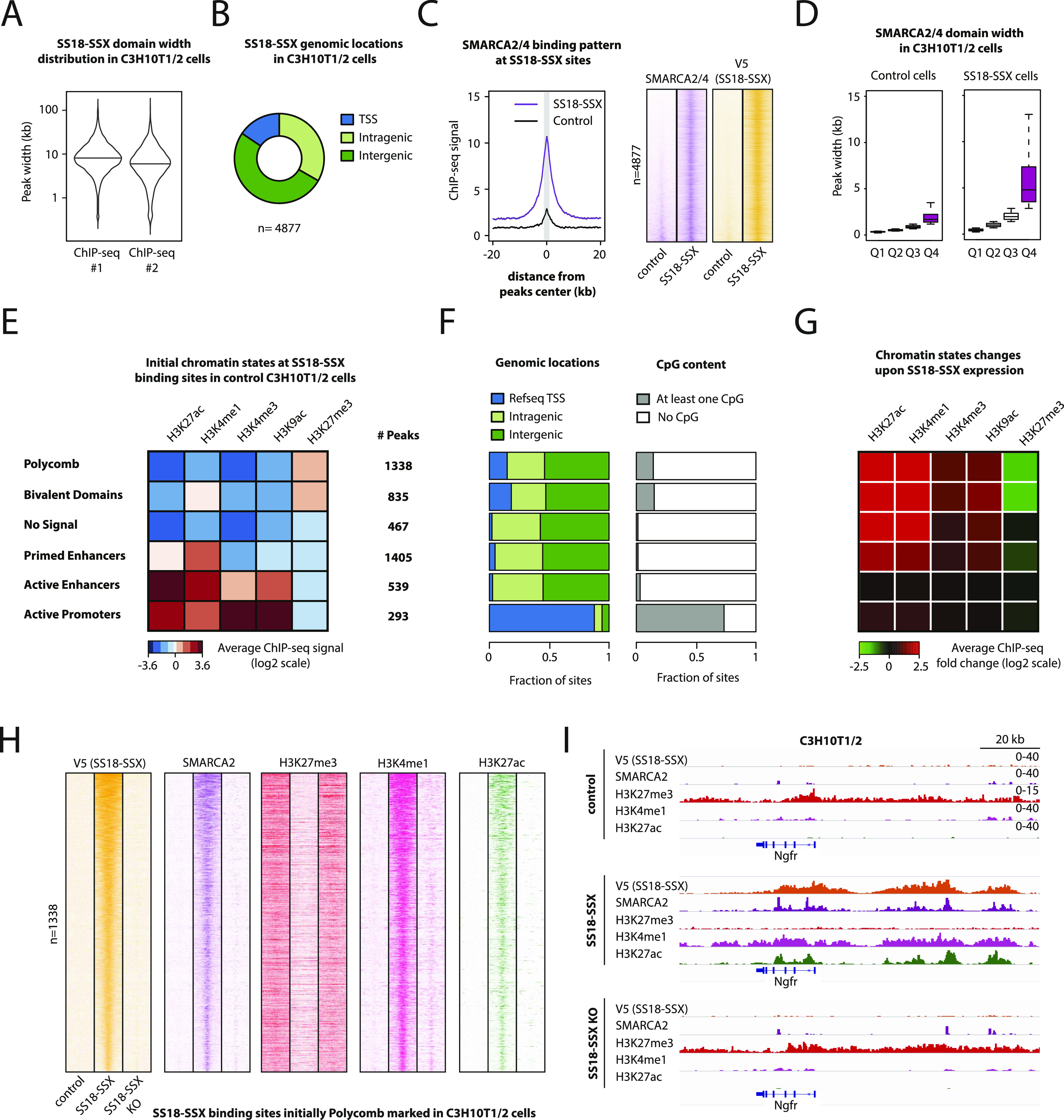
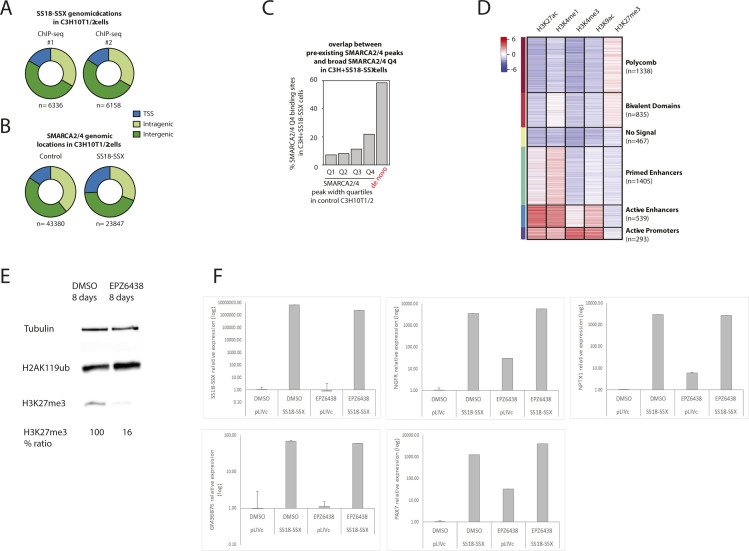
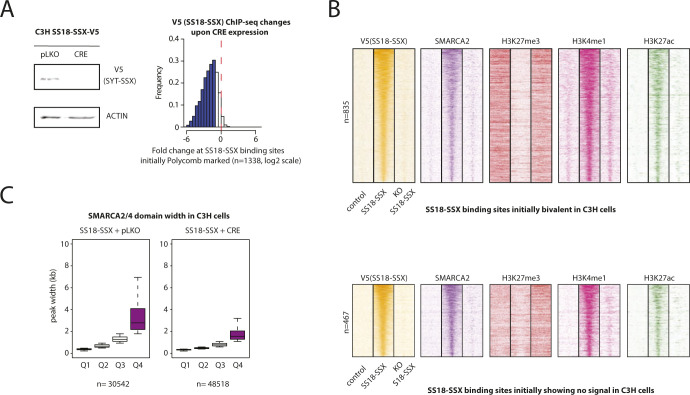
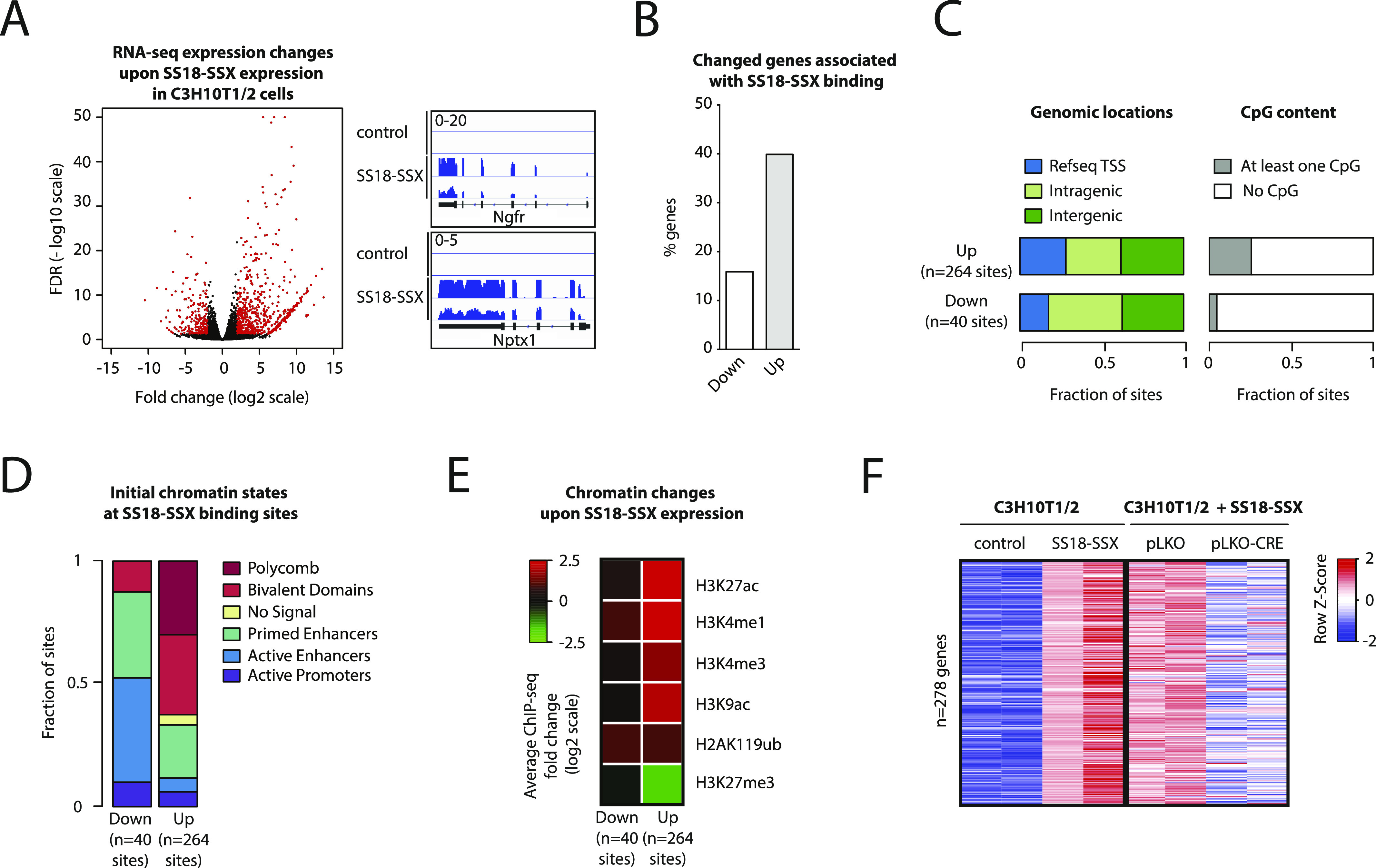
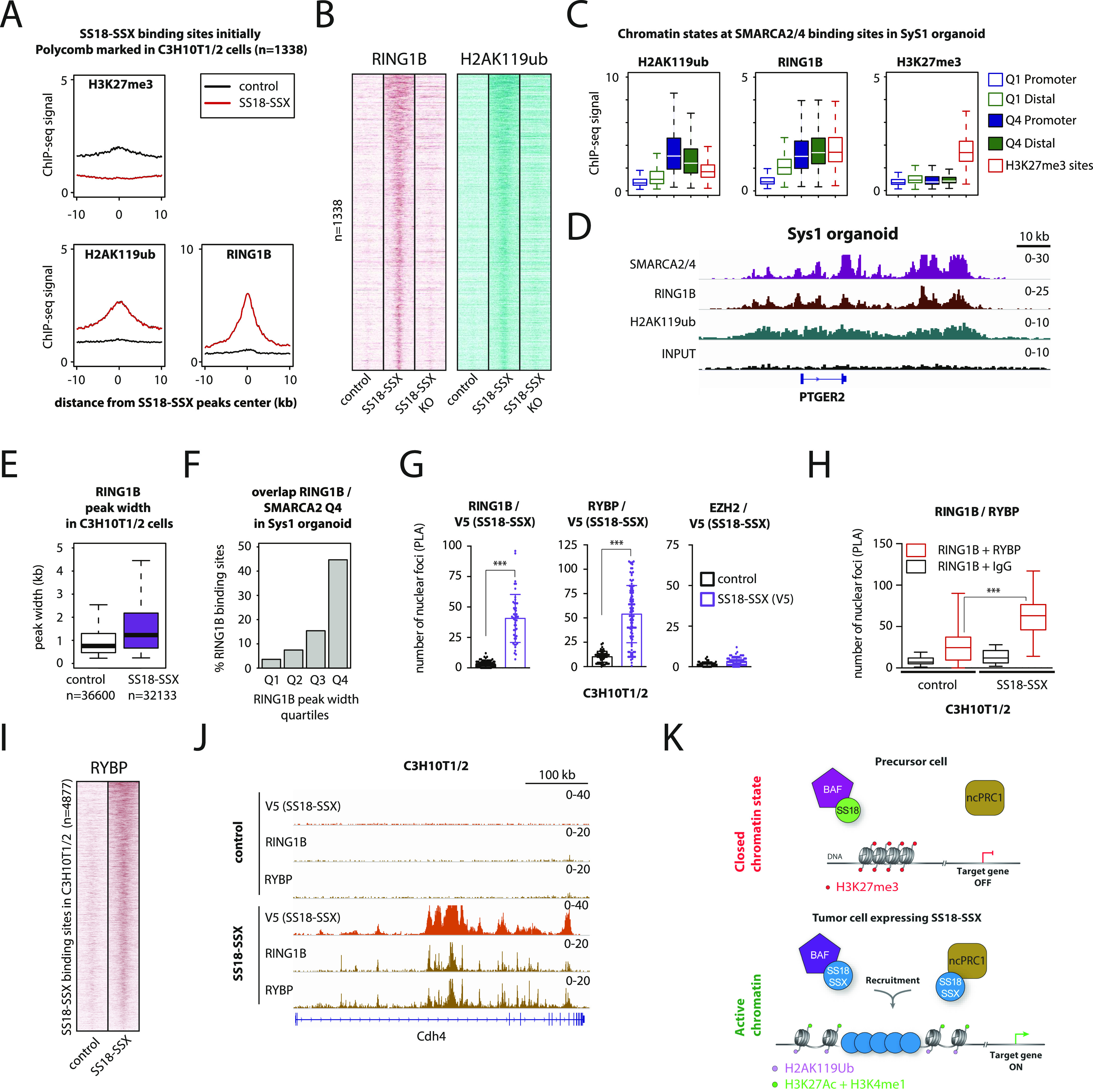
Synovial sarcoma (SyS) is an aggressive mesenchymal malignancy invariably associated with the chromosomal translocation t(X:18; p11:q11), which results in the in-frame fusion of the BAF complex gene to one of three genes. Fusion of SS18 to SSX generates an aberrant transcriptional regulator, which, in permissive cells, drives tumor development by initiating major chromatin remodeling events that disrupt the balance between BAF-mediated gene activation and polycomb-dependent repression. Here, we developed SyS organoids and performed genome-wide epigenomic profiling of these models and mesenchymal precursors to define SyS-specific chromatin remodeling mechanisms and dependencies. We show that SS18-SSX induces broad BAF domains at its binding sites, which oppose polycomb repressor complex (PRC) 2 activity, while facilitating recruitment of a non-canonical (nc)PRC1 variant. Along with the uncoupling of polycomb complexes, we observed H3K27me3 eviction, H2AK119ub deposition and the establishment of de novo active regulatory elements that drive SyS identity. These alterations are completely reversible upon SS18-SSX depletion and are associated with vulnerability to USP7 loss, a core member of ncPRC1.1. Using the power of primary tumor organoids, our work helps define the mechanisms of epigenetic dysregulation on which SyS cells are dependent.
滑膜肉瘤(SyS)是一种具有侵袭性的间叶组织恶性肿瘤,始终与染色体易位 t(X:18;p11:q11)相关,该易位导致 BAF 复合物基因与三个基因之一发生融合。SS18 与 SSX 的融合产生了一个异常的转录调节剂,在允许的细胞中,通过启动主要的染色质重塑事件,破坏 BAF 介导的基因激活和多梳依赖性抑制之间的平衡,从而驱动肿瘤的发展。在这里,我们开发了 SyS 类器官,并对这些模型和间充质前体进行了全基因组表观基因组谱分析,以定义 SyS 特异性染色质重塑机制和依赖性。我们表明,SS18-SSX 在其结合位点诱导广泛的 BAF 结构域,这些结构域与多梳抑制复合物(PRC)2 活性相反,同时促进非典型(nc)PRC1 变体的募集。除了多梳复合物的解偶联外,我们还观察到 H3K27me3 的排出、H2AK119ub 的沉积以及驱动 SyS 特征的新的活性调控元件的建立。在 SS18-SSX 耗尽后,这些改变是完全可逆的,并且与 USP7 缺失相关,USP7 是 ncPRC1.1 的核心成员。利用原发性肿瘤类器官的力量,我们的工作有助于定义 SyS 细胞依赖的表观遗传失调机制。