Burke Molly K, McHugh Kaitlin M, Kutch Ian C
Department of Integrative Biology, Oregon State University, Corvallis, OR, United States.
Front Genet. 2020 Dec 11;11:597482. doi: 10.3389/fgene.2020.597482. eCollection 2020.
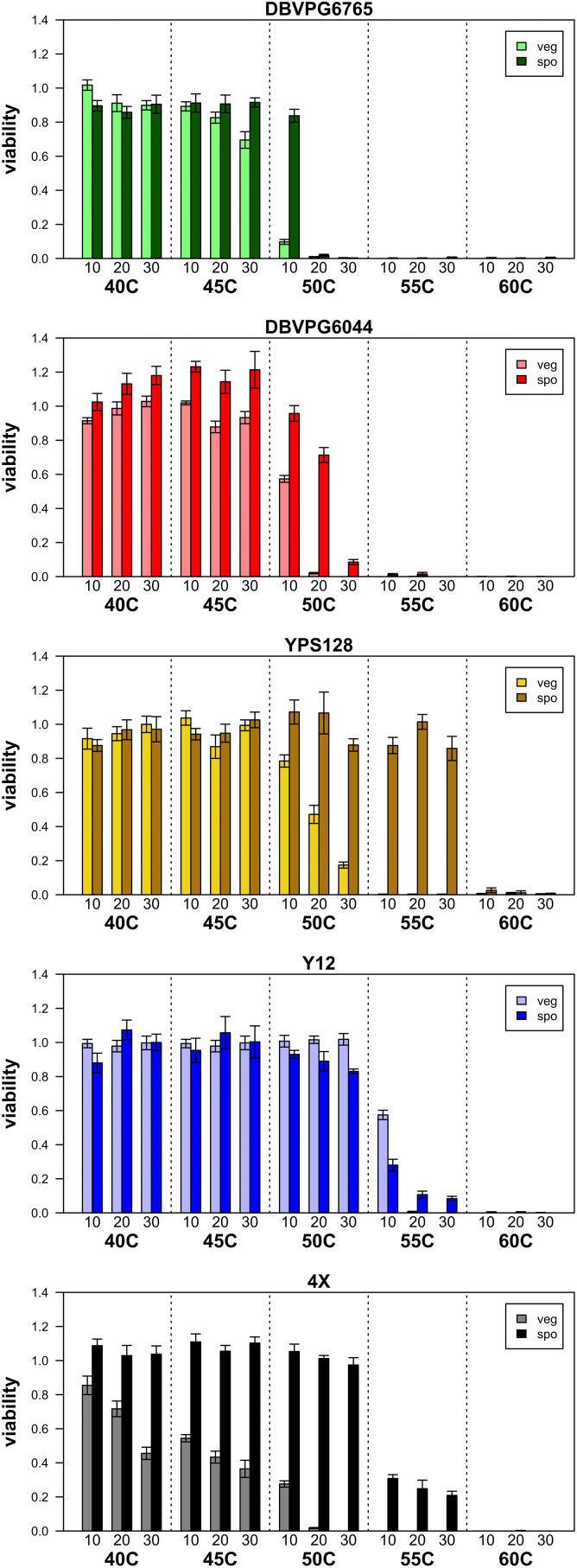
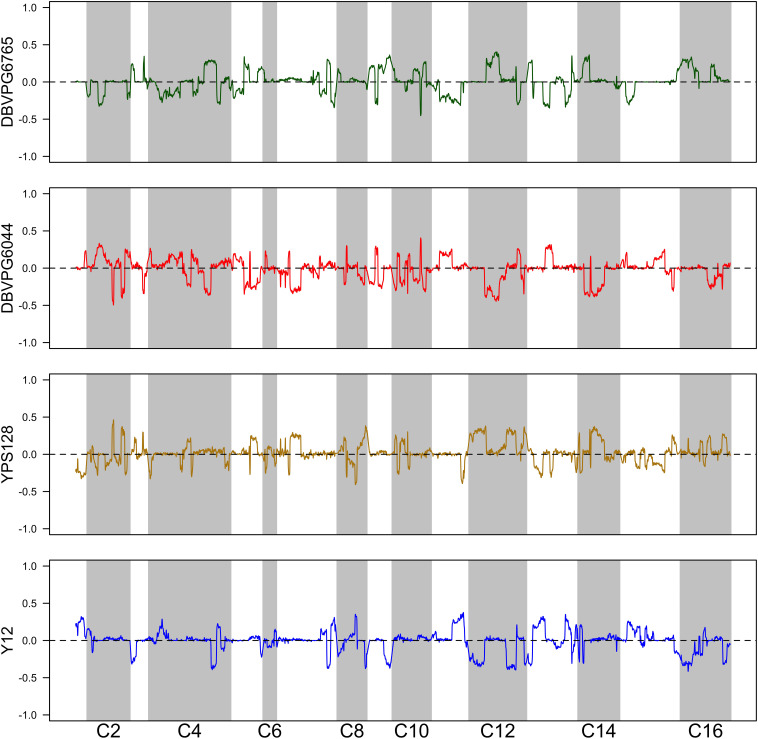
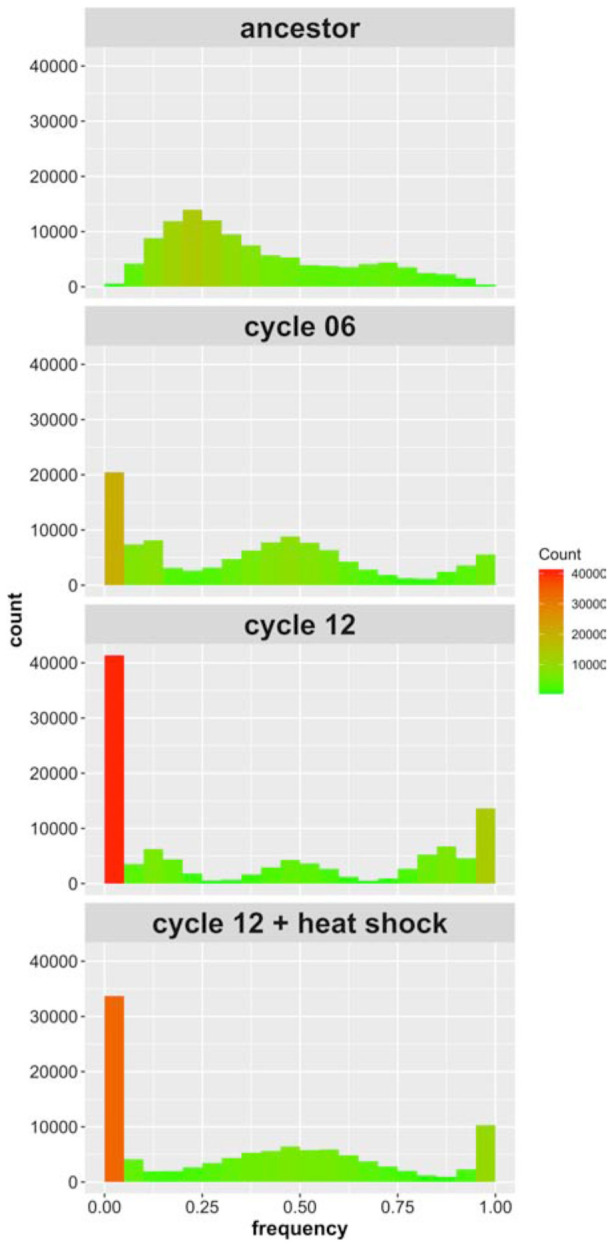
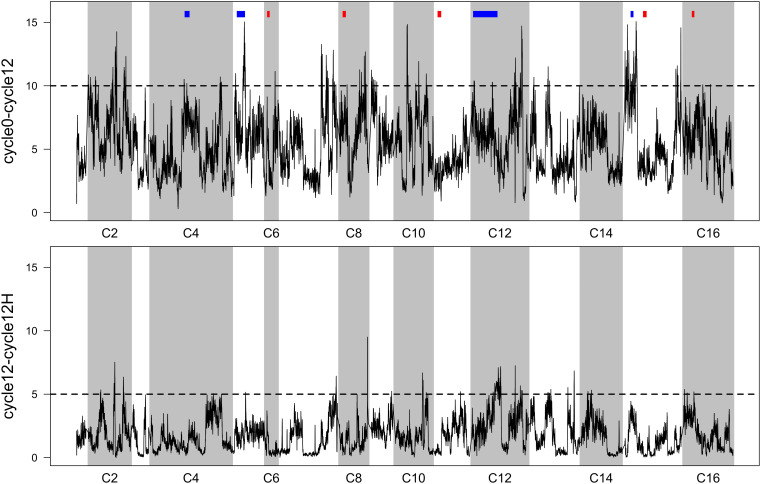
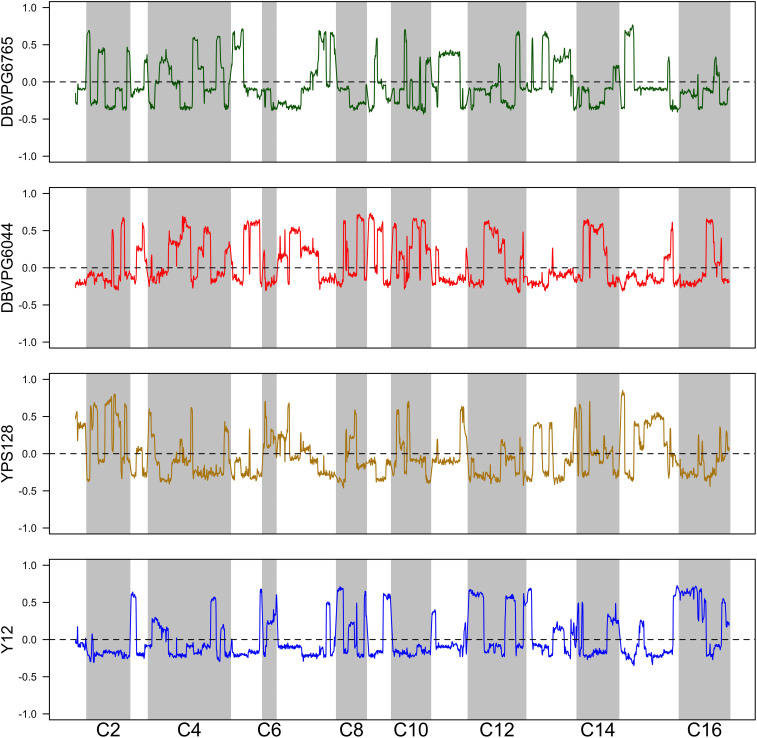
Random spore analysis (RSA) is a classic method in yeast genetics that allows high-throughput purification of recombinant haploid spores following specific crosses. RSA typically involves a number of steps to induce sporulation, purge vegetative cells that fail to sporulate, and disrupt the ascus walls of sporulated cells to release haploid spores. These steps generally require expensive chemicals and/or enzymes that kill diploid cells but have few effects on spores. In the fission yeast , heat shock has been reported as an effective addition to RSA protocols, but to our knowledge heat shock has not been used for this purpose in the budding yeast . Here, we evaluate the effects of heat shock on vegetative and sporulated cultures of four diverse yeast strains: a European wine strain (DBVPG6765), a Japanese sake strain (Y12), a West African palm wine strain (DBVPG6044) and a North American strain isolated from the soil beneath an oak tree (YPS128). We characterize this phenotype under multiple combinations of temperature and incubation time, and find specific conditions that lead to the exclusion of vegetative cells and an enrichment in spores, which differ by strain. We also collected genome sequence data from a recombinant population that experienced multiple rounds of RSA, including one round with a heat shock treatment. These data suggest that when incorporated into an RSA protocol, heat shock leads to increased genetic diversity among the cells that survive and mate. Ultimately, our work provides evidence that short heat treatments can improve existing RSA protocols, though in a strain-specific manner. This result informs applications of high-throughput RSA protocols, such as QTL mapping and experimental evolution research.
随机孢子分析(RSA)是酵母遗传学中的一种经典方法,可在特定杂交后对重组单倍体孢子进行高通量纯化。RSA通常包括多个步骤,以诱导孢子形成、清除未能形成孢子的营养细胞,并破坏已形成孢子细胞的子囊壁以释放单倍体孢子。这些步骤通常需要昂贵的化学试剂和/或酶,它们能杀死二倍体细胞,但对孢子影响较小。在裂殖酵母中,热休克已被报道为RSA方案的有效补充,但据我们所知,热休克尚未在芽殖酵母中用于此目的。在这里,我们评估了热休克对四种不同酵母菌株的营养细胞和已形成孢子的培养物的影响:一种欧洲葡萄酒菌株(DBVPG6765)、一种日本清酒菌株(Y12)、一种西非棕榈酒菌株(DBVPG6044)和一种从橡树下土壤中分离的北美菌株(YPS128)。我们在温度和孵育时间的多种组合下对这种表型进行了表征,并发现了导致营养细胞被排除和孢子富集的特定条件,这些条件因菌株而异。我们还从经历多轮RSA的重组群体中收集了基因组序列数据,其中一轮包括热休克处理。这些数据表明,当热休克纳入RSA方案时,会导致存活并进行交配的细胞之间的遗传多样性增加。最终,我们的工作提供了证据,即短时间热处理可以改进现有的RSA方案,尽管是以菌株特异性的方式。这一结果为高通量RSA方案的应用提供了信息,如数量性状位点(QTL)定位和实验进化研究。