Zhou Chi, Wei Zhiting, Zhang Liye, Yang Zhaoyi, Liu Qi
Translational Medical Center for Stem Cell Therapy and Institute for Regenerative Medicine, Shanghai East Hospital, Bioinformatics Department, School of Life Sciences and Technology, Tongji University, Shanghai, China.
School of Life Science and Technology, ShanghaiTech University, Shanghai, China.
Front Oncol. 2020 Dec 10;10:593989. doi: 10.3389/fonc.2020.593989. eCollection 2020.
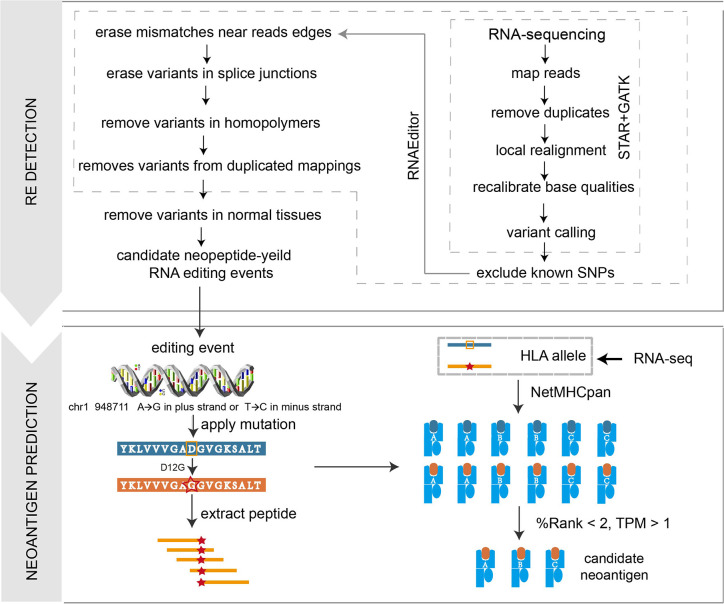
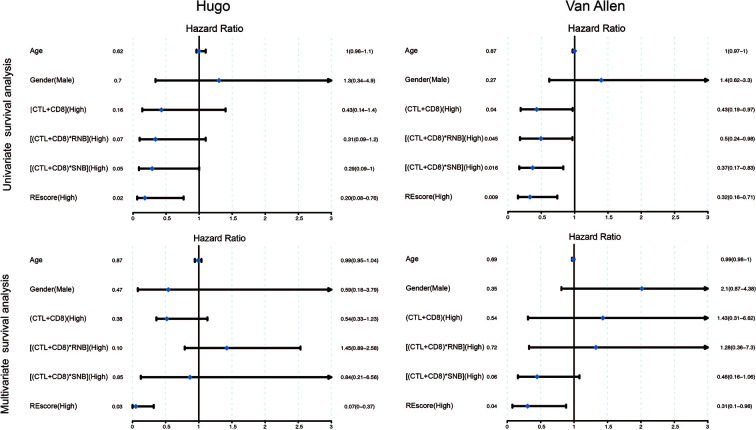
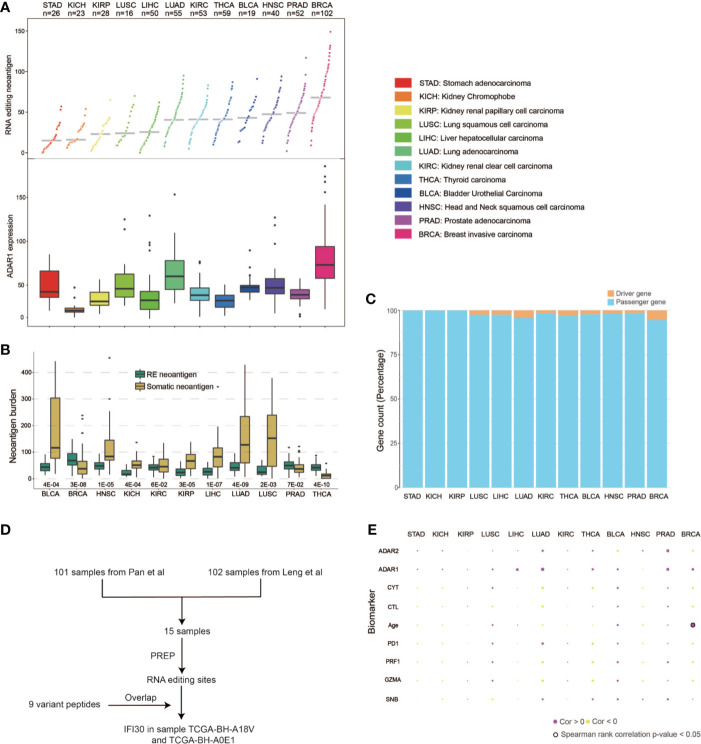
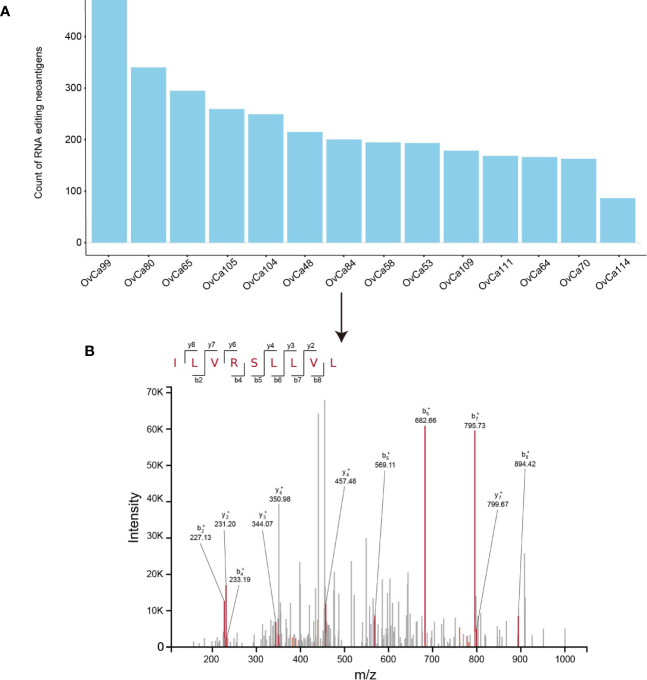
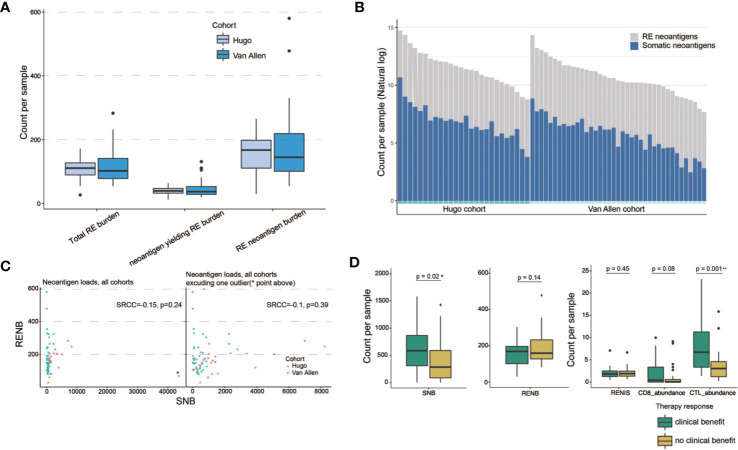
A-to-I RNA editing can contribute to the transcriptomic and proteomic diversity of many diseases including cancer. It has been reported that peptides generated from RNA editing could be naturally presented by human leukocyte antigen (HLA) molecules and elicit CD8+ T cell activation. However, a systematical characterization of A-to-I RNA editing neoantigens in cancer is still lacking. Here, an integrated RNA-editing based neoantigen identification pipeline (Prioritizing of RNA Editing-based Peptides) was presented. A comprehensive RNA editing neoantigen profile analysis on 12 cancer types from The Cancer Genome Atlas (TCGA) cohorts was performed. was also applied to 14 ovarian tumor samples and two clinical melanoma cohorts treated with immunotherapy. We finally proposed an RNA editing neoantigen immunogenicity score scheme, , which takes RNA editing level and infiltrating immune cell population into consideration. We reported variant peptide from protein IFI30 in breast cancer which was confirmed expressed and presented in two samples with mass spectrometry data support. We showed that RNA editing neoantigen could be identified from RNA-seq data and could be validated with mass spectrometry data in ovarian tumor samples. Furthermore, we characterized the RNA editing neoantigen profile of clinical melanoma cohorts treated with immunotherapy. Finally, showed significant associations with improved overall survival in melanoma cohorts treated with immunotherapy. These findings provided novel insights of cancer biomarker and enhance our understanding of neoantigen derived from A-to-I RNA editing as well as more types of candidates for personalized cancer vaccines design in the context of cancer immunotherapy.
A-to-I RNA编辑可促成包括癌症在内的多种疾病的转录组和蛋白质组多样性。据报道,RNA编辑产生的肽可由人类白细胞抗原(HLA)分子自然呈递并引发CD8+T细胞活化。然而,目前仍缺乏对癌症中A-to-I RNA编辑新抗原的系统表征。在此,我们提出了一种基于RNA编辑的新抗原鉴定流程(基于RNA编辑的肽的优先级排序)。我们对来自癌症基因组图谱(TCGA)队列的12种癌症类型进行了全面的RNA编辑新抗原谱分析。该流程还应用于14个卵巢肿瘤样本和两个接受免疫治疗的临床黑色素瘤队列。我们最终提出了一种RNA编辑新抗原免疫原性评分方案,该方案考虑了RNA编辑水平和浸润免疫细胞群体。我们报道了乳腺癌中来自蛋白质IFI30的变异肽,在质谱数据支持下,该肽在两个样本中被证实表达并呈递。我们表明,RNA编辑新抗原可从RNA测序数据中鉴定出来,并可在卵巢肿瘤样本中用质谱数据进行验证。此外,我们还表征了接受免疫治疗的临床黑色素瘤队列的RNA编辑新抗原谱。最后,该评分方案在接受免疫治疗的黑色素瘤队列中与改善的总生存期显示出显著关联。这些发现为癌症生物标志物提供了新的见解,并增强了我们对源自A-to-I RNA编辑的新抗原的理解,以及在癌症免疫治疗背景下为个性化癌症疫苗设计提供了更多类型的候选物。