Younis Nour K, Zareef Rana O, Al Hassan Sally N, Bitar Fadi, Eid Ali H, Arabi Mariam
Faculty of Medicine, American University of Beirut Medical Center, Beirut, Lebanon.
Pediatric Department, Division of Pediatric Cardiology, American University of Beirut Medical Center, Beirut, Lebanon.
Front Pharmacol. 2020 Nov 19;11:597985. doi: 10.3389/fphar.2020.597985. eCollection 2020.
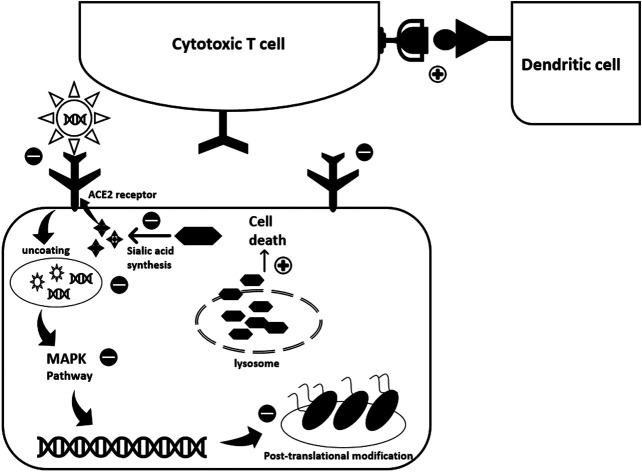
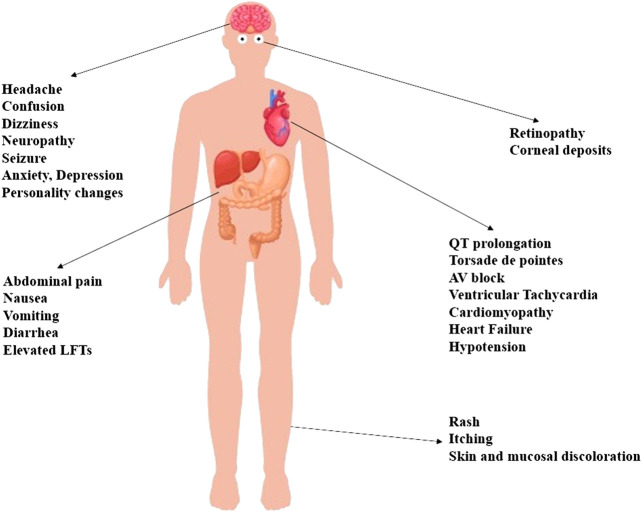
The pandemic of COVID-19, caused by SARS-CoV-2, has recently overwhelmed medical centers and paralyzed economies. The unparalleled public distress caused by this pandemic mandated an urgent quest for an effective approach to manage or treat this disease. Due to their well-established anti-infectious and anti-inflammatory properties, quinine derivatives have been sought as potential therapies for COVID-19. Indeed, these molecules were originally employed in the treatment and prophylaxis of malaria, and later in the management of various autoimmune rheumatic and dermatologic diseases. Initially, some promising results for the use of hydroxychloroquine (HCQ) in treating COVID-19 patients were reported by a few and studies. However, current evidence is not yet sufficiently solid to warrant its use as a therapy for this disease. Additionally, the therapeutic effects of HCQ are not without many side effects, which range from mild gastrointestinal effects to life-threatening cardiovascular and neurological effects. In this review, we explore the controversy associated with the repurposing of HCQ to manage or treat COVID-19, and we discuss the cellular and molecular mechanisms of action of HCQ.
由严重急性呼吸综合征冠状病毒2(SARS-CoV-2)引起的2019冠状病毒病大流行,最近使医疗中心不堪重负,并使经济陷入瘫痪。这场大流行造成的前所未有的公众痛苦促使人们迫切寻求一种有效的方法来管理或治疗这种疾病。由于其已确立的抗感染和抗炎特性,奎宁衍生物已被视为治疗2019冠状病毒病的潜在疗法。事实上,这些分子最初用于疟疾的治疗和预防,后来用于各种自身免疫性风湿和皮肤病的管理。最初,一些研究报告了使用羟氯喹(HCQ)治疗2019冠状病毒病患者的一些有希望的结果。然而,目前的证据还不够确凿,不足以保证将其用作这种疾病的治疗方法。此外,HCQ的治疗效果并非没有许多副作用,从轻微的胃肠道影响到危及生命的心血管和神经影响。在这篇综述中,我们探讨了将HCQ重新用于管理或治疗2019冠状病毒病的相关争议,并讨论了HCQ的细胞和分子作用机制。