Wisconsin Blood Cancer Research Institute, Department of Cell and Regenerative Biology, Carbone Cancer Center, University of Wisconsin School of Medicine and Public Health, Madison, Wisconsin, United States of America.
Department of Biochemistry and Molecular Biology, Graduate School of Biomedical Sciences, University of Texas McGovern Medical School at Houston, Houston, Texas, United States of America.
PLoS Genet. 2020 Dec 28;16(12):e1009286. doi: 10.1371/journal.pgen.1009286. eCollection 2020 Dec.
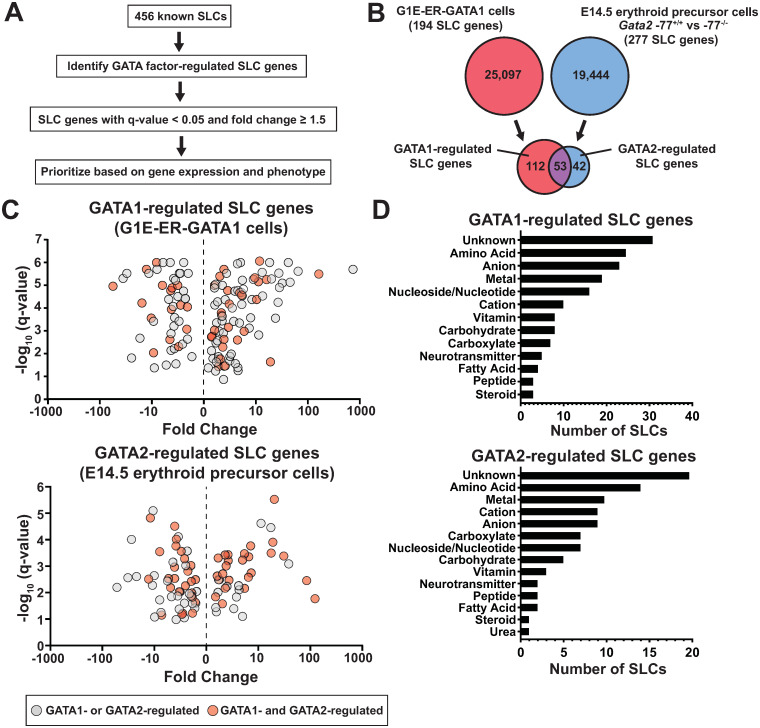
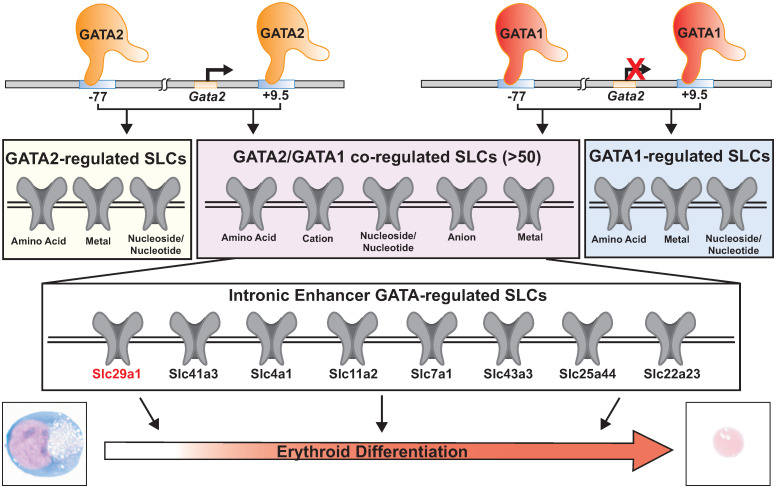
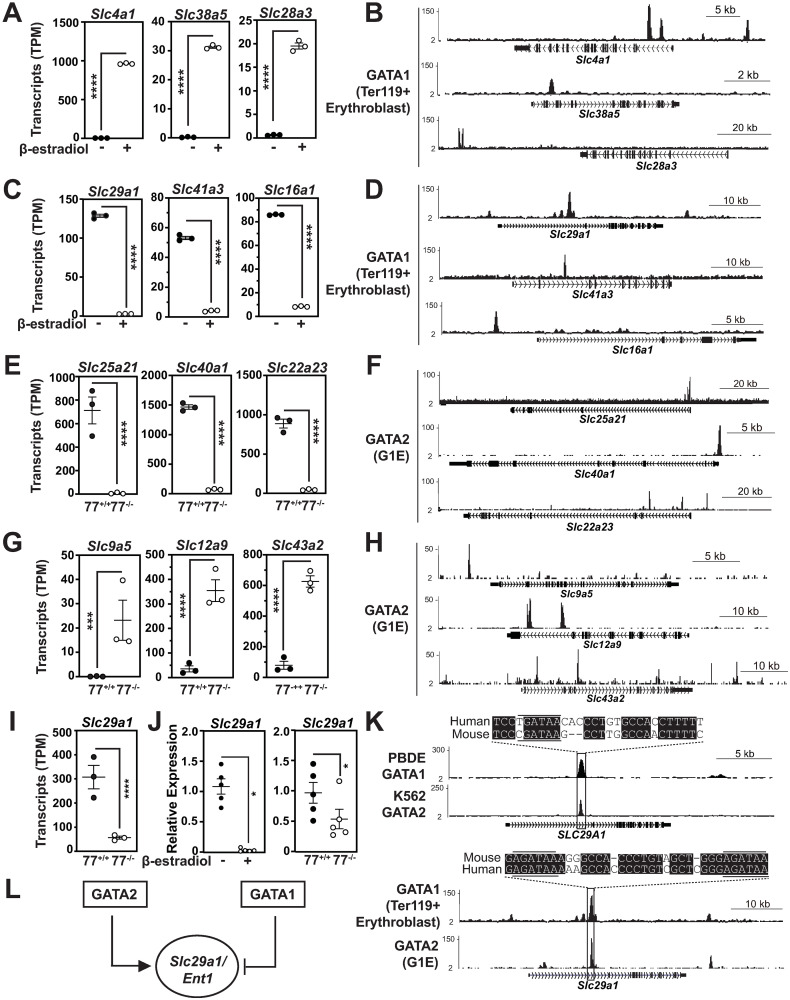
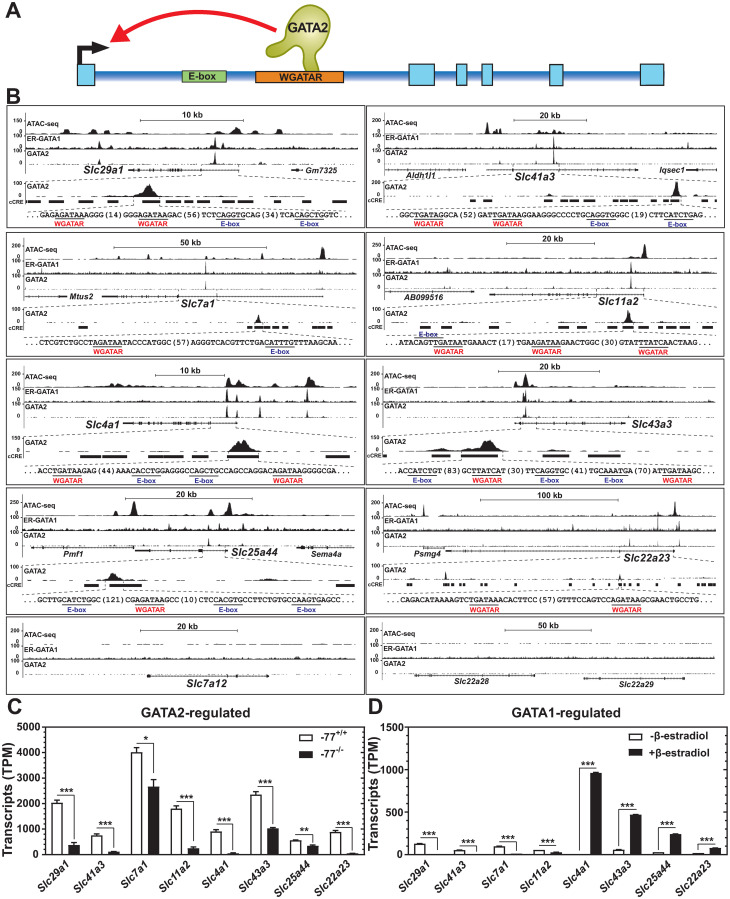
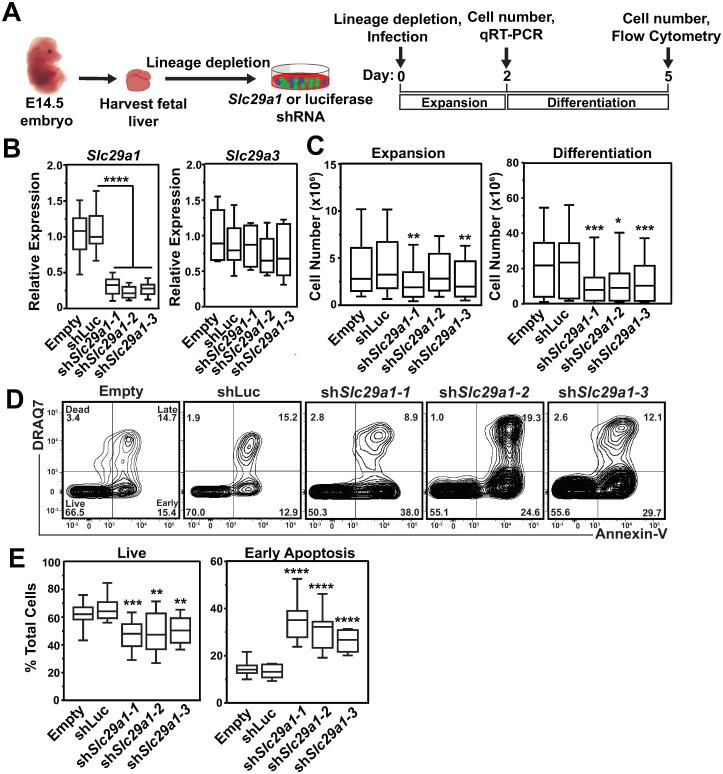
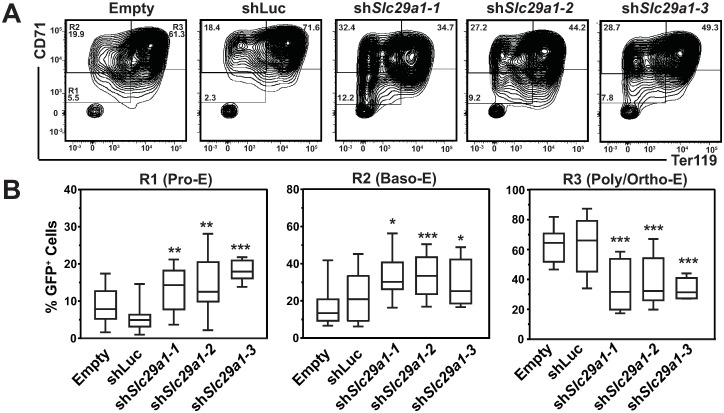
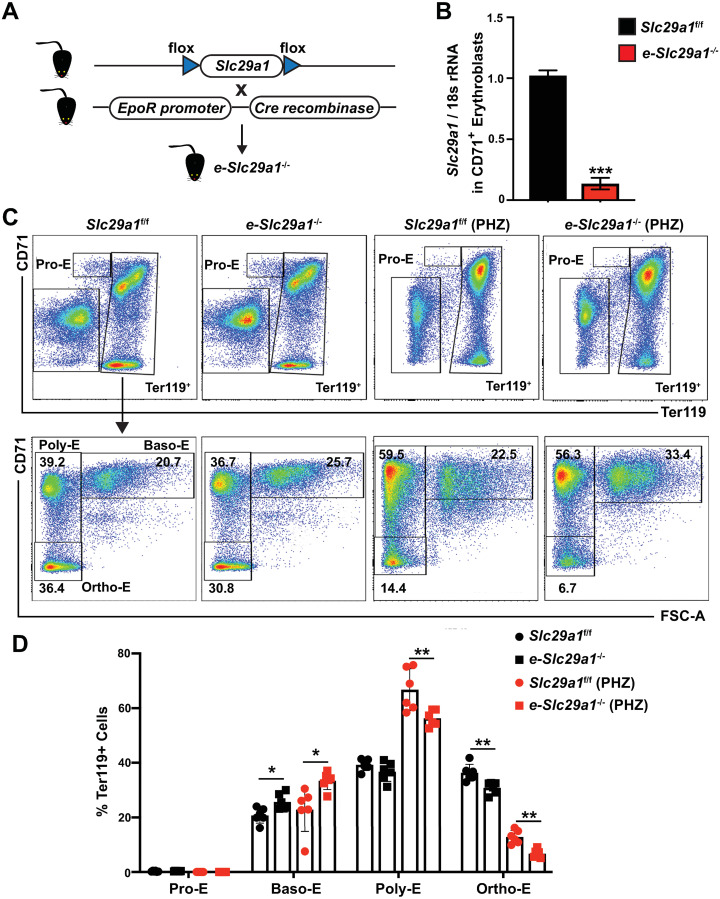
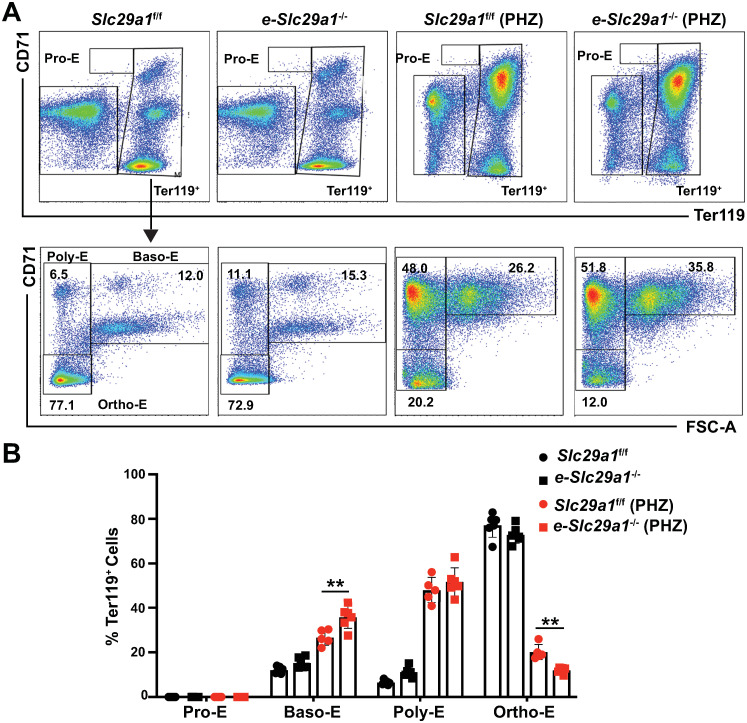
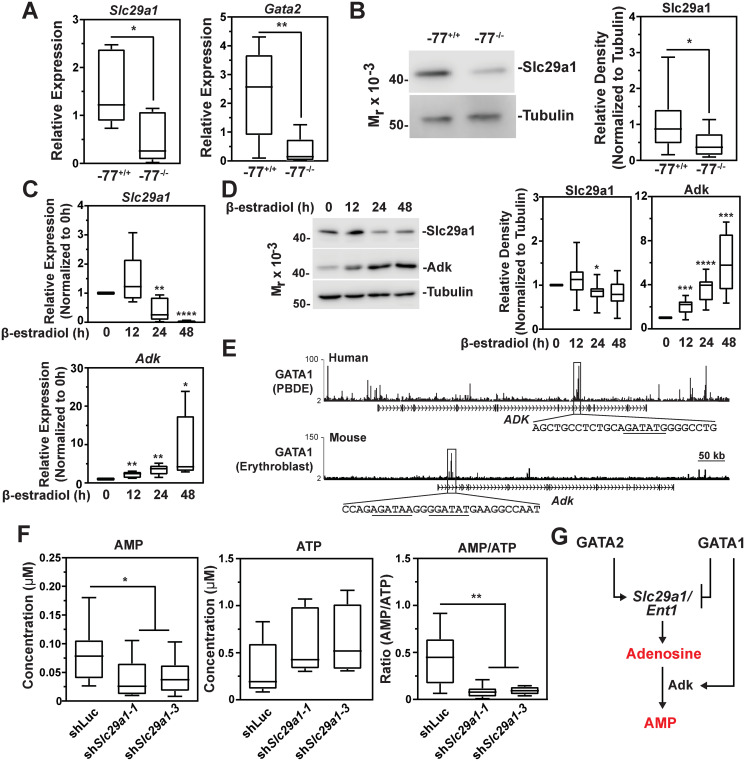
Developmental-regulatory networks often include large gene families encoding mechanistically-related proteins like G-protein-coupled receptors, zinc finger transcription factors and solute carrier (SLC) transporters. In principle, a common mechanism may confer expression of multiple members integral to a developmental process, or diverse mechanisms may be deployed. Using genetic complementation and enhancer-mutant systems, we analyzed the 456 member SLC family that establishes the small molecule constitution of cells. This analysis identified SLC gene cohorts regulated by GATA1 and/or GATA2 during erythroid differentiation. As >50 SLC genes shared GATA factor regulation, a common mechanism established multiple members of this family. These genes included Slc29a1 encoding an equilibrative nucleoside transporter (Slc29a1/ENT1) that utilizes adenosine as a preferred substrate. Slc29a1 promoted erythroblast survival and differentiation ex vivo. Targeted ablation of murine Slc29a1 in erythroblasts attenuated erythropoiesis and erythrocyte regeneration in response to acute anemia. Our results reveal a GATA factor-regulated SLC ensemble, with a nucleoside transporter component that promotes erythropoiesis and prevents anemia, and establish a mechanistic link between GATA factor and adenosine mechanisms. We propose that integration of the GATA factor-adenosine circuit with other components of the GATA factor-regulated SLC ensemble establishes the small molecule repertoire required for progenitor cells to efficiently generate erythrocytes.
发育调控网络通常包含大量基因家族,这些基因家族编码具有机制相关性的蛋白质,如 G 蛋白偶联受体、锌指转录因子和溶质载体 (SLC) 转运体。原则上,一种共同的机制可能赋予对发育过程至关重要的多个成员的表达,或者可以部署多种机制。我们使用遗传互补和增强子突变系统分析了建立细胞小分子组成的 456 个成员 SLC 家族。该分析确定了 GATA1 和/或 GATA2 在红细胞分化过程中调节的 SLC 基因群。由于>50 个 SLC 基因共享 GATA 因子调节,因此共同的机制建立了该家族的多个成员。这些基因包括编码协同核苷转运蛋白 (Slc29a1/ENT1) 的 Slc29a1,该转运蛋白利用腺苷作为首选底物。Slc29a1 促进红系祖细胞的存活和分化。在红系祖细胞中靶向敲除小鼠 Slc29a1 会减弱对急性贫血的红细胞生成和红细胞再生的反应。我们的结果揭示了一个受 GATA 因子调节的 SLC 合奏,其中核苷转运蛋白成分促进红细胞生成并预防贫血,并在 GATA 因子和腺苷机制之间建立了机制联系。我们提出,GATA 因子-腺苷回路与 GATA 因子调节的 SLC 合奏的其他成分的整合建立了祖细胞有效产生红细胞所需的小分子库。