Department of Biochemistry, School of Medicine, Autonomous University of Madrid (UAM), Madrid, Spain.
Instituto de Investigaciones Biomédicas Alberto Sols, Consejo Superior de Investigaciones Científicas (CSIC)-UAM, Madrid, Spain.
Life Sci Alliance. 2020 Dec 28;4(3). doi: 10.26508/lsa.202000746. Print 2021 Mar.
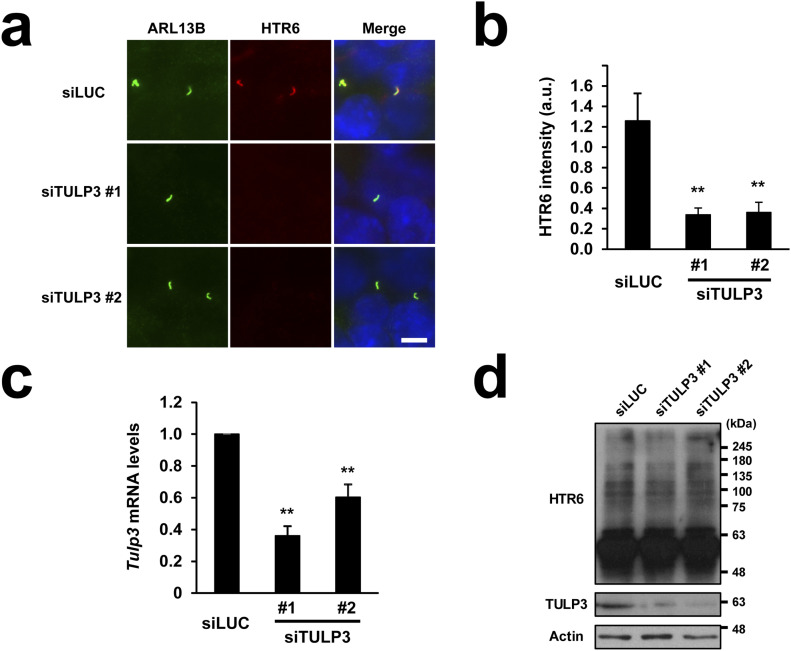
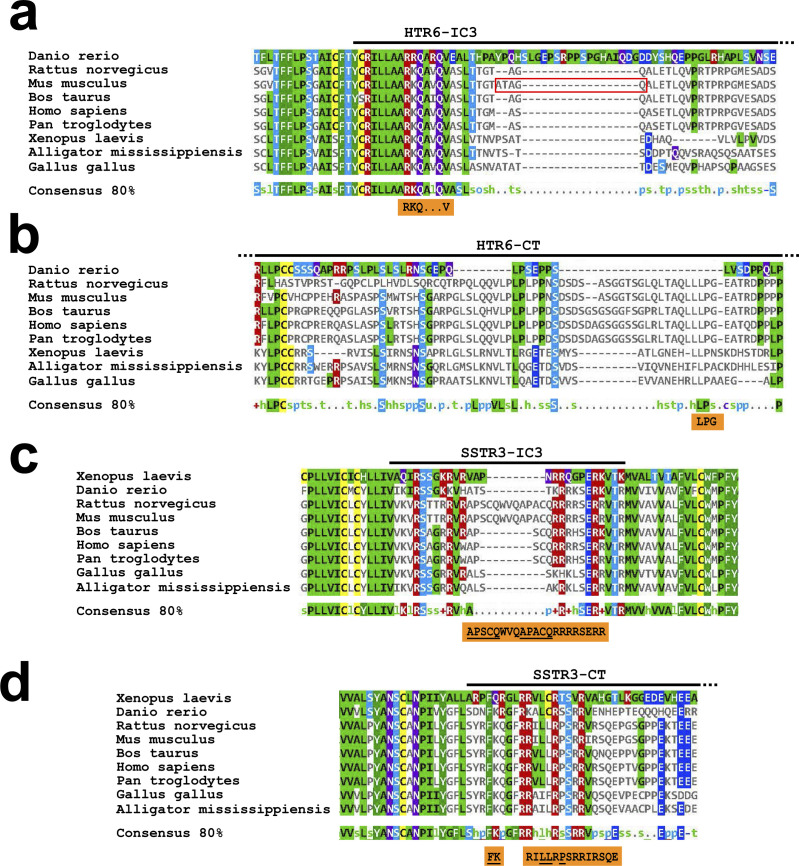
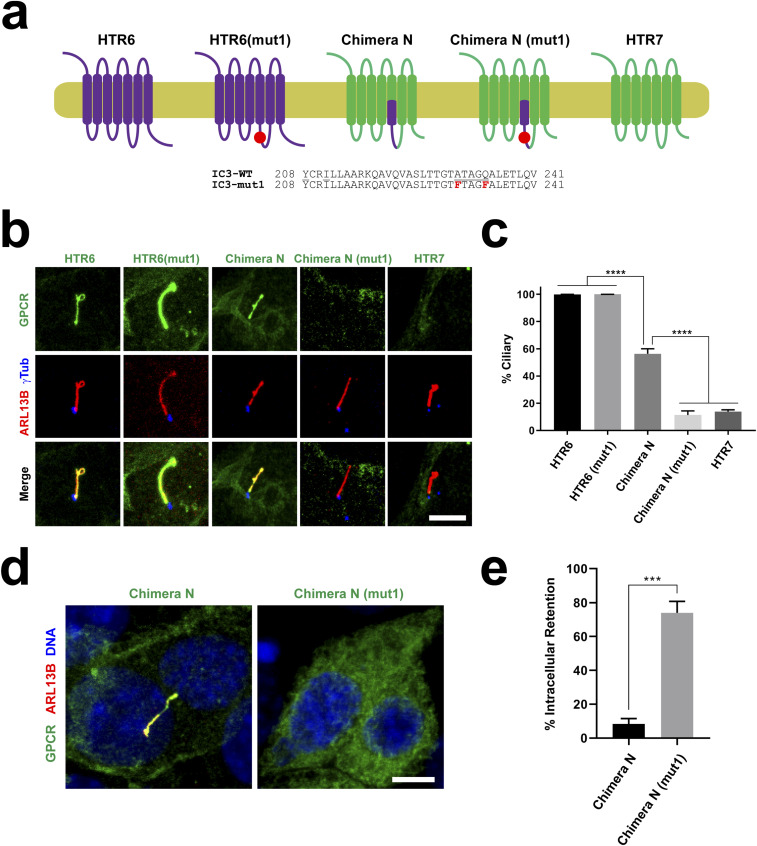
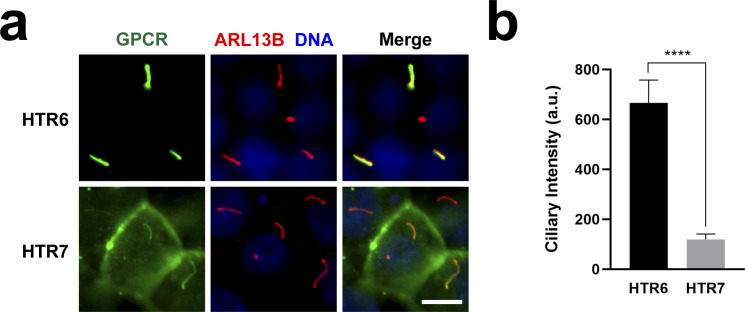
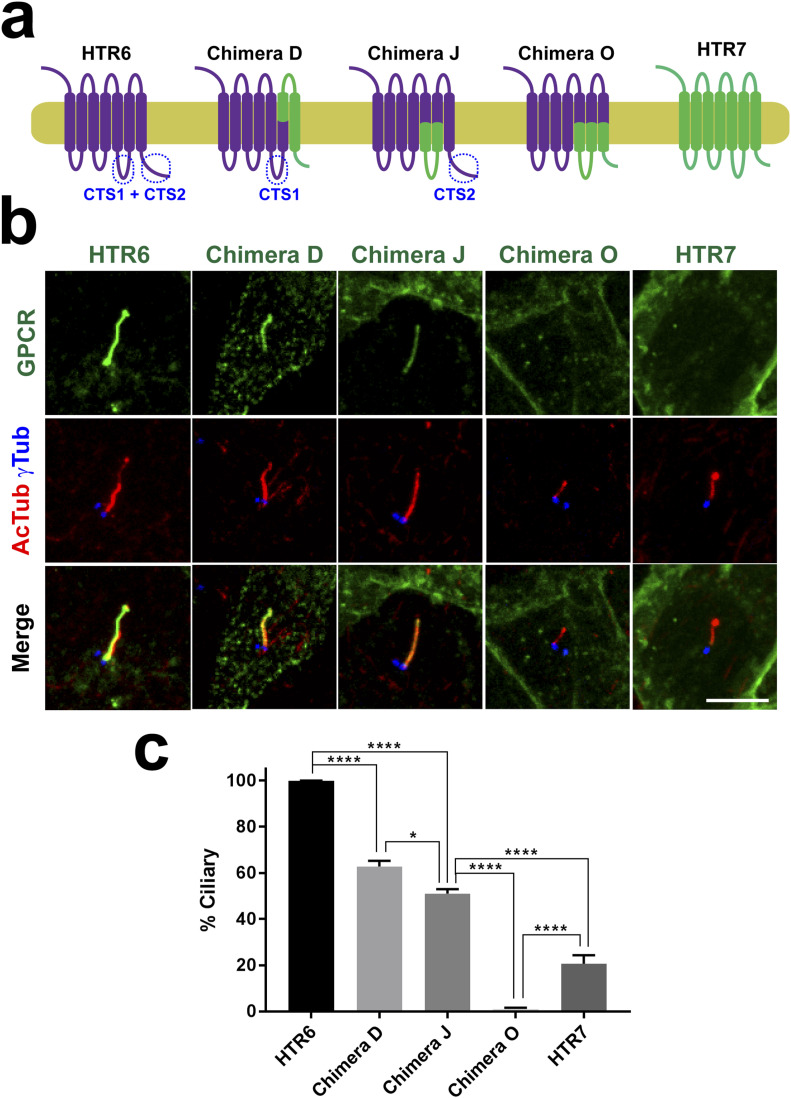
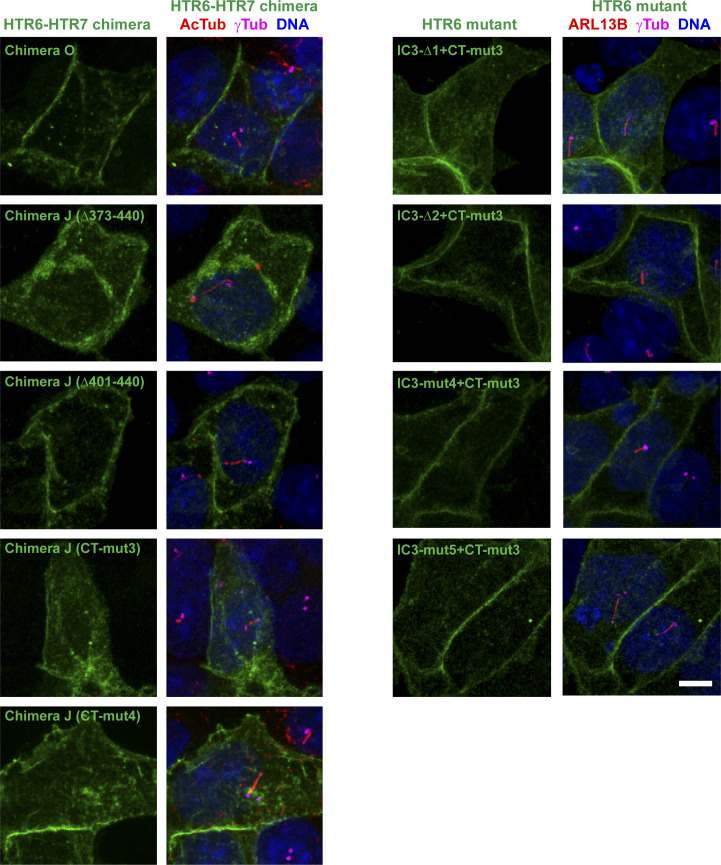
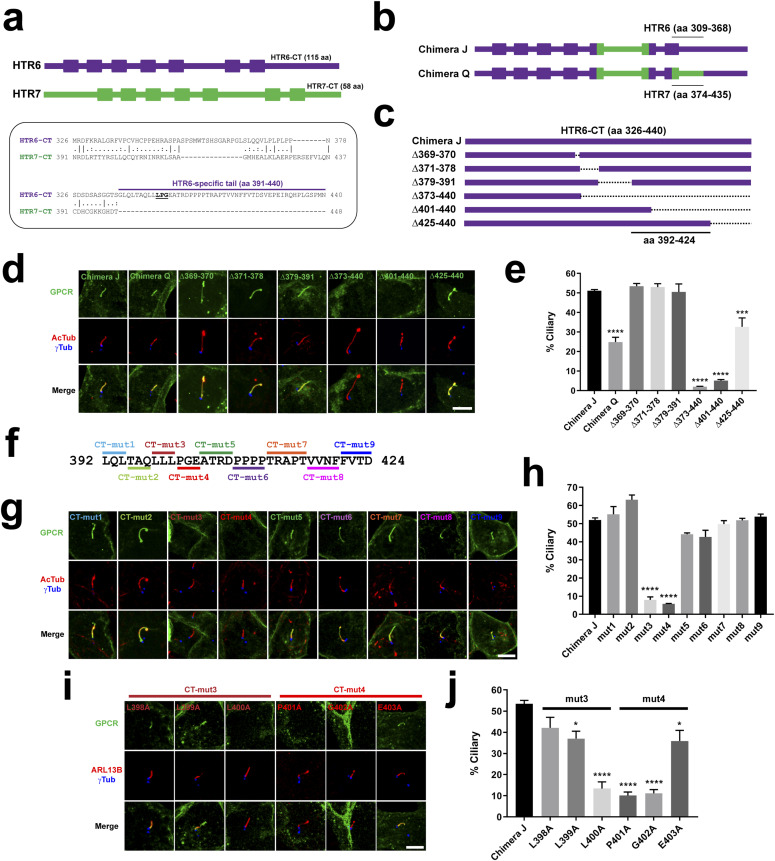
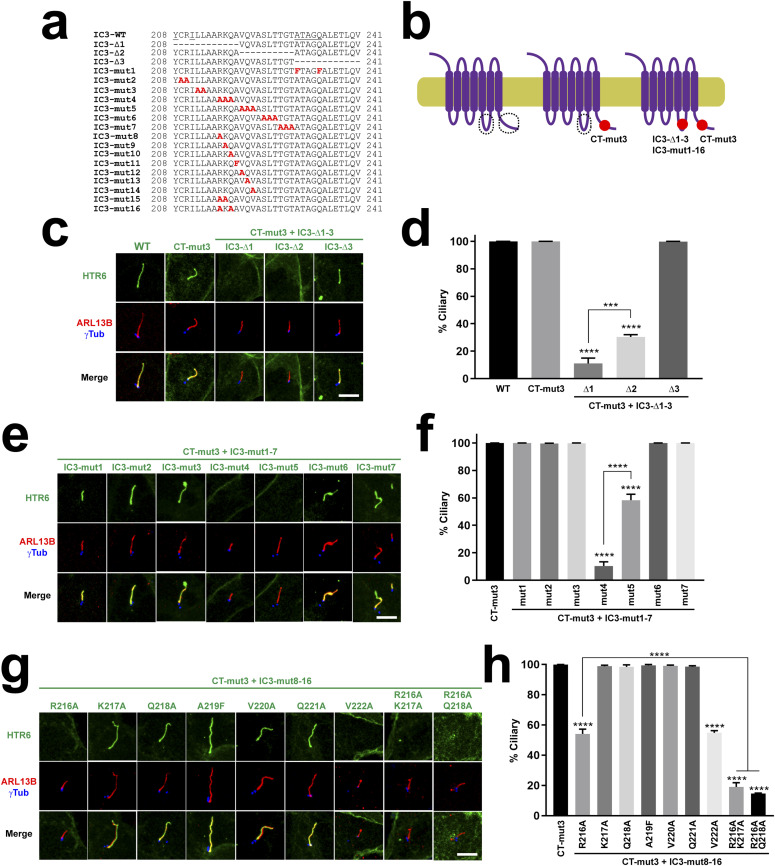
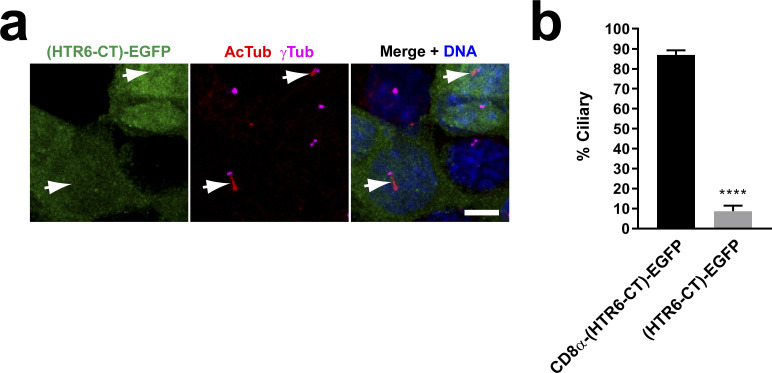
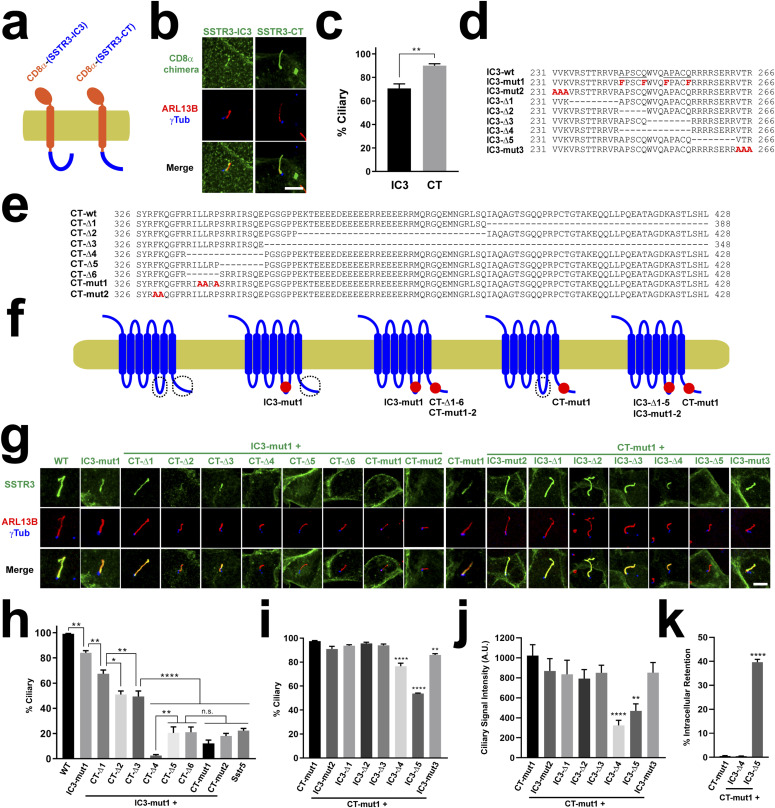
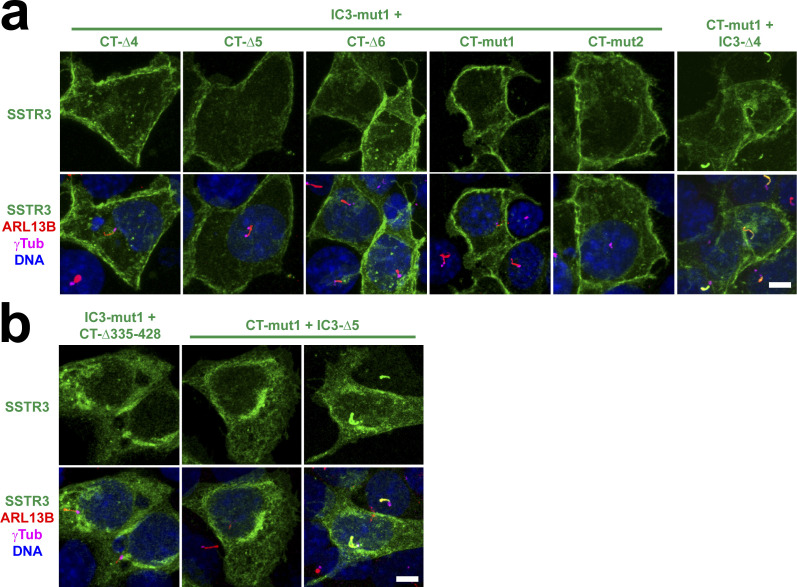
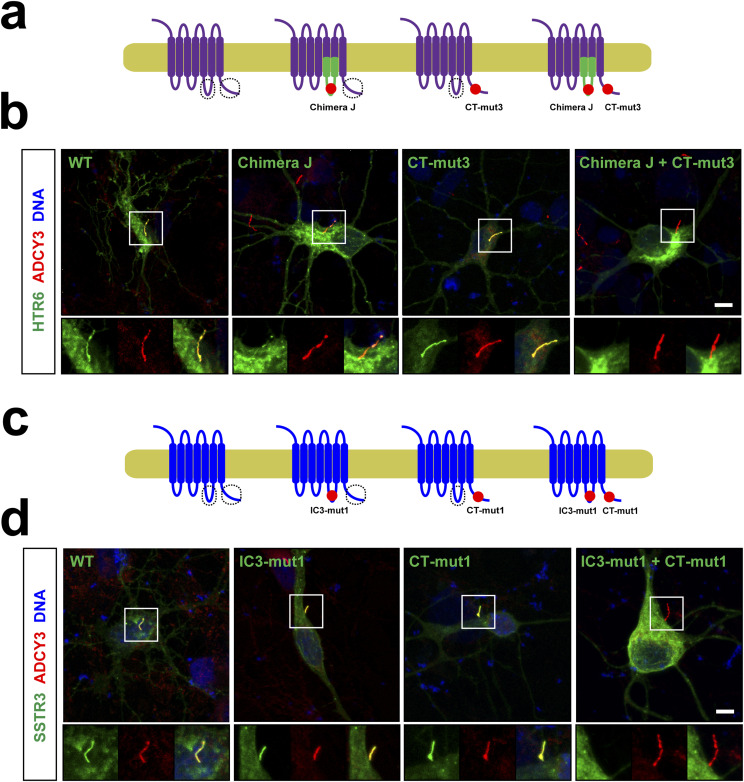
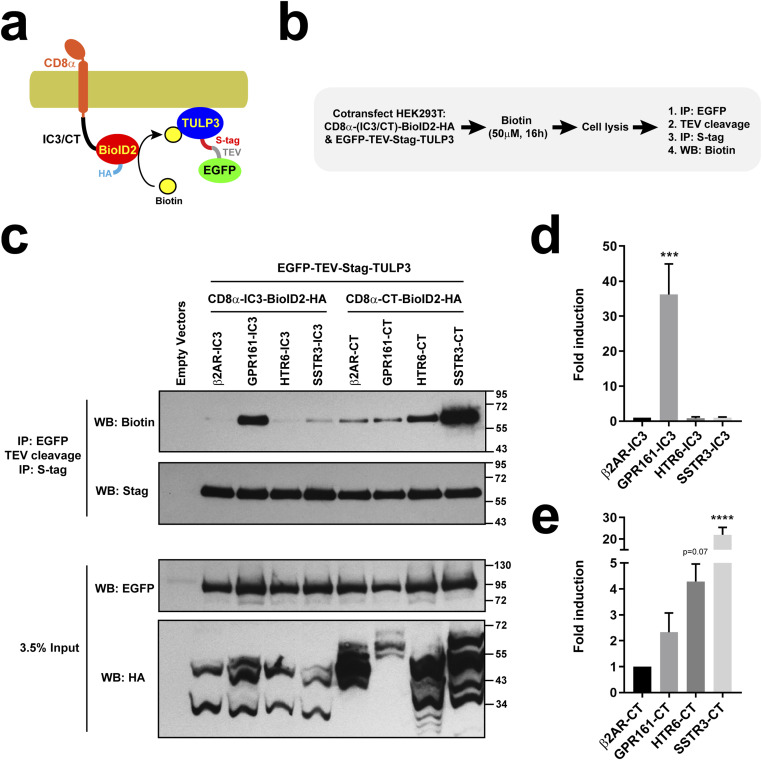
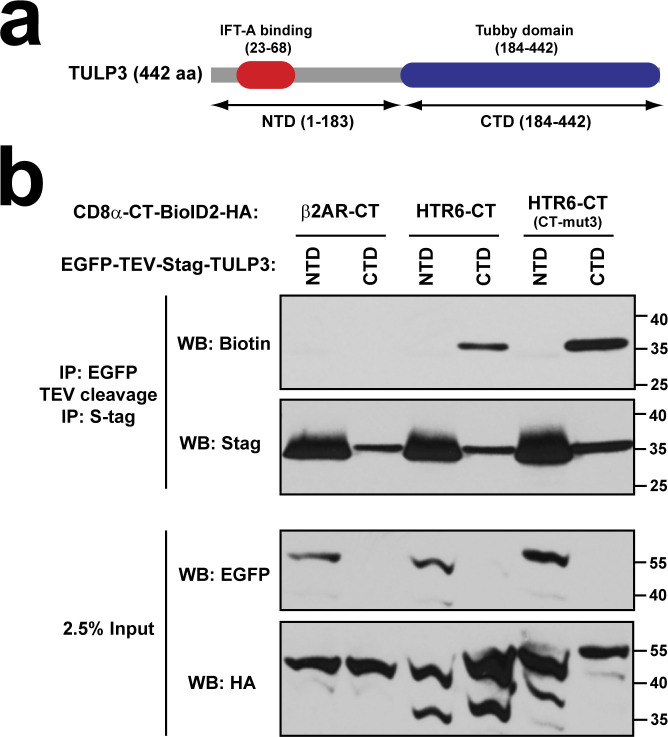
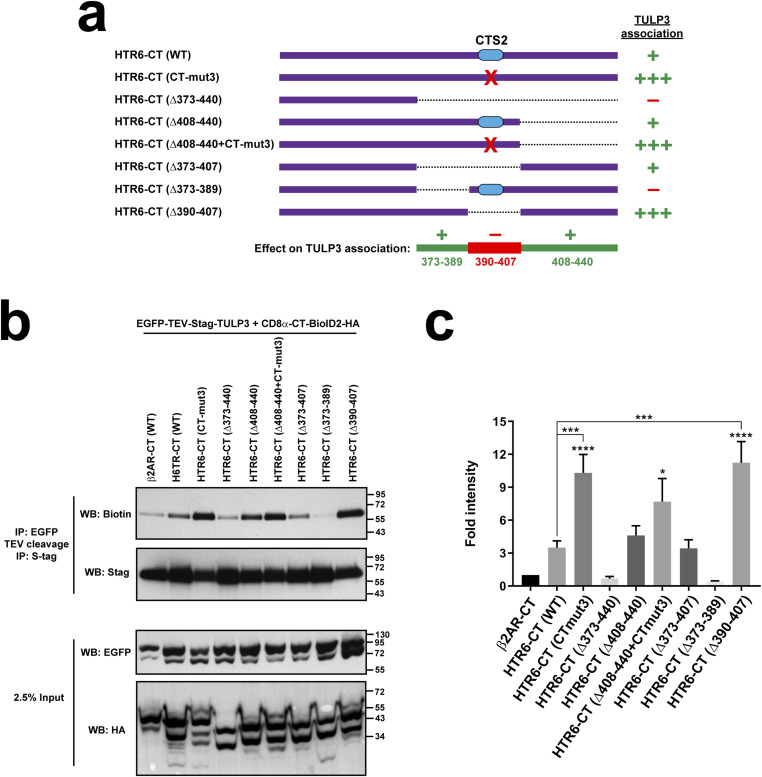
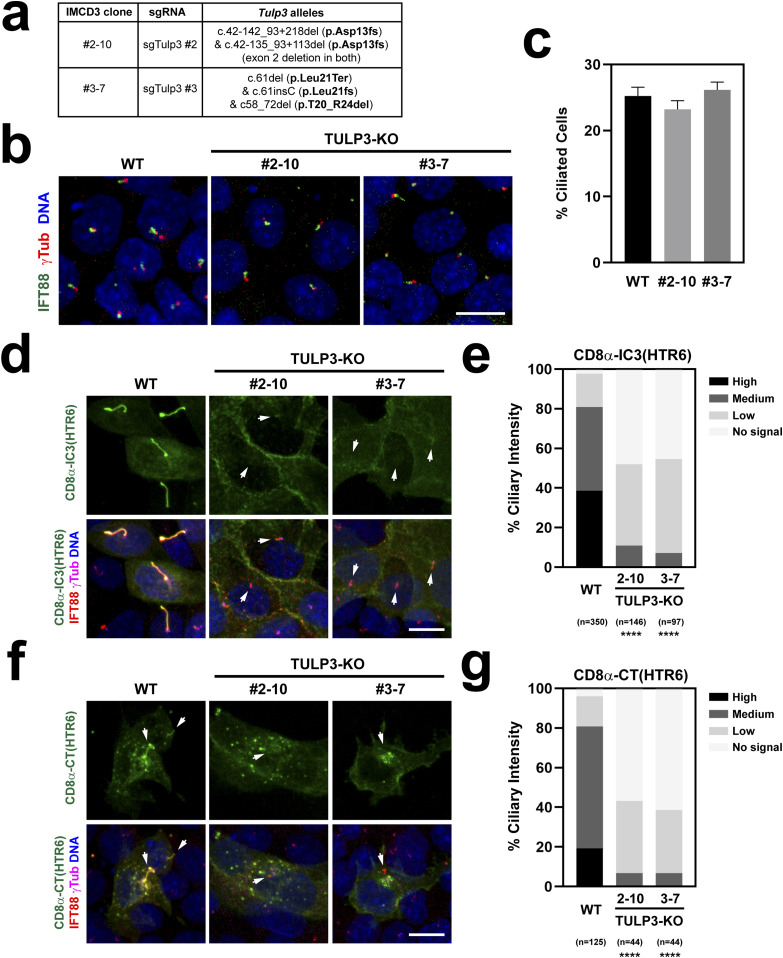
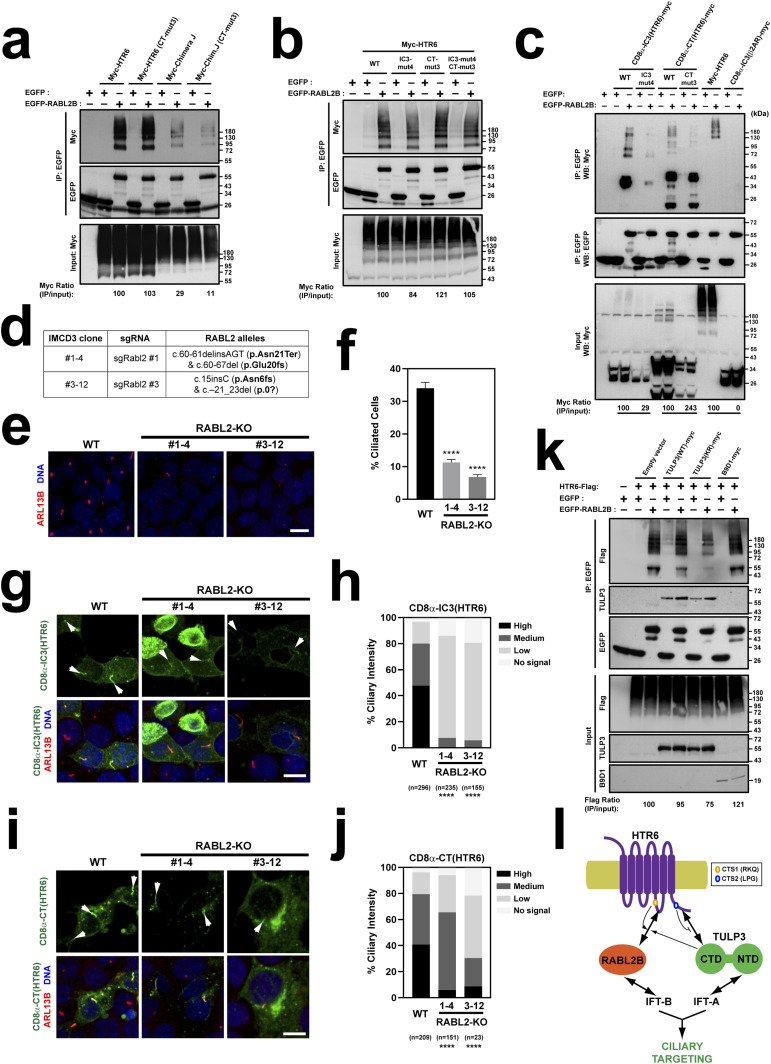
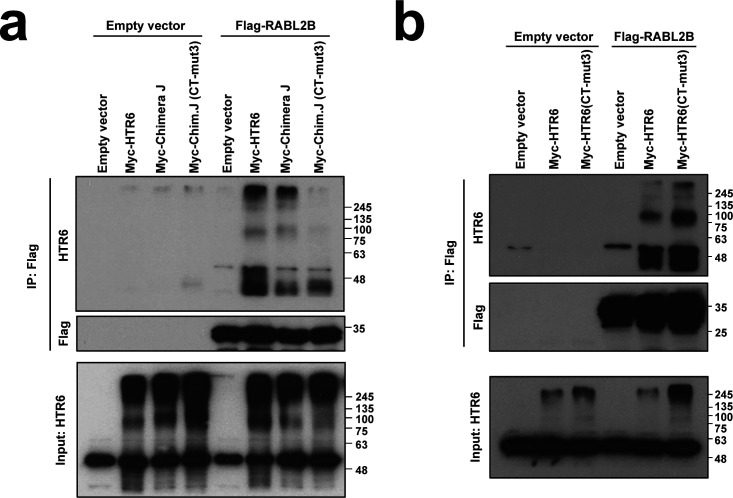
G protein-coupled receptors (GPCRs) are the most common pharmacological target in human clinical practice. To perform their functions, many GPCRs must accumulate inside primary cilia, microtubule-based plasma membrane protrusions working as cellular antennae. Nevertheless, the molecular mechanisms underlying GPCR ciliary targeting remain poorly understood. Serotonin receptor 6 (HTR6) and somatostatin receptor 3 (SSTR3) are two brain-enriched ciliary GPCRs involved in cognition and pathologies such as Alzheimer's disease and cancer. Although the third intracellular loops (IC3) of HTR6 and SSTR3 suffice to target non-ciliary GPCRs to cilia, these IC3s are dispensable for ciliary targeting of HTR6 and SSTR3 themselves, suggesting these GPCRs contain additional ciliary targeting sequences (CTSs). Herein, we discover and characterize novel CTSs in HTR6 and SSTR3 C-terminal tails (CT). These CT-CTSs (CTS2) act redundantly with IC3-CTSs (CTS1), each being sufficient for ciliary targeting. In HTR6, RKQ and LPG motifs are critical for CTS1 and CTS2 function, respectively, whereas in SSTR3 these roles are mostly fulfilled by AP[AS]CQ motifs in IC3 and juxtamembrane residues in CT. Furthermore, we shed light on how these CTSs promote ciliary targeting by modulating binding to ciliary trafficking adapters TULP3 and RABL2.
G 蛋白偶联受体 (GPCRs) 是人类临床实践中最常见的药物靶点。为了发挥其功能,许多 GPCR 必须在内质网中积累,微管基质的质膜突起作为细胞天线。然而,GPCR 纤毛靶向的分子机制仍知之甚少。血清素受体 6 (HTR6) 和生长抑素受体 3 (SSTR3) 是两种富含纤毛的脑内 GPCR,参与认知和阿尔茨海默病和癌症等疾病。虽然 HTR6 和 SSTR3 的第三细胞内环 (IC3) 足以将非纤毛 GPCR 靶向纤毛,但这些 IC3 对于 HTR6 和 SSTR3 自身的纤毛靶向是不必要的,这表明这些 GPCR 包含额外的纤毛靶向序列 (CTS)。在此,我们在 HTR6 和 SSTR3 的 C 端尾部 (CT) 中发现并表征了新的 CTS。这些 CT-CTSs (CTS2) 与 IC3-CTSs (CTS1) 冗余,每个都足以靶向纤毛。在 HTR6 中,RKQ 和 LPG 基序分别对 CTS1 和 CTS2 功能至关重要,而在 SSTR3 中,这些作用主要由 IC3 中的 AP[AS]CQ 基序和 CT 中的跨膜区残基来完成。此外,我们还阐明了这些 CTS 如何通过调节与纤毛运输衔接蛋白 TULP3 和 RABL2 的结合来促进纤毛靶向。