Kim Gang-Un, Chang Min Cheol, Kim Tae Uk, Lee Gun Woo
Department of Orthopaedic Surgery, Hanil General Hospital, Seoul, Korea.
Department of Physical Medicine and Rehabilitation, Yeungnam University College of Medicine, Daegu, Korea.
Asian Spine J. 2020 Dec;14(6):910-920. doi: 10.31616/asj.2020.0593. Epub 2020 Dec 22.
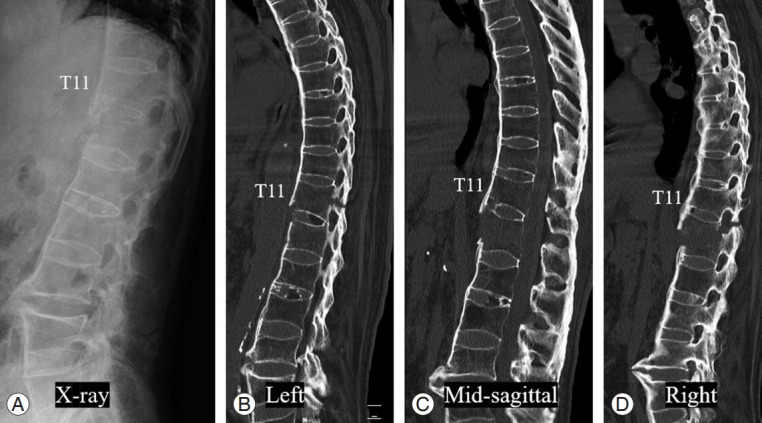
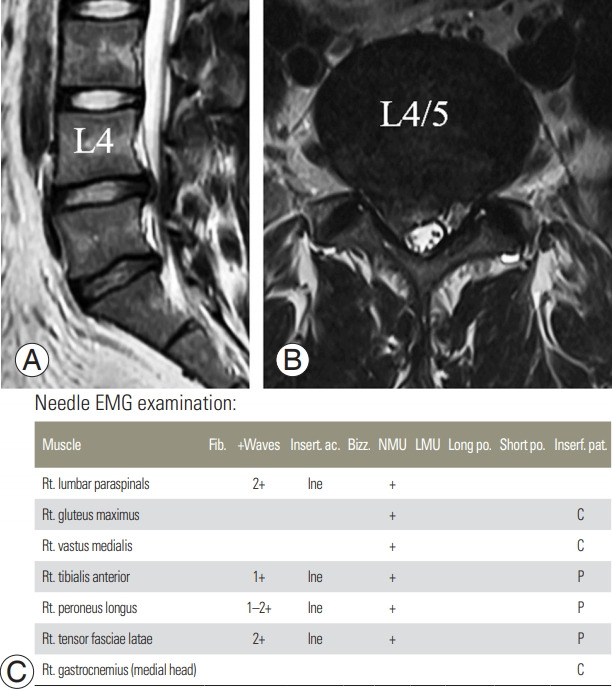
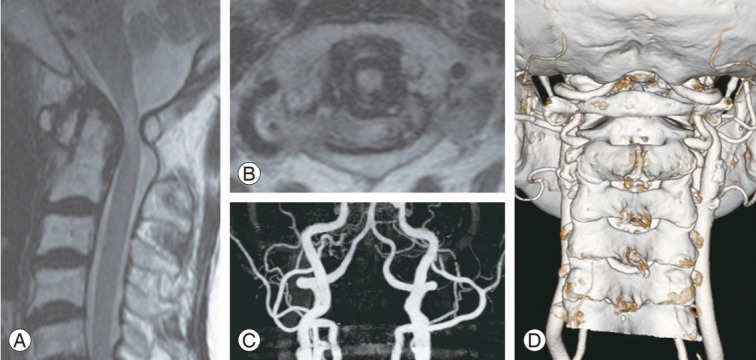
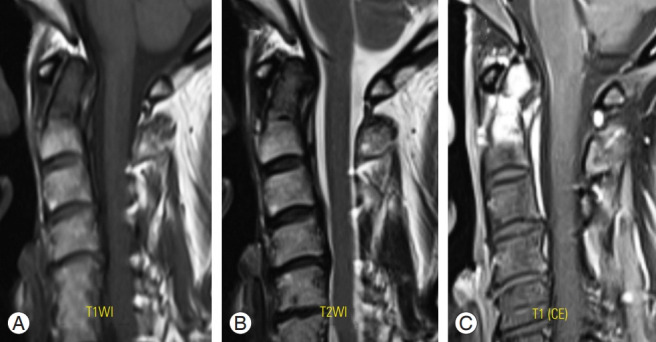
Spine diseases are common and exhibit several causes, including degeneration, trauma, congenital issues, and other specific factors. Most people experience a variety of symptoms of spine diseases during their lifetime that are occasionally managed with conservative or surgical treatments. Accurate diagnosis of the spine pathology is essential for the appropriate management of spine disease, and various imaging modalities can be used for the diagnosis, including radiography, computed tomography (CT), magnetic resonance imaging (MRI), and other studies such as EOS, bone scan, single photon emission CT/CT, and electrophysiologic test. Patient (or case)-specific selection of the diagnostic modality is crucial; thus, we should be aware of basic information and approaches of the diagnostic modalities. In this review, we discuss in detail, about diagnostic modalities (radiography, CT, MRI, electrophysiologic study, and others) that are widely used for spine disease.
脊柱疾病很常见,有多种病因,包括退变、创伤、先天性问题以及其他特定因素。大多数人在一生中会经历各种脊柱疾病症状,这些症状偶尔通过保守治疗或手术治疗来处理。准确诊断脊柱病变对于脊柱疾病的恰当管理至关重要,各种成像方式可用于诊断,包括X线摄影、计算机断层扫描(CT)、磁共振成像(MRI)以及其他检查,如EOS、骨扫描、单光子发射CT/CT和电生理检查。针对患者(或病例)选择特定的诊断方式至关重要;因此,我们应该了解诊断方式的基本信息和方法。在本综述中,我们详细讨论广泛用于脊柱疾病的诊断方式(X线摄影、CT、MRI、电生理检查等)。