Department of Dermatology, The Affiliated Hospital of Xuzhou Medical University, Xuzhou 221002, People's Republic of China.
Department of Dermatology, The Affiliated Huai'an Hospital of Xuzhou Medical University, The Second People's Hospital of Huai'an, Huai'an 223002, People's Republic of China.
Int J Nanomedicine. 2020 Dec 22;15:10401-10416. doi: 10.2147/IJN.S283515. eCollection 2020.
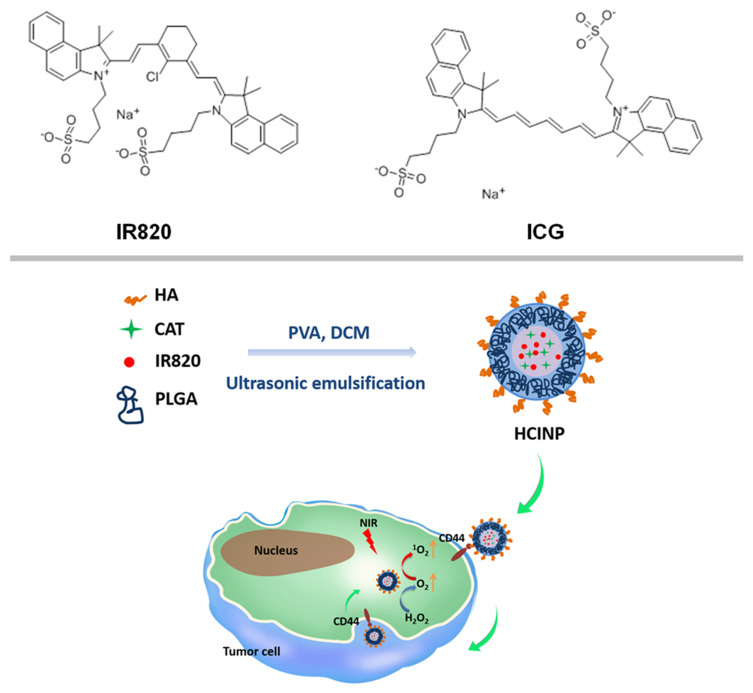
Nanotechnology-based photodynamic therapy (PDT) is a relatively new anti-tumor strategy. However, its efficacy is limited by the hypoxic state in the tumor microenvironment. In the present study, a poly(lactic-co-glycolic acid) (PLGA) nanoparticle that encapsulated both IR820 and catalase (CAT) was developed to enhance anti-tumor therapy.
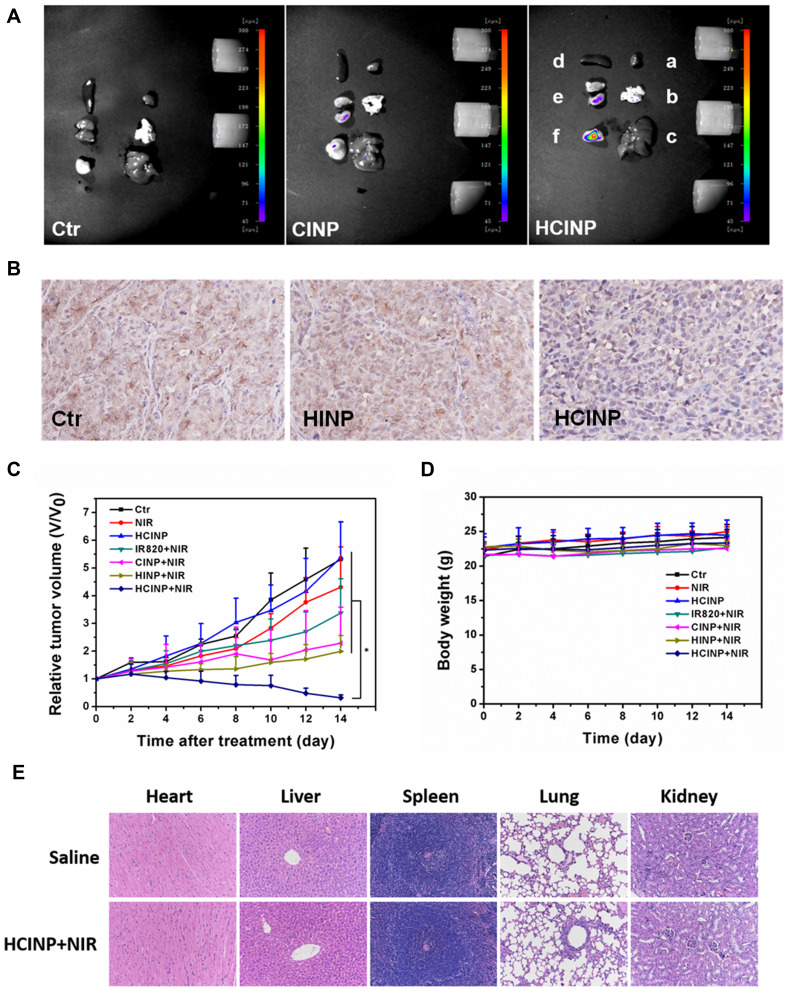
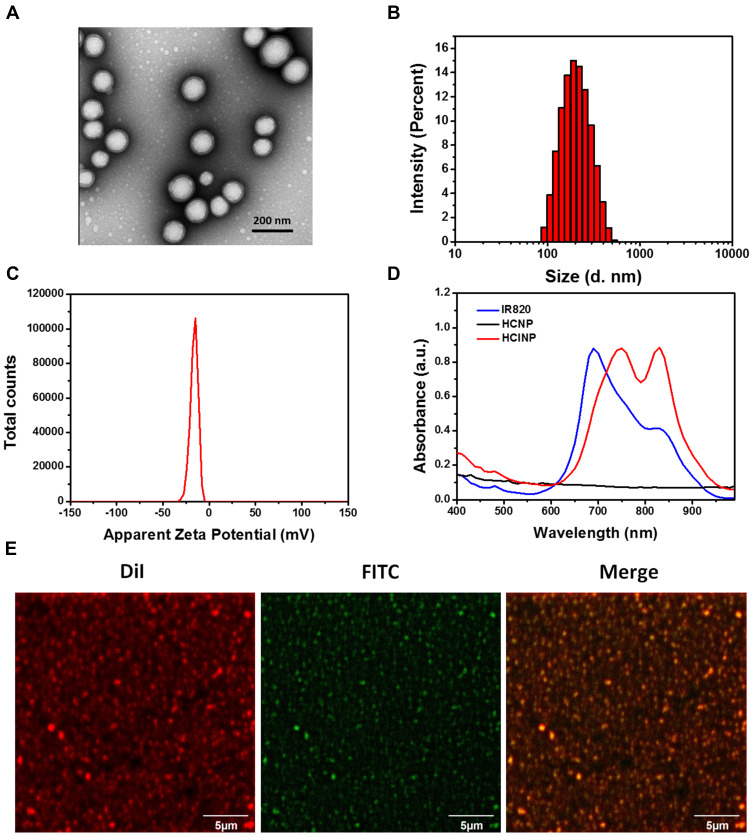
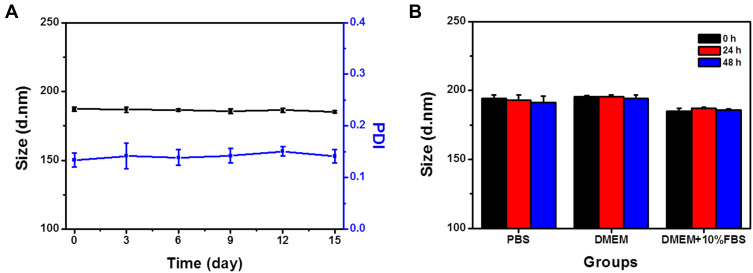
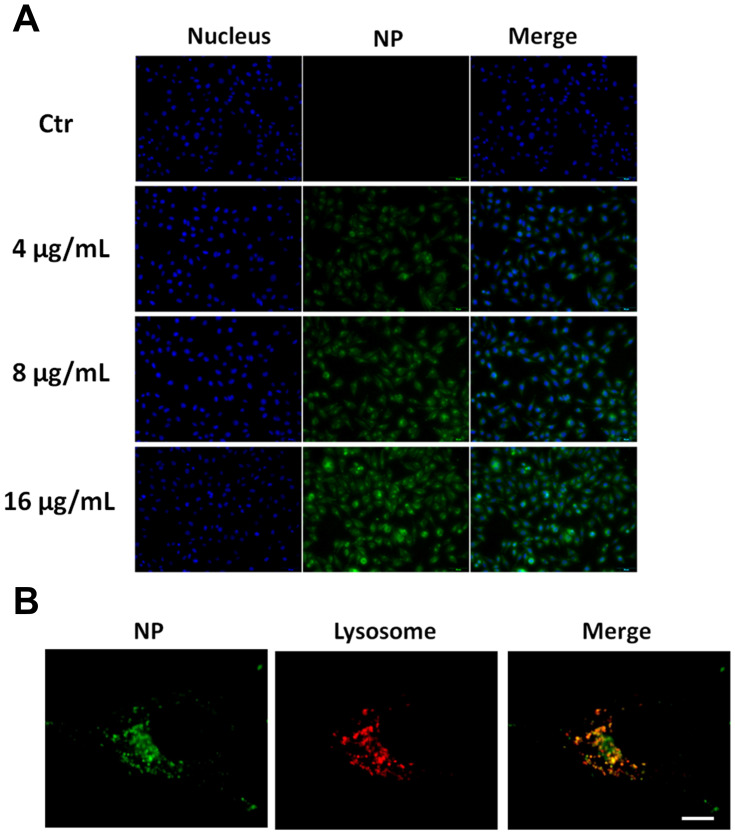
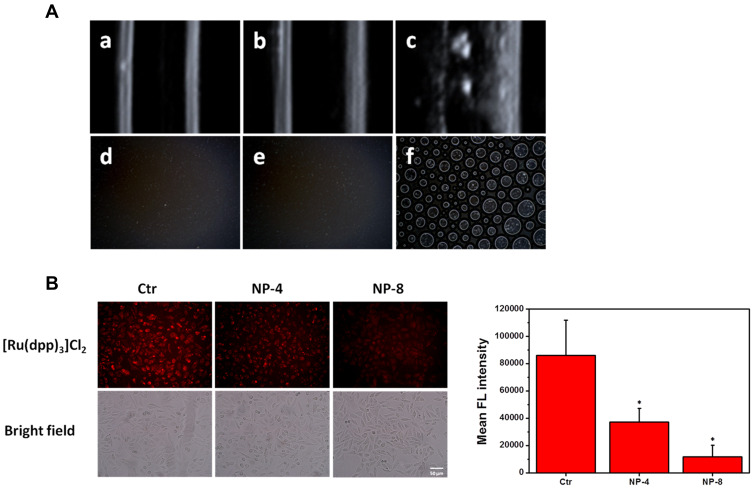
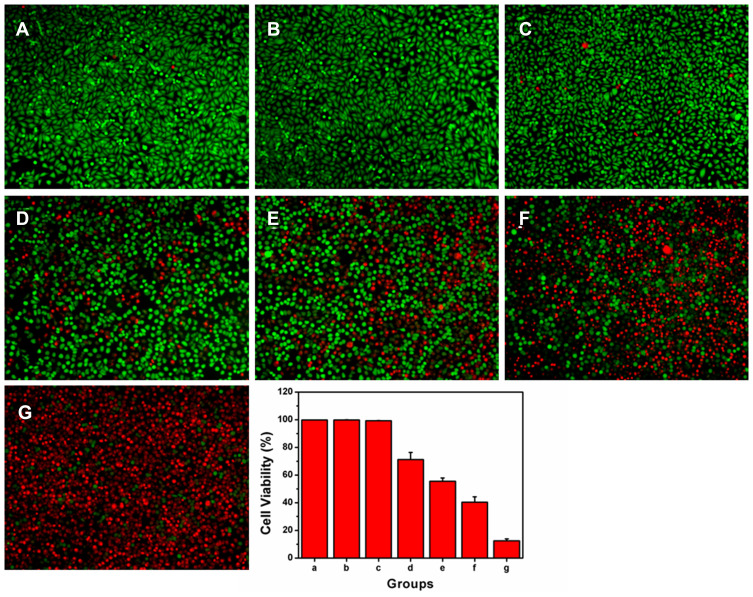
HA-PLGA-CAT-IR820 nanoparticles (HCINPs) were fabricated via a double emulsion solvent evaporation method. Dynamic light scattering (DLS), transmission electron microscopy (TEM), laser scanning confocal microscopy, and an ultraviolet spectrophotometer were used to identify and characterize the nanoparticles. The stability of the nanoparticle was investigated by DLS via monitoring the sizes and polydispersity indexes (PDIs) in water, PBS, DMEM, and DMEM+10%FBS. Oxygen generation measurement was carried out via visualizing the oxygen bubbles with ultrasound imaging system and an optical microscope. Inverted fluorescence microscopy and flow cytometry were used to measure the uptake and targeting effect of the fluorescent-labeled nanoparticles. The live-dead method and tumor-bearing mouse models were applied to study the HCINP-induced enhanced PDT effect.
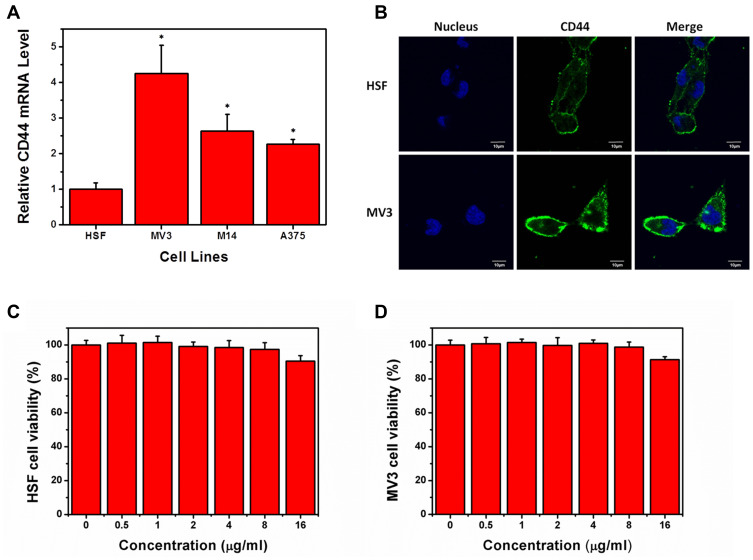
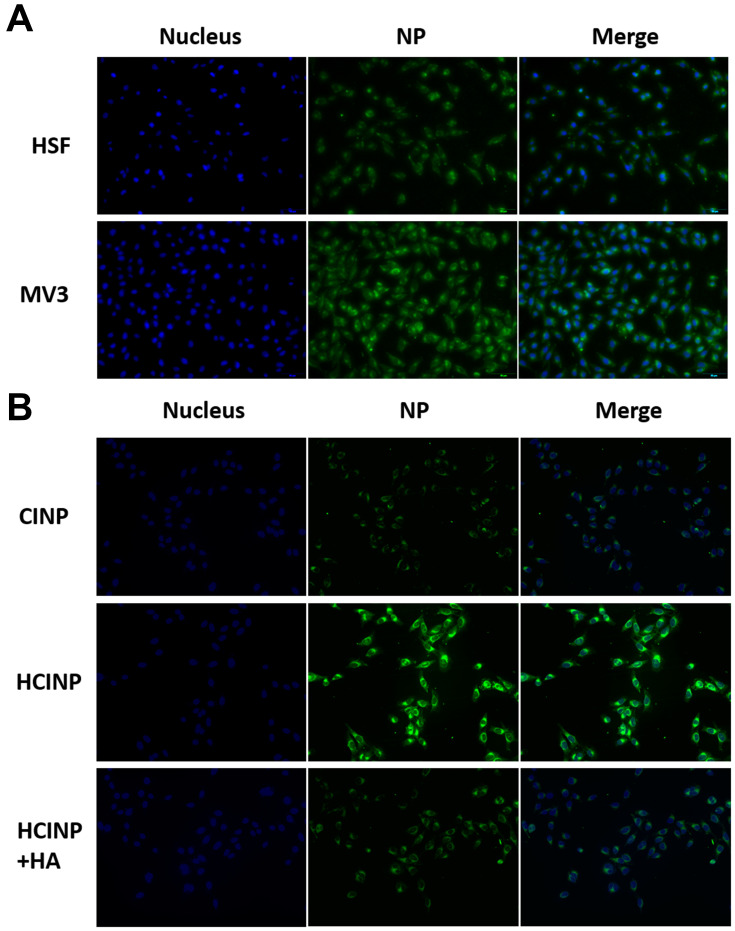
The results showed that the HCINPs could selectively target melanoma cells with high expression of CD44, and generated oxygen by catalyzing HO, which increased the amount of singlet oxygen, ultimately inhibiting tumor growth significantly.
The present study presents a novel nanoplatform for melanoma treatment.
基于纳米技术的光动力疗法(PDT)是一种相对较新的抗肿瘤策略。然而,其疗效受到肿瘤微环境缺氧状态的限制。本研究开发了一种同时包裹 IR820 和过氧化氢酶(CAT)的聚(乳酸-共-乙醇酸)(PLGA)纳米颗粒,以增强抗肿瘤治疗效果。
通过双重乳液溶剂蒸发法制备透明质酸-PLGA-CAT-IR820 纳米颗粒(HCINPs)。动态光散射(DLS)、透射电子显微镜(TEM)、激光共聚焦显微镜和紫外分光光度计用于鉴定和表征纳米颗粒。通过 DLS 监测纳米颗粒在水中、PBS、DMEM 和 DMEM+10%FBS 中的粒径和多分散指数(PDI)来研究纳米颗粒的稳定性。通过超声成像系统和光学显微镜可视化氧气气泡来进行氧气生成测量。倒置荧光显微镜和流式细胞术用于测量荧光标记纳米颗粒的摄取和靶向效果。采用死活法和荷瘤小鼠模型研究 HCINP 诱导的增强 PDT 效应。
结果表明,HCINPs 可以选择性地靶向 CD44 高表达的黑色素瘤细胞,并通过催化 HO 产生氧气,增加单线态氧的数量,最终显著抑制肿瘤生长。
本研究提出了一种用于治疗黑色素瘤的新型纳米平台。