Kong Siming, Peng Yong, Chen Wei, Ma Xinyi, Wei Yuan, Zhao Yangyu, Li Rong, Qiao Jie, Yan Liying
Center for Reproductive Medicine, Department of Obstetrics and Gynecology, Peking University Third Hospital, Beijing, China.
Key Laboratory of Assisted Reproduction (Peking University), Ministry of Education, Beijing, China.
Clin Transl Med. 2020 Dec;10(8):e234. doi: 10.1002/ctm2.234.
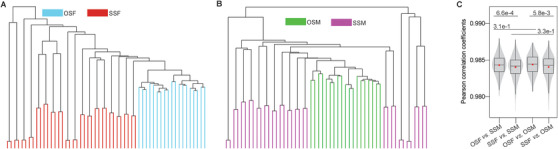
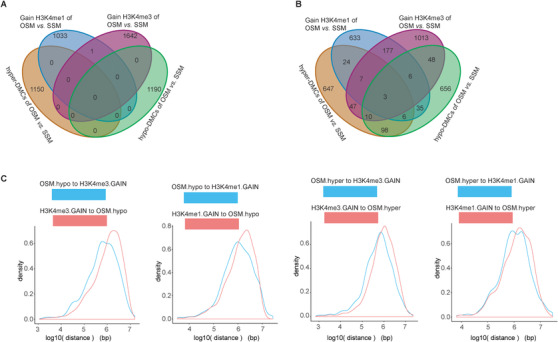
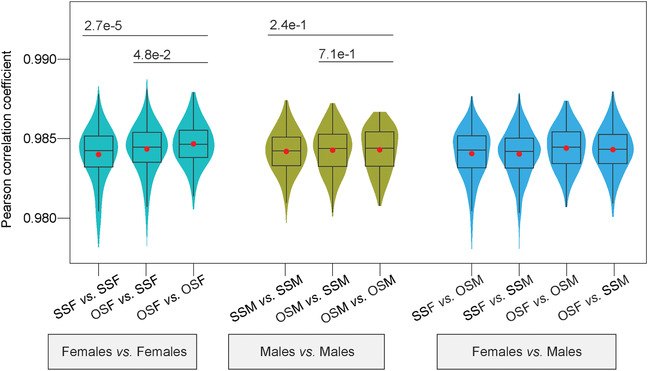
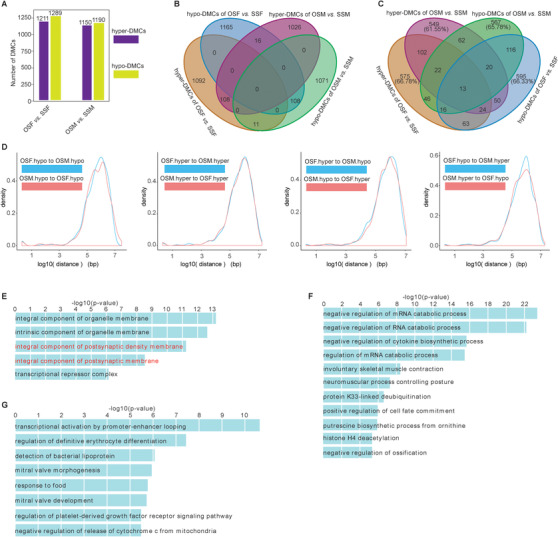
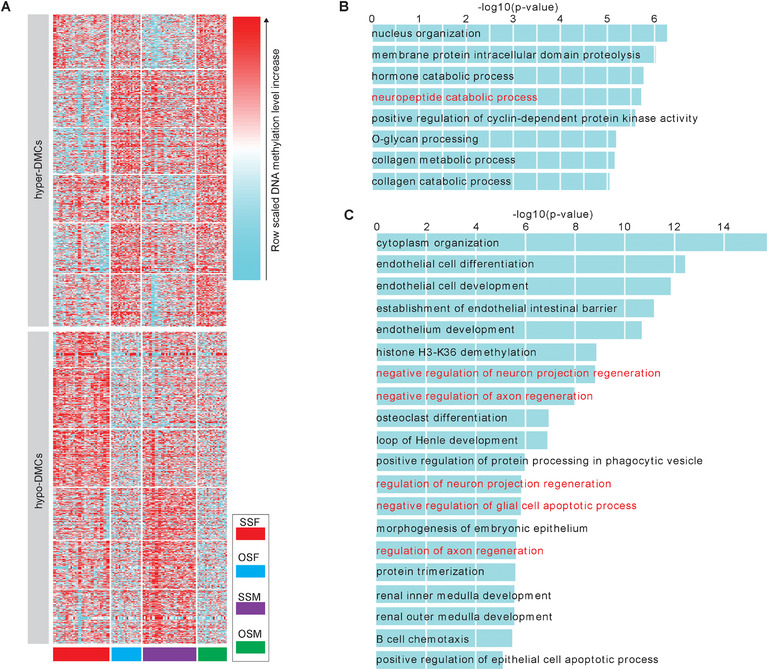
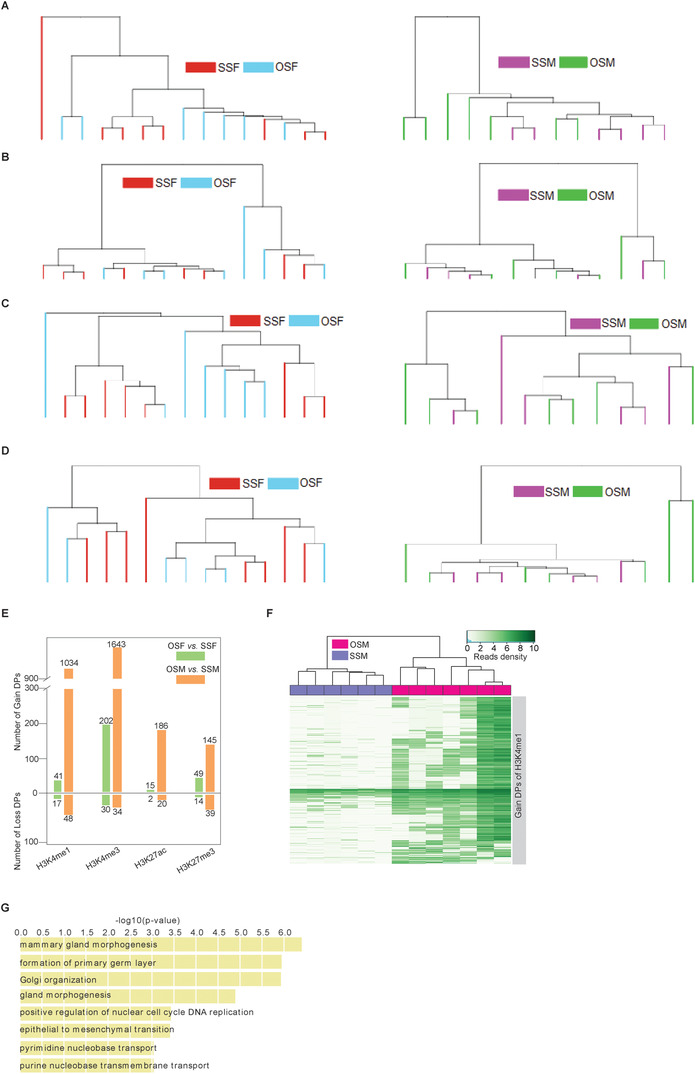
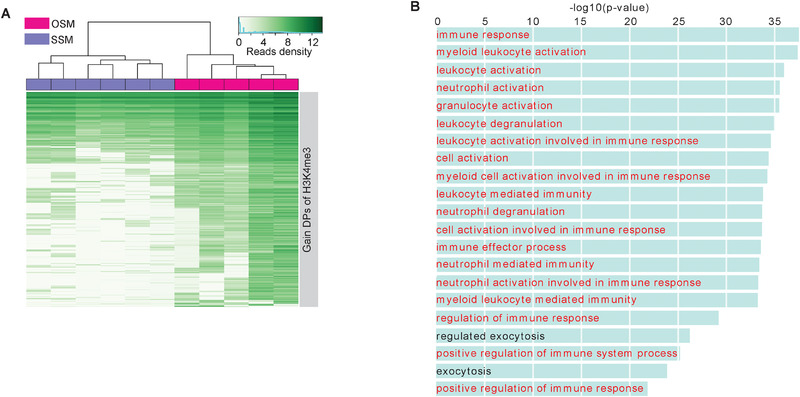
Previous studies reported inconsistent evidence about some phenotypic traits of females in human opposite-sex twins (opposite-sex females [OSF]) being distinct from females in same-sex twins (SSF). Comparatively, less evidence showed significant differences between males in OS twins (opposite-sex males [OSM]) and males in same-sex twins (SSM). The twin testosterone transfer hypothesis suggests that prenatal exposure of testosterone in utero may be a possible explanation for the differential traits in OSF; however, the underlying mechanism is unknown. Here, we investigated the potential epigenetic effects of hormone interactions and their correlation to the observed phenotypic traits. In the study, DNA methylomic data from 54 newborn twins and histone modification data (H3K4me3, H3K4me1, H3K27me3, and H3K27ac) from 14 newborn twins, including same-sex females (SSF), OS twins, and same-sex males (SSM) were generated. We found that OSF were clearly distinguishable from SSF by DNA methylome, while OSM were distinguishable from SSM by H3K4me1 and H3K4me3. To be more specific, compared to SSF, OSF showed a stronger correlation to males (OSM and SSM) in genome-wide DNA methylation. Further, the DNA methylomic differences between OSF and SSF were linked to the process involving cognitive functions and nervous system regulation. The differential H3K4me3 between OSM and SSM was linked to immune responses. These findings provide epigenetic evidence for the twin testosterone transfer hypothesis and offer novel insights on how prenatal hormone exposure in utero may be linked to the reported differential traits of OS twins.
先前的研究报告了一些相互矛盾的证据,表明人类异性双胞胎中的女性(异性女性[OSF])的某些表型特征与同性双胞胎中的女性(SSF)不同。相比之下,较少有证据表明异性双胞胎中的男性(异性男性[OSM])与同性双胞胎中的男性(SSM)之间存在显著差异。双胞胎睾酮转移假说表明,子宫内睾酮的产前暴露可能是OSF中差异特征的一个可能解释;然而,其潜在机制尚不清楚。在这里,我们研究了激素相互作用的潜在表观遗传效应及其与观察到的表型特征的相关性。在这项研究中,生成了来自54对新生儿双胞胎的DNA甲基化组数据和来自14对新生儿双胞胎的组蛋白修饰数据(H3K4me3、H3K4me1、H3K27me3和H3K27ac),包括同性女性(SSF)、异性双胞胎和同性男性(SSM)。我们发现,通过DNA甲基化组,OSF与SSF明显可区分,而通过H3K4me1和H3K4me3,OSM与SSM可区分。更具体地说,与SSF相比,OSF在全基因组DNA甲基化方面与男性(OSM和SSM)表现出更强的相关性。此外,OSF和SSF之间的DNA甲基化差异与涉及认知功能和神经系统调节的过程有关。OSM和SSM之间H3K4me3的差异与免疫反应有关。这些发现为双胞胎睾酮转移假说提供了表观遗传证据,并为子宫内产前激素暴露如何与报道的OS双胞胎的差异特征相关联提供了新的见解。