Laboratory of Applied Immunology, Department of Cellular Biology, Institute of Biological Sciences, University of Brasília, Brazil.
Institute of Microbiology and Infection and School of Biosciences, University of Birmingham, Edgbaston, UK B15 2TT.
Mediators Inflamm. 2020 Dec 3;2020:3412763. doi: 10.1155/2020/3412763. eCollection 2020.
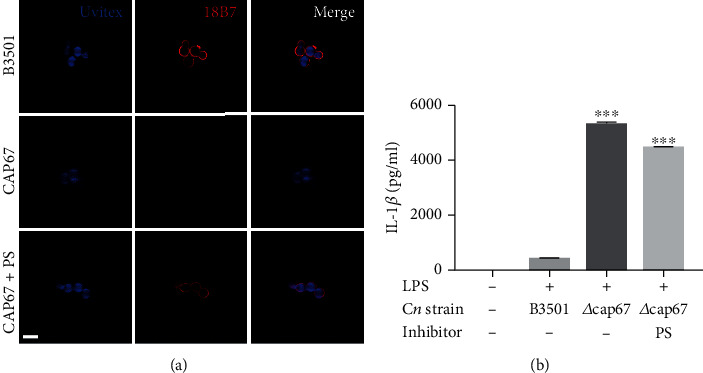
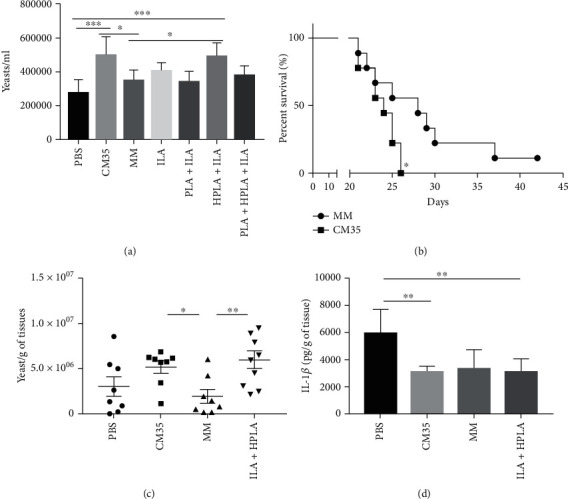
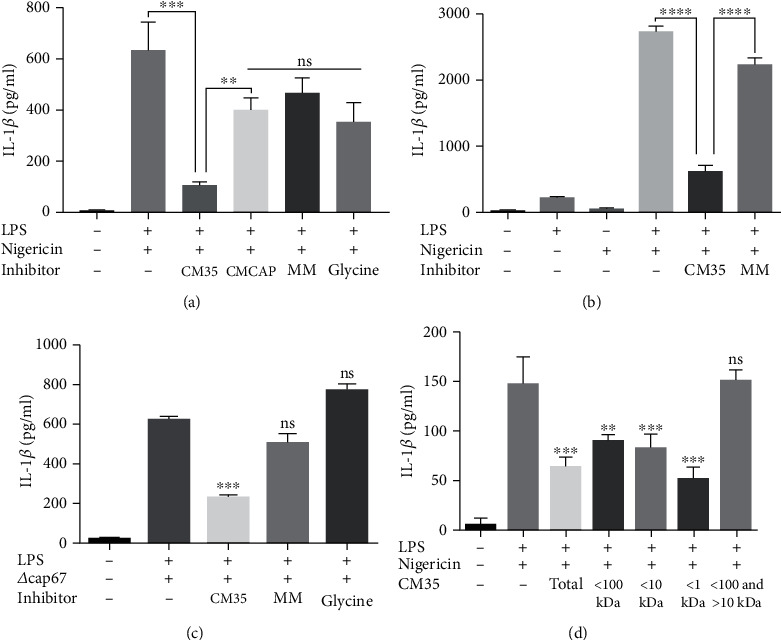
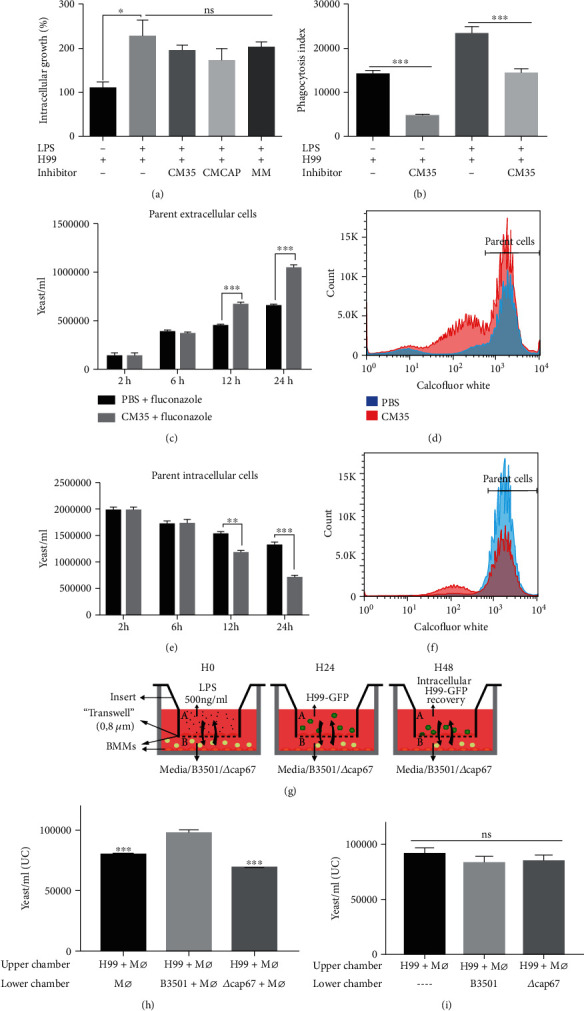
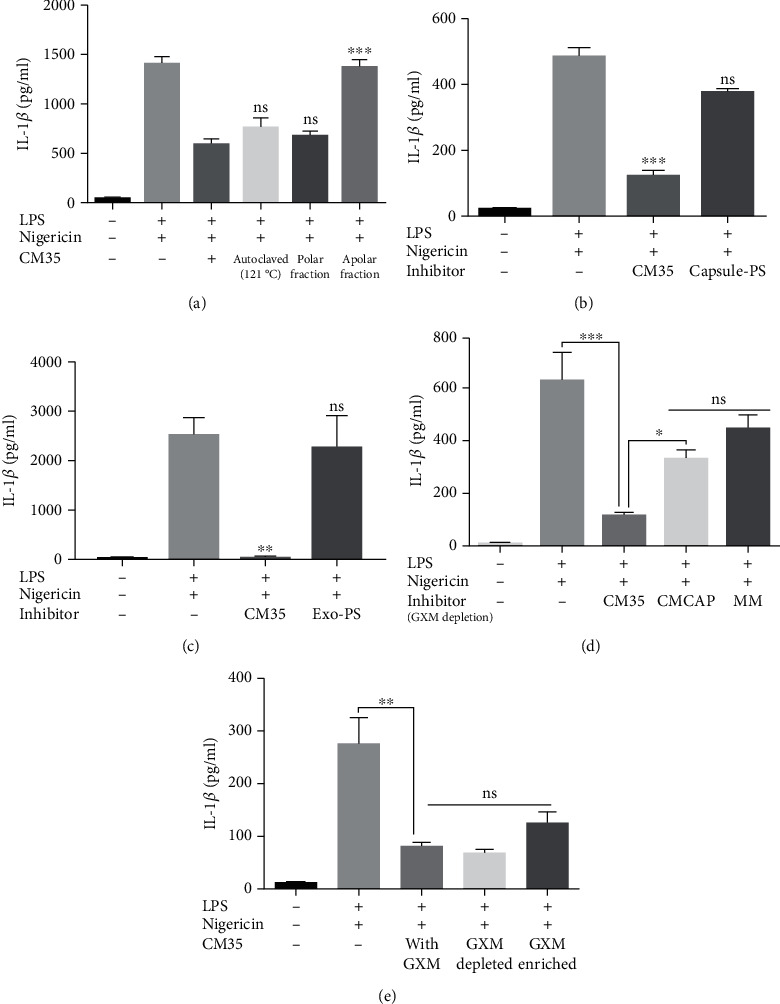
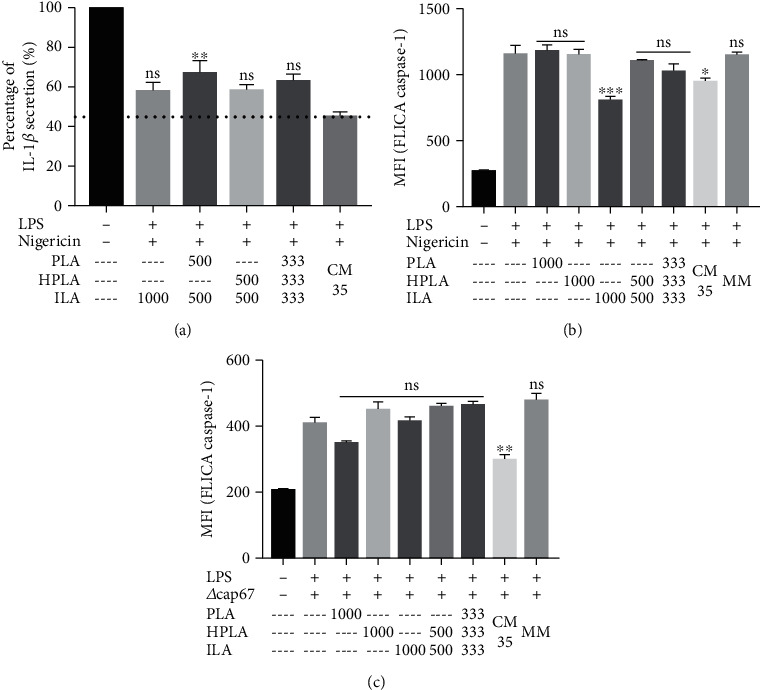
is an encapsulated yeast that causes disease mainly in immunosuppressed hosts. It is considered a facultative intracellular pathogen because of its capacity to survive and replicate inside phagocytes, especially macrophages. This ability is heavily dependent on various virulence factors, particularly the glucuronoxylomannan (GXM) component of the polysaccharide capsule. Inflammasome activation in phagocytes is usually protective against fungal infections, including cryptococcosis. Nevertheless, recognition of by inflammasome receptors requires specific changes in morphology or the opsonization of the yeast, impairing proper inflammasome function. In this context, we analyzed the impact of molecules secreted by B3501 strain and its acapsular mutant in inflammasome activation in an model. Our results showed that conditioned media derived from B3501 was capable of inhibiting inflammasome-dependent events (i.e., IL-1 secretion and LDH release via pyroptosis) more strongly than conditioned media from , regardless of GXM presence. We also demonstrated that macrophages treated with conditioned media were less responsive against infection with the virulent strain H99, exhibiting lower rates of phagocytosis, increased fungal burdens, and enhanced vomocytosis. Moreover, we showed that the aromatic metabolite DL-Indole-3-lactic acid (ILA) and DL-p-Hydroxyphenyllactic acid (HPLA) were present in B3501's conditioned media and that ILA alone or with HPLA is involved in the regulation of inflammasome activation by . These results were confirmed by experiments, where exposure to conditioned media led to higher fungal burdens in culture as well as in higher fungal loads in the lungs of infected mice. Overall, the results presented show that conditioned media from a wild-type strain can inhibit a vital recognition pathway and subsequent fungicidal functions of macrophages, contributing to fungal survival and and suggesting that secretion of aromatic metabolites, such as ILA, during cryptococcal infections fundamentally impacts pathogenesis.
荚膜组织胞浆菌是一种被囊酵母,主要引起免疫抑制宿主的疾病。由于其能够在吞噬细胞内生存和复制,特别是在巨噬细胞内,荚膜组织胞浆菌被认为是一种兼性细胞内病原体。这种能力严重依赖于各种毒力因子,特别是多糖荚膜的葡聚糖-壳聚糖(GXM)成分。吞噬细胞中的炎症小体激活通常对真菌感染具有保护作用,包括隐球菌病。然而,炎症小体受体对 的识别需要酵母形态的特定变化或酵母的调理作用,从而损害适当的炎症小体功能。在这种情况下,我们分析了 B3501 株及其无荚膜突变株分泌的分子对 模型中炎症小体激活的影响。我们的结果表明,B3501 衍生的条件培养基比 衍生的条件培养基更能抑制炎症小体依赖性事件(即通过细胞焦亡导致的 IL-1 分泌和 LDH 释放),而与 GXM 的存在无关。我们还证明,用条件培养基处理的巨噬细胞对毒力菌株 H99 的感染反应性较低,表现出较低的吞噬率、更高的真菌负荷和增强的细胞外吐作用。此外,我们表明,芳香代谢物 DL-吲哚-3-乳酸(ILA)和 DL-对羟基苯乳酸(HPLA)存在于 B3501 的条件培养基中,并且 ILA 单独或与 HPLA 参与 对炎症小体激活的调节。这些结果通过 实验得到了证实,暴露于条件培养基导致 培养物中的真菌负荷增加以及感染小鼠肺部的真菌负荷增加。总的来说,所呈现的结果表明,野生型菌株的条件培养基可以抑制巨噬细胞的重要识别途径和随后的杀菌功能,有助于真菌的存活和 ,并表明芳香代谢物如 ILA 的分泌在隐球菌感染期间从根本上影响发病机制。