Fonteh Alfred N, Chiang Abby J, Arakaki Xianghong, Edminster Sarah P, Harrington Michael G
Huntington Medical Research Institutes, Pasadena, CA, United States.
Front Neurosci. 2020 Dec 16;14:611393. doi: 10.3389/fnins.2020.611393. eCollection 2020.
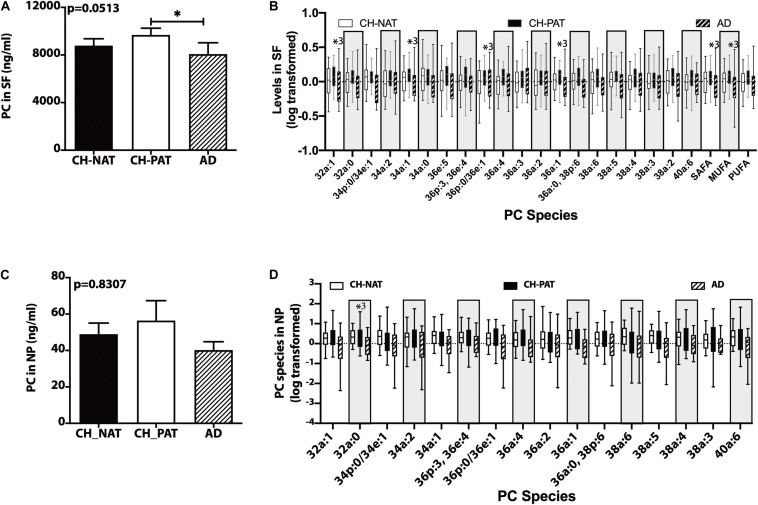
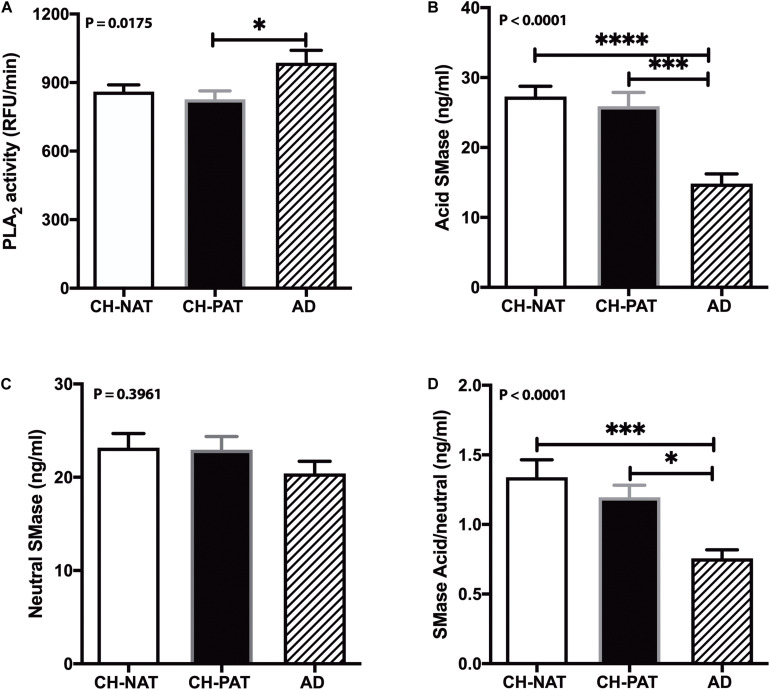
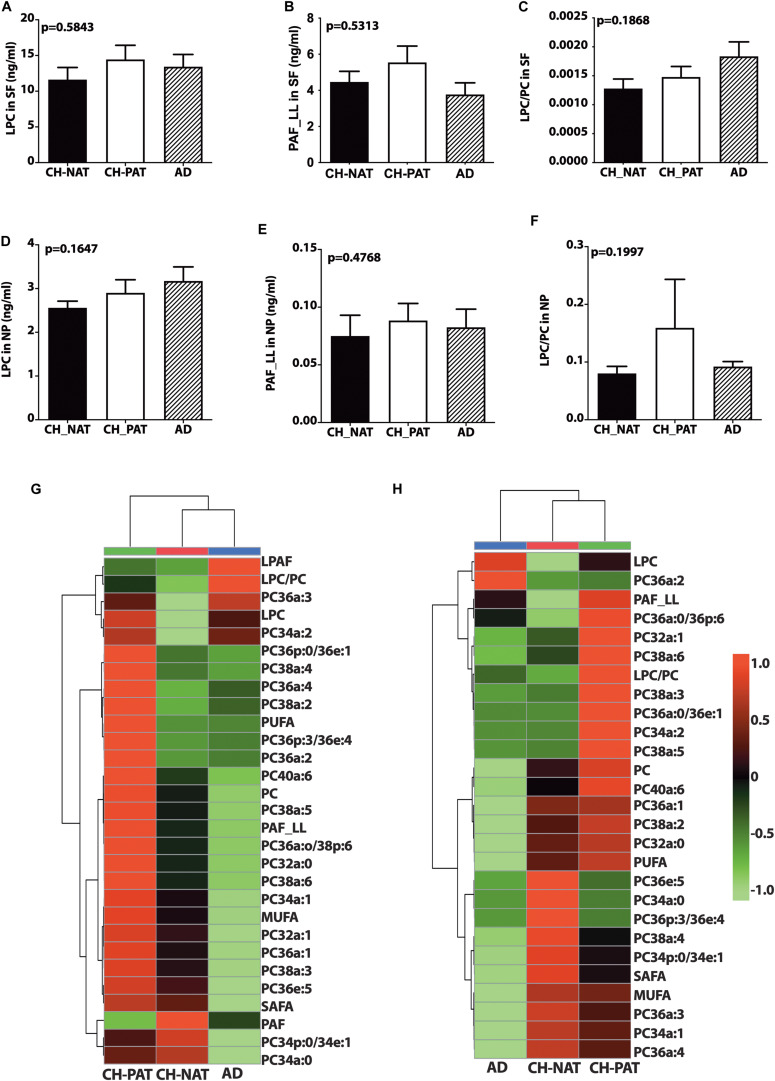
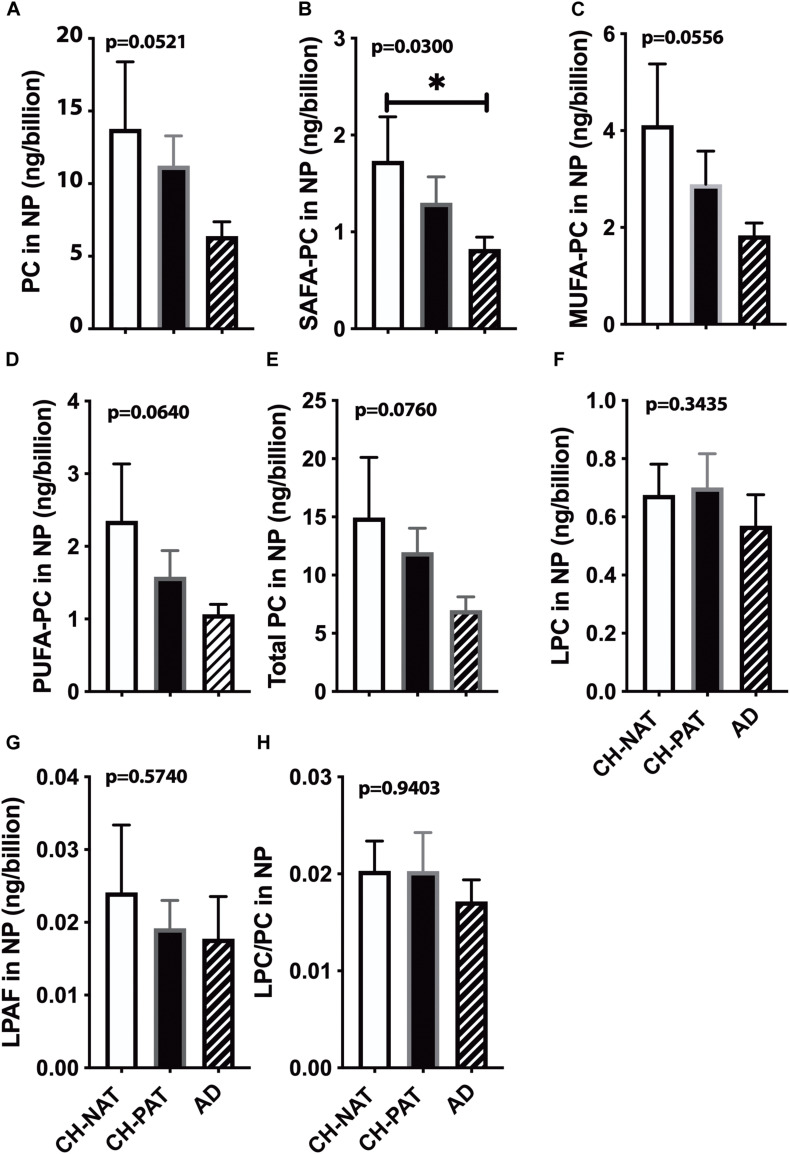
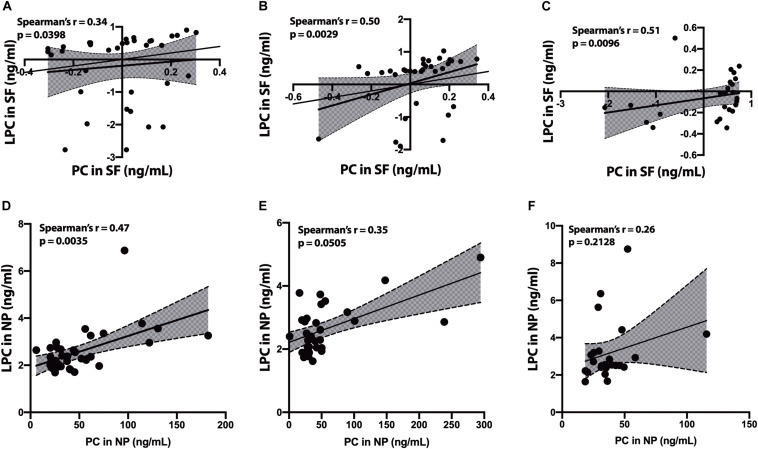
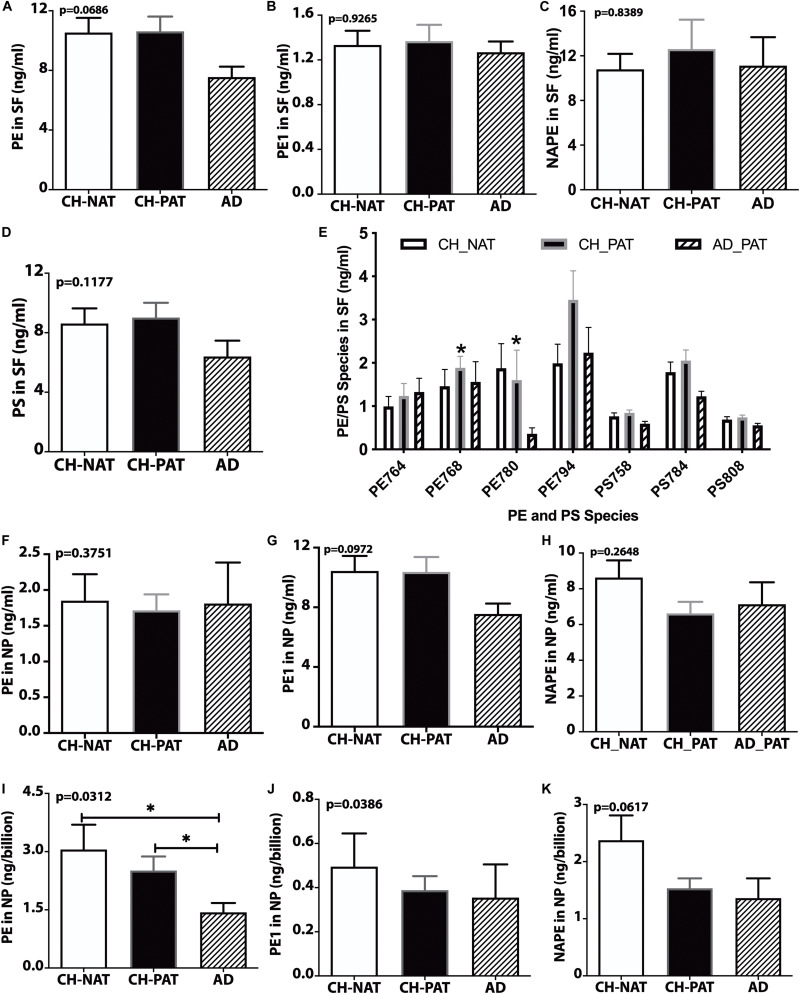
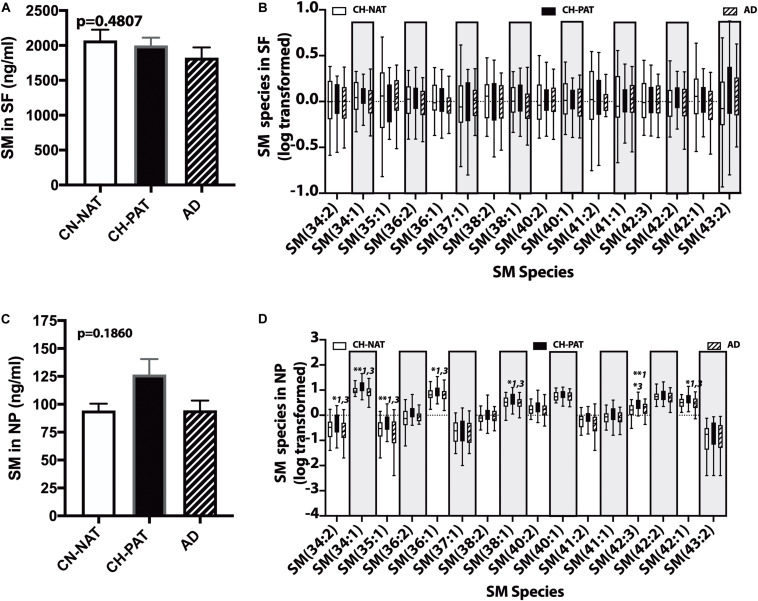
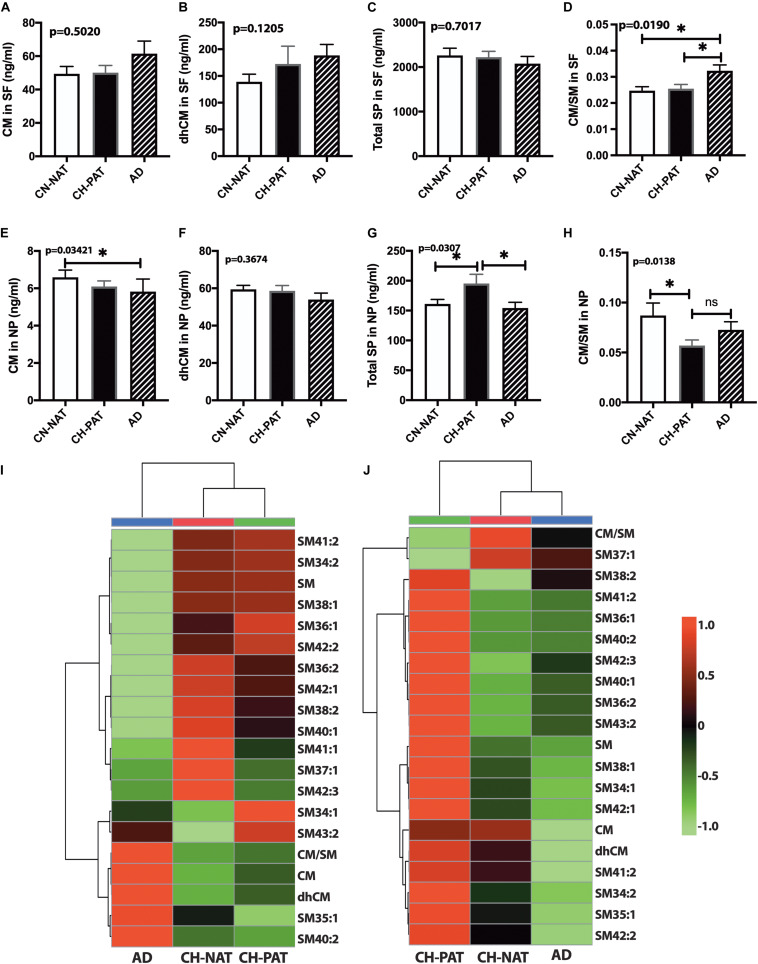
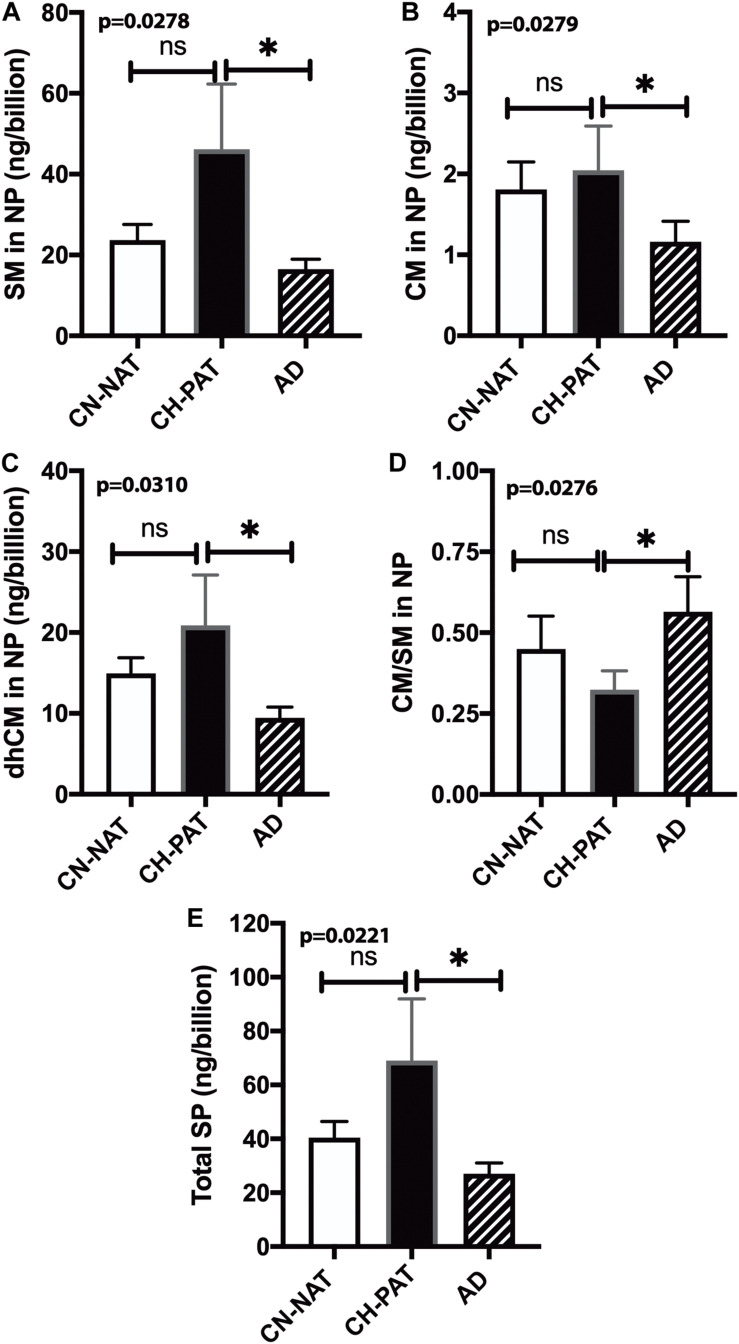
Insight into lipids' roles in Alzheimer's disease (AD) pathophysiology is limited because brain membrane lipids have not been characterized in cognitively healthy (CH) individuals. Since age is a significant risk factor of AD, we hypothesize that aging renders the amyloid precursor protein (APP) more susceptible to abnormal processing because of deteriorating membrane lipids. To reflect brain membranes, we studied their lipid components in cerebrospinal fluid (CSF) and brain-derived CSF nanoparticle membranes. Based on CSF Aβ/Tau levels established biomarkers of AD, we define a subset of CH participants with normal Aβ/Tau (CH-NAT) and another group with abnormal or pathological Aβ/Tau (CH-PAT). We report that glycerophospholipids are differentially metabolized in the CSF supernatant fluid and nanoparticle membrane fractions from CH-NAT, CH-PAT, and AD participants. Phosphatidylcholine molecular species from the supernatant fraction of CH-PAT were higher than in the CH-NAT and AD participants. Sphingomyelin levels in the supernatant fraction were lower in the CH-PAT and AD than in the CH-NAT group. The decrease in sphingomyelin corresponded with an increase in ceramide and dihydroceramide and an increase in the ceramide to sphingomyelin ratio in AD. In contrast to the supernatant fraction, sphingomyelin is higher in the nanoparticle fraction from the CH-PAT group, accompanied by lower ceramide and dihydroceramide and a decrease in the ratio of ceramide to sphingomyelin in CH-PAT compared with CH-NAT. On investigating the mechanism for the lipid changes in AD, we observed that phospholipase A (PLA) activity was higher in the AD group than the CH groups. Paradoxically, acid and neutral sphingomyelinase (SMase) activities were lower in AD compared to the CH groups. Considering external influences on lipids, the clinical groups did not differ in their fasting blood lipids or dietary lipids, consistent with the CSF lipid changes originating from brain pathophysiology. The lipid accumulation in a prodromal AD biomarker positive stage identifies perturbation of lipid metabolism and disturbances in APP/Amyloid beta (Aβ) as early events in AD pathophysiology. Our results identify increased lipid turnover in CH participants with AD biomarkers, switching to a predominantly lipolytic state in dementia. This knowledge may be useful for targeting and testing new AD treatments.
对脂质在阿尔茨海默病(AD)病理生理学中作用的了解有限,因为尚未对认知健康(CH)个体的脑膜脂质进行表征。由于年龄是AD的一个重要风险因素,我们推测衰老使淀粉样前体蛋白(APP)更容易受到异常加工的影响,原因是膜脂质恶化。为了反映脑膜,我们研究了脑脊液(CSF)和脑源性脑脊液纳米颗粒膜中的脂质成分。基于脑脊液Aβ/Tau水平建立AD的生物标志物,我们定义了一组Aβ/Tau正常的CH参与者(CH-NAT)和另一组Aβ/Tau异常或病理性的参与者(CH-PAT)。我们报告,甘油磷脂在CH-NAT、CH-PAT和AD参与者的脑脊液上清液和纳米颗粒膜组分中代谢存在差异。CH-PAT上清液组分中的磷脂酰胆碱分子种类高于CH-NAT和AD参与者。CH-PAT和AD组上清液组分中的鞘磷脂水平低于CH-NAT组。鞘磷脂的减少与神经酰胺和二氢神经酰胺的增加以及AD中神经酰胺与鞘磷脂比率的增加相对应。与上清液组分相反,CH-PAT组纳米颗粒组分中的鞘磷脂较高,与CH-NAT相比,CH-PAT中的神经酰胺和二氢神经酰胺较低,神经酰胺与鞘磷脂的比率降低。在研究AD中脂质变化的机制时,我们观察到AD组的磷脂酶A(PLA)活性高于CH组。矛盾的是,与CH组相比,AD中的酸性和中性鞘磷脂酶(SMase)活性较低。考虑到对脂质的外部影响,临床组的空腹血脂或饮食脂质没有差异,这与源自脑病理生理学的脑脊液脂质变化一致。前驱AD生物标志物阳性阶段的脂质积累表明脂质代谢紊乱以及APP/淀粉样β蛋白(Aβ)的紊乱是AD病理生理学中的早期事件。我们的结果表明,具有AD生物标志物的CH参与者的脂质周转率增加,在痴呆症中转变为主要的脂解状态。这些知识可能有助于靶向和测试新的AD治疗方法。