Department of Translational Molecular Pathology, The University of Texas MD Anderson Cancer Center, Houston, TX, 77030, USA.
Department of Cancer Biology, The University of Texas MD Anderson Cancer Center, Houston, TX, 77030, USA.
Acta Neuropathol. 2021 Feb;141(2):303-321. doi: 10.1007/s00401-020-02256-1. Epub 2021 Jan 4.
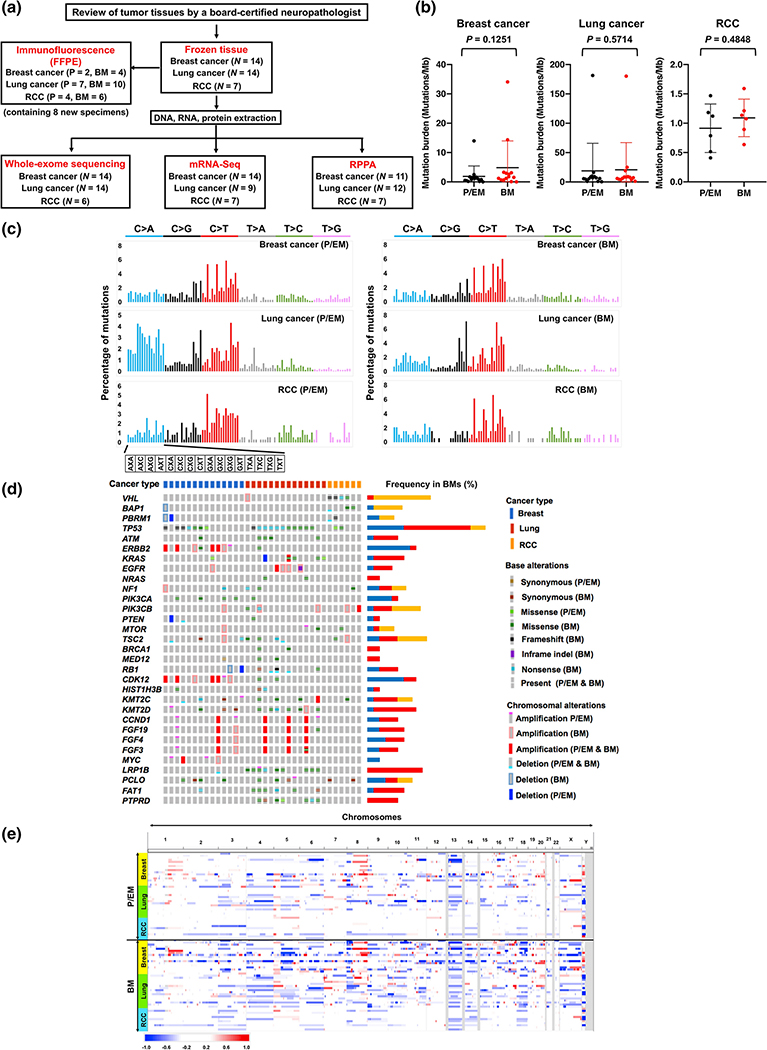
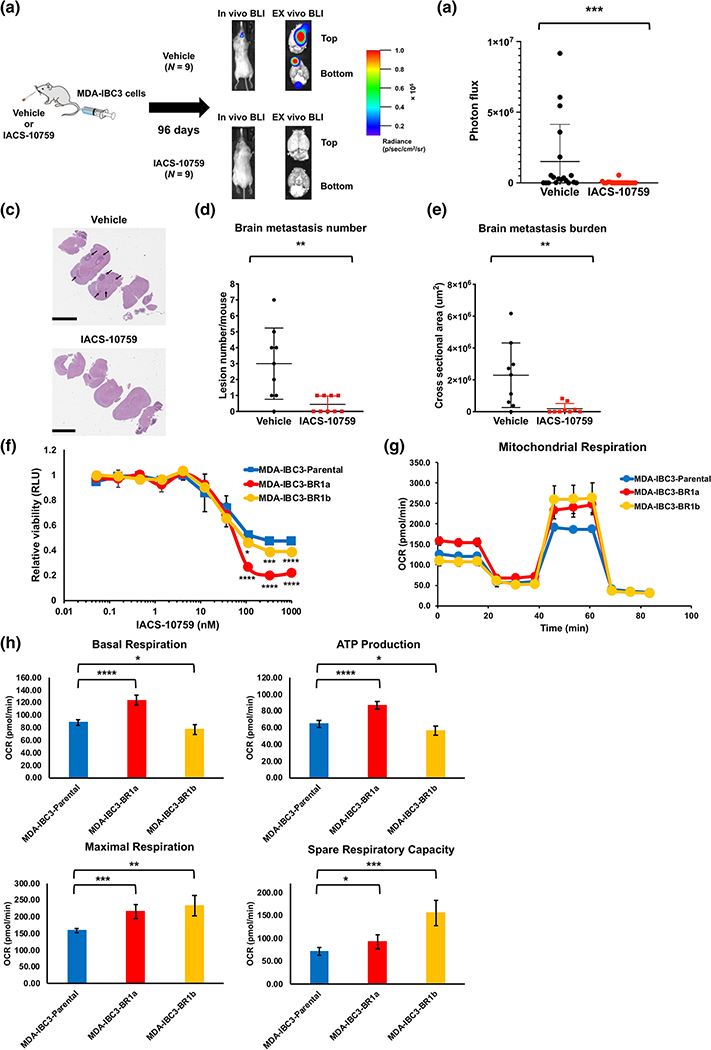
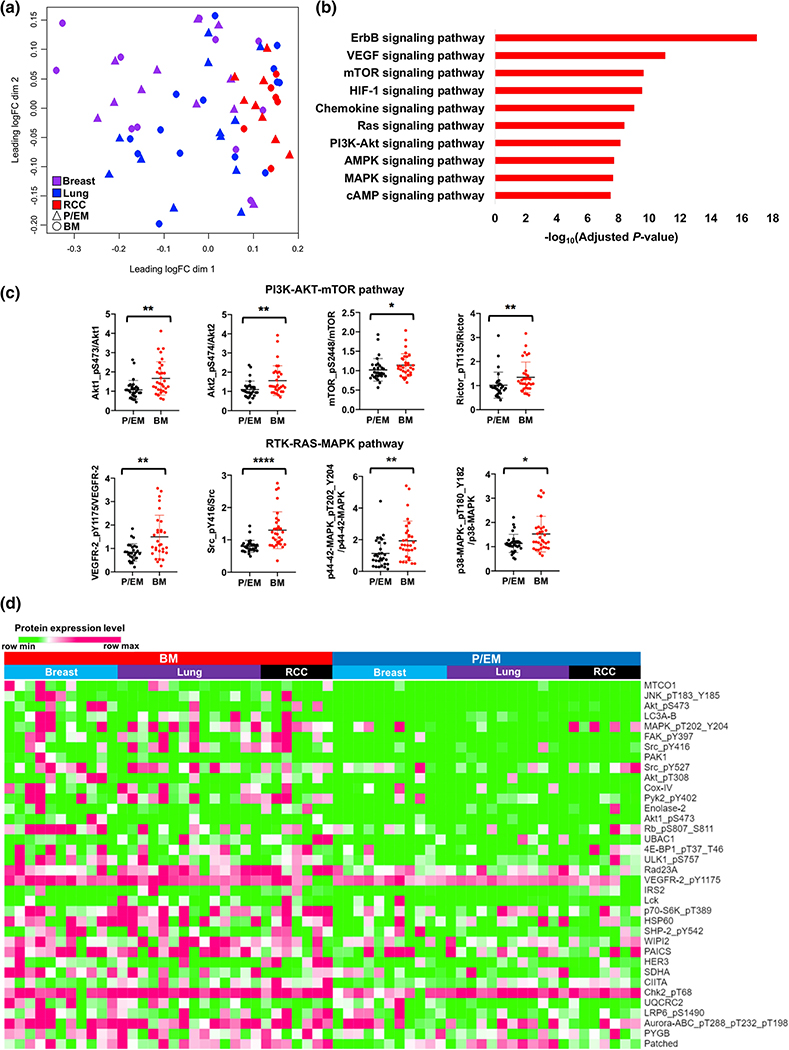
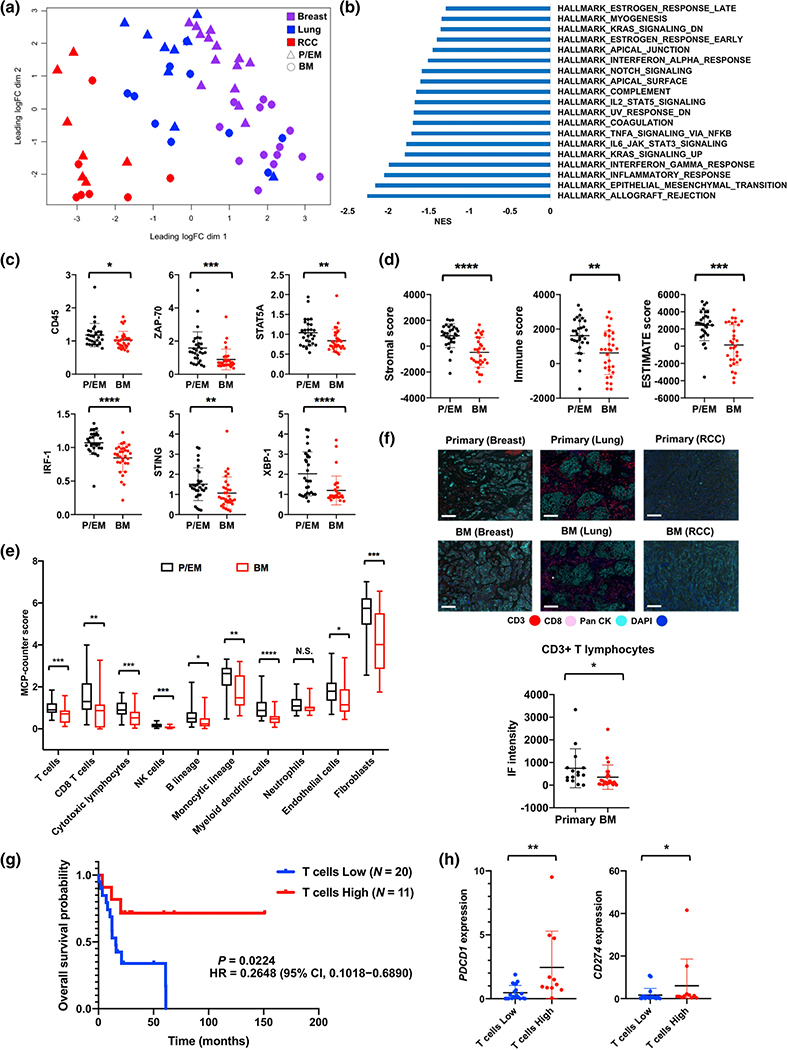
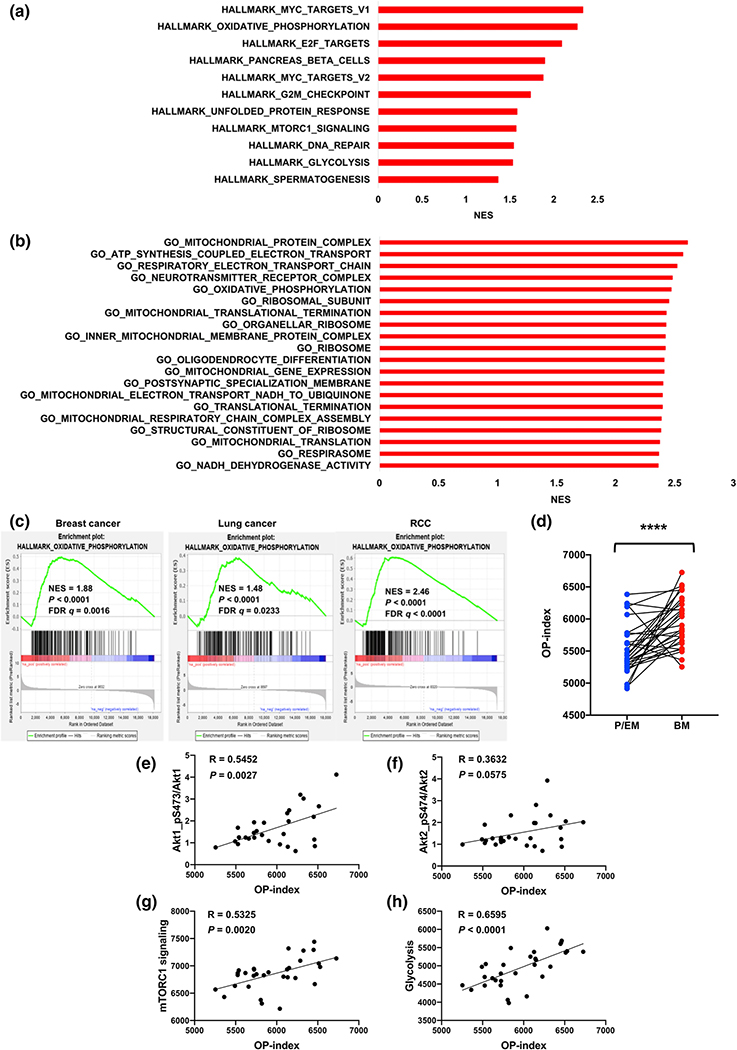
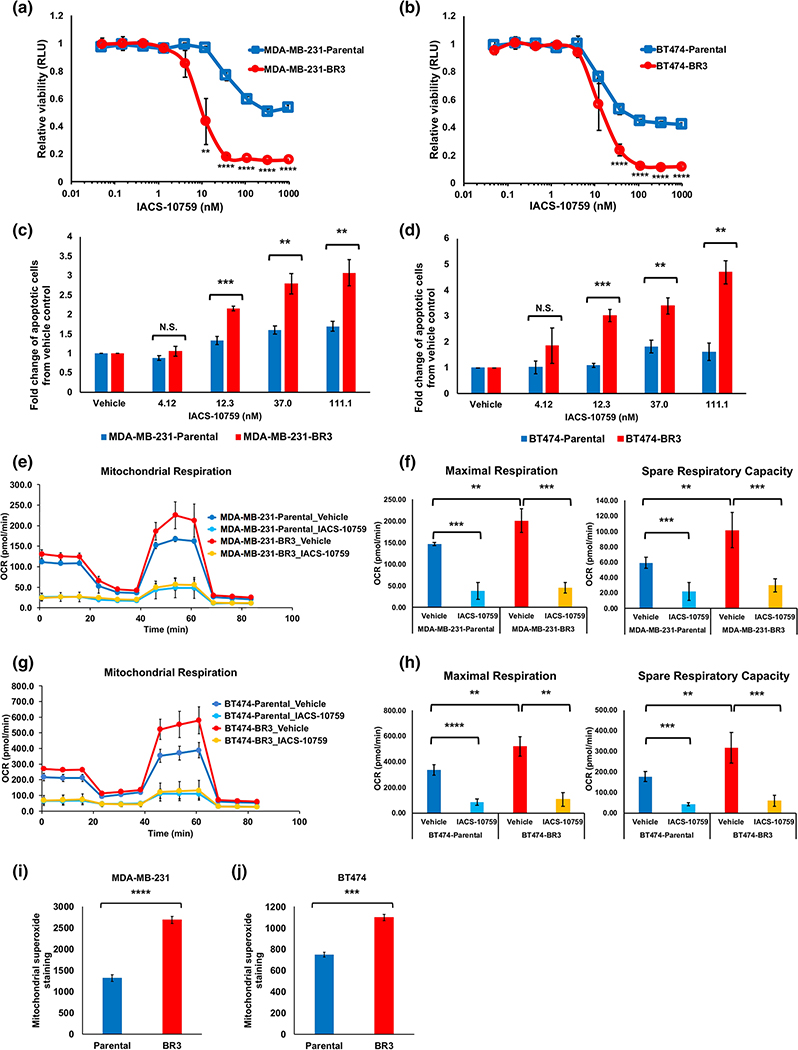
The deadly complication of brain metastasis (BM) is largely confined to a relatively narrow cross-section of systemic malignancies, suggesting a fundamental role for biological mechanisms shared across commonly brain metastatic tumor types. To identify and characterize such mechanisms, we performed genomic, transcriptional, and proteomic profiling using whole-exome sequencing, mRNA-seq, and reverse-phase protein array analysis in a cohort of the lung, breast, and renal cell carcinomas consisting of BM and patient-matched primary or extracranial metastatic tissues. While no specific genomic alterations were associated with BM, correlations with impaired cellular immunity, upregulated oxidative phosphorylation (OXPHOS), and canonical oncogenic signaling pathways including phosphoinositide 3-kinase (PI3K) signaling, were apparent across multiple tumor histologies. Multiplexed immunofluorescence analysis confirmed significant T cell depletion in BM, indicative of a fundamentally altered immune microenvironment. Moreover, functional studies using in vitro and in vivo modeling demonstrated heightened oxidative metabolism in BM along with sensitivity to OXPHOS inhibition in murine BM models and brain metastatic derivatives relative to isogenic parentals. These findings demonstrate that pathophysiological rewiring of oncogenic signaling, cellular metabolism, and immune microenvironment broadly characterizes BM. Further clarification of this biology will likely reveal promising targets for therapeutic development against BM arising from a broad variety of systemic cancers.
脑转移(BM)的致命并发症在很大程度上局限于一小部分全身性恶性肿瘤,这表明生物学机制在常见的脑转移肿瘤类型中具有重要作用。为了识别和描述这些机制,我们使用全外显子测序、mRNA-seq 和反相蛋白阵列分析对包括 BM 和患者匹配的原发性或颅外转移性组织的肺、乳腺和肾细胞癌队列进行了基因组、转录组和蛋白质组谱分析。虽然没有特定的基因组改变与 BM 相关,但在多种肿瘤组织学中,与细胞免疫受损、氧化磷酸化(OXPHOS)上调以及包括磷酸肌醇 3-激酶(PI3K)信号在内的经典致癌信号通路相关的相关性是明显的。多重免疫荧光分析证实了 BM 中 T 细胞的明显耗竭,表明免疫微环境发生了根本性改变。此外,使用体外和体内模型的功能研究表明,BM 中的氧化代谢增强,并且与同源亲本相比,BM 中的 OXPHOS 抑制在小鼠 BM 模型和脑转移衍生物中更为敏感。这些发现表明,致癌信号、细胞代谢和免疫微环境的病理生理重布线广泛地描述了 BM。进一步阐明这种生物学可能会揭示针对广泛的全身性癌症引起的 BM 的有前途的治疗靶点。