Watts Michelle E, Pocock Roger, Claudianos Charles
Queensland Brain Institute, The University of Queensland, St. Lucia, QLD, Australia.
Development and Stem Cells Program, Department of Anatomy and Developmental Biology, Monash Biomedicine Discovery Institute, Monash University, Clayton, VIC, Australia.
Front Mol Neurosci. 2018 Jun 22;11:216. doi: 10.3389/fnmol.2018.00216. eCollection 2018.
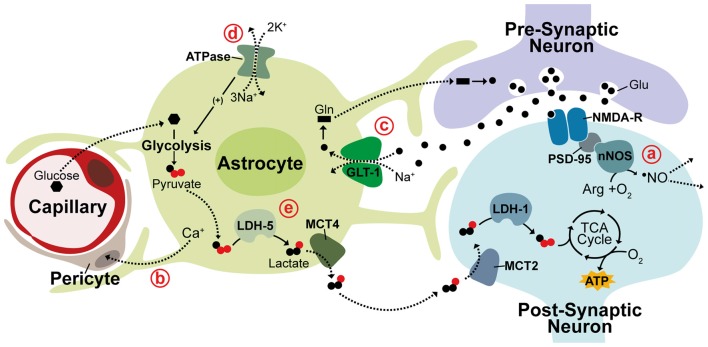
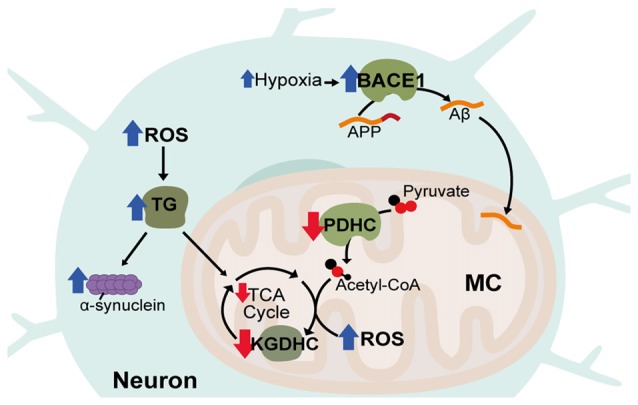
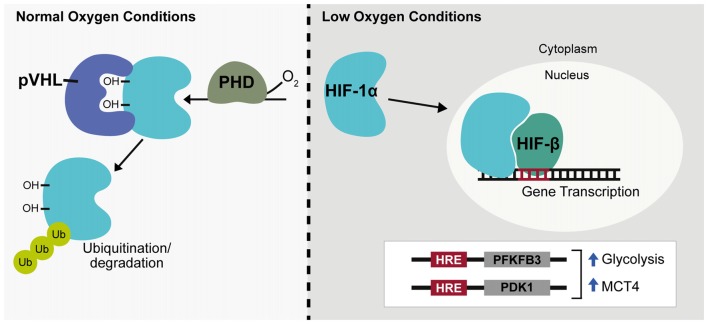
Dynamic metabolic changes occurring in neurons are critically important in directing brain plasticity and cognitive function. In other tissue types, disruptions to metabolism and the resultant changes in cellular oxidative state, such as increased reactive oxygen species (ROS) or induction of hypoxia, are associated with cellular stress. In the brain however, where drastic metabolic shifts occur to support physiological processes, subsequent changes to cellular oxidative state and induction of transcriptional sensors of oxidative stress likely play a significant role in regulating physiological neuronal function. Understanding the role of metabolism and metabolically-regulated genes in neuronal function will be critical in elucidating how cognitive functions are disrupted in pathological conditions where neuronal metabolism is affected. Here, we discuss known mechanisms regulating neuronal metabolism as well as the role of hypoxia and oxidative stress during normal and disrupted neuronal function. We also summarize recent studies implicating a role for metabolism in regulating neuronal plasticity as an emerging neuroscience paradigm.
神经元中发生的动态代谢变化对于指导大脑可塑性和认知功能至关重要。在其他组织类型中,代谢紊乱以及由此导致的细胞氧化状态变化,如活性氧(ROS)增加或缺氧诱导,与细胞应激相关。然而,在大脑中,为支持生理过程会发生剧烈的代谢转变,随后细胞氧化状态的变化以及氧化应激转录传感器的诱导可能在调节神经元生理功能中发挥重要作用。了解代谢和代谢调节基因在神经元功能中的作用对于阐明在神经元代谢受影响的病理条件下认知功能如何被破坏至关重要。在这里,我们讨论调节神经元代谢的已知机制以及在正常和受损神经元功能期间缺氧和氧化应激的作用。我们还总结了最近的研究,这些研究表明代谢在调节神经元可塑性方面的作用是一种新兴的神经科学范式。