Bernoulli Institute for Mathematics, Computer Science and Artificial Intelligence, University of Groningen, Groningen, The Netherlands.
Department of Industrial Engineering, Institut Teknologi Indonesia, South Tangerang, Indonesia.
PLoS One. 2021 Jan 4;16(1):e0243754. doi: 10.1371/journal.pone.0243754. eCollection 2021.
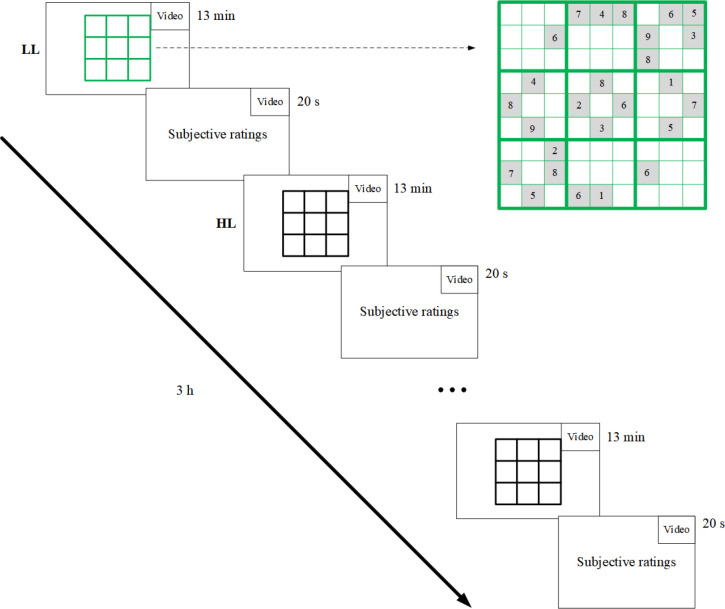
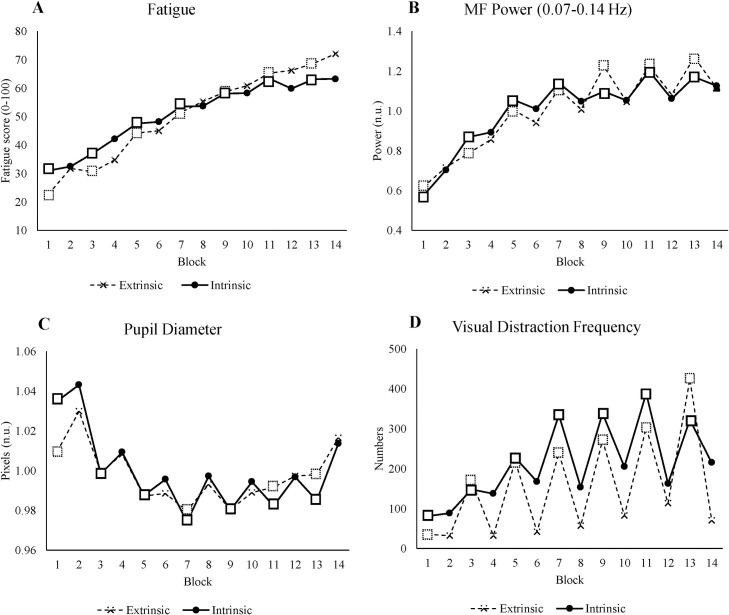
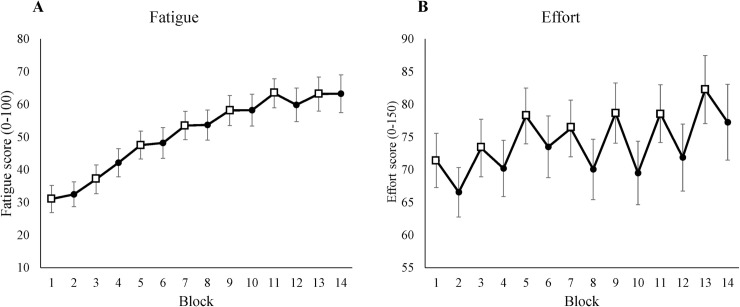
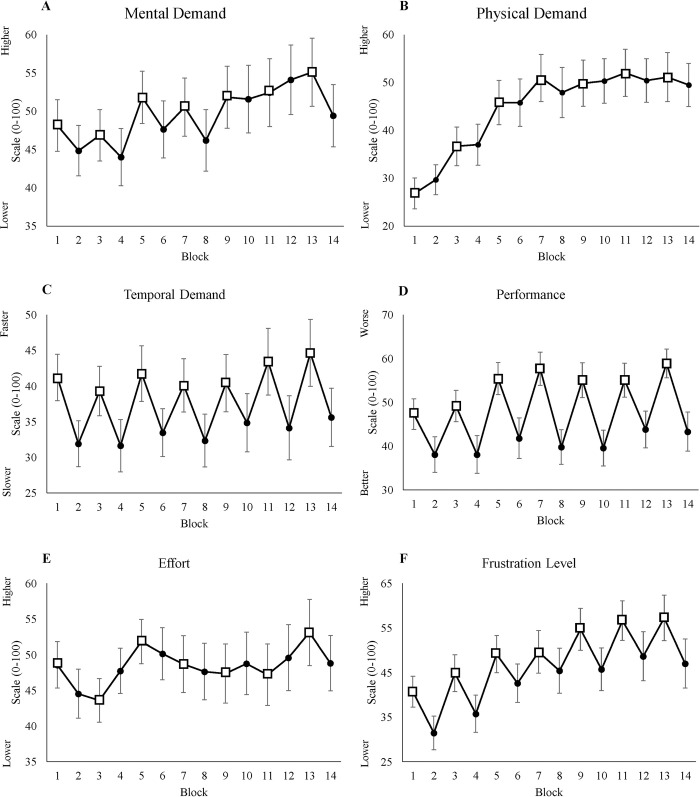
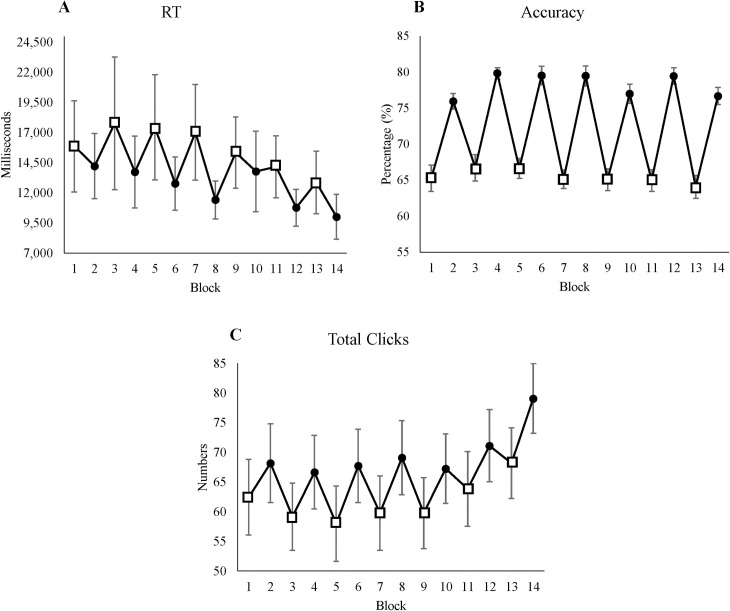
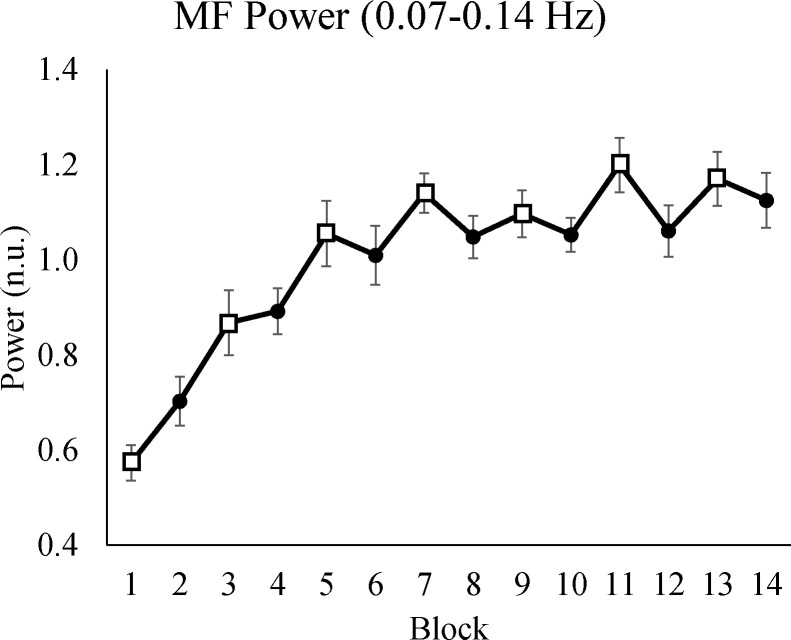
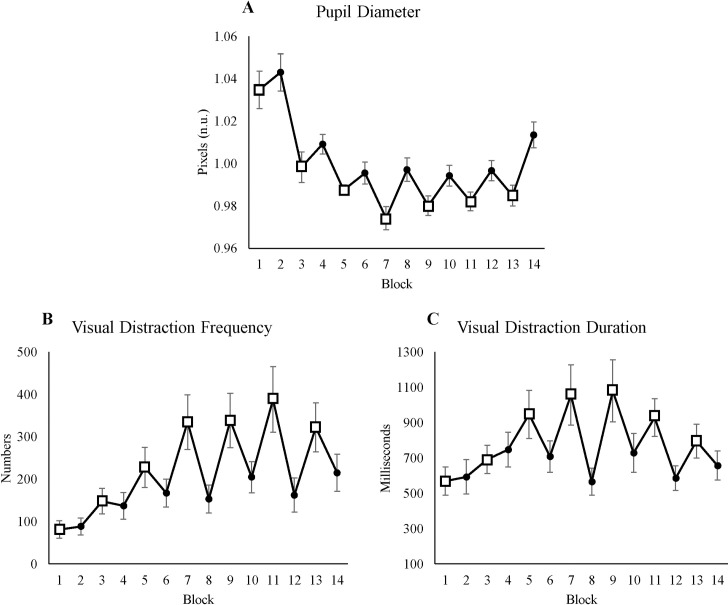
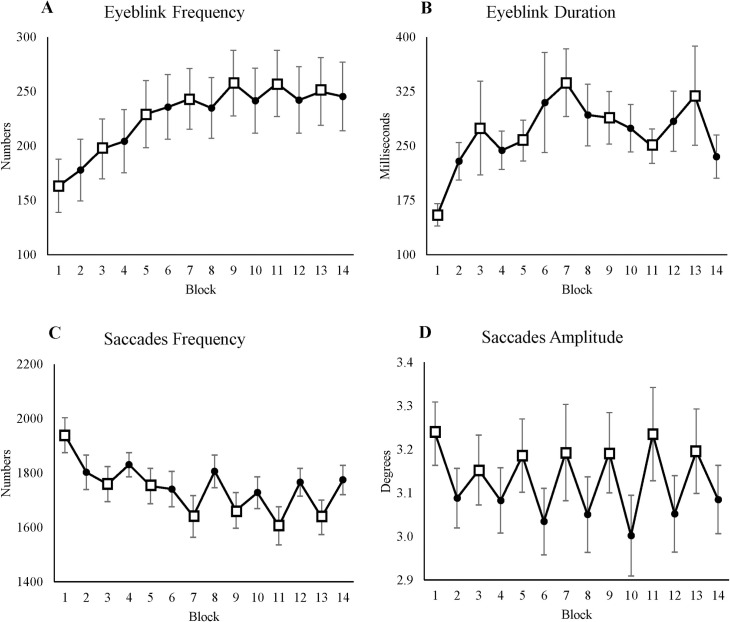
There have been many studies attempting to disentangle the relation between motivation and mental fatigue. Mental fatigue occurs after performing a demanding task for a prolonged time, and many studies have suggested that motivation can counteract the negative effects of mental fatigue on task performance. To complicate matters, most mental fatigue studies looked exclusively at the effects of extrinsic motivation but not intrinsic motivation. Individuals are said to be extrinsically motivated when they perform a task to attain rewards and avoid punishments, while they are said to be intrinsically motivated when they do for the pleasure of doing the activity. To assess whether intrinsic motivation has similar effects as extrinsic motivation, we conducted an experiment using subjective, performance, and physiological measures (heart rate variability and pupillometry). In this experiment, 28 participants solved Sudoku puzzles on a computer for three hours, with a cat video playing in the corner of the screen. The experiment consisted of 14 blocks with two alternating conditions: low intrinsic motivation and high intrinsic motivation. The main results showed that irrespective of condition, participants reported becoming fatigued over time. They performed better, invested more mental effort physiologically, and were less distracted in high-level than in low-level motivation blocks. The results suggest that similarly to extrinsic motivation, time-on-task effects are modulated by the level of intrinsic motivation: With high intrinsic motivation, people can maintain their performance over time as they seem willing to invest more effort as time progresses than in low intrinsic motivation.
已经有许多研究试图厘清动机与精神疲劳之间的关系。精神疲劳是在长时间执行一项高要求的任务后发生的,许多研究表明,动机可以抵消精神疲劳对任务表现的负面影响。更为复杂的是,大多数精神疲劳研究仅关注外在动机的影响,而不是内在动机。当个体为了获得奖励和避免惩罚而执行任务时,他们被认为是外在动机的;而当他们为了活动本身的乐趣而执行任务时,他们被认为是内在动机的。为了评估内在动机是否具有与外在动机相似的效果,我们进行了一项实验,使用主观、绩效和生理测量(心率变异性和瞳孔测量)。在这个实验中,28 名参与者在电脑上玩数独游戏,持续三个小时,同时屏幕一角播放着猫咪视频。实验由 14 个块组成,有两种交替的条件:低内在动机和高内在动机。主要结果表明,无论条件如何,参与者随着时间的推移报告感到疲劳。他们在高内在动机条件下表现更好,在生理上投入更多的心理努力,并且在高内在动机条件下比在低内在动机条件下分心程度更低。这些结果表明,与外在动机类似,时间作业效应受到内在动机水平的调节:在高内在动机下,人们可以随着时间的推移保持他们的表现,因为他们似乎愿意随着时间的推移投入更多的努力,而不是在低内在动机下。