Woźniak Magdalena, Kowalska Małgorzata, Tavernier Serge, Żbikowska Anna
Faculty of Chemical Engineering and Commodity Science, Kazimierz Pulaski University of Technologies and Humanities, Chrobrego 27, 26-600 Radom, Poland.
iPRACS-Intelligence in Processes, Advanced Catalysts and Solvents, Faculty of Applied Engineering, University of Antwerp, Groenenborgerlaan 171, B-2020 Antwerp, Belgium.
Biomolecules. 2020 Dec 31;11(1):49. doi: 10.3390/biom11010049.
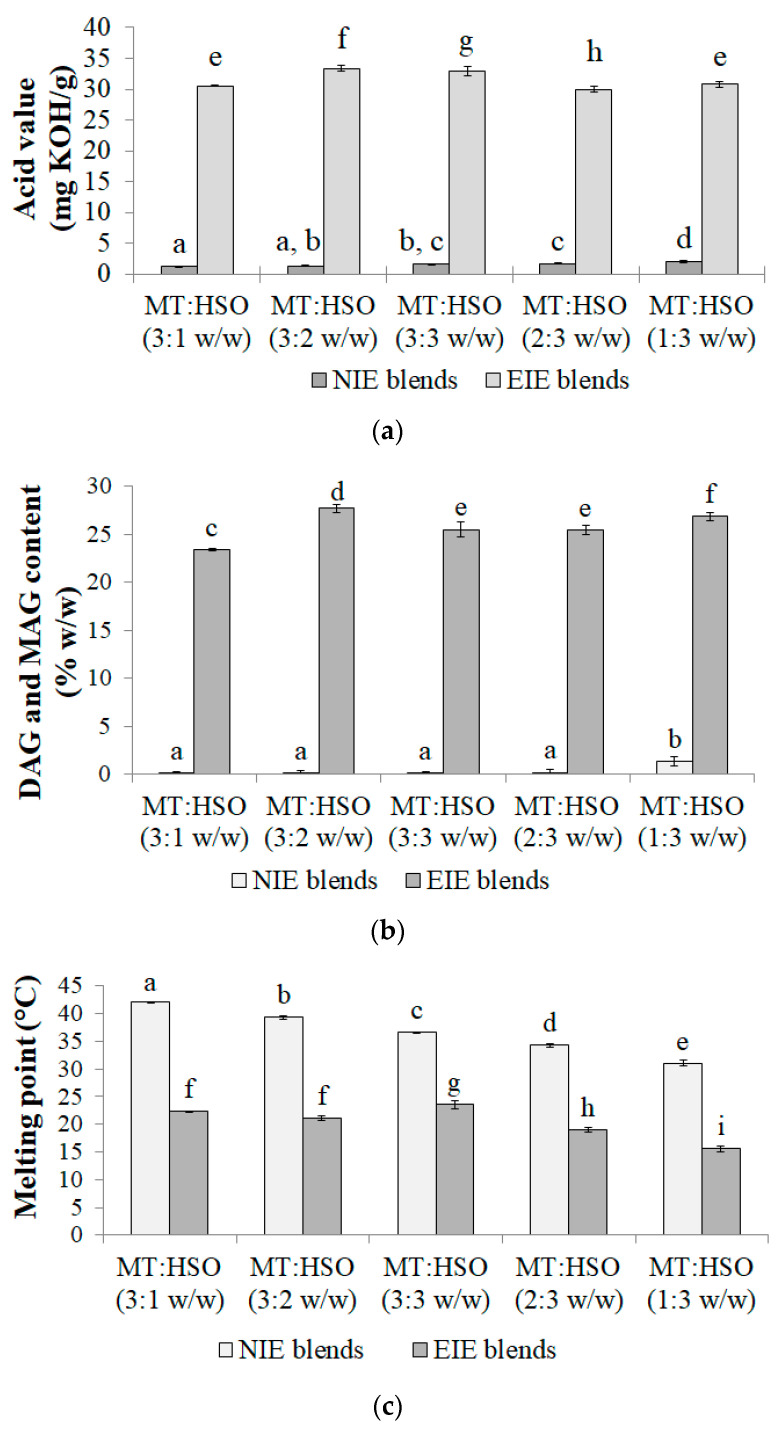
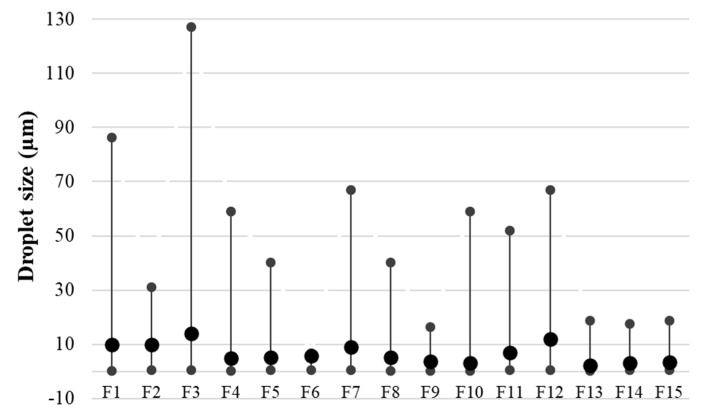
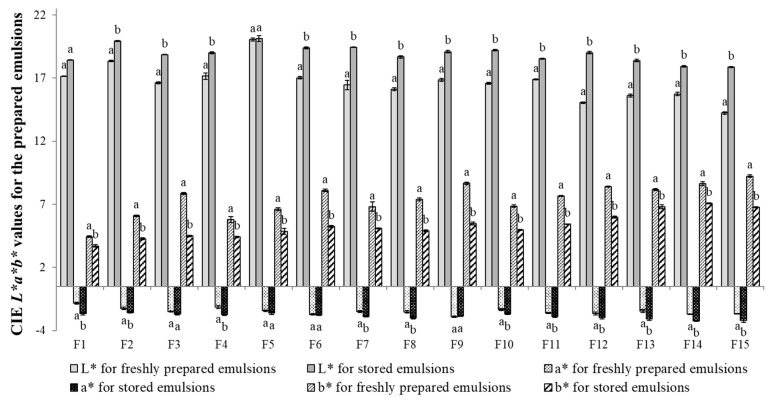
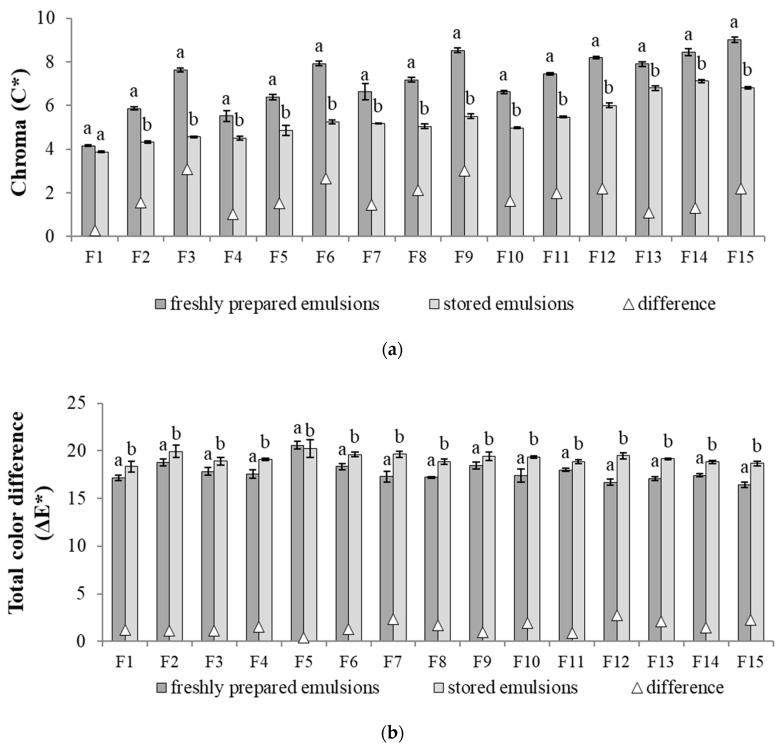
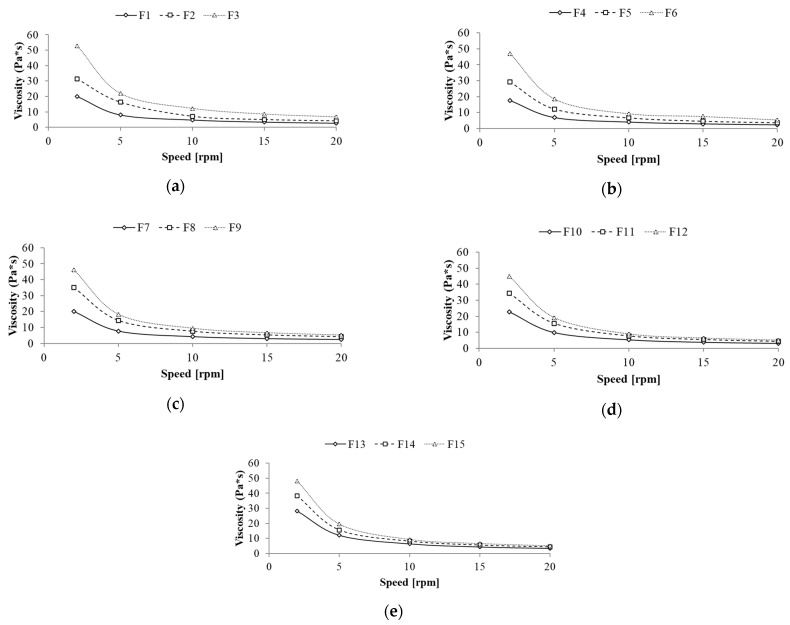
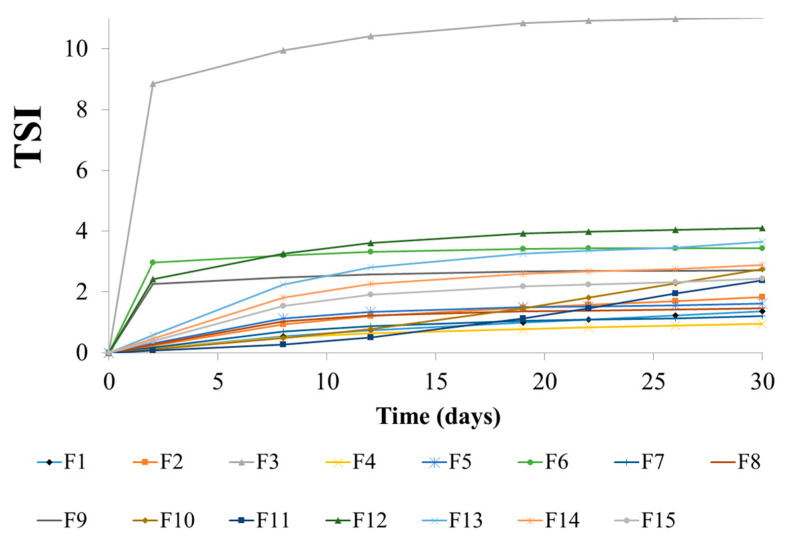
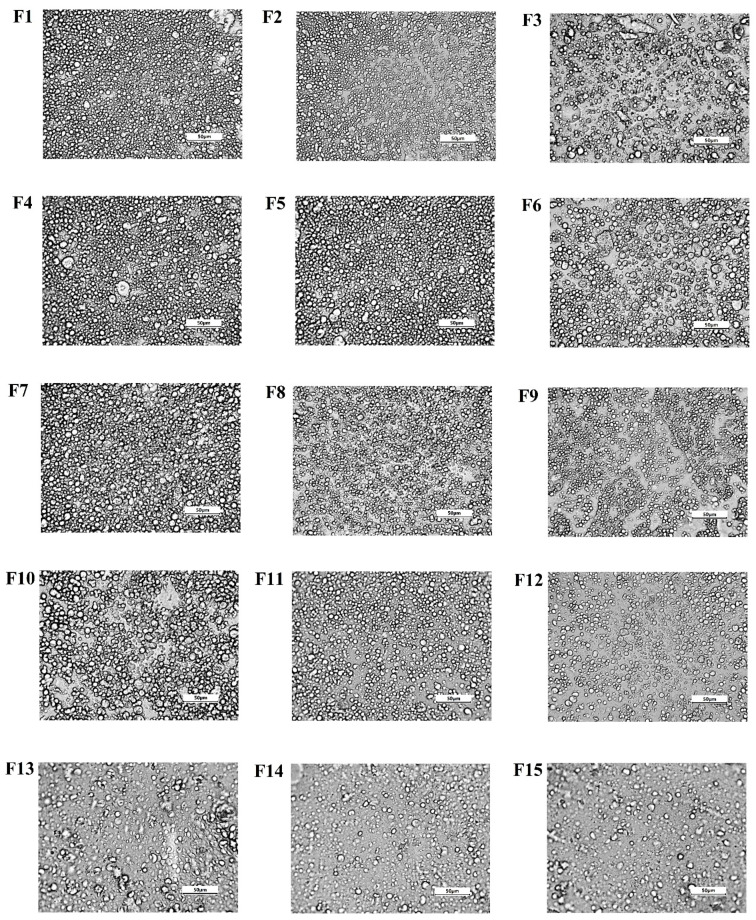
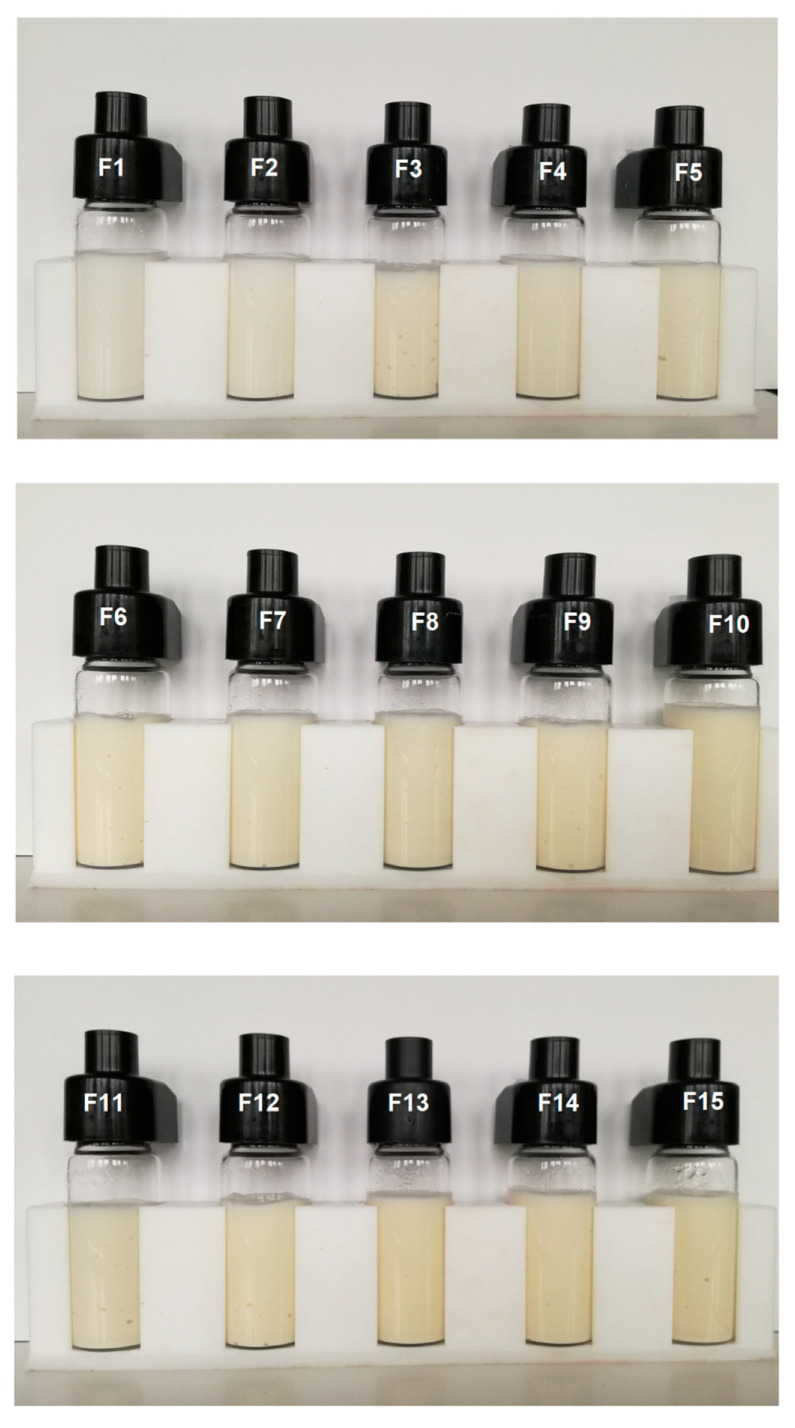
The subject of the study was emulsions based on enzymatically modified fats and stabilized with polysaccharides (xanthan gum and scleroglucan). Emulsion oil phases (blends of mutton tallow and hemp seed oil in a ratio of 3:1, 3:2, 3:3, 2:3 and 1:3) were characterized in the terms of acid value, melting point and mono- and diacylglycerols content before and after the modification. Emulsions containing modified fat blends and various amount (0.6, 0.8 and 1.0% ) of polysaccharides were investigated in the terms of their color, rheological properties, microstructure, droplet size and stability. The obtained results confirmed that enzymatic modification allowed to produce new fats, which can successfully be applied as an emulsion oil phases equipped with a sufficient amount of emulsifiers. The use of a variable amount of texture modifier in the proposed formulations did not show clear differences in the stability of the systems. Therefore, it does not seem justified to use greater amounts of a modifier (above 0.6% ) in this type of emulsions. The proposed formulations could be of interest to the cosmetics, food or pharmaceutical industry.
该研究的对象是基于酶法改性脂肪并用多糖(黄原胶和硬葡聚糖)稳定的乳液。乳液油相(羊脂与大麻籽油按3:1、3:2、3:3、2:3和1:3比例混合)在改性前后的酸值、熔点以及单酰甘油和二酰甘油含量方面进行了表征。对含有改性脂肪混合物和不同量(0.6%、0.8%和1.0%)多糖的乳液的颜色、流变特性、微观结构、液滴尺寸和稳定性进行了研究。所得结果证实,酶法改性能够生产新的脂肪,这些脂肪可成功用作配备有足够量乳化剂的乳液油相。在所提出的配方中使用不同量的质地改良剂,在体系稳定性方面未显示出明显差异。因此,在这类乳液中使用更大量的改良剂(高于0.6%)似乎没有道理。所提出的配方可能会引起化妆品、食品或制药行业的兴趣。