Gingichashvili Sarah, Feuerstein Osnat, Steinberg Doron
Biofilm Research Laboratory, Bio-medicine Program, Faculty of Dental Medicine, Hebrew University-Hadassah, Jerusalem, Israel.
Department of Prosthodontics, Faculty of Dental Medicine, Hebrew University-Hadassah, Jerusalem, Israel.
Microorganisms. 2020 Dec 31;9(1):84. doi: 10.3390/microorganisms9010084.
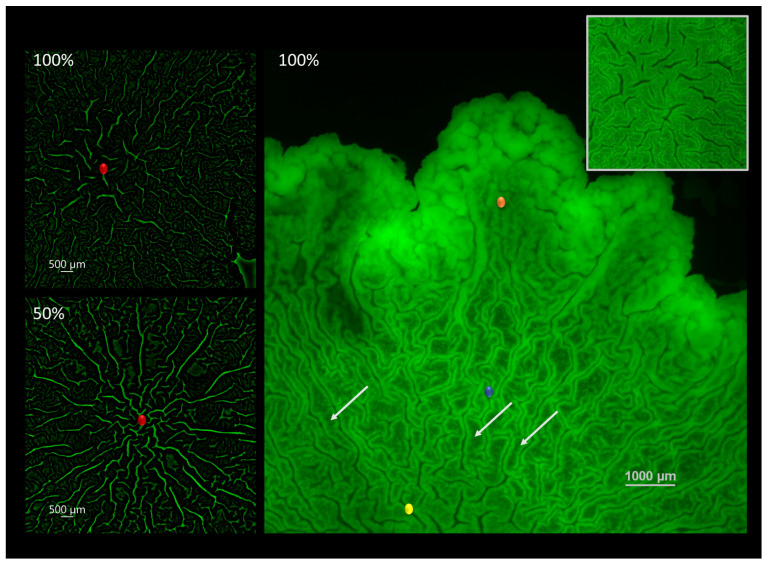
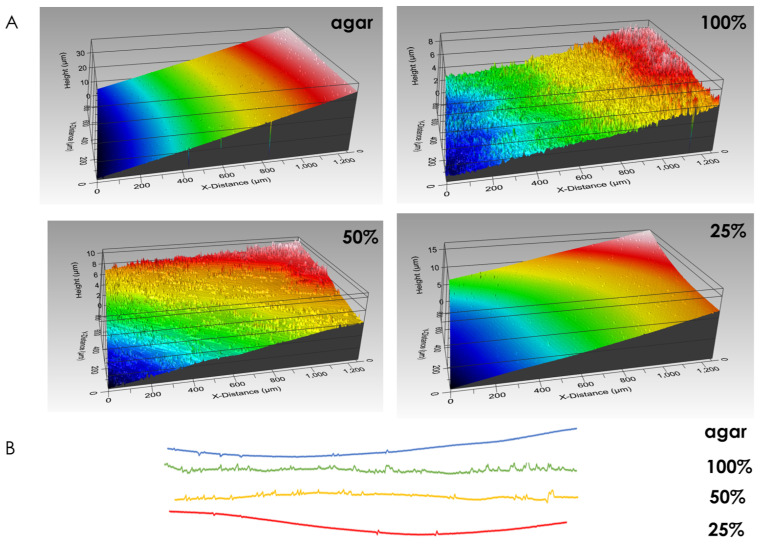
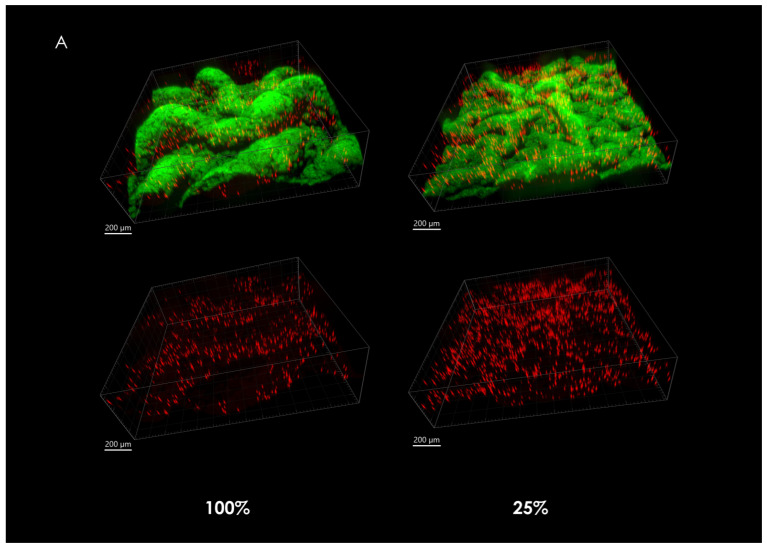
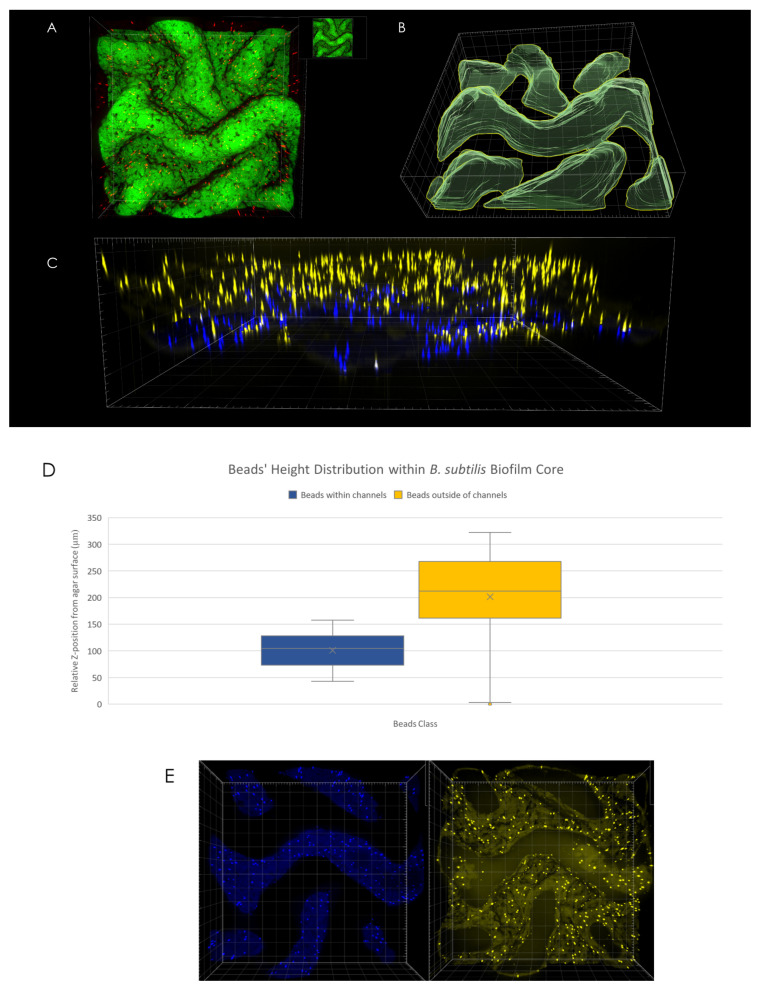
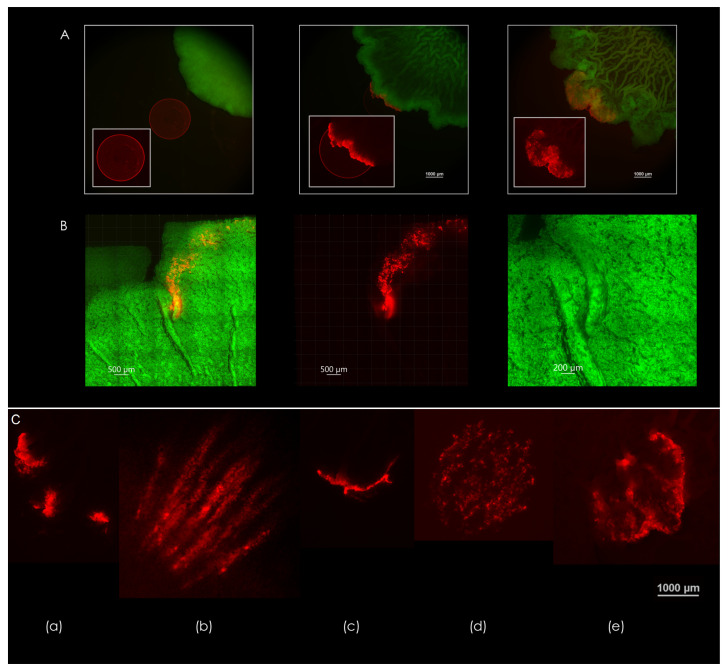
Bacterial biofilms are complex microbial communities that are formed on various natural and synthetic surfaces. In contrast to bacteria in their planktonic form, biofilms are characterized by their relatively low susceptibility to anti-microbial treatments, in part due to limited diffusion throughout the biofilm and the complex distribution of bacterial cells within. The virulence of biofilms is therefore a combination of the structural properties and patterns of adhesion that anchor them to their host surface. In this paper, we analyze the topographical properties of ' biofilm-agar interface across different growth conditions. colonies were grown to maturity on biofilm-promoting agar-based media (LBGM), under standard and stress-inducing growth conditions. The biofilm-agar interface of the colony-type biofilms was modeled using confocal microscopy and computational analysis. Profilometry data were obtained from the macrocolonies and used for the analysis of the surface topography as it relates to the adhesion modes present at the biofilm-agar interface. Fluorescent microspheres were utilized to monitor the expansion patterns present at the interface between the macrocolonies and the solid growth medium. Contact surface analysis revealed topographical changes that could have a direct effect on the adhesion strength of the biofilm to its host surface, thus affecting its potential susceptibility to anti-microbial agents. The topographical characteristics of the biofilm-agar interface partially define the macrocolony structure and may have significant effects on bacterial survival and virulence.
细菌生物膜是在各种天然和合成表面形成的复杂微生物群落。与浮游形式的细菌相比,生物膜的特点是对抗菌治疗的敏感性相对较低,部分原因是抗菌剂在整个生物膜中的扩散有限以及生物膜内细菌细胞的复杂分布。因此,生物膜的毒力是其结构特性和将它们锚定在宿主表面的粘附模式的综合体现。在本文中,我们分析了不同生长条件下生物膜-琼脂界面的地形特性。菌落分别在标准生长条件和诱导应激的生长条件下,在促进生物膜形成的琼脂基培养基(LBGM)上生长至成熟。使用共聚焦显微镜和计算分析对菌落型生物膜的生物膜-琼脂界面进行建模。从大菌落获得轮廓测量数据,并用于分析与生物膜-琼脂界面存在的粘附模式相关的表面地形。利用荧光微球监测大菌落与固体生长培养基之间界面处的扩展模式。接触表面分析揭示了可能直接影响生物膜与其宿主表面粘附强度的地形变化,从而影响其对抗菌剂的潜在敏感性。生物膜-琼脂界面的地形特征部分地定义了大菌落结构,并且可能对细菌的存活和毒力产生重大影响。