Department of Medical Education, National Taiwan University Hospital, Taipei City 100, Taiwan.
Department of Otolaryngology, National Taiwan University Hospital, Taipei 11556, Taiwan.
Genes (Basel). 2020 Dec 30;12(1):43. doi: 10.3390/genes12010043.
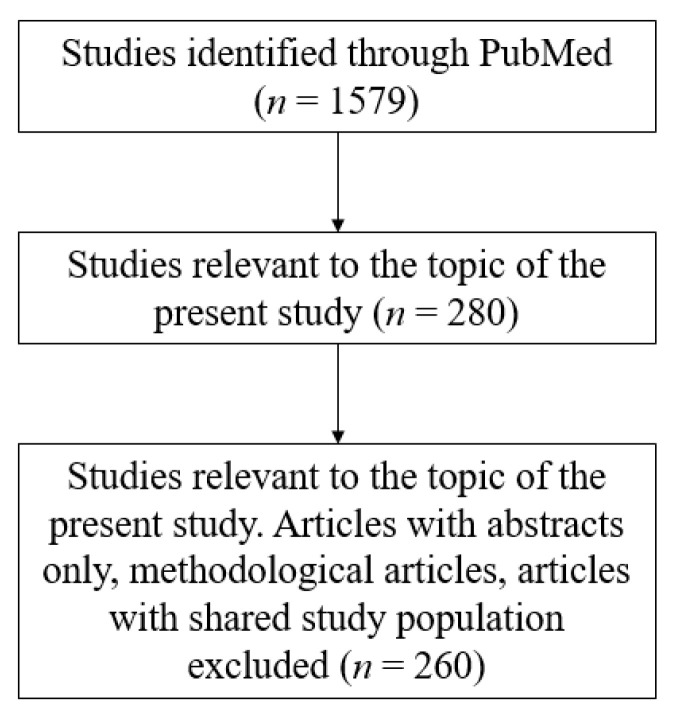
Syndromic hereditary hearing impairment (HHI) is a clinically and etiologically diverse condition that has a profound influence on affected individuals and their families. As cutaneous findings are more apparent than hearing-related symptoms to clinicians and, more importantly, to caregivers of affected infants and young individuals, establishing a correlation map of skin manifestations and their underlying genetic causes is key to early identification and diagnosis of syndromic HHI. In this article, we performed a comprehensive PubMed database search on syndromic HHI with cutaneous abnormalities, and reviewed a total of 260 relevant publications. Our in-depth analyses revealed that the cutaneous manifestations associated with HHI could be classified into three categories: pigment, hyperkeratosis/nail, and connective tissue disorders, with each category involving distinct molecular pathogenesis mechanisms. This outline could help clinicians and researchers build a clear atlas regarding the phenotypic features and pathogenetic mechanisms of syndromic HHI with cutaneous abnormalities, and facilitate clinical and molecular diagnoses of these conditions.
综合征性遗传性听力障碍 (HHI) 是一种临床表现和病因多样化的疾病,对患者及其家庭有深远影响。由于皮肤表现对临床医生,更重要的是对受影响婴儿和年轻个体的照顾者来说比听力相关症状更为明显,因此建立皮肤表现及其潜在遗传原因的关联图谱是早期识别和诊断综合征性 HHI 的关键。在本文中,我们对伴有皮肤异常的综合征性 HHI 进行了全面的 PubMed 数据库检索,并回顾了总共 260 篇相关文献。我们的深入分析表明,与 HHI 相关的皮肤表现可分为三类:色素、角化过度/指甲和结缔组织疾病,每类都涉及不同的分子发病机制。该概述可以帮助临床医生和研究人员构建一个关于伴有皮肤异常的综合征性 HHI 的表型特征和发病机制的清晰图谱,并促进这些疾病的临床和分子诊断。