Tabriz Health Services Management Research Center, Iranian Center of Excellence in Health Management, Tabriz University of Medical Sciences, Tabriz, Iran.
Social Determinants of Health Research Center, Health Management and Safety Promotion Research Institute, Tabriz University of Medical Sciences, Tabriz, Iran.
BMC Health Serv Res. 2021 Jan 4;21(1):4. doi: 10.1186/s12913-020-05979-9.
The Astana Declaration on Primary Health Care reiterated that PHC is a cornerstone of a sustainable health system for universal health coverage (UHC) and health-related Sustainable Development Goals. It called for governments to give high priority to PHC in partnership with their public and private sector organisations and other stakeholders. Each country has a unique path towards UHC, and different models for public-private partnerships (PPPs) are possible. The goal of this paper is to examine evidence on the use of PPPs in the provision of PHC services, reported challenges and recommendations.
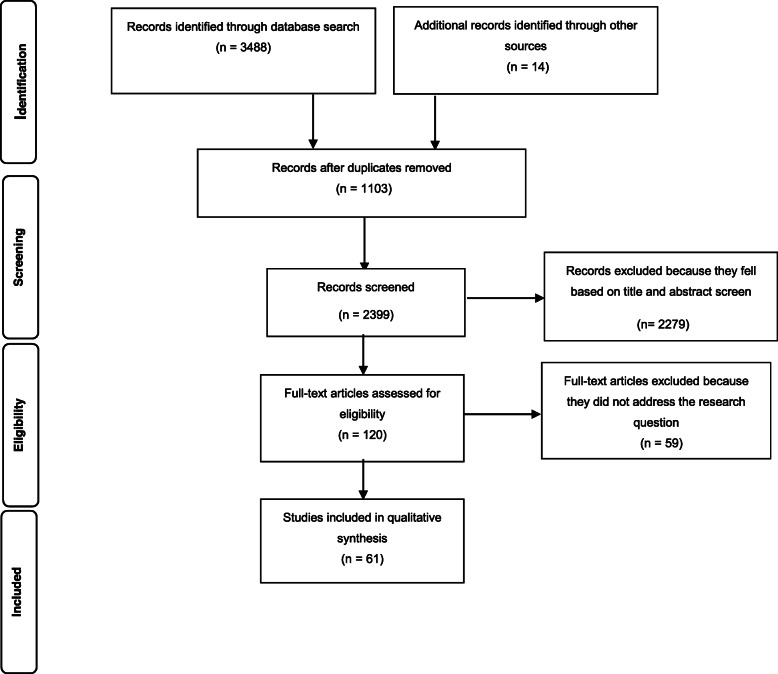
We systematically reviewed peer-reviewed studies in six databases (ScienceDirect, Ovid Medline, PubMed, Web of Science, Embase, and Scopus) and supplemented it by the search of grey literature. PRISMA reporting guidelines were followed.
Sixty-one studies were included in the final review. Results showed that most PPPs projects were conducted to increase access and to facilitate the provision of prevention and treatment services (i.e., tuberculosis, education and health promotion, malaria, and HIV/AIDS services) for certain target groups. Most projects reported challenges of providing PHC via PPPs in the starting and implementation phases. The reported challenges and recommendations on how to overcome them related to education, management, human resources, financial resources, information, and technology systems aspects.
Despite various challenges, PPPs in PHC can facilitate access to health care services, especially in remote areas. Governments should consider long-term plans and sustainable policies to start PPPs in PHC and should not ignore local needs and context.
《阿斯塔纳初级卫生保健宣言》重申初级卫生保健是全民健康覆盖和与卫生相关的可持续发展目标可持续卫生系统的基石。它呼吁各国政府与公共和私营部门组织及其他利益攸关方合作,高度重视初级卫生保健。每个国家实现全民健康覆盖的道路都是独一无二的,公私伙伴关系(PPP)的模式也可能有所不同。本文的目的是研究在提供初级卫生保健服务中使用公私伙伴关系的证据,报告所面临的挑战和建议。
我们在六个数据库(ScienceDirect、Ovid Medline、PubMed、Web of Science、Embase 和 Scopus)中系统地检索了同行评议研究,并通过检索灰色文献进行了补充。我们遵循 PRISMA 报告准则。
最终审查纳入了 61 项研究。结果表明,大多数 PPP 项目旨在增加获取机会,并促进特定目标群体的预防和治疗服务(即结核病、教育和健康促进、疟疾和艾滋病毒/艾滋病服务)的提供。大多数项目在启动和实施阶段报告了通过 PPP 提供初级卫生保健的挑战。报告的挑战和克服这些挑战的建议涉及教育、管理、人力资源、财政资源、信息和技术系统等方面。
尽管存在各种挑战,但 PPP 在初级卫生保健中可以促进获得医疗保健服务,特别是在偏远地区。政府应考虑在初级卫生保健中启动 PPP 的长期计划和可持续政策,不应忽视当地的需求和背景。