Hotchkiss Brain Institute, University of Calgary, 3330 Hospital Drive NW, Calgary, T2N 4N1, AB, Canada.
Djavad Mowafaghian Centre for Brain Health, University of British Columbia, 2215 Wesbrook Mall, Vancouver, V6T 1Z7, BC, Canada.
Nat Commun. 2021 Jan 4;12(1):100. doi: 10.1038/s41467-020-20317-7.
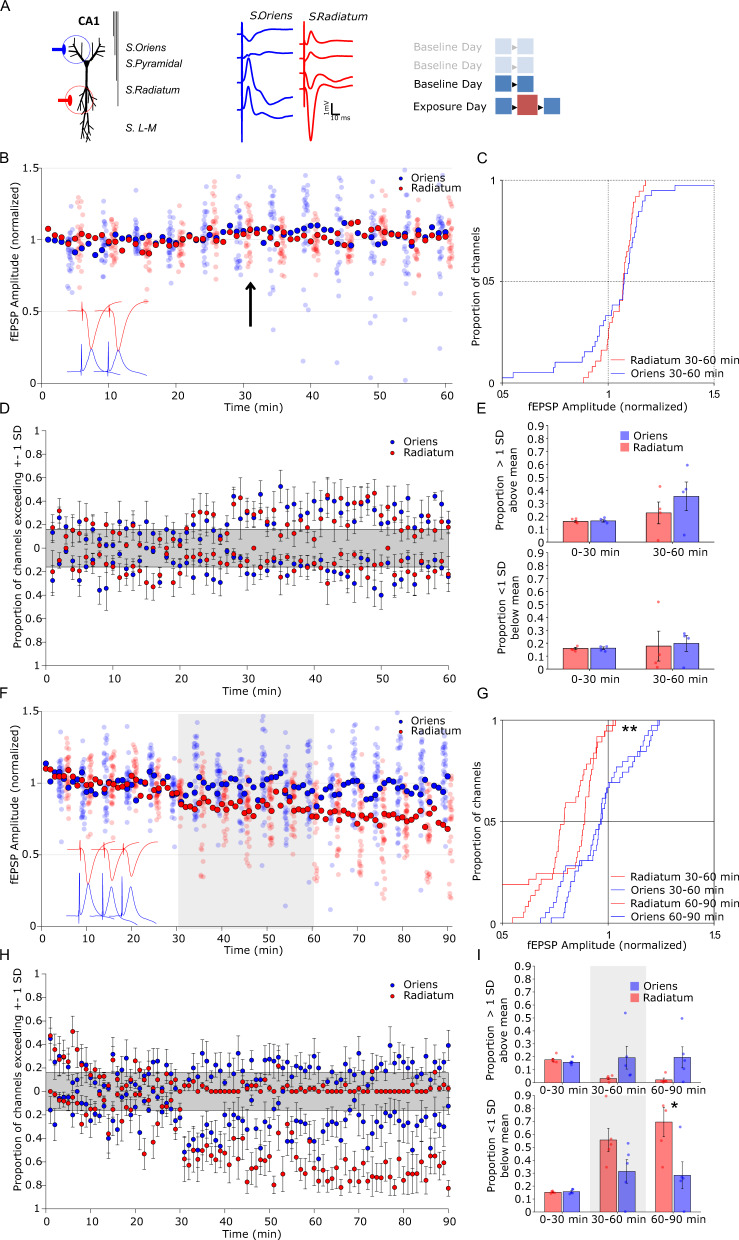
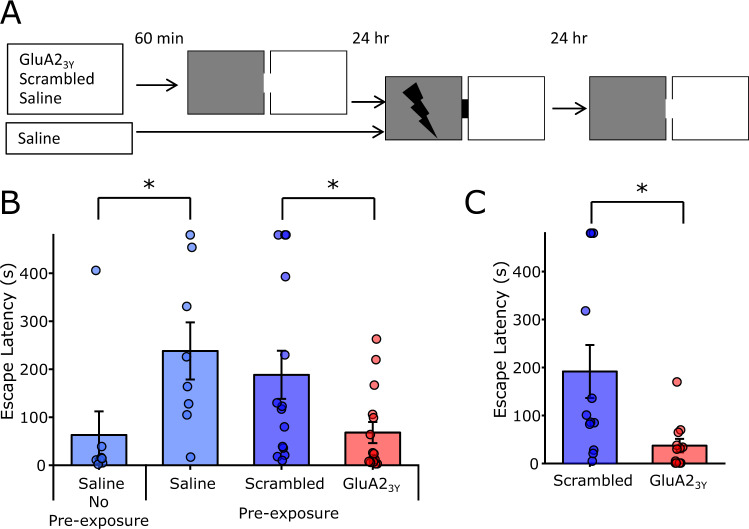
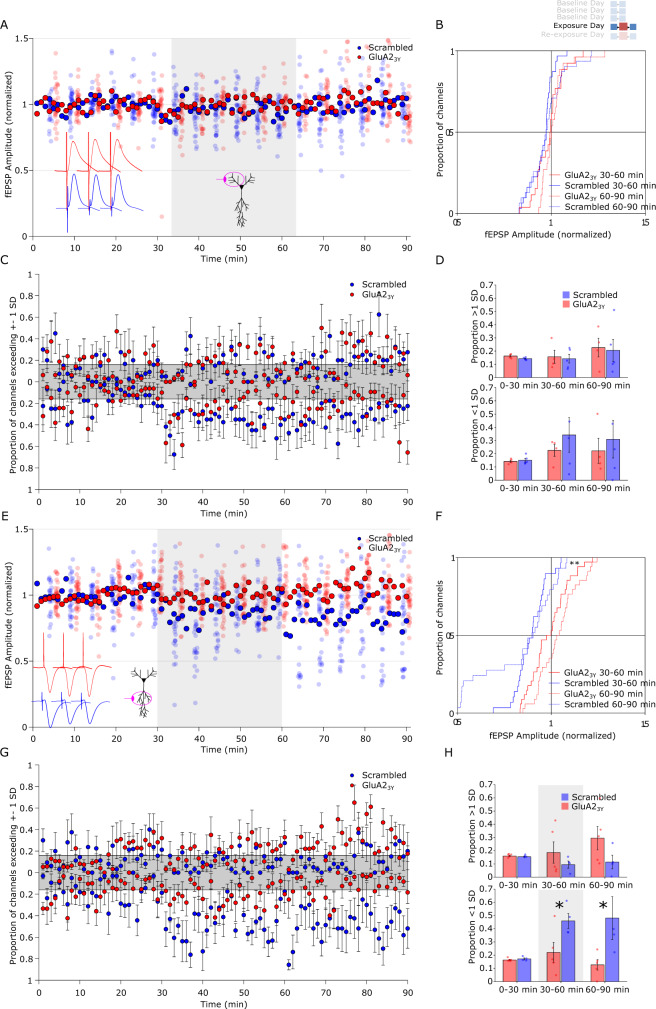
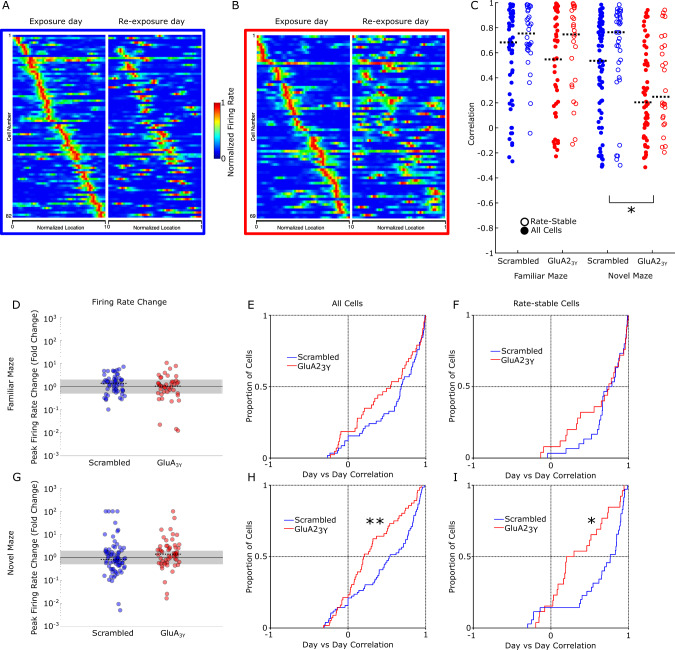
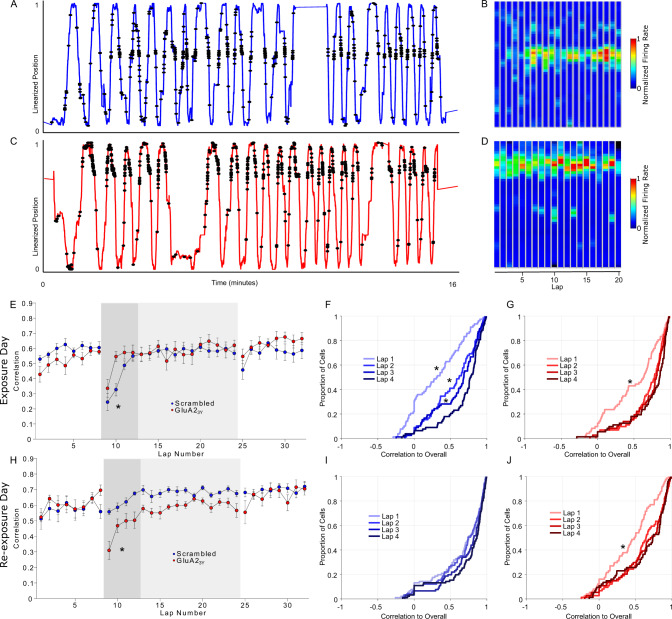
Hippocampal synaptic plasticity includes both long-term potentiation (LTP) and long-term depression (LTD) of synaptic strength, and has been implicated in shaping place field representations that form upon initial exposure to a novel environment. However, direct evidence causally linking either LTP or LTD to place fields remains limited. Here, we show that hippocampal LTD regulates the acute formation and maintenance of place fields using electrophysiology and blocking specifically LTD in freely-moving rats. We also show that exploration of a novel environment produces a widespread and pathway specific de novo synaptic depression in the dorsal hippocampus. Furthermore, disruption of this pathway-specific synaptic depression alters both the dynamics of place field formation and the stability of the newly formed place fields, affecting spatial memory in rats. These results suggest that activity-dependent synaptic depression is required for the acquisition and maintenance of novel spatial information.
海马突触可塑性包括突触强度的长时程增强(LTP)和长时程抑制(LTD),并且已被牵连到在初次暴露于新环境时形成的位置场表示的塑造中。然而,直接将 LTP 或 LTD 与位置场联系起来的证据仍然有限。在这里,我们使用电生理学显示海马 LTD 调节位置场的急性形成和维持,并且在自由移动的大鼠中特异性阻断 LTD。我们还表明,探索新环境会在背侧海马中产生广泛的、特定通路的新突触抑制。此外,破坏这种通路特异性突触抑制会改变位置场形成的动态和新形成的位置场的稳定性,从而影响大鼠的空间记忆。这些结果表明,活动依赖性突触抑制是获取和维持新的空间信息所必需的。