University of Illinois at Urbana-Champaign Department of Comparative Biosciences, 2001 South Lincoln Avenue, Urbana, IL, 61802, USA.
University of Illinois at Urbana-Champaign Neuroscience Program, 405 North Matthews Avenue, Urbana, IL, 61801, USA.
Nat Commun. 2021 Jan 4;12(1):105. doi: 10.1038/s41467-020-20302-0.
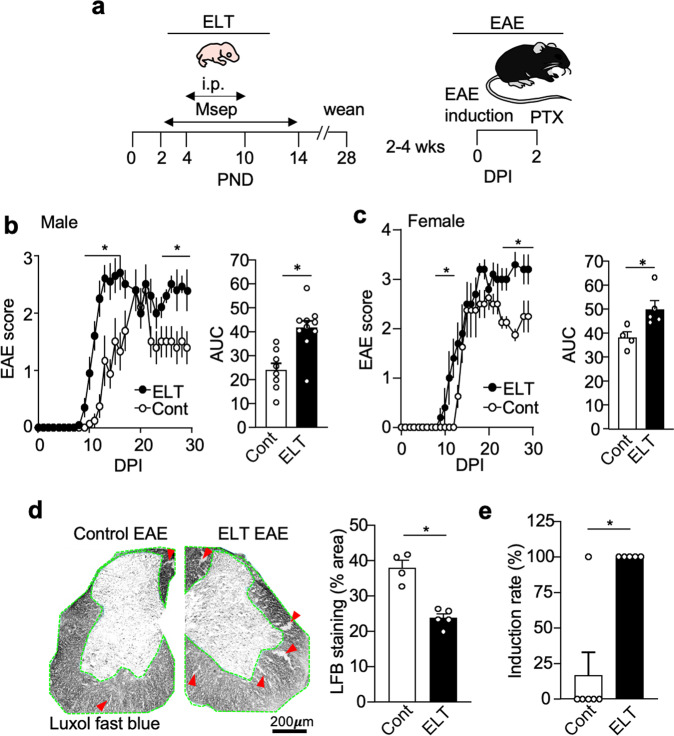
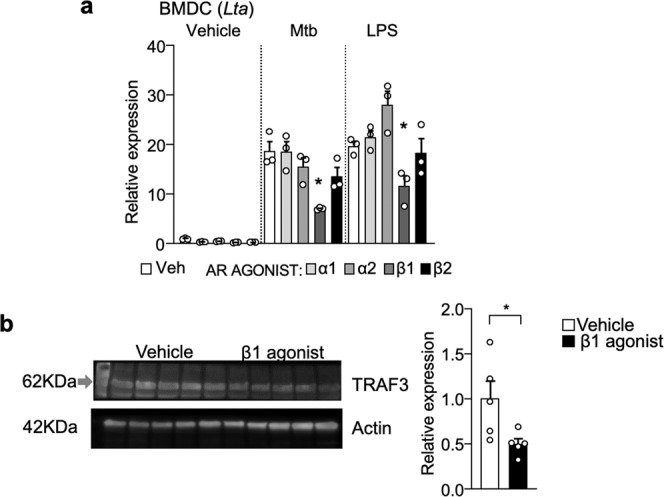
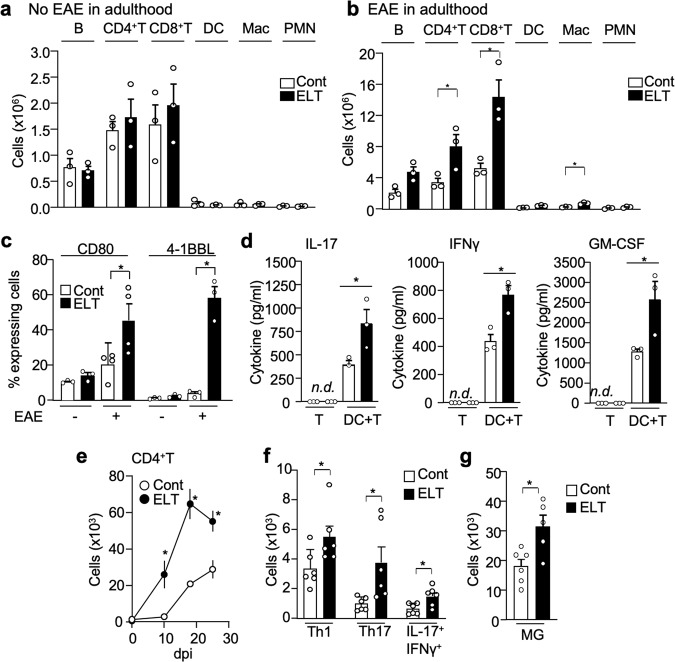
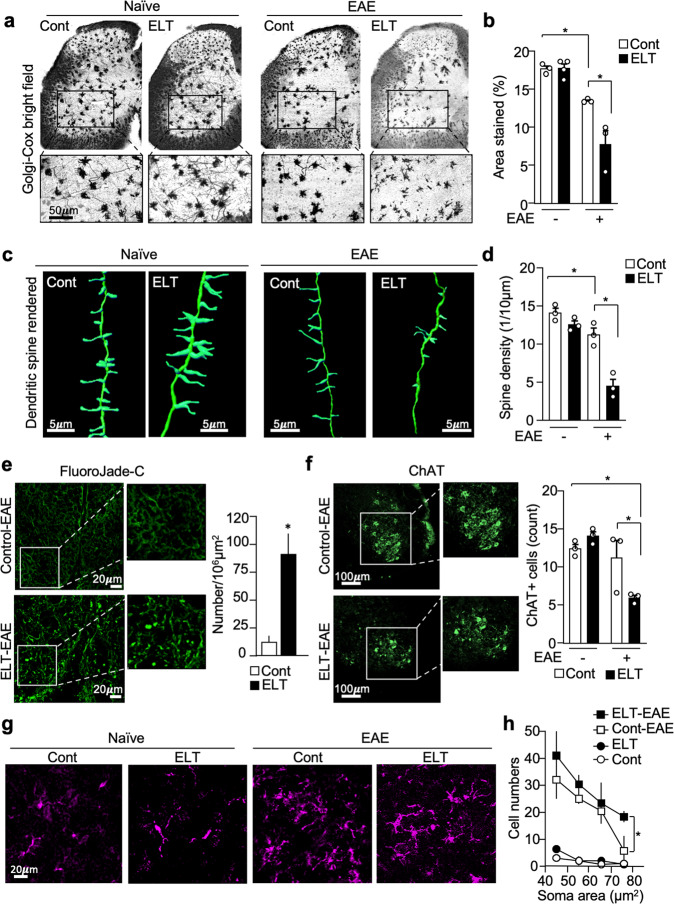
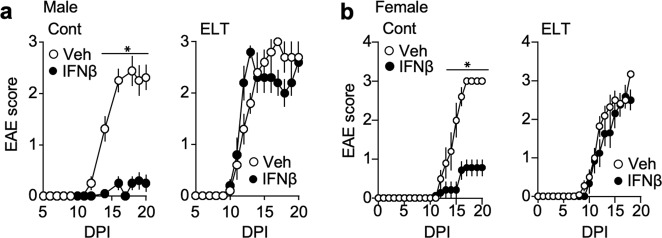
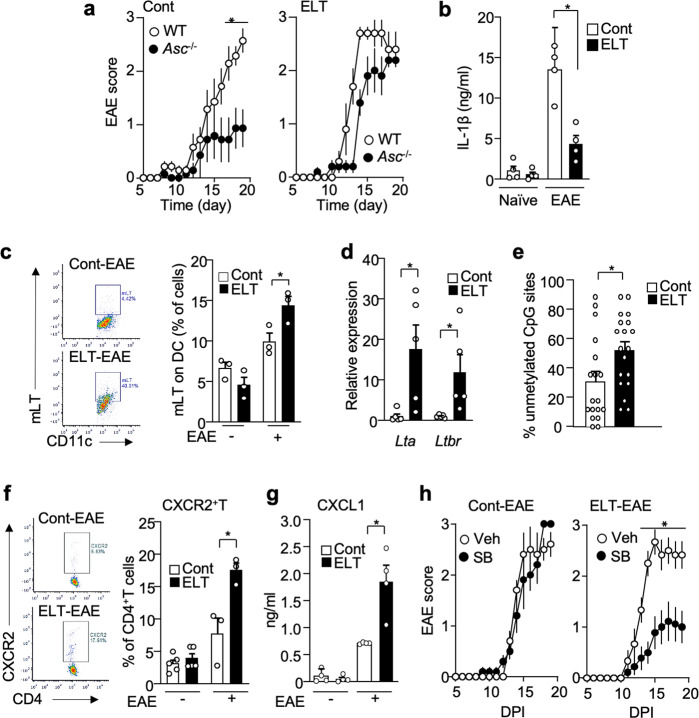
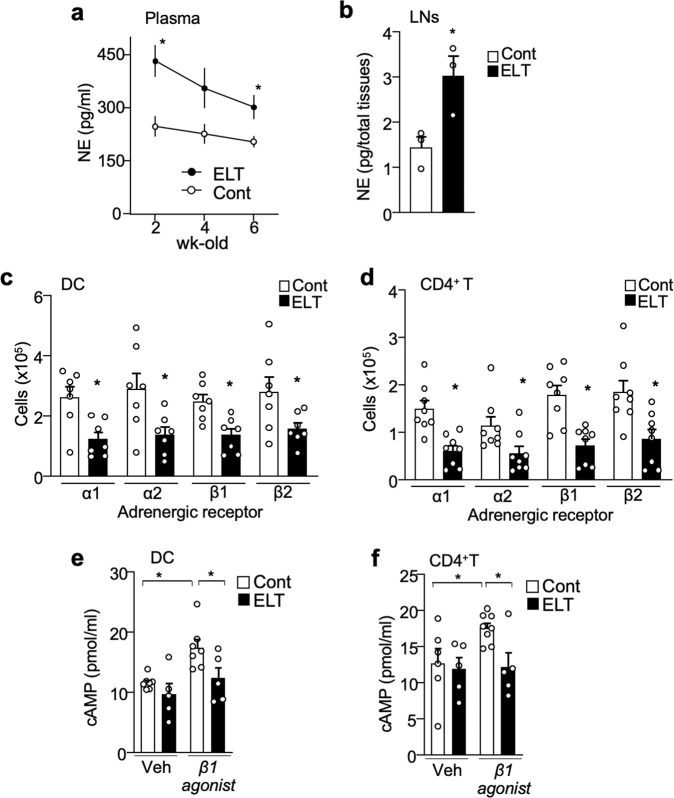
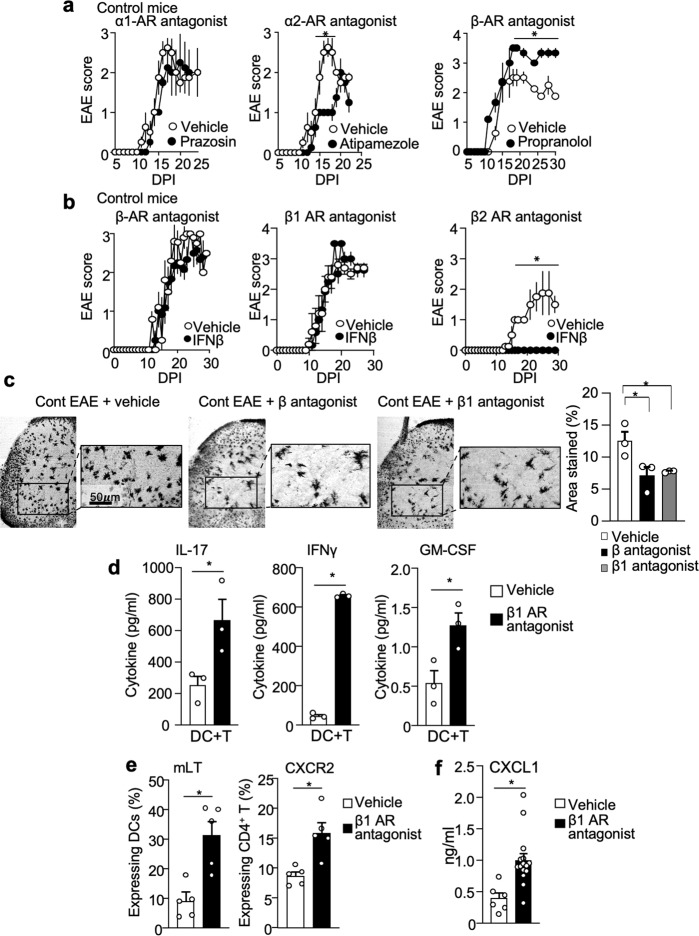
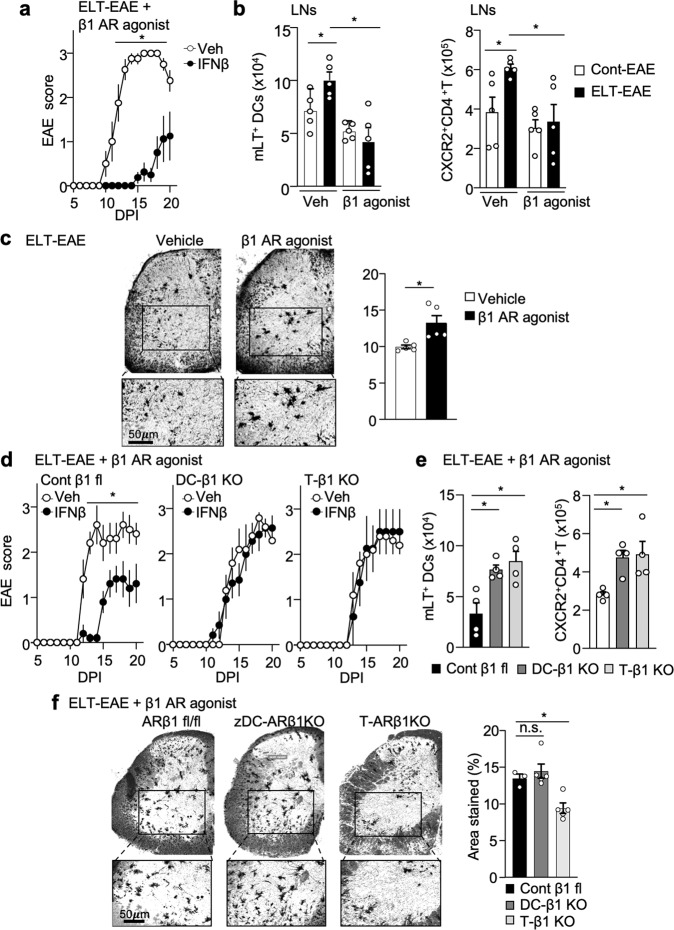
Environmental triggers have important functions in multiple sclerosis (MS) susceptibility, phenotype, and trajectory. Exposure to early life trauma (ELT) has been associated with higher relapse rates in MS patients; however, the underlying mechanisms are not well-defined. Here we show ELT induces mechanistic and phenotypical alterations during experimental autoimmune encephalitis (EAE). ELT sustains downregulation of immune cell adrenergic receptors, which can be attributed to chronic norepinephrine circulation. ELT-subjected mice exhibit interferon-β resistance and neurodegeneration driven by lymphotoxin and CXCR2 involvement. These phenotypic changes are observed in control EAE mice treated with β1 adrenergic receptor antagonist. Conversely, β1 adrenergic receptor agonist treatment to ELT mice abrogates phenotype changes via restoration of immune cell β1 adrenergic receptor function. Our results indicate that ELT alters EAE phenotype via downregulation of β1 adrenergic signaling in immune cells. These results have implications for the effect of environmental factors in provoking disease heterogeneity and might enable prediction of long-term outcomes in MS.
环境触发因素在多发性硬化症 (MS) 的易感性、表型和病程中具有重要作用。暴露于早期生活创伤 (ELT) 与 MS 患者更高的复发率有关;然而,其潜在机制尚不清楚。在这里,我们显示 ELT 在实验性自身免疫性脑脊髓炎 (EAE) 期间诱导机制和表型改变。ELT 持续下调免疫细胞肾上腺素能受体,这可归因于慢性去甲肾上腺素循环。ELT 处理的小鼠表现出干扰素-β抵抗和由淋巴毒素和 CXCR2 参与驱动的神经退行性变。在接受β1 肾上腺素能受体拮抗剂治疗的对照 EAE 小鼠中观察到这些表型变化。相反,ELT 小鼠中β1 肾上腺素能受体激动剂的治疗通过恢复免疫细胞β1 肾上腺素能受体功能来消除表型变化。我们的结果表明,ELT 通过下调免疫细胞中的β1 肾上腺素能信号来改变 EAE 的表型。这些结果对环境因素在引发疾病异质性方面的影响具有重要意义,并可能使 MS 的长期预后预测成为可能。