Laboratory of Veterinary Pharmacology, College of Veterinary Medicine and Research Institute for Veterinary Science, Seoul National University, Seoul 08826, Korea.
BMB Rep. 2021 Feb;54(2):130-135. doi: 10.5483/BMBRep.2021.54.2.210.
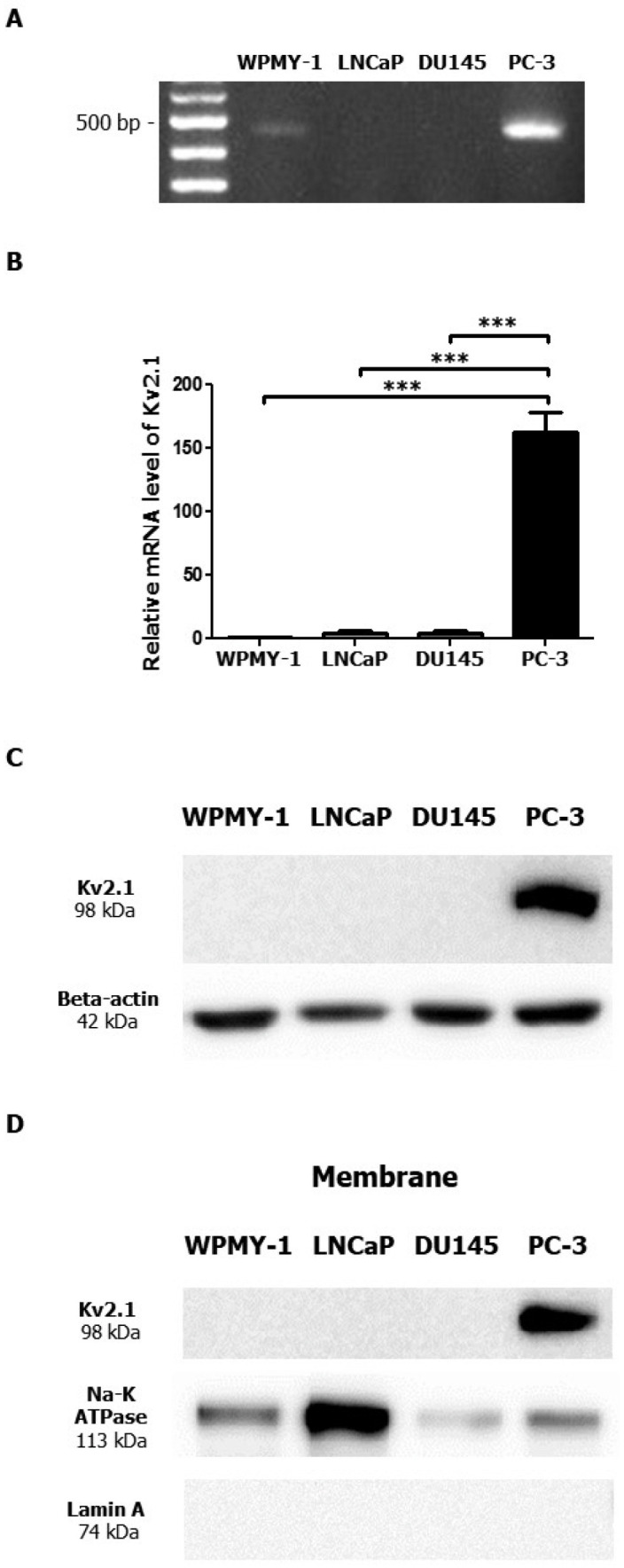
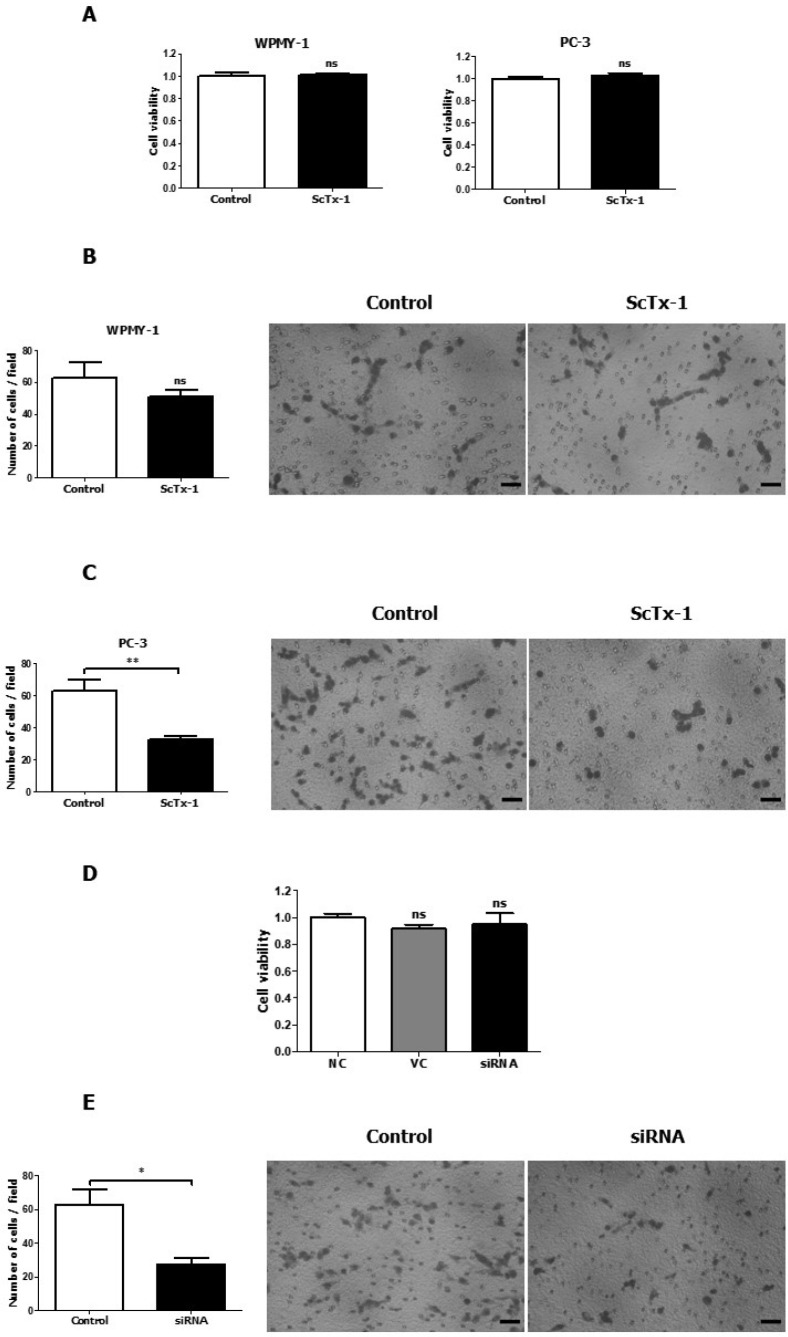
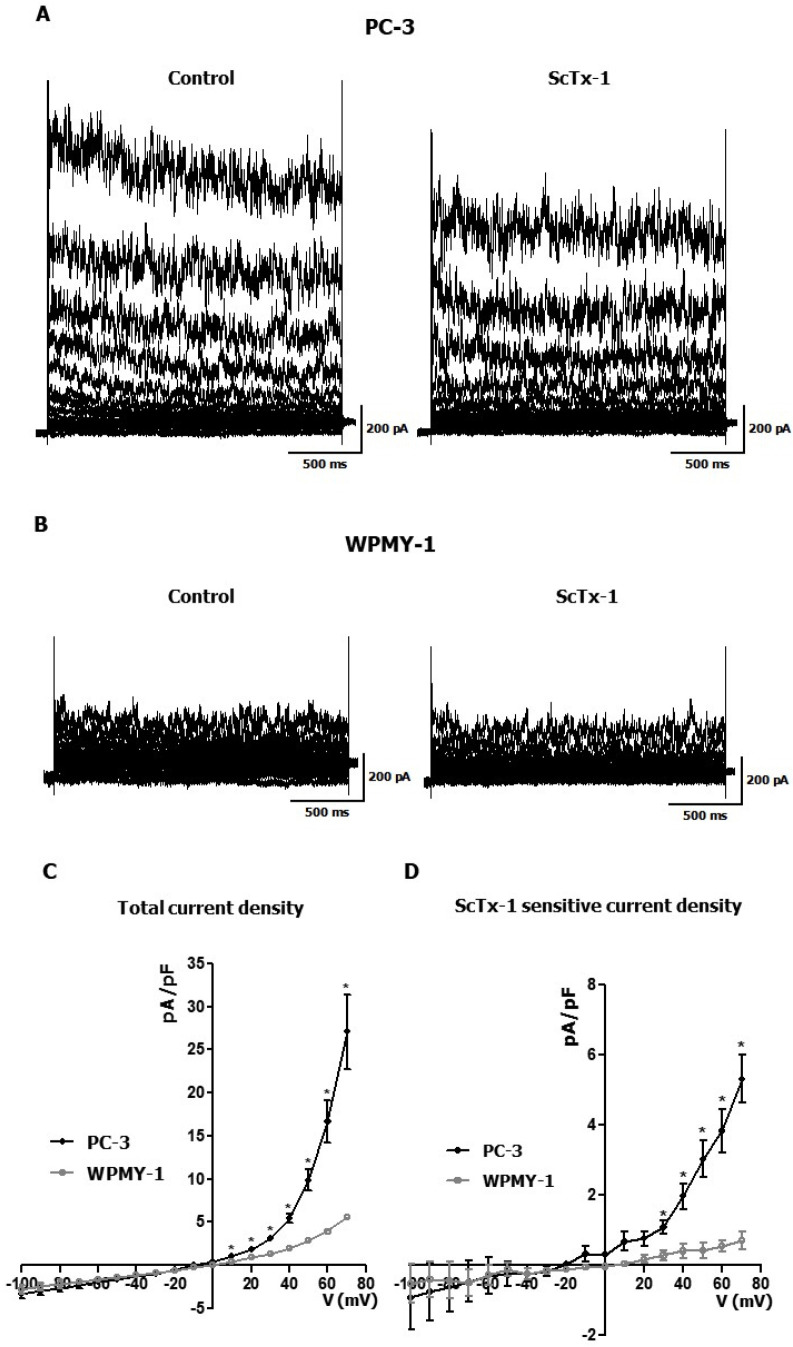
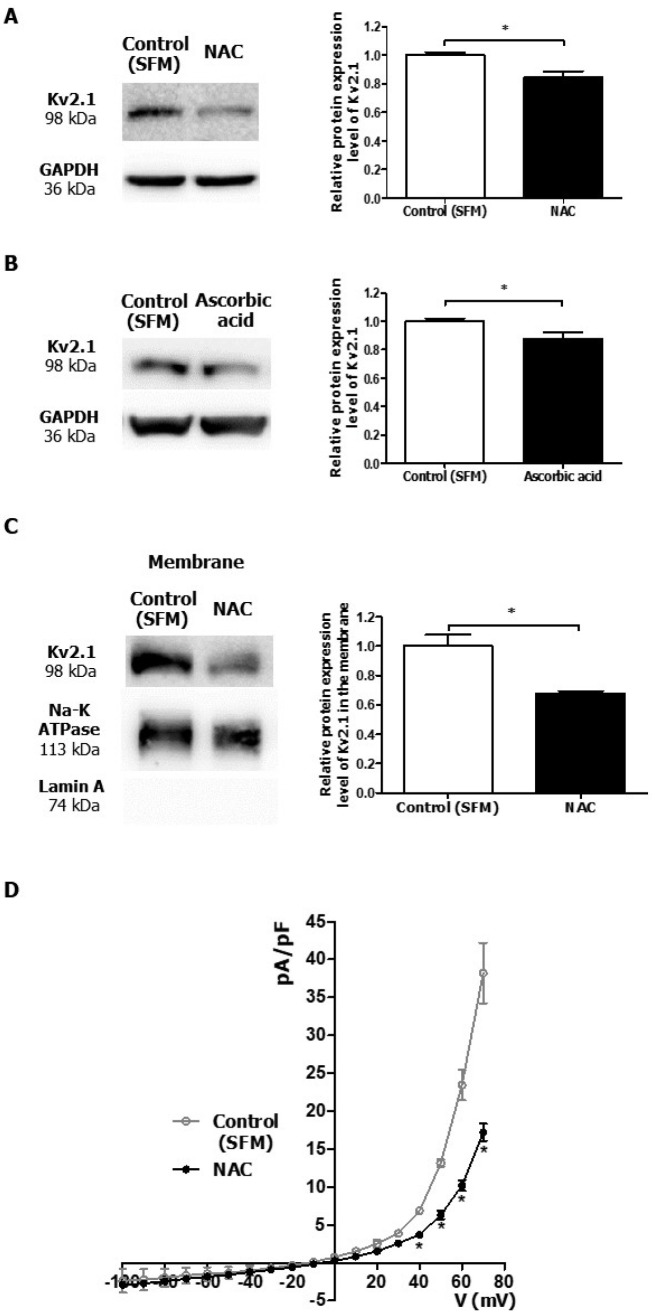
Voltage-gated potassium (Kv) channels are involved in many important cellular functions and play pivotal roles in cancer progression. The expression level of Kv2.1 was observed to be higher in the highly metastatic prostate cancer cells (PC-3), specifically in their membrane, than in immortalized prostate cells (WPMY-1 cells) and comparatively less metastatic prostate cancer cells (LNCaP and DU145 cells). However, Kv2.1 expression was significantly decreased when the cells were treated with antioxidants, such as N-acetylcysteine or ascorbic acid, implying that the highly expressed Kv2.1 could detect reactive oxygen species (ROS) in malignant prostate cancer cells. In addition, the blockade of Kv2.1 with stromatoxin-1 or siRNA targeting Kv2.1 significantly inhibited the migration of malignant prostate cancer cells. Our results suggested that Kv2.1 plays an important role as a ROS sensor and that it is a promising therapeutic molecular target in metastasis of prostate cancer. [BMB Reports 2021; 54(2): 130-135].
电压门控钾(Kv)通道参与许多重要的细胞功能,并在癌症进展中发挥关键作用。观察到 Kv2.1 的表达水平在高转移性前列腺癌细胞(PC-3)中,特别是在其膜中,高于永生化前列腺细胞(WPMY-1 细胞)和转移性较低的前列腺癌细胞(LNCaP 和 DU145 细胞)更高。然而,当用抗氧化剂(如 N-乙酰半胱氨酸或抗坏血酸)处理细胞时,Kv2.1 的表达显著降低,这表明高度表达的 Kv2.1 可以检测到恶性前列腺癌细胞中的活性氧(ROS)。此外,用 stromatoxin-1 或靶向 Kv2.1 的 siRNA 阻断 Kv2.1 显著抑制了恶性前列腺癌细胞的迁移。我们的研究结果表明,Kv2.1 作为 ROS 传感器发挥重要作用,是前列腺癌转移治疗的有前途的分子靶点。[BMB 报告 2021;54(2): 130-135]。