Division of Genetics, Department of Pediatrics, Center for Drug Discovery Innovation, Program in Immunology, Institute for Genomic Medicine, 9500 Gilman Drive MC 0762, La Jolla, California 92093, United States.
Environmental Toxicology Graduate Program and Department of Chemistry, University of California, Riverside, California 92521, United States.
ACS Chem Biol. 2021 Feb 19;16(2):324-333. doi: 10.1021/acschembio.0c00841. Epub 2021 Jan 7.
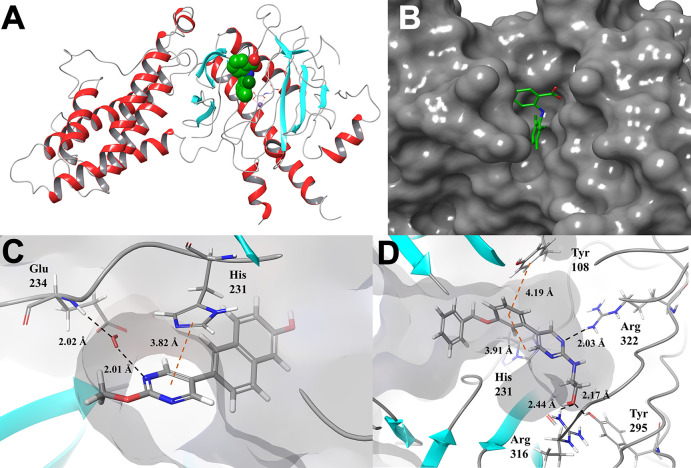
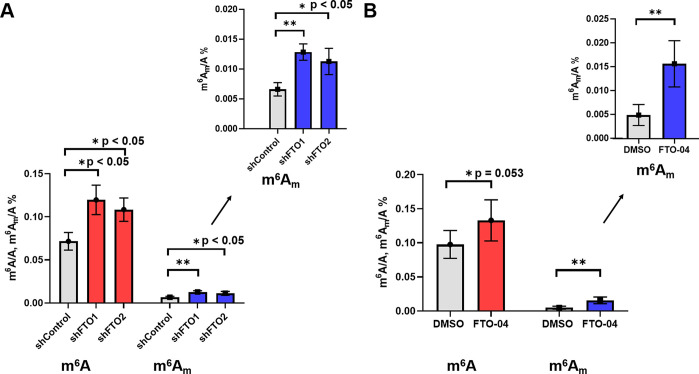
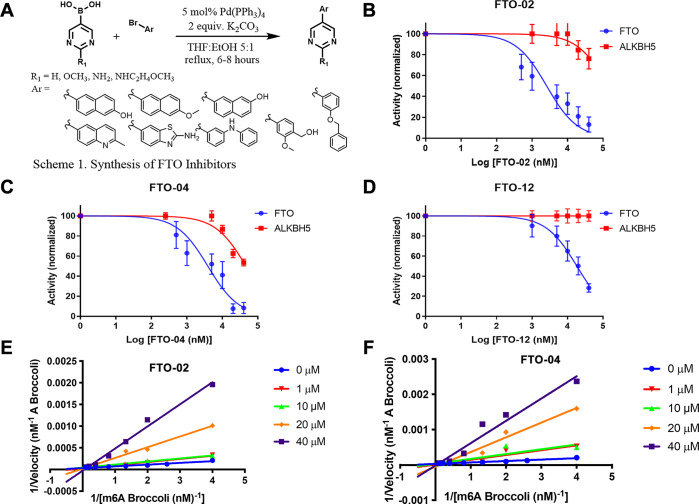
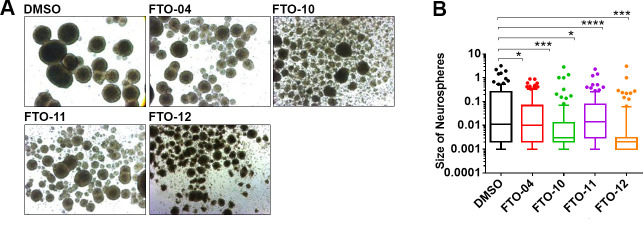
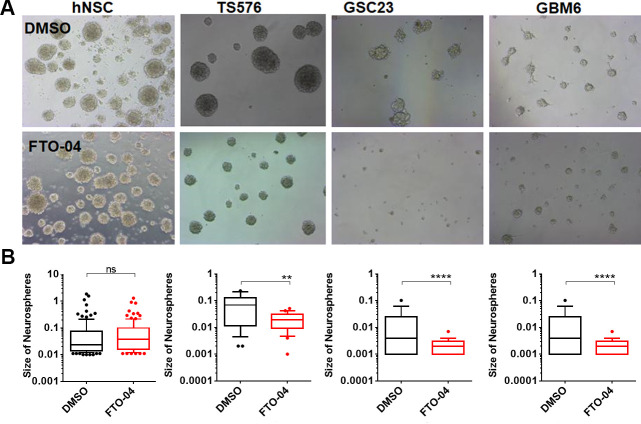
-methyladenosine (mA) has emerged as the most abundant mRNA modification that regulates gene expression in many physiological processes. mA modification in RNA controls cellular proliferation and pluripotency and has been implicated in the progression of multiple disease states, including cancer. RNA mA methylation is controlled by a multiprotein "writer" complex including the enzymatic factor methyltransferase-like protein 3 (METTL3) that regulates methylation and two "eraser" proteins, RNA demethylase ALKBH5 (ALKBH5) and fat mass- and obesity-associated protein (FTO), that demethylate mA in transcripts. FTO can also demethylate ,2'--dimethyladenosine (mA), which is found adjacent to the mG cap structure in mRNA. FTO has recently gained interest as a potential cancer target, and small molecule FTO inhibitors such as meclofenamic acid have been shown to prevent tumor progression in both acute myeloid leukemia and glioblastoma models. However, current FTO inhibitors are unsuitable for clinical applications due to either poor target selectivity or poor pharmacokinetics. In this work, we describe the structure-based design, synthesis, and biochemical evaluation of a new class of FTO inhibitors. Rational design of 20 small molecules with low micromolar IC's and specificity toward FTO over ALKBH5 identified two competitive inhibitors FTO-02 and FTO-04. Importantly, FTO-04 prevented neurosphere formation in patient-derived glioblastoma stem cells (GSCs) without inhibiting the growth of healthy neural stem cell-derived neurospheres. Finally, FTO-04 increased mA and mA levels in GSCs consistent with FTO inhibition. These results support FTO-04 as a potential new lead for treatment of glioblastoma.
N6-甲基腺嘌呤(m6A)已成为调控多种生理过程中基因表达的最丰富的 mRNA 修饰物。RNA 中的 mA 修饰控制细胞增殖和多能性,并与多种疾病状态的进展有关,包括癌症。RNA m6A 甲基化受多蛋白“写入器”复合物控制,该复合物包括酶因子甲基转移酶样蛋白 3(METTL3),其调节甲基化,以及两个“擦除器”蛋白,RNA 去甲基酶 ALKBH5(ALKBH5)和脂肪量和肥胖相关蛋白(FTO),它们使转录本中的 mA 去甲基化。FTO 还可以去甲基化 m6A,m6A 位于 mRNA 的 mG 帽结构旁边。FTO 最近作为潜在的癌症靶点引起了关注,小分子 FTO 抑制剂,如甲氯芬酸,已被证明可预防急性髓性白血病和神经胶质瘤模型中的肿瘤进展。然而,由于缺乏靶标选择性或较差的药代动力学,目前的 FTO 抑制剂不适合临床应用。在这项工作中,我们描述了基于结构的设计、合成和生化评估一类新的 FTO 抑制剂。针对 FTO 而非 ALKBH5 的 20 个小分子的合理设计,具有低微摩尔 IC50 值和特异性,鉴定出两种竞争性抑制剂 FTO-02 和 FTO-04。重要的是,FTO-04 可防止源自患者的神经胶质瘤干细胞(GSCs)中的神经球形成,而不会抑制健康神经干细胞衍生的神经球的生长。最后,FTO-04 增加了 GSCs 中的 m6A 和 m6A 水平,与 FTO 抑制一致。这些结果支持 FTO-04 作为治疗神经胶质瘤的潜在新先导物。