Department of Oral and Maxillofacial Surgery, Kobe University Graduate School of Medicine, Kusunoki-cho 7-5-2, Chuo-ku, Kobe, Hyogo, 650-0017, Japan.
Department of Infection Control and Prevention, Kobe University Hospital, Kobe, Hyogo, 650-0017, Japan.
BMC Oral Health. 2021 Jan 7;21(1):20. doi: 10.1186/s12903-020-01367-1.
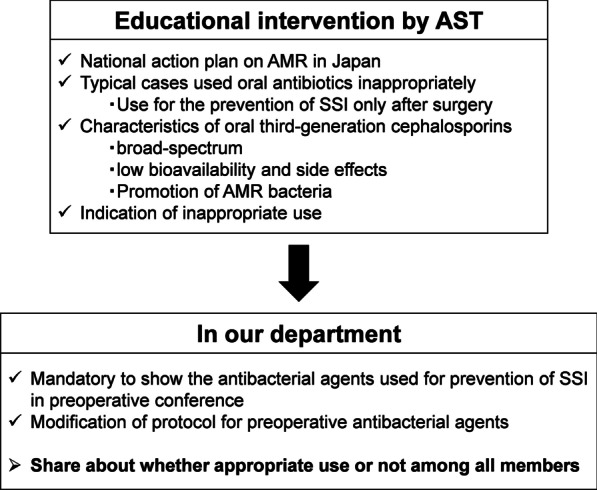
In Japan, oral third-generation cephalosporins with broad-spectrum activity are commonly prescribed in the practices of dentistry and oral surgery. However, there are few reports on the appropriate use of antibiotics in the field of oral surgery. This study aimed to evaluate the appropriateness of antibiotic use before and after an educational intervention in the Department of Oral and Maxillofacial Surgery, Kobe University Hospital.
The use of oral antibiotics was investigated among inpatients and outpatients before and after an educational intervention conducted by the antimicrobial stewardship team. Additionally, the frequency of surgical site infection after the surgical removal of an impacted third mandibular molar under general anesthesia and the prevalence of adverse effects of the prescribed antibiotics were comparatively evaluated between 2013 and 2018.
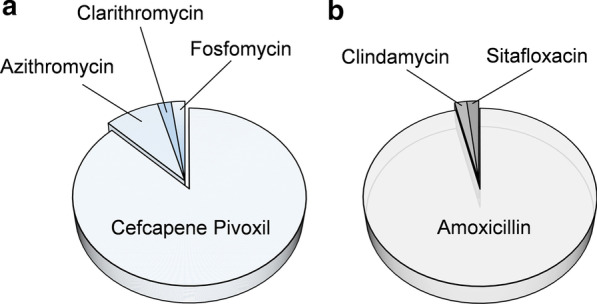
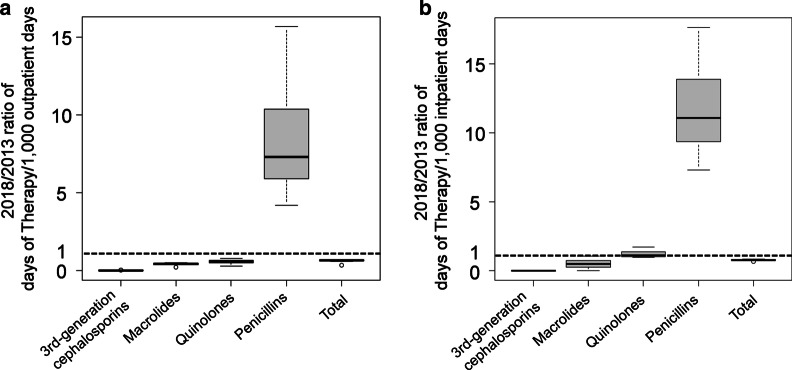
After the educational intervention, a remarkable reduction was noted in the prescription of oral third-generation cephalosporins, but increased use of penicillins was noted among outpatients. There was reduced use of macrolides and quinolones in outpatients. Although a similar trend was seen for inpatients, the use of quinolones increased in this population. Despite the change in the pattern of antibiotic prescription, inpatients who underwent mandibular third molar extraction between 2013 and 2018 did not show a significant increase in the prevalence of surgical site infections (6.2% vs. 1.8%, p = .336) and adverse effects of drugs (2.1% vs. 0%, p = .466).
This study suggests that the judicious use of oral antibiotics is possible through conscious and habitual practice of appropriate antibiotic use. However, further investigation is required to develop measures for appropriate use of oral antibiotics.
在日本,口腔颌面外科医生和牙医在临床实践中常处方第三代广谱口服头孢菌素。然而,口腔外科领域抗生素使用的相关研究较少。本研究旨在评估口腔颌面外科抗菌药物管理小组实施教育干预前后抗生素使用的适宜性。
通过抗菌药物管理团队实施教育干预前后,调查口腔颌面外科住院患者和门诊患者口服抗生素的使用情况。此外,比较 2013 年至 2018 年全麻下拔除下颌第三磨牙后手术部位感染的发生率以及处方抗生素不良反应的发生率。
教育干预后,门诊患者口服第三代头孢菌素的处方量显著减少,但青霉素的使用量增加。门诊患者大环内酯类和喹诺酮类的使用减少。尽管住院患者也有类似的趋势,但喹诺酮类药物的使用有所增加。尽管抗生素处方模式发生了变化,但 2013 年至 2018 年间接受下颌第三磨牙拔除的住院患者手术部位感染的发生率(6.2% vs. 1.8%,p=0.336)和药物不良反应的发生率(2.1% vs. 0%,p=0.466)并未显著增加。
本研究表明,通过有意识地、习惯性地实践合理使用抗生素,可以实现口服抗生素的合理使用。然而,仍需进一步研究以制定口腔抗生素合理使用的措施。