Liu Jungang, Huang Xiaoliang, Liu Haizhou, Wei Chunyin, Ru Haiming, Qin Haiquan, Lai Hao, Meng Yongsheng, Wu Guo, Xie Weishun, Mo Xianwei, Johnson Caroline H, Zhang Yawei, Tang Weizhong
Division of Colorectal & Anal Surgery, Department of Gastrointestinal Surgery, Guangxi Medical University Cancer Hospital, Nanning, 530021, Guangxi Zhuang Autonomous Region, People's Republic of China.
Guangxi Clinical Research Center for Colorectal Cancer, Nanning, Guangxi Zhuang Autonomous Region, People's Republic of China.
J Transl Med. 2021 Jan 7;19(1):27. doi: 10.1186/s12967-020-02638-9.
KRAS gene is the most common type of mutation reported in colorectal cancer (CRC). KRAS mutation-mediated regulation of immunophenotype and immune pathways in CRC remains to be elucidated.
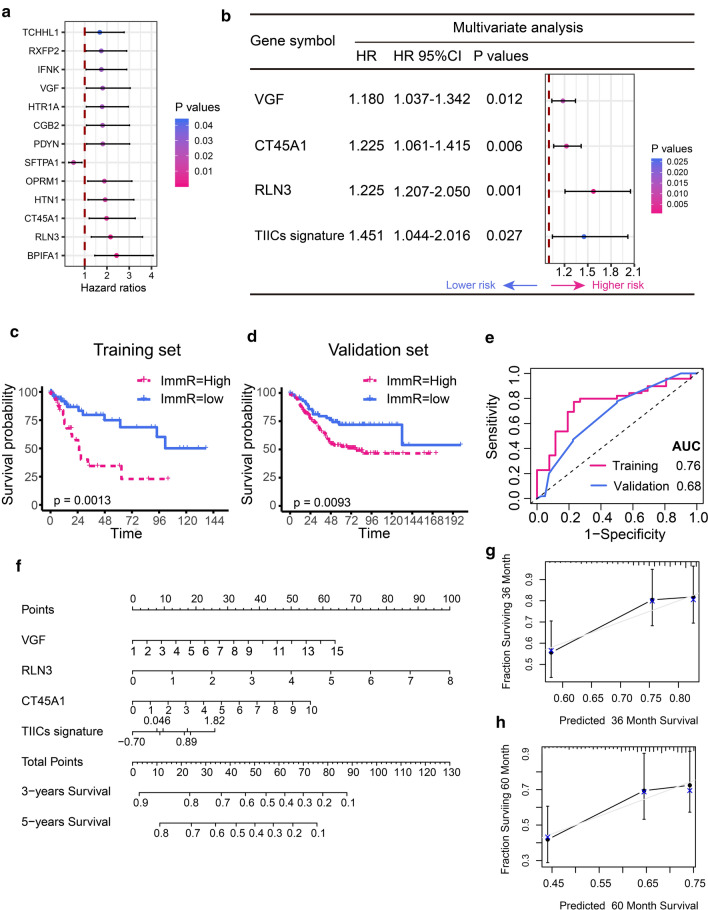
535 CRC patients were used to compare the expression of immune-related genes (IRGs) and the abundance of tumor-infiltrating immune cells (TIICs) in the tumor microenvironment between KRAS-mutant and KRAS wild-type CRC patients. An independent dataset included 566 cases of CRC and an in-house RNA sequencing dataset were served as validation sets. An in-house dataset consisting of 335 CRC patients were used to analyze systemic immune and inflammatory state in the presence of KRAS mutation. An immue risk (Imm-R) model consist of IRG and TIICs for prognostic prediction in KRAS-mutant CRC patients was established and validated.
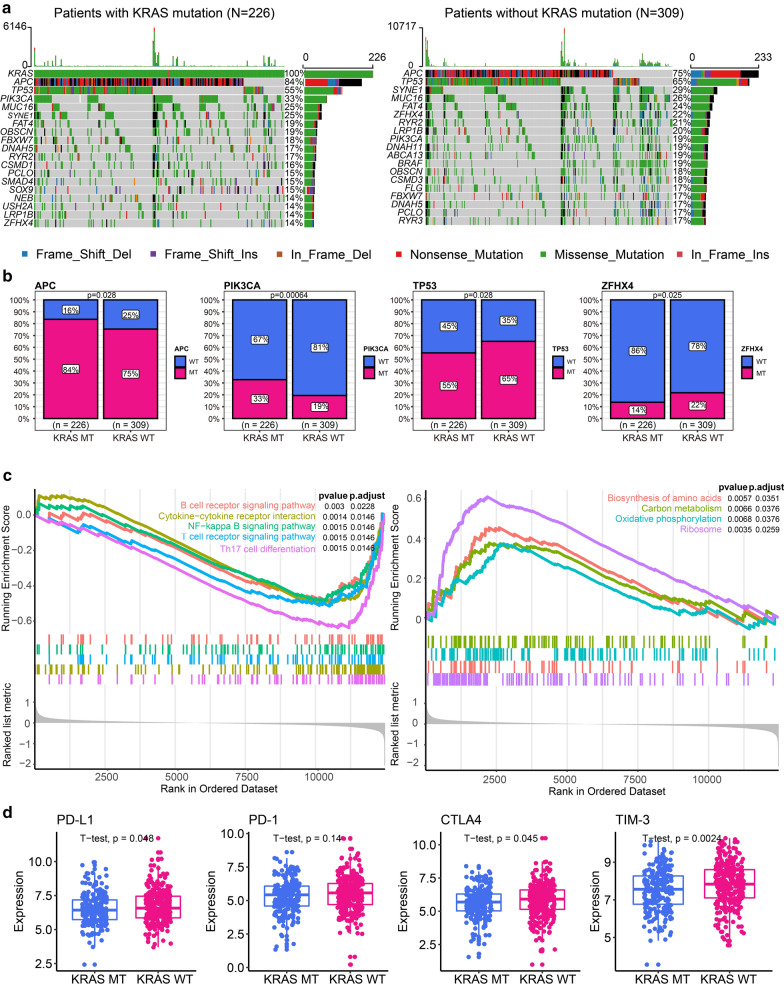
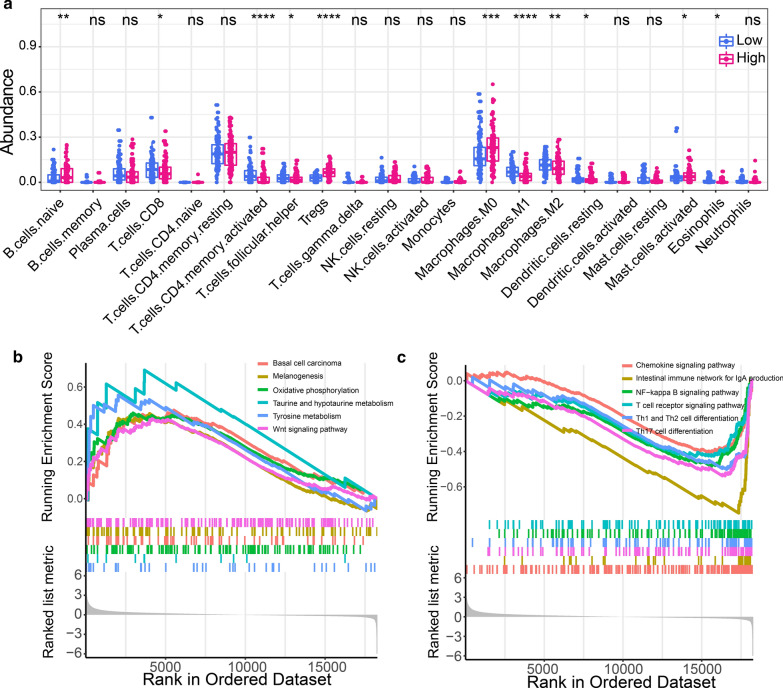
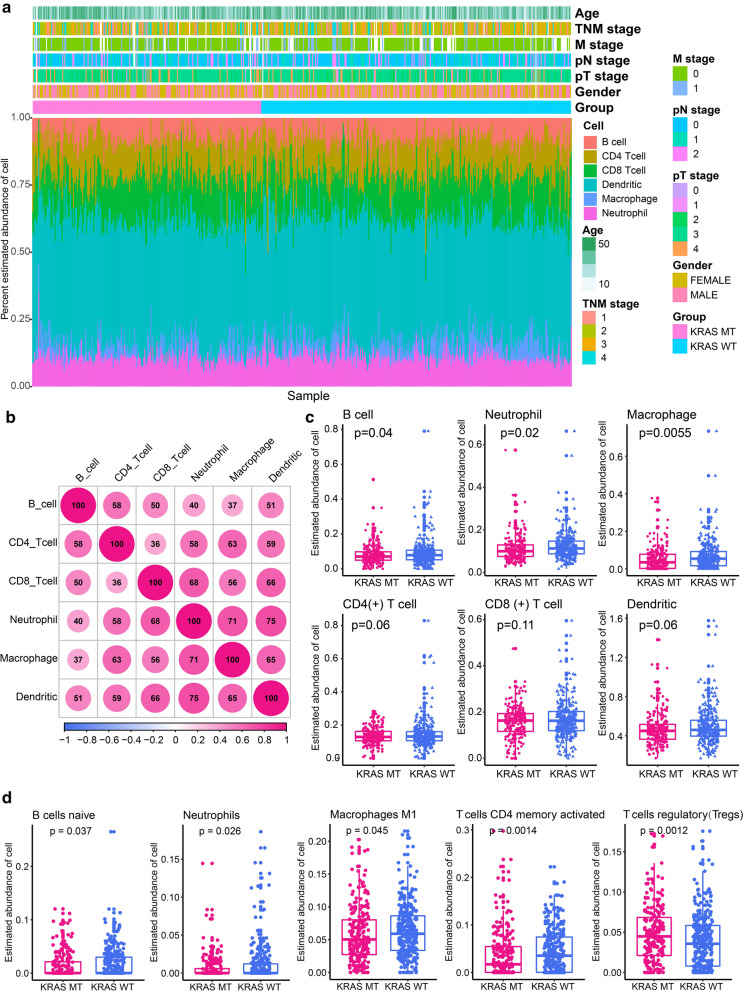
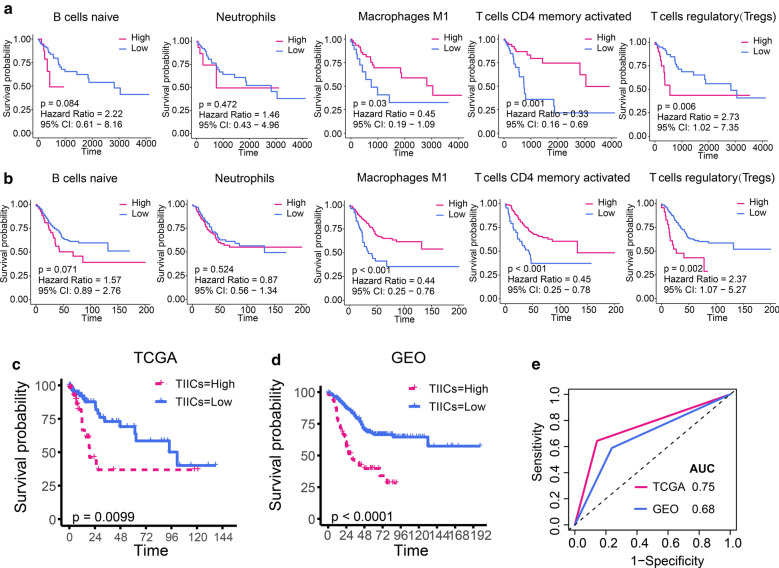
NF-κB and T-cell receptor signaling pathways were significantly inhibited in KRAS-mutant CRC patients. Regulatory T cells (Tregs) was increased while macrophage M1 and activated CD4 memory T cell was decreased in KRAS-mutant CRC. Prognosis correlated with enhanced Tregs, macrophage M1 and activated CD4 memory T cell and was validated. Serum levels of hypersensitive C-reactive protein (hs-CRP), CRP, and IgM were significantly decreased in KRAS-mutant compared to KRAS wild-type CRC patients. An immune risk model composed of VGF, RLN3, CT45A1 and TIICs signature classified CRC patients with distinct clinical outcomes.
KRAS mutation in CRC was associated with suppressed immune pathways and immune infiltration. The aberrant immune pathways and immune cells help to understand the tumor immune microenvironments in KRAS-mutant CRC patients.
KRAS基因是在结直肠癌(CRC)中报道的最常见的突变类型。KRAS突变介导的结直肠癌免疫表型和免疫途径的调节仍有待阐明。
采用535例CRC患者比较KRAS突变型和KRAS野生型CRC患者肿瘤微环境中免疫相关基因(IRGs)的表达及肿瘤浸润免疫细胞(TIICs)的丰度。一个包含566例CRC病例的独立数据集和一个内部RNA测序数据集作为验证集。使用一个由335例CRC患者组成的内部数据集分析KRAS突变情况下的全身免疫和炎症状态。建立并验证了一个由IRG和TIICs组成的免疫风险(Imm-R)模型,用于预测KRAS突变型CRC患者的预后。
KRAS突变型CRC患者的NF-κB和T细胞受体信号通路受到显著抑制。KRAS突变型CRC中调节性T细胞(Tregs)增加,而巨噬细胞M1和活化的CD4记忆T细胞减少。预后与Tregs、巨噬细胞M1和活化的CD4记忆T细胞增加相关,并得到验证。与KRAS野生型CRC患者相比,KRAS突变型患者血清超敏C反应蛋白(hs-CRP)、CRP和IgM水平显著降低。由VGF、RLN3、CT45A1和TIICs特征组成的免疫风险模型将CRC患者分为具有不同临床结局的组。
CRC中的KRAS突变与免疫途径抑制和免疫浸润相关。异常的免疫途径和免疫细胞有助于了解KRAS突变型CRC患者的肿瘤免疫微环境。