Lou Guohua, Li Aichun, Cen Yelei, Yang Qin, Zhang Tianbo, Qi Jinjin, Chen Zhi, Liu Yanning
State Key Laboratory for Diagnosis and Treatment of Infectious Diseases, National Clinical Research Center for Infectious Diseases, Collaborative Innovation Center for Diagnosis and Treatment of Infectious Diseases, The First Affiliated Hospital, College of Medicine, Zhejiang University, 79# Qingchun Road, 6A-17, Hangzhou, 310003, China.
Cell Biosci. 2021 Jan 7;11(1):9. doi: 10.1186/s13578-020-00525-w.
Acute liver failure (ALF) is associated with a high mortality rate, and there are still no effective treatments except liver transplantation and artificial liver therapies. This study aimed to determine the effects, therapeutic window and mechanisms of selonsertib, a selective inhibitor of ASK1, for ALF therapy.
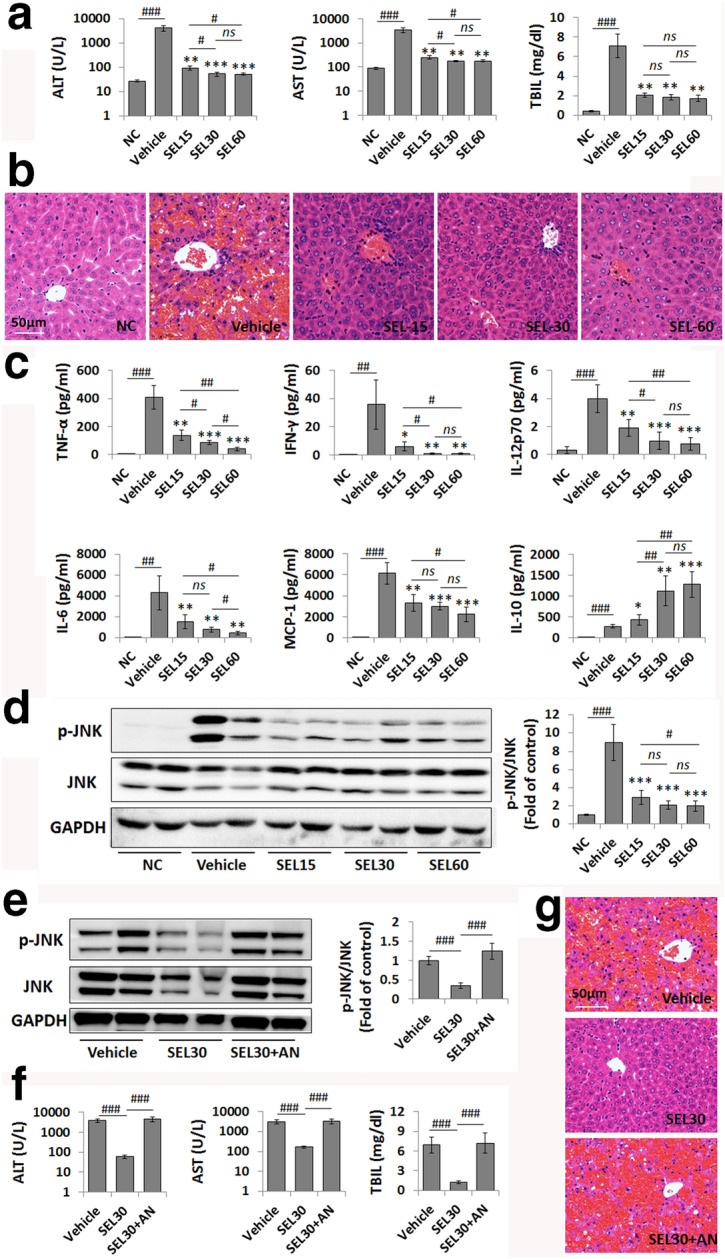
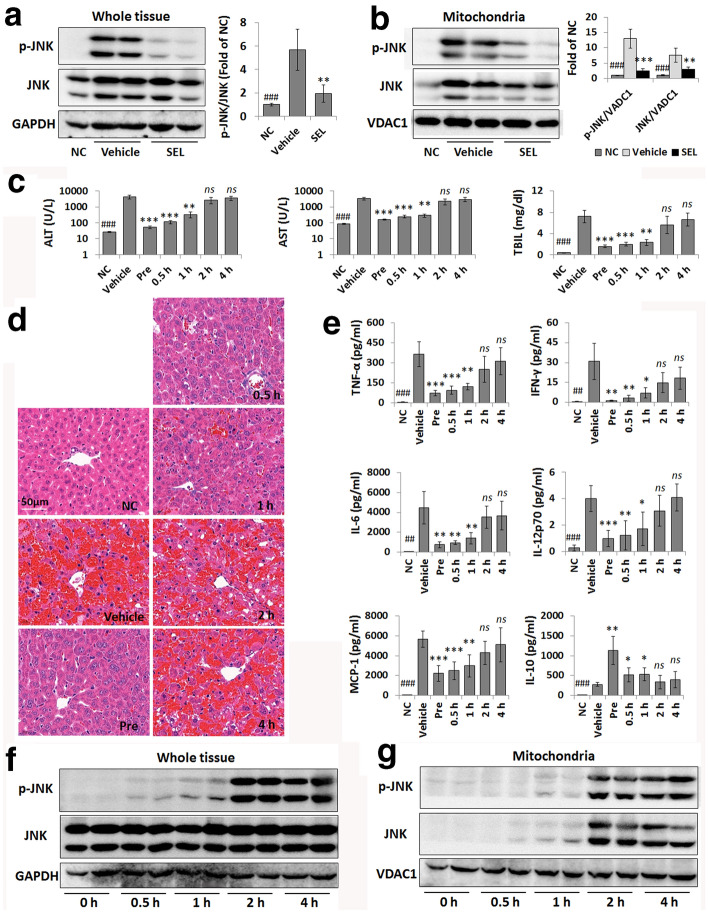
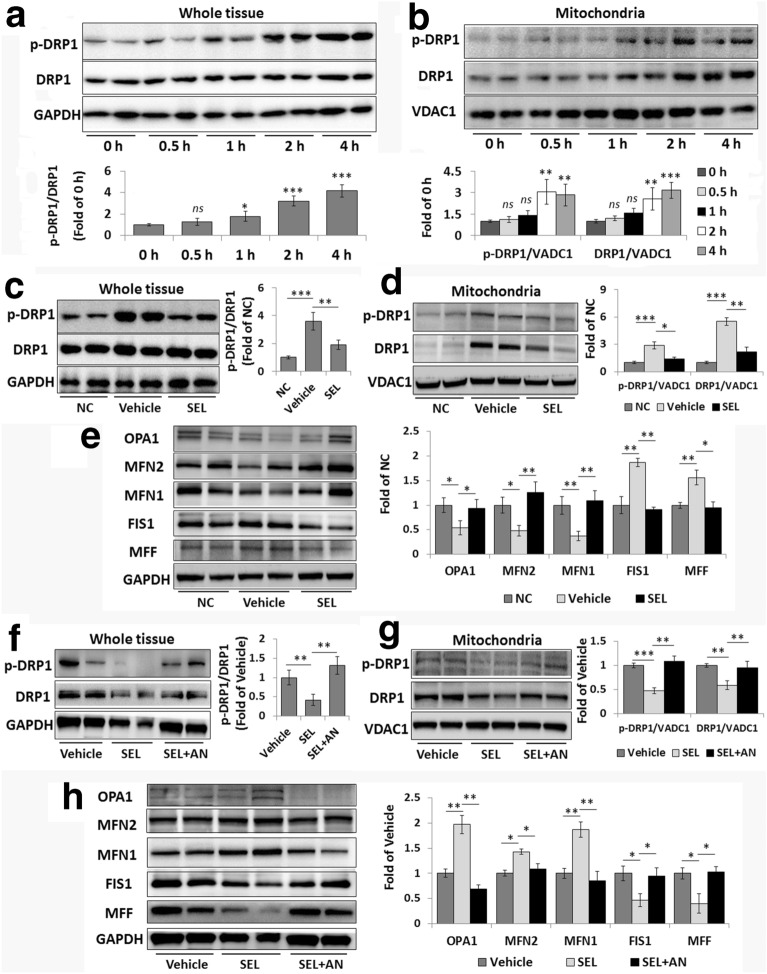
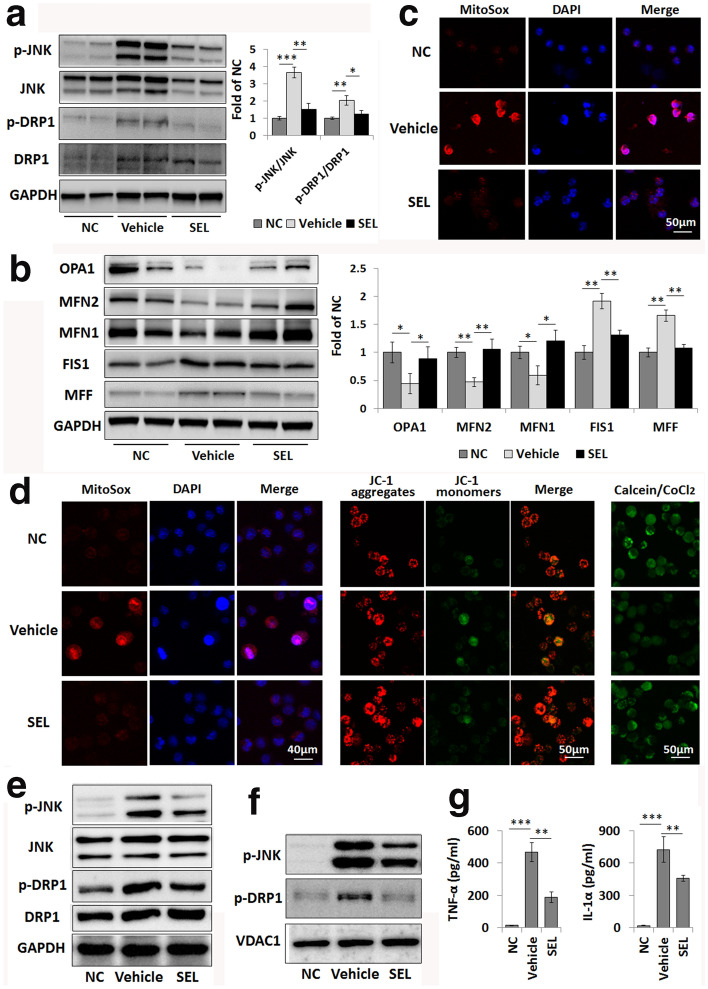
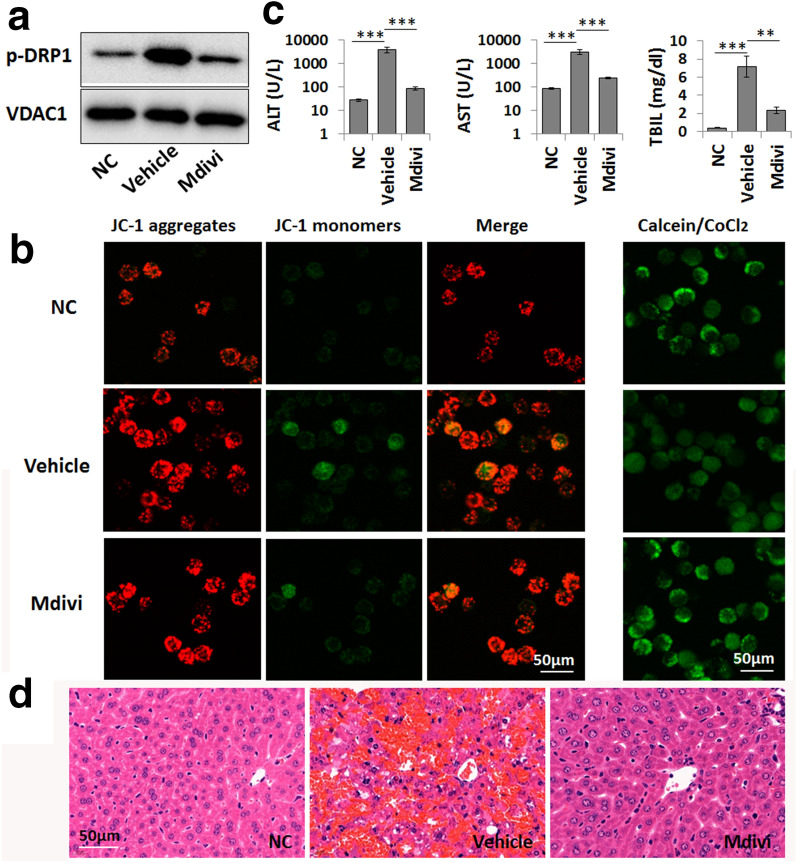
Lipopolysaccharide and D-galactosamine (LPS/GalN) were used to simulate ALF. We found that selonsertib pretreatment significantly ameliorated ALF, as determined by reduced hepatic necrosis and serum alanine aminotransferase, aspartate aminotransferase and inflammatory cytokine levels. However, selonsertib is only effective early after LPS/GalN administration, and the limited therapeutic window is related to the activation and mitochondrial translocation of JNK and DRP1. Further experiments revealed that selonsertib could alleviate LPS-induced mitochondrial damage in macrophages by evaluating the mitochondrial membrane potential and mitochondrial permeability transition pore opening in macrophages. Selonsertib also suppressed the release of inflammatory cytokines from macrophages by reducing DRP1-mediated mitochondrial dysfunction, which was confirmed by using mdivi, a specific DRP1 inhibitor.
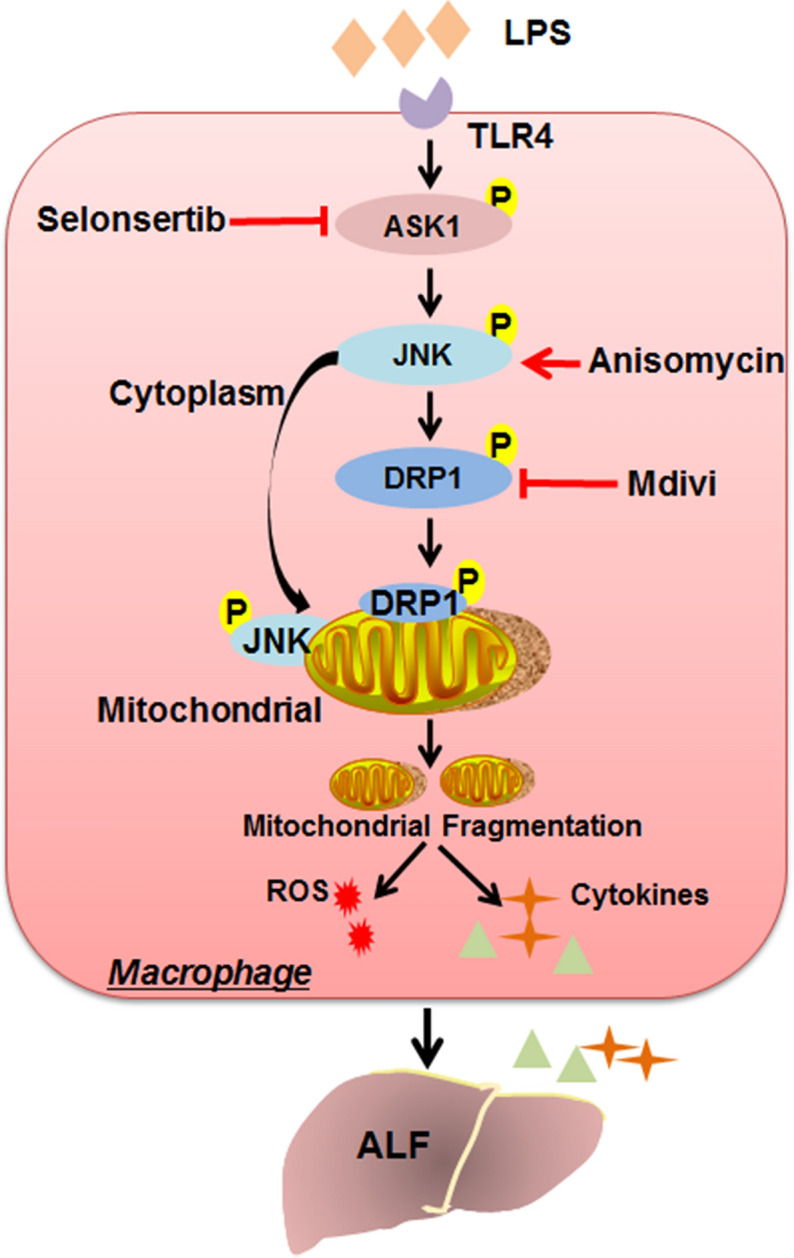
Selonsertib protected against LPS/GalN-induced ALF by attenuating JNK-mediated DRP1 mitochondrial translocation and then rescuing mitochondrial damage in macrophages and may have therapeutic potential for early ALF patients.
急性肝衰竭(ALF)死亡率高,除肝移植和人工肝治疗外,目前仍无有效治疗方法。本研究旨在确定ASK1选择性抑制剂塞洛西布对ALF治疗的效果、治疗窗及作用机制。
采用脂多糖和D-半乳糖胺(LPS/GalN)模拟ALF。我们发现,塞洛西布预处理可显著改善ALF,表现为肝坏死减轻,血清丙氨酸氨基转移酶、天冬氨酸氨基转移酶及炎性细胞因子水平降低。然而,塞洛西布仅在LPS/GalN给药后早期有效,其有限的治疗窗与JNK和DRP1的激活及线粒体转位有关。进一步实验表明,通过评估巨噬细胞的线粒体膜电位和线粒体通透性转换孔开放情况,塞洛西布可减轻LPS诱导的巨噬细胞线粒体损伤。塞洛西布还通过减少DRP1介导的线粒体功能障碍抑制巨噬细胞炎性细胞因子的释放,这一作用通过使用特异性DRP1抑制剂mdivi得到证实。
塞洛西布通过减弱JNK介导的DRP1线粒体转位,进而挽救巨噬细胞的线粒体损伤,对LPS/GalN诱导的ALF具有保护作用,可能对早期ALF患者具有治疗潜力。