Department of Biochemistry, Microbiology and Immunology, Faculty of Medicine, University of Ottawa, 451 Smyth Road, Ottawa, ON, K1H 8M5, Canada.
Department of Biology, Faculty of Science, University of Ottawa, 30 Marie Curie Ottawa, Ottawa, ON, K1N 6N5, Canada.
Cell Death Dis. 2021 Jan 4;12(1):8. doi: 10.1038/s41419-020-03308-w.
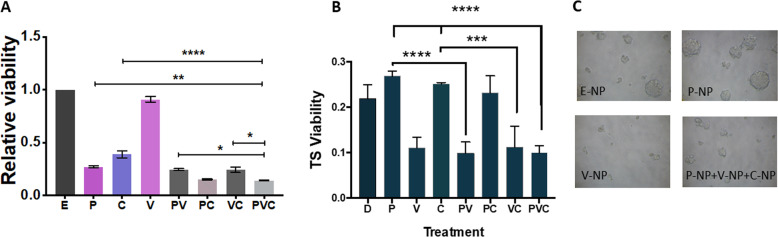
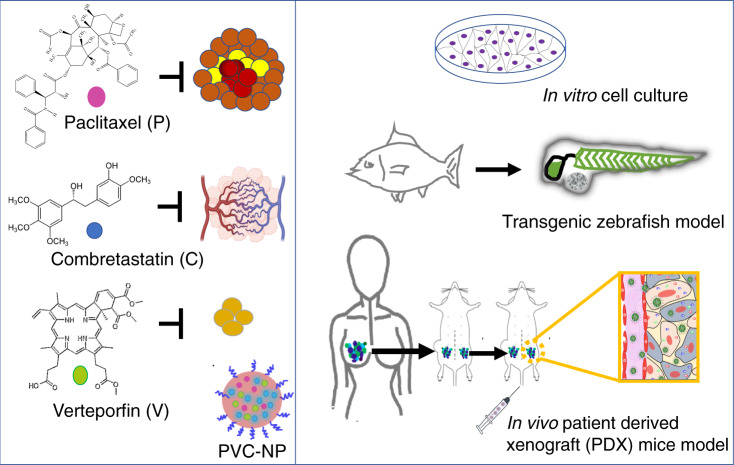
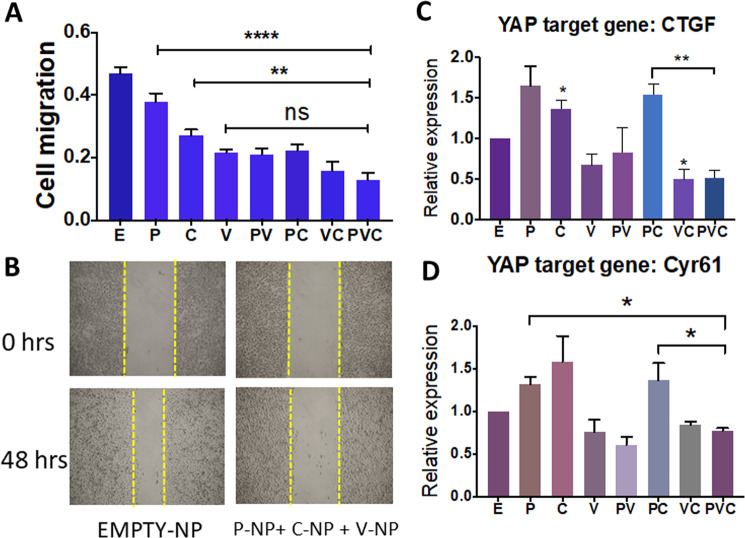
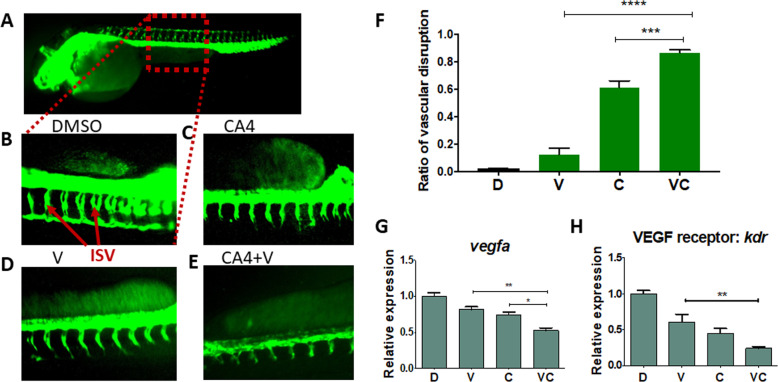
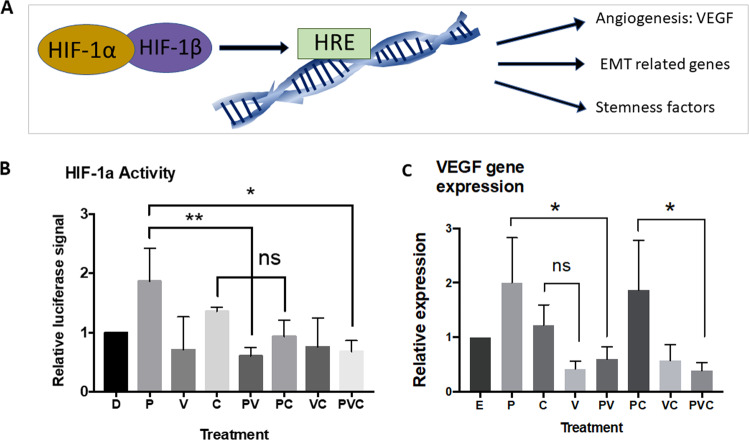
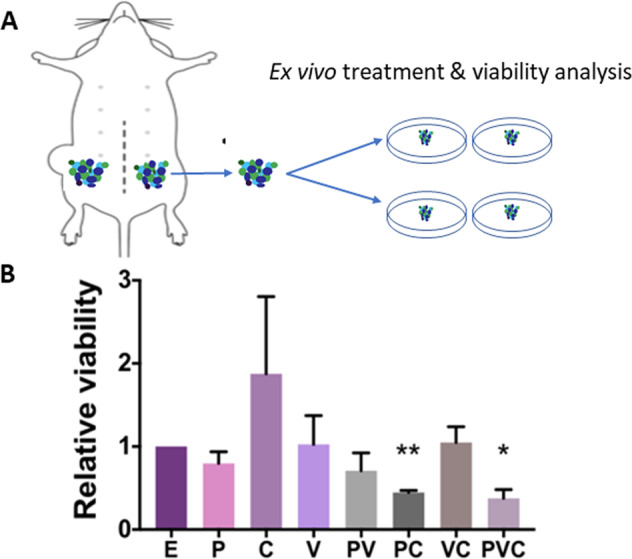
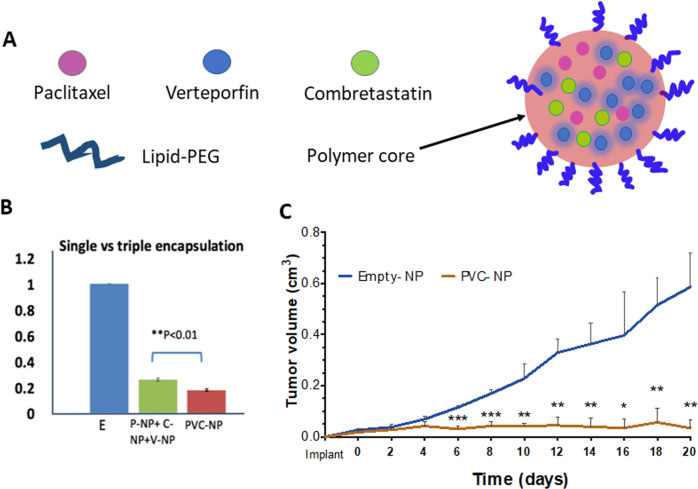
Triple-negative breast cancer (TNBC) is the most aggressive subtype of breast cancer, accounting for the majority of breast cancer-related death. Due to the lack of specific therapeutic targets, chemotherapeutic agents (e.g., paclitaxel) remain the mainstay of systemic treatment, but enrich a subpopulation of cells with tumor-initiating capacity and stem-like characteristics called cancer stem cells (CSCs); thus development of a new and effective strategy for TNBC treatment is an unmet medical need. Cancer nanomedicine has transformed the landscape of cancer drug development, allowing for a high therapeutic index. In this study, we developed a new therapy by co-encapsulating clinically approved drugs, such as paclitaxel, verteporfin, and combretastatin (CA4) in polymer-lipid hybrid nanoparticles (NPs) made of FDA-approved biomaterials. Verteporfin is a drug used in the treatment of macular degeneration and has recently been found to inhibit the Hippo/YAP (Yes-associated protein) pathway, which is known to promote the progression of breast cancer and the development of CSCs. CA4 is a vascular disrupting agent and has been tested in phase II/III of clinical trials. We found that our new three drug-NP not only effectively inhibited TNBC cell viability and cell migration, but also significantly diminished paclitaxel-induced and/or CA4-induced CSC enrichment in TNBC cells, partially through inhibiting the upregulated Hippo/YAP signaling. Combination of verteporfin and CA4 was also more effective in suppressing angiogenesis in an in vivo zebrafish model than single drug alone. The efficacy and application potential of our triple drug-NPs were further assessed by using clinically relevant patient-derived xenograft (PDX) models. Triple drug-NP effectively inhibited the viability of PDX organotypic slide cultures ex vivo and stopped the growth of PDX tumors in vivo. This study developed an approach capable of simultaneously inhibiting bulk cancer cells, CSCs, and angiogenesis.
三阴性乳腺癌(TNBC)是最具侵袭性的乳腺癌亚型,占乳腺癌相关死亡的大多数。由于缺乏特定的治疗靶点,化疗药物(如紫杉醇)仍然是系统治疗的主要手段,但会使具有肿瘤起始能力和干细胞样特征的细胞亚群丰富,称为癌症干细胞(CSC);因此,开发新的有效的 TNBC 治疗策略是未满足的医疗需求。癌症纳米医学改变了癌症药物开发的格局,使治疗指数更高。在这项研究中,我们通过共包封临床批准的药物,如紫杉醇、维替泊芬和 combretastatin(CA4),开发了一种新的治疗方法,这些药物封装在由 FDA 批准的生物材料制成的聚合物-脂质杂化纳米颗粒(NP)中。维替泊芬是一种用于治疗黄斑变性的药物,最近发现它可以抑制 Hippo/YAP(Yes 相关蛋白)通路,该通路已知可促进乳腺癌的进展和 CSC 的发展。CA4 是一种血管破坏剂,已在 II/III 期临床试验中进行了测试。我们发现,我们的新三药-NP 不仅能有效抑制 TNBC 细胞活力和细胞迁移,而且还能显著减少 TNBC 细胞中紫杉醇诱导和/或 CA4 诱导的 CSC 富集,部分是通过抑制上调的 Hippo/YAP 信号。与单独使用单一药物相比,维替泊芬和 CA4 的联合使用在体内斑马鱼模型中更能有效地抑制血管生成。我们还使用临床相关的患者来源异种移植(PDX)模型进一步评估了三药-NP 的疗效和应用潜力。三药-NP 有效地抑制了体外 PDX 器官型幻灯片培养物的活力,并阻止了体内 PDX 肿瘤的生长。这项研究开发了一种能够同时抑制肿瘤细胞、CSC 和血管生成的方法。