Third Affiliated Hospital, Center for DAMP Biology, Key Laboratory for Major Obstetric Diseases of Guangdong Province, Key Laboratory of Reproduction and Genetics of Guangdong Higher Education Institutes, Protein Modification and Degradation Laboratory, Guangzhou Medical University, Guangzhou, China.
Department of Infectious Diseases and State Key Laboratory of Viral Hepatitis, Xiangya Hospital, Central South University, Changsha, China.
Hepatology. 2018 May;67(5):1823-1841. doi: 10.1002/hep.29663. Epub 2018 Apr 1.
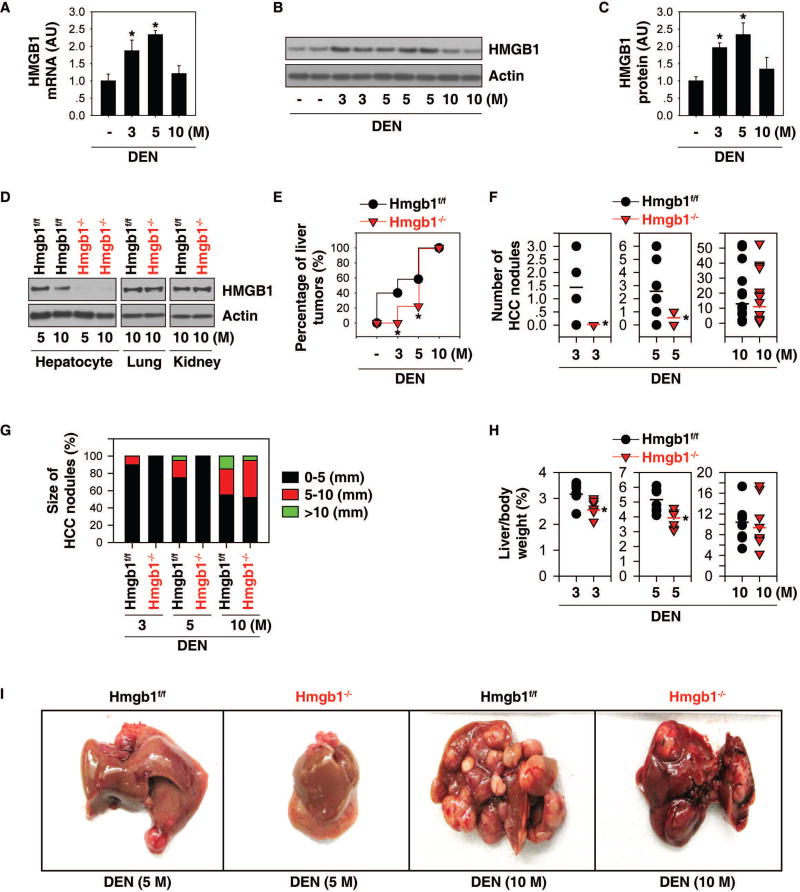
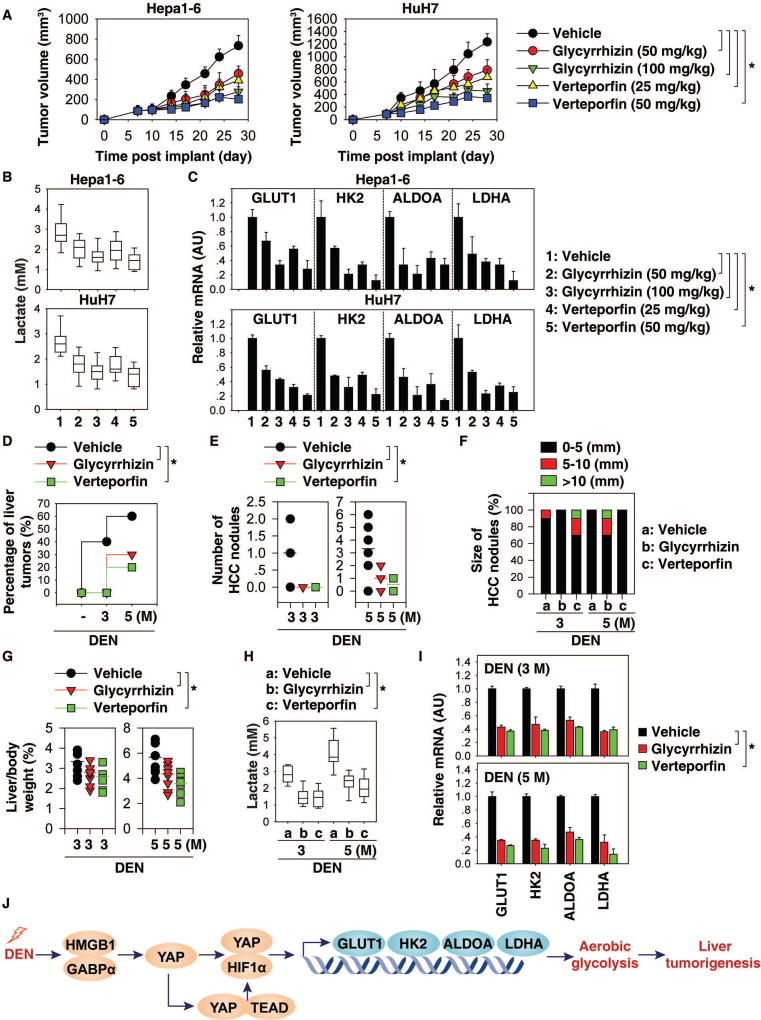
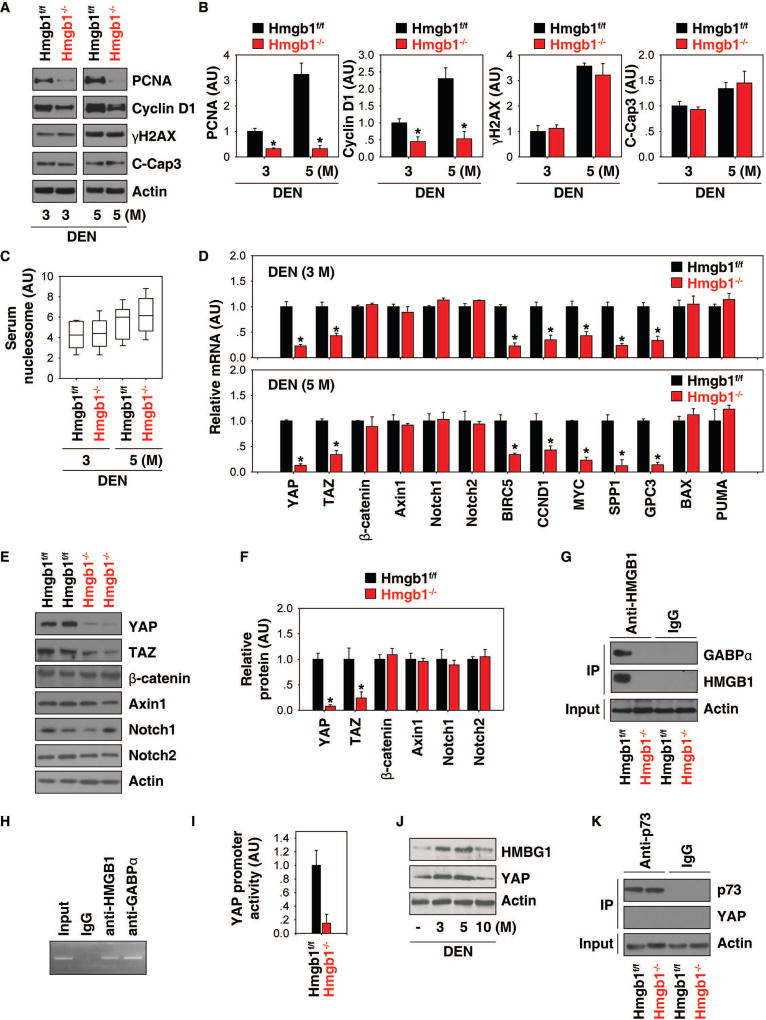
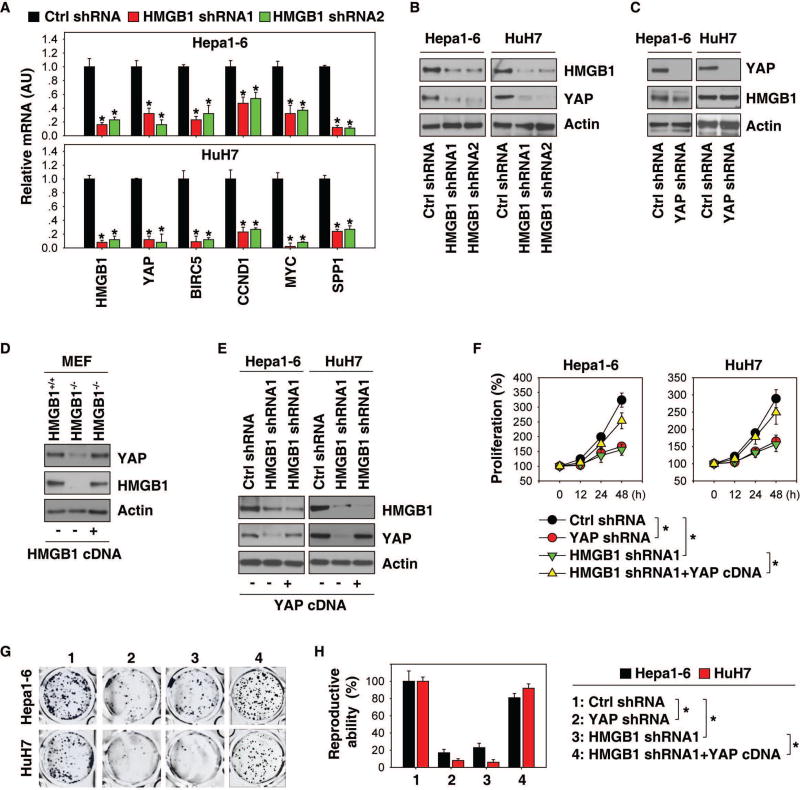
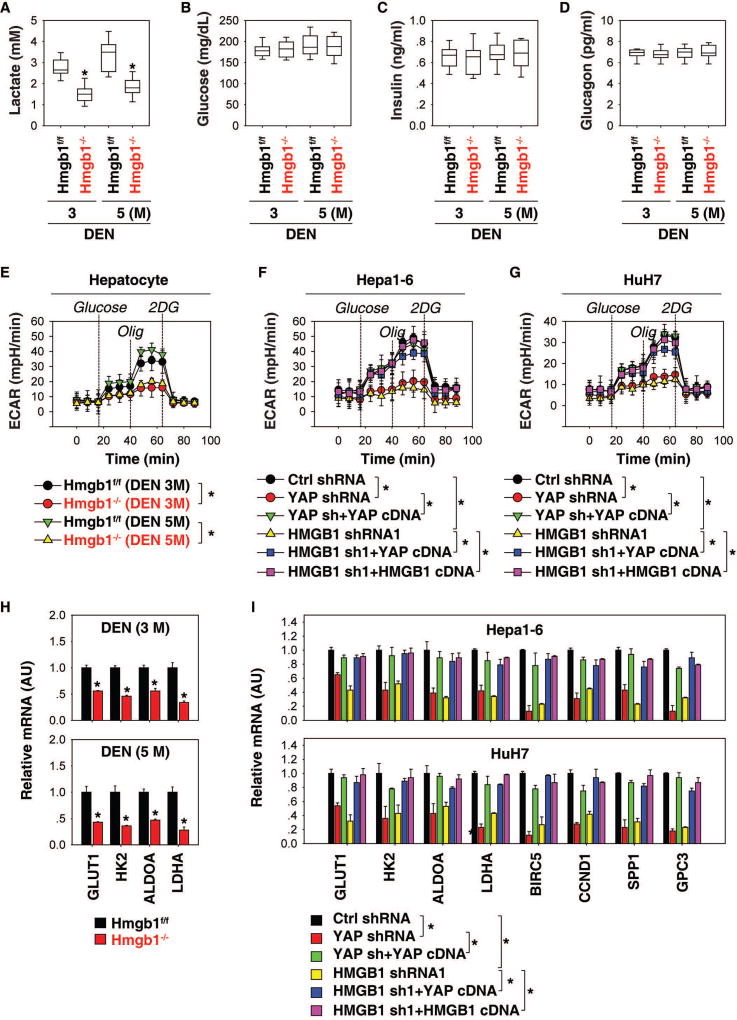
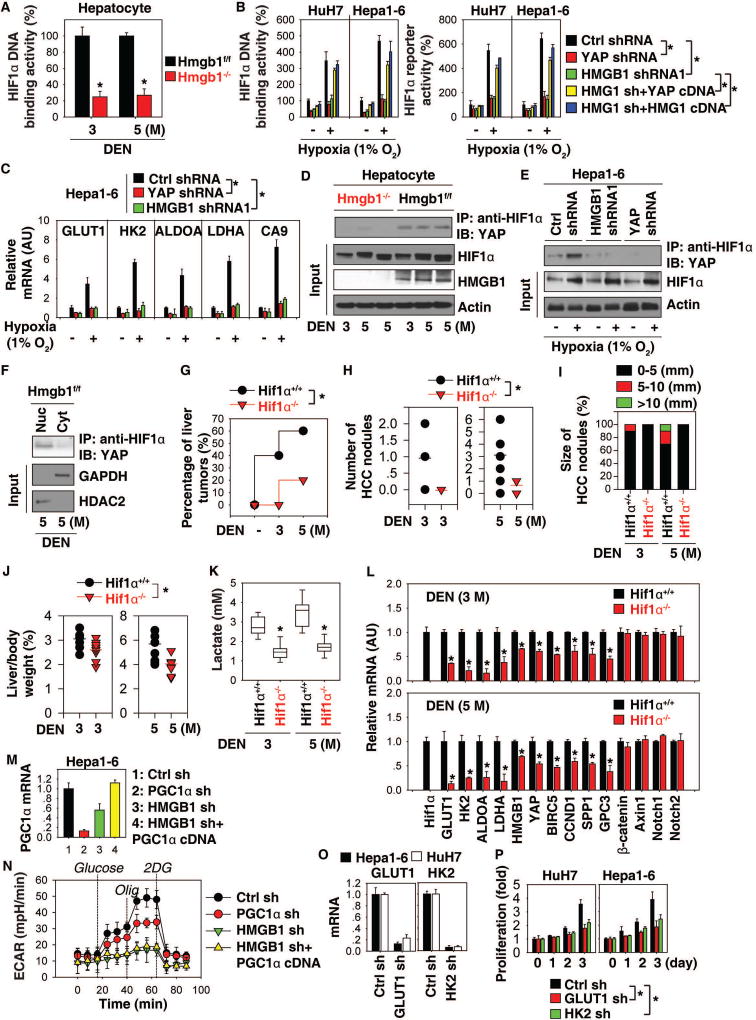
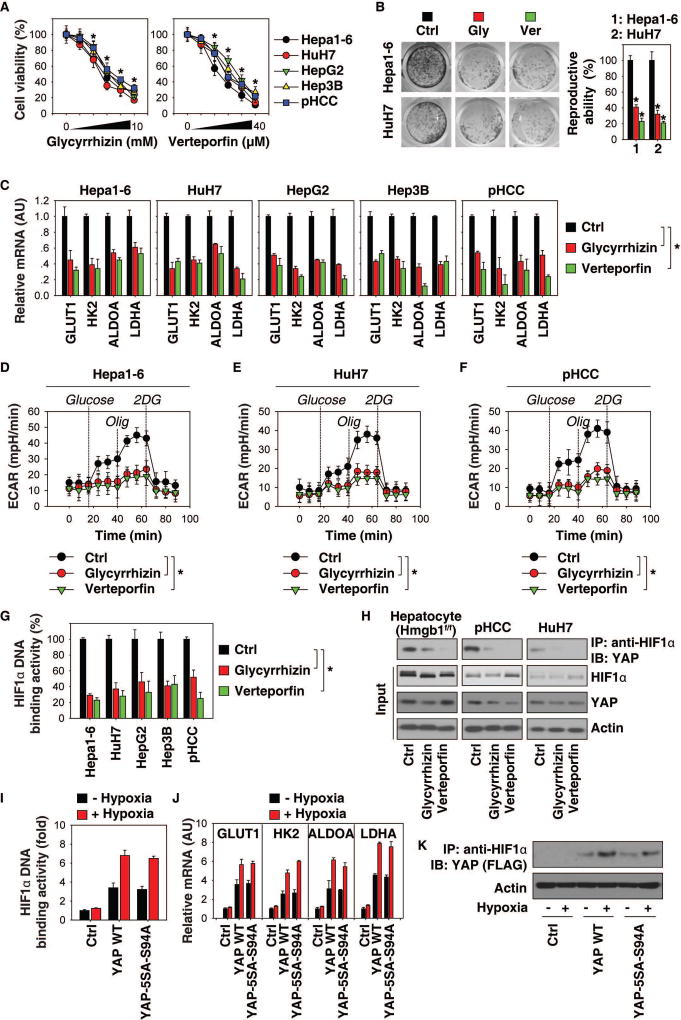
Emerging studies have suggested that the Hippo pathway is involved in the tumorigenesis of hepatocellular carcinoma (HCC). However, the key regulator of the Hippo pathway in liver tumor metabolic reprogramming remains elusive. Here, we provide evidence that high mobility group box 1 (HMGB1), a chromosomal protein, plays a role in the regulation of the Hippo pathway during liver tumorigenesis. Cre/loxP recombination-mediated HMGB1 depletion in hepatocytes blocks diethylnitrosamine-induced liver cancer initiation in mice, whereas short hairpin RNA-mediated gene silencing of HMGB1 inhibits HCC cell proliferation. Mechanistically, the binding of HMGB1 to GA-binding protein alpha promotes the expression of yes-associated protein (YAP), a major downstream effector of the Hippo pathway that contributes to liver tumorigenesis by inducing hypoxia-inducible factor 1α (HIF1α)-dependent aerobic glycolysis. Like wild-type YAP-complementary DNA, YAP-5SA-S94A can restore HIF1α DNA binding activity, glycolysis-associated gene expression, and HIF1α-YAP complex formation in YAP-knockdown HCC cell lines. In contrast, verteporfin, a reagent targeting the interface between YAP and TEA domain transcription factor, has the ability to block YAP-HIF1α complex formation. Notably, genetic or pharmacologic inhibition of the HMGB1-YAP-HIF1α pathway confers protection against excessive glycolysis and tumor growth in mice.
These findings demonstrate that HMGB1 plays a novel role in modulating the YAP-dependent HIF1α pathway and shed light on the development of metabolism-targeting therapeutics for HCC chemoprevention. (Hepatology 2018;67:1823-1841).
新兴研究表明 Hippo 通路参与了肝细胞癌(HCC)的肿瘤发生。然而,肝肿瘤代谢重编程中 Hippo 通路的关键调节因子仍不清楚。在这里,我们提供的证据表明,高迁移率族蛋白 1(HMGB1),一种染色体蛋白,在肝肿瘤发生过程中对 Hippo 通路的调节中发挥作用。通过 Cre/loxP 重组介导的肝细胞 HMGB1 耗竭可阻止二乙基亚硝胺诱导的肝癌发生,而短发夹 RNA 介导的 HMGB1 基因沉默则抑制 HCC 细胞增殖。在机制上,HMGB1 与 GA 结合蛋白α的结合促进了 yes 相关蛋白(YAP)的表达,YAP 是 Hippo 通路的主要下游效应物,通过诱导缺氧诱导因子 1α(HIF1α)依赖性有氧糖酵解促进肝肿瘤发生。与野生型 YAP-cDNA 一样,YAP-5SA-S94A 可以恢复 YAP 敲低 HCC 细胞系中的 HIF1α DNA 结合活性、糖酵解相关基因表达和 HIF1α-YAP 复合物形成。相比之下,verteporfin,一种靶向 YAP 和 TEA 结构域转录因子之间界面的试剂,具有阻断 YAP-HIF1α 复合物形成的能力。值得注意的是,HMGB1-YAP-HIF1α 通路的遗传或药理学抑制可防止小鼠过度糖酵解和肿瘤生长。
这些发现表明 HMGB1 在调节 YAP 依赖性 HIF1α 通路中发挥新的作用,并为 HCC 化学预防的代谢靶向治疗的发展提供了依据。(《肝脏病学》2018;67:1823-1841)。