He Caigu, Zheng Xuehua, Lin Xiuhong, Chen Xinying, Shen Chenyi
Department of Histology and Embryology, Fujian University of Traditional Chinese Medicine, Fuzhou, Fujian 350122, China.
Laboratory of Integration of Traditional and Western Medicine, Fujian University of Traditional Chinese Medicine, Fuzhou, Fujian 350122, China.
Evid Based Complement Alternat Med. 2020 Dec 14;2020:8878259. doi: 10.1155/2020/8878259. eCollection 2020.
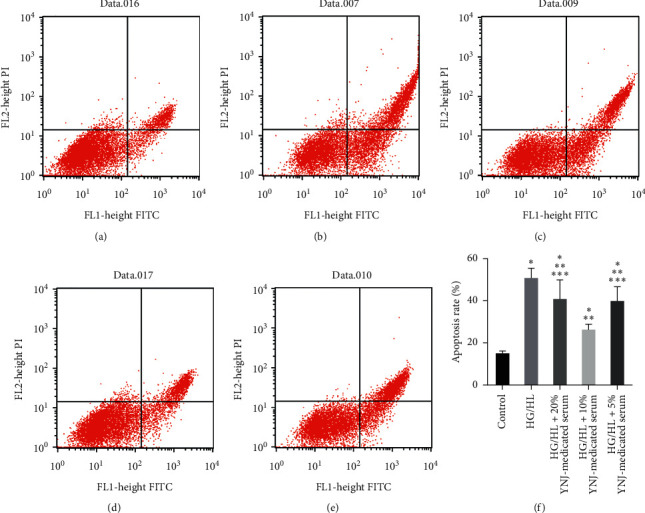
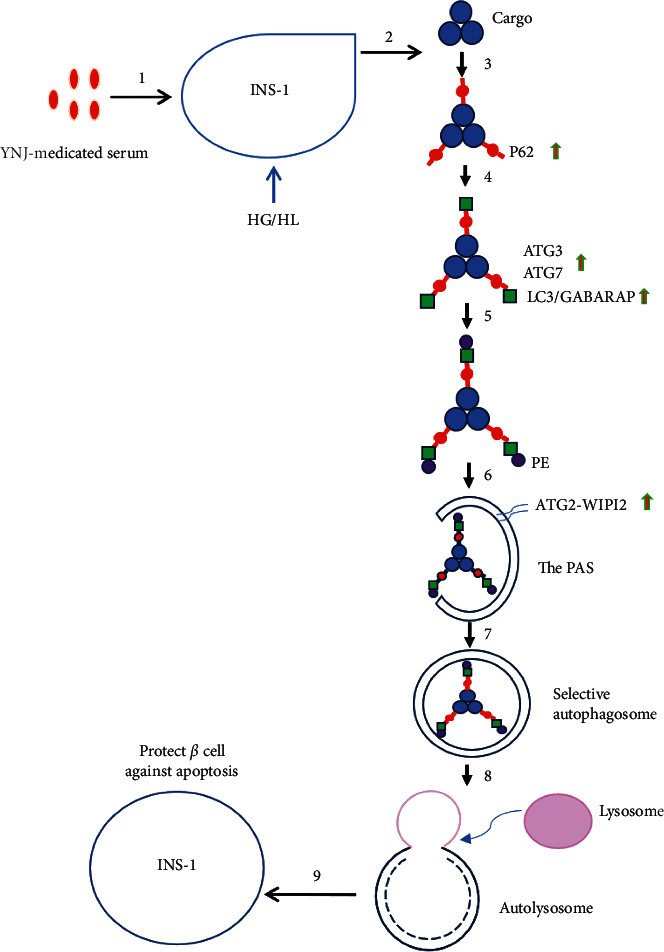
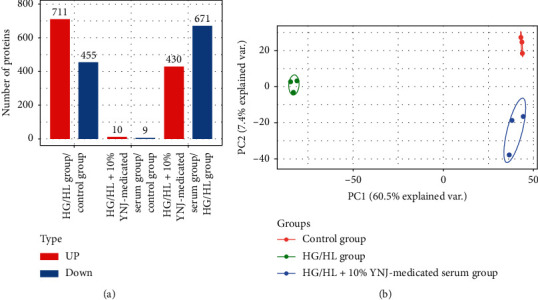
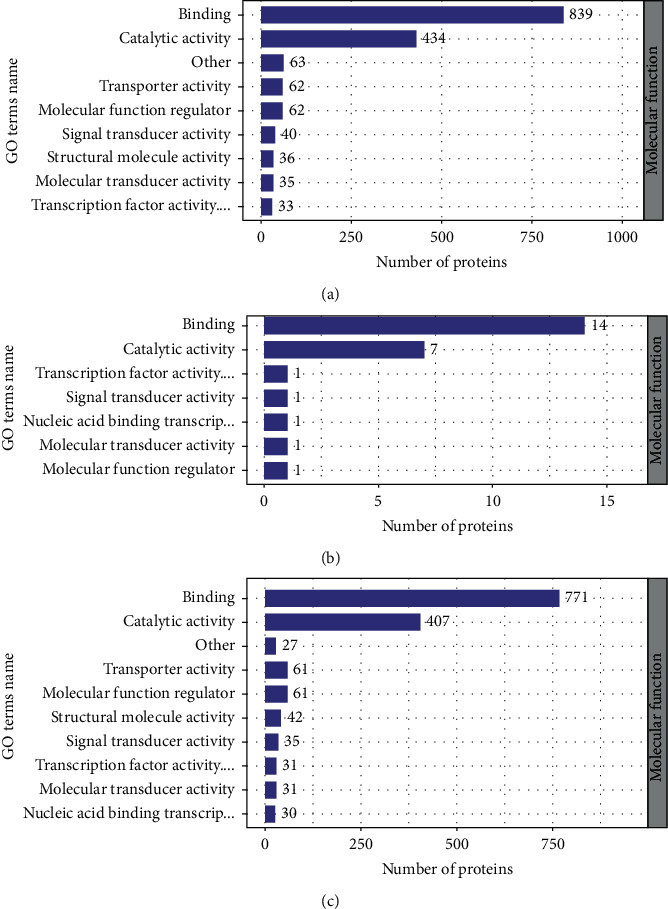
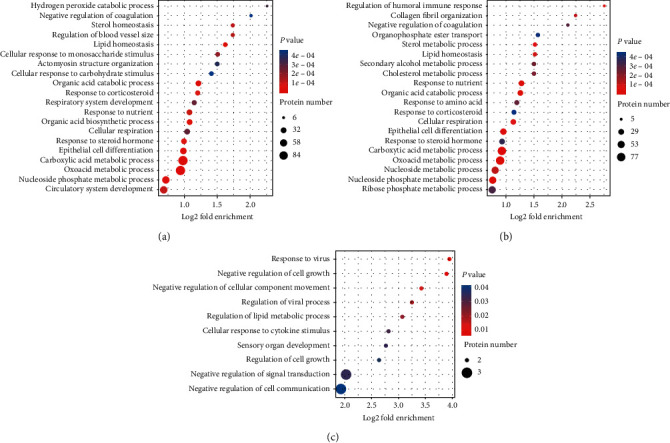
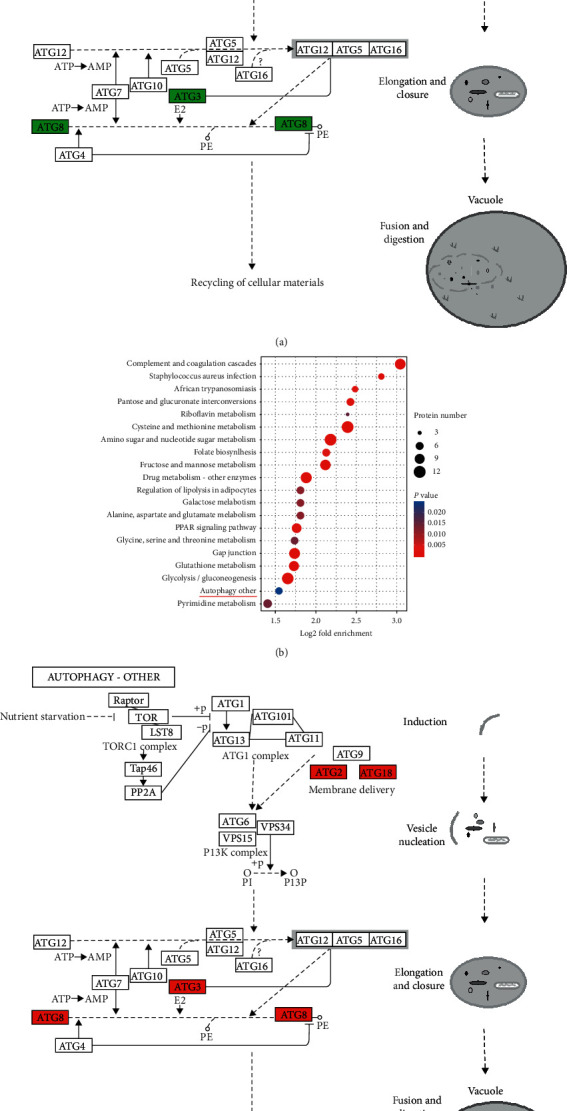
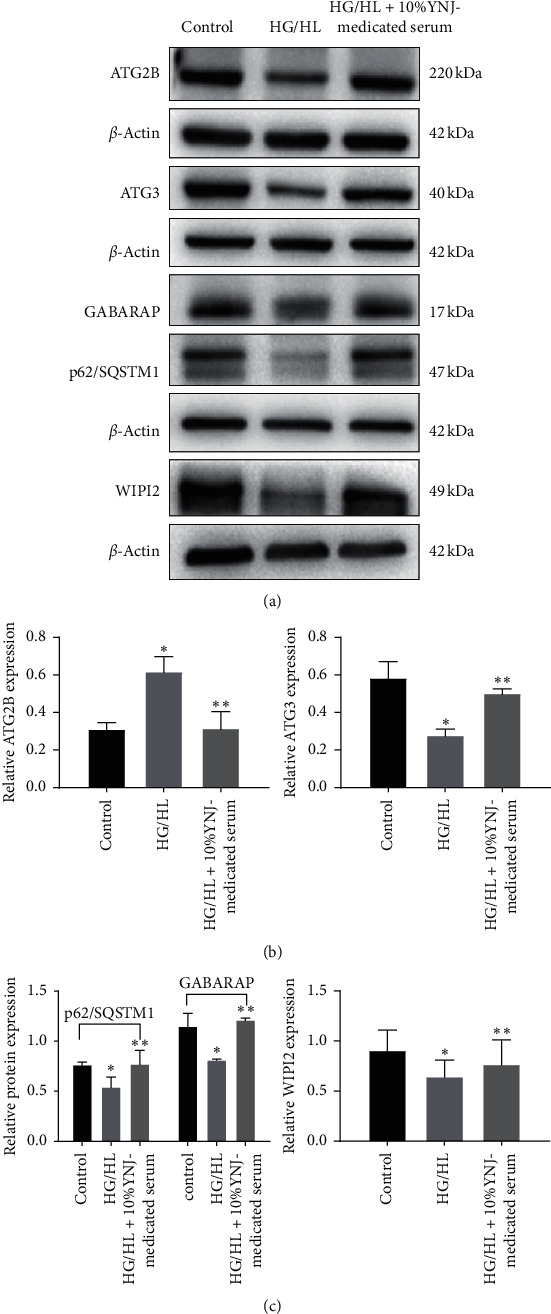
Yunvjian (YNJ) is a traditional Chinese medicine formula adopted to prevent and treat diabetes. Our previous results from animal experiments showed that YNJ decreased blood glucose. This study aimed to examine the effect of high glucose and high lipid (HG/HL) conditions on the proliferation and apoptosis of INS-1 cells and the possible protective mechanism of YNJ-medicated serum on INS-1 cells exposed to HG/HL conditions. INS-1 cells were cultured in RPMI 1640 medium after being passaged. Then, INS-1 cells in the logarithmic growth phase were collected and divided into five groups: control, HG/HL, HG/HL+5% YNJ-medicated serum, HG/HL+10% YNJ-medicated serum, and HG/HL+20% YNJ-medicated serum. MTT assay and flow cytometry were used to detect proliferation and apoptosis of INS-1 cells, respectively. Protein profiles of INS-1 cells were analyzed using a tandem mass tag (TMT) label-based quantitative proteomic approach. Western blotting was performed to verify the proteomic results. YNJ-medicated serum significantly promoted INS-1 cell proliferation and inhibited apoptosis. Proteomic results from the INS-1 cells in the control, HG/HL, and HG/HL+10% YNJ-medicated serum groups showed that 7,468 proteins were identified, of which 6,423 proteins were quantified. Compared with the HG/HL group,430 differential proteins were upregulated, and 671 were downregulated in the HG/HL+10% YNJ-medicated serum group. Compared with the control group, 711 differential proteins were upregulated and 455 were downregulated in the HG/HL group, whereas 10 differential proteins were upregulated and 9 were downregulated in the HG/HL+10% YNJ-medicated serum group. Furthermore, several proteins related to autophagy, including ATG3, ATG2B, GABARAP, WIPI2, and p62/SQSTM1, were verified by western blotting, and these results were consistent with the results obtained from the proteomics analysis. These results confirmed that the autophagy pathway is critical to glucolipotoxicity in INS-1 cells. YNJ-medicated serum exhibited a protective effect on INS-1 cells cultured under HG/HL conditions by regulating autophagy genes' expression and restoring the autophagic flux.
玉女煎(YNJ)是一种用于预防和治疗糖尿病的中药方剂。我们之前的动物实验结果表明,YNJ可降低血糖。本研究旨在探讨高糖高脂(HG/HL)条件对INS-1细胞增殖和凋亡的影响,以及YNJ含药血清对处于HG/HL条件下的INS-1细胞的可能保护机制。传代后的INS-1细胞在RPMI 1640培养基中培养。然后,收集对数生长期的INS-1细胞并分为五组:对照组、HG/HL组、HG/HL + 5% YNJ含药血清组、HG/HL + 10% YNJ含药血清组和HG/HL + 20% YNJ含药血清组。分别采用MTT法和流式细胞术检测INS-1细胞的增殖和凋亡。使用基于串联质量标签(TMT)标记的定量蛋白质组学方法分析INS-1细胞的蛋白质谱。进行蛋白质印迹法以验证蛋白质组学结果。YNJ含药血清显著促进INS-1细胞增殖并抑制凋亡。对照组、HG/HL组和HG/HL + 10% YNJ含药血清组的INS-1细胞的蛋白质组学结果显示,共鉴定出7468种蛋白质,其中6423种蛋白质被定量。与HG/HL组相比,HG/HL + 10% YNJ含药血清组中有430种差异蛋白质上调,671种下调。与对照组相比,HG/HL组中有711种差异蛋白质上调,455种下调,而HG/HL + 10% YNJ含药血清组中有10种差异蛋白质上调,9种下调。此外,通过蛋白质印迹法验证了几种与自噬相关的蛋白质,包括ATG3、ATG2B、GABARAP、WIPI2和p62/SQSTM1,这些结果与蛋白质组学分析结果一致。这些结果证实自噬途径对INS-1细胞中的糖脂毒性至关重要。YNJ含药血清通过调节自噬基因的表达和恢复自噬通量,对在HG/HL条件下培养的INS-1细胞表现出保护作用。