Pulmonary and Critical Care Medicine Department, Brigham and Women's Hospital, Harvard Medical School, Boston, MA, USA.
Endocrine and Metabolic Research Center, University of Zulia, Maracaibo, Venezuela.
J Diabetes Res. 2018 Feb 19;2018:9601801. doi: 10.1155/2018/9601801. eCollection 2018.
Describing the diverse molecular mechanisms (particularly immunological) involved in the death of the pancreatic beta cell in type 1 and type 2 diabetes mellitus.
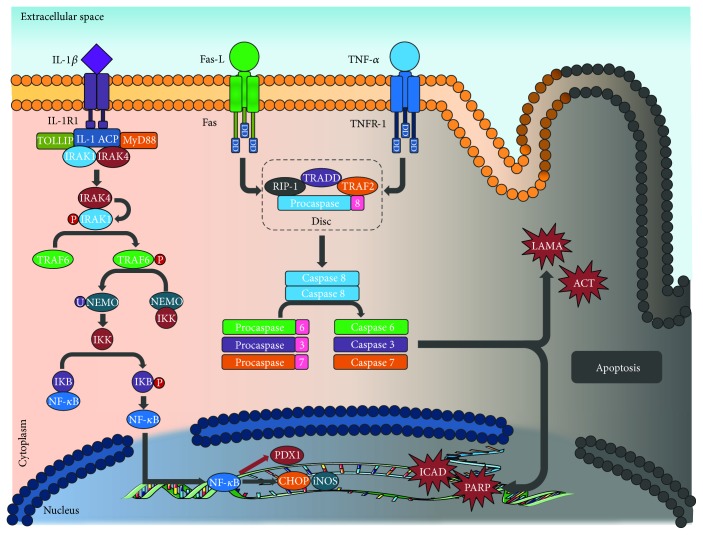
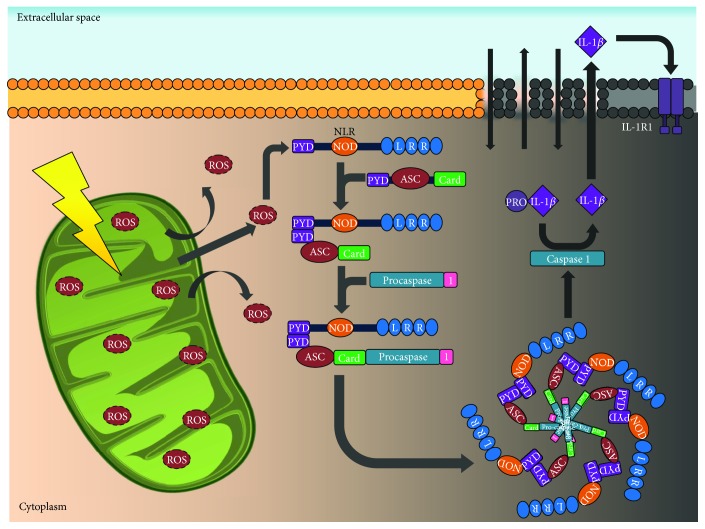
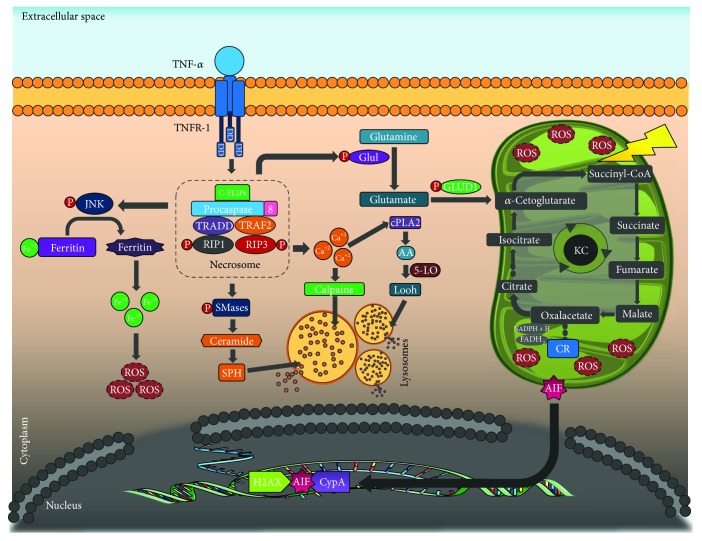
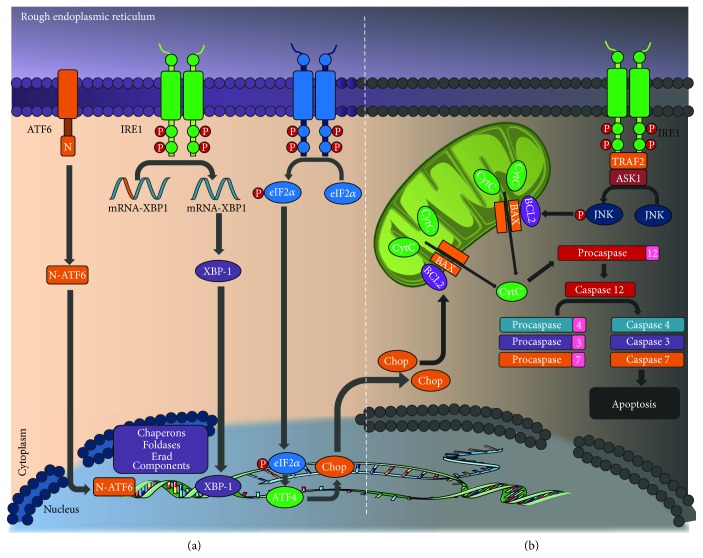
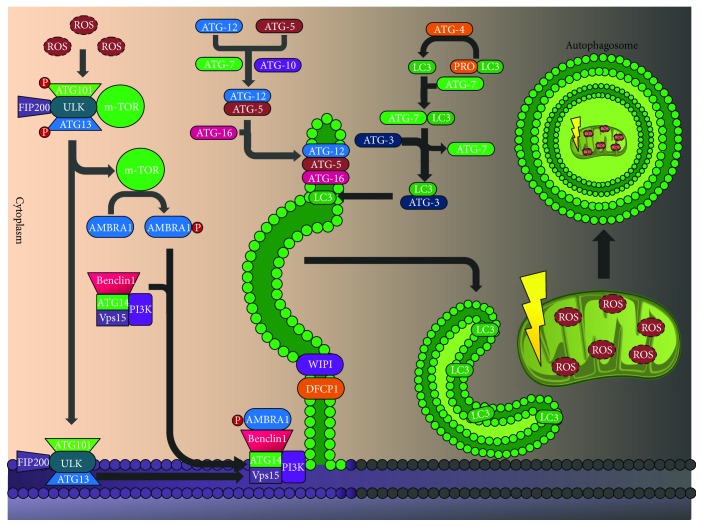
Beta cell death is the final event in a series of mechanisms that, up to date, have not been entirely clarified; it represents the pathophysiological mechanism in the natural history of diabetes mellitus. These mechanisms are not limited to an apoptotic process only, which is characteristic of the immune-mediated insulitis in type 1 diabetes mellitus. They also include the action of proinflammatory cytokines, the production of reactive oxygen species, DNA fragmentation (typical of necroptosis in type 1 diabetic patients), excessive production of islet amyloid polypeptide with the consequent endoplasmic reticulum stress, disruption in autophagy mechanisms, and protein complex formation, such as the inflammasome, capable of increasing oxidative stress produced by mitochondrial damage.
Necroptosis, autophagy, and pyroptosis are molecular mechanisms that modulate the survival of the pancreatic beta cell, demonstrating the importance of the immune system in glucolipotoxicity processes and the potential role for immunometabolism as another component of what once known as the "ominous octet."
描述 1 型和 2 型糖尿病中胰岛β细胞死亡涉及的多种分子机制(特别是免疫学机制)。
β细胞死亡是一系列机制的最终事件,迄今为止,这些机制尚未完全阐明;它代表了糖尿病自然史中的病理生理机制。这些机制不仅限于仅在 1 型糖尿病中免疫介导的胰岛炎中具有特征的凋亡过程。它们还包括促炎细胞因子的作用、活性氧的产生、DNA 片段化(1 型糖尿病患者的典型坏死性凋亡)、胰岛淀粉样多肽的过度产生,导致内质网应激、自噬机制中断,以及蛋白质复合物形成,如炎症小体,能够增加线粒体损伤产生的氧化应激。
坏死性凋亡、自噬和细胞焦亡是调节胰岛β细胞存活的分子机制,这表明免疫系统在糖脂毒性过程中的重要性,以及免疫代谢作为曾经所谓的“不祥八重奏”的另一个组成部分的潜在作用。