Department of Materials and Mineral Resources Engineering, NTUT, No. 1, Sec. 3, Chung-Hsiao East Rd., Taipei 106, Taiwan, ROC.
General Courses Unit, Faculty of Sciences and Arts, King Khalid University, Dhahran Aljanoub, Saudi Arabia.
Ultrason Sonochem. 2021 Apr;72:105445. doi: 10.1016/j.ultsonch.2020.105445. Epub 2020 Dec 24.
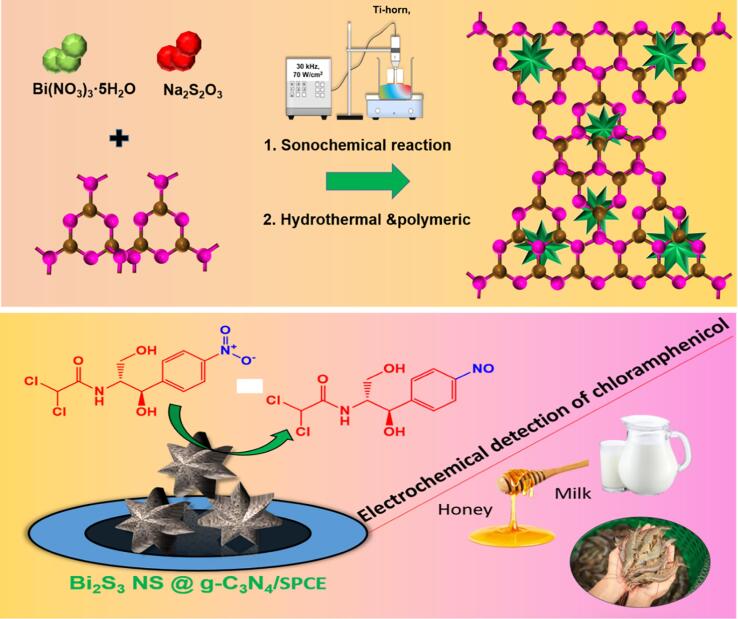
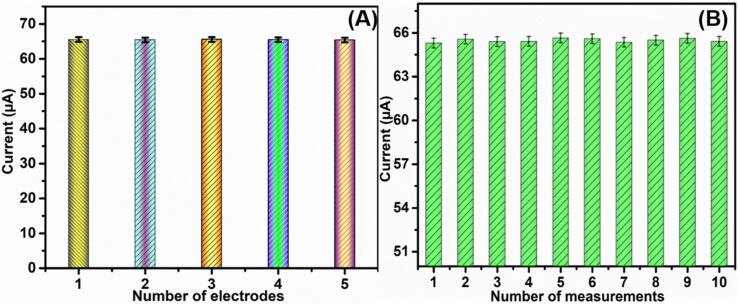
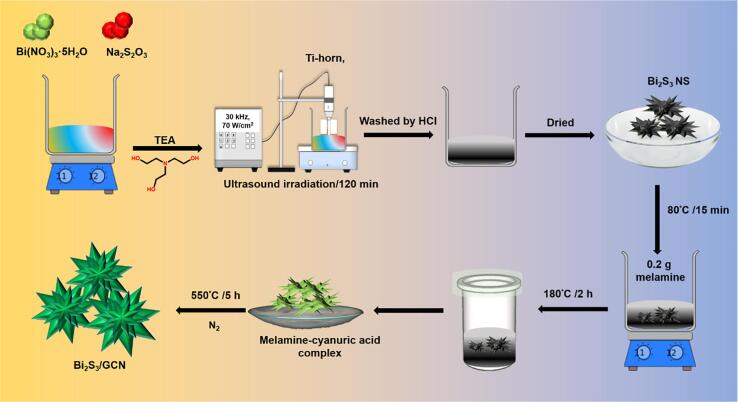
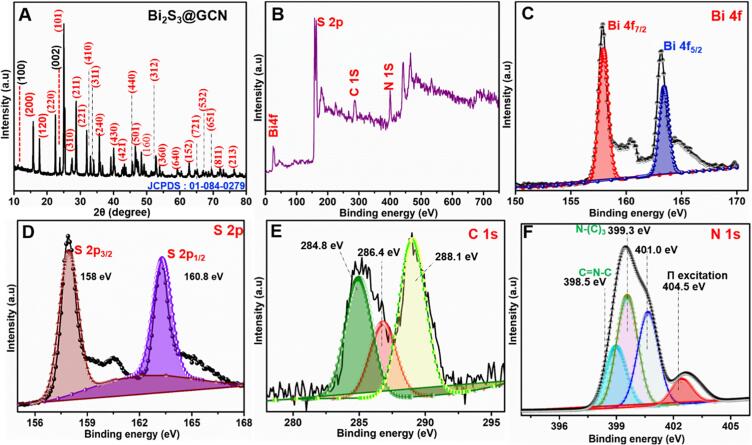
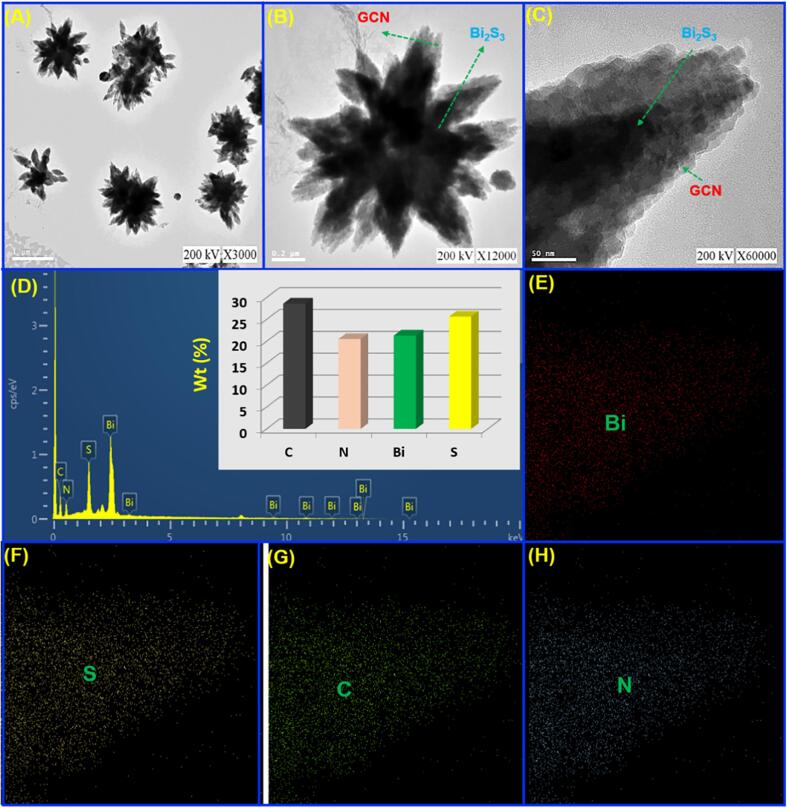
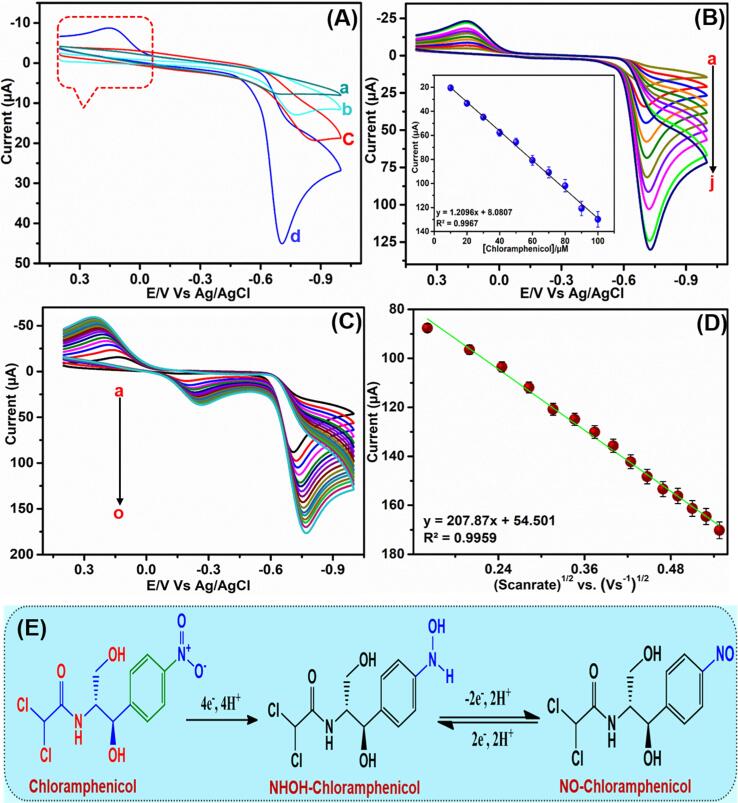
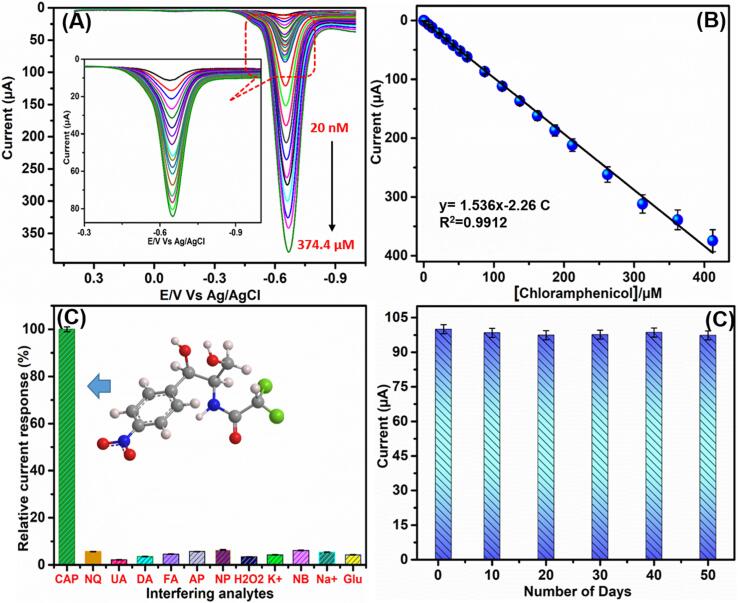
Ultrasonic-enhanced surface-active bismuth trisulfide based core-shell nanomaterials were developed and used as an efficient modified electrode material to construct a highly sensitive antibiotic sensor. The core-shell BiS@GCN electrode material was directly synthesized by in-situ growth of GCN on BiS to form core-shell like nanostar (Ti-horn, 30 kHz, and 70 W/cm). The electrocatalyst of BiS@GCN nanocomposites was efficaciously broadened towards electrochemical applications. As synthesized BiS@GCN promoted the catalytic ability and electrons of GCN to transfer to BiS. The single-crystalline GCN layers were uniformly grown on the surface of the BiS nanostars. Under the optimal conditions of electrochemical analysis, the CPL sensor exhibited responses directly proportional to concentrations (toxic chemical) over a range of 0.02-374.4 μM, with a nanomolar detection limit of 1.2 nM (signal-to-noise ratio S/N = 3). In addition, the modified sensor has exhibited outstanding selectivity under high concentrations of interfering chemicals and biomolecules. The satisfactory CPL recoveries in milk product illustrated the credible real-time application of the proposed BiS@GCN sensors for real samples, indicating promising potential in food safety department and control. Additionally, the proposed electrochemical antibiotic sensor exhibited outstanding performance of anti-interfering ability, high stability and reproducibility.
超声增强表面活性三硫化铋基核壳纳米材料被开发并用作高效的修饰电极材料,以构建高灵敏度的抗生素传感器。核壳 BiS@GCN 电极材料通过在 BiS 上原位生长 GCN 直接合成,形成核壳状纳米星(Ti 角,30 kHz,70 W/cm)。BiS@GCN 纳米复合材料的电催化剂有效地拓宽了电化学应用。合成的 BiS@GCN 促进了 GCN 的催化能力和电子向 BiS 的转移。单晶 GCN 层均匀地生长在 BiS 纳米星的表面。在电化学分析的最佳条件下,CPL 传感器对浓度(有毒化学物质)在 0.02-374.4 μM 范围内呈现出直接成比例的响应,检测限低至 1.2 nM(信噪比 S/N = 3)。此外,在高浓度干扰化学物质和生物分子存在下,修饰后的传感器表现出出色的选择性。在奶制品中的满意 CPL 回收率说明了所提出的 BiS@GCN 传感器在实际样品中的可靠实时应用,表明其在食品安全部门和控制方面具有广阔的应用前景。此外,所提出的电化学抗生素传感器表现出出色的抗干扰能力、高稳定性和重现性。