Ježek Jan, Cooper Katrina F, Strich Randy
The Wellcome Trust/Gurdon Cancer Research Institute, University of Cambridge, Cambridge CB2 1QN, UK.
Department of Genetics, University of Cambridge, Cambridge CB2 1QN, UK.
Biology (Basel). 2021 Jan 6;10(1):33. doi: 10.3390/biology10010033.
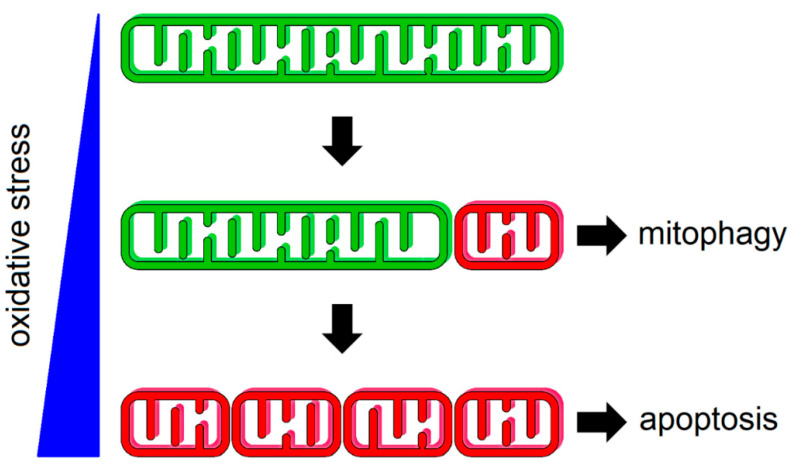
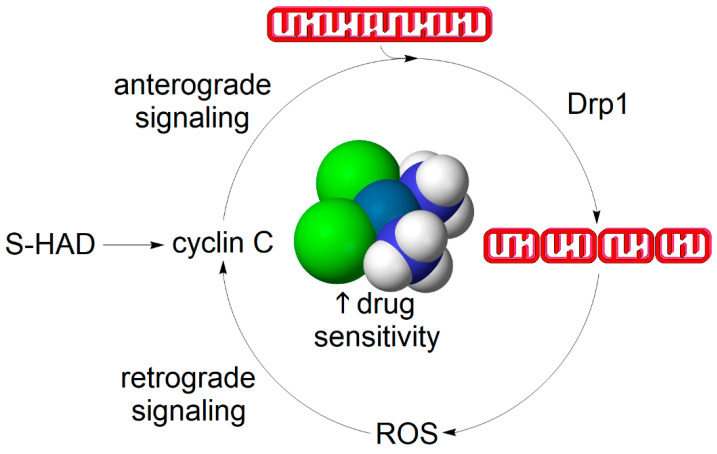
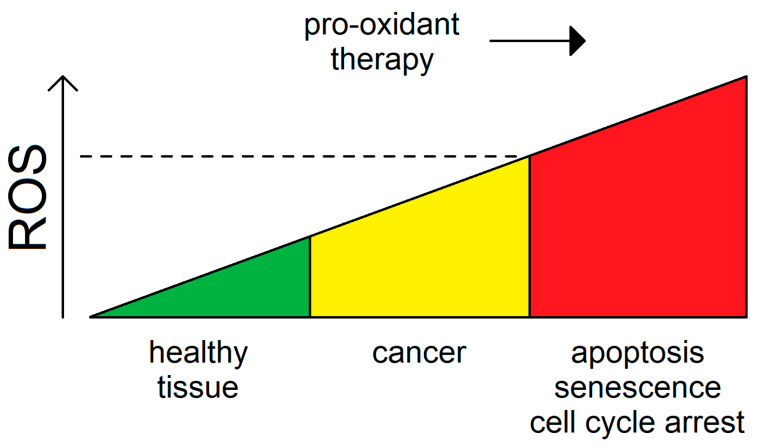
Cancer is one of the world's deadliest afflictions. Despite recent advances in diagnostic and surgical technologies, as well as improved treatments of some individual tumor types, there is currently no universal cure to prevent or impede the uncontrolled proliferation of malignant cells. Targeting tumors by inducing apoptosis is one of the pillars of cancer treatment. Changes in mitochondrial morphology precede intrinsic apoptosis, but mitochondrial dynamics has only recently been recognized as a viable pharmacological target. In many cancers, oncogenic transformation is accompanied by accumulation of elevated cellular levels of ROS leading to redox imbalance. Hence, a common chemotherapeutic strategy against such tumor types involves deploying pro-oxidant agents to increase ROS levels above an apoptotic death-inducing threshold. The aim of this chapter is to investigate the benefit of stimulating mitochondrial fission-dependent production of ROS for enhanced killing of solid tumors. The main question to be addressed is whether a sudden and abrupt change in mitochondrial shape toward the fragmented phenotype can be pharmacologically harnessed to trigger a burst of mitochondrial ROS sufficient to initiate apoptosis specifically in cancer cells but not in non-transformed healthy tissues.
癌症是世界上最致命的疾病之一。尽管最近诊断和手术技术取得了进展,以及某些个别肿瘤类型的治疗有所改善,但目前尚无通用的治愈方法来预防或阻止恶性细胞的不受控制的增殖。通过诱导凋亡来靶向肿瘤是癌症治疗的支柱之一。线粒体形态的变化先于内源性凋亡,但线粒体动力学直到最近才被认为是一个可行的药理学靶点。在许多癌症中,致癌转化伴随着细胞内ROS水平升高的积累,导致氧化还原失衡。因此,针对此类肿瘤类型的一种常见化疗策略是使用促氧化剂将ROS水平提高到诱导凋亡死亡的阈值以上。本章的目的是研究刺激线粒体裂变依赖性ROS产生对增强实体瘤杀伤的益处。要解决的主要问题是,线粒体形状突然向碎片化表型的变化是否可以通过药理学手段加以利用,以引发一阵线粒体ROS,足以在癌细胞中特异性地引发凋亡,而不会在未转化的健康组织中引发凋亡。