School of Medical Science, Griffith University, Griffith Health Institute, Parklands Drive, Southport, Gold Coast, Queensland 4222, Australia.
Instituto Nacional de Cardiología, Departamento de Bioquímica, Tlalpan, México D.F., Mexico.
Pharmaceuticals (Basel). 2015 Feb 13;8(1):62-106. doi: 10.3390/ph8010062.
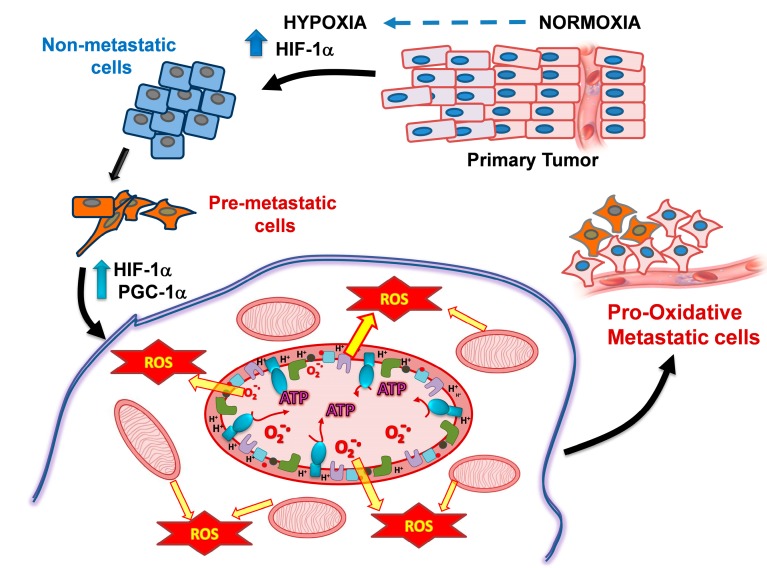
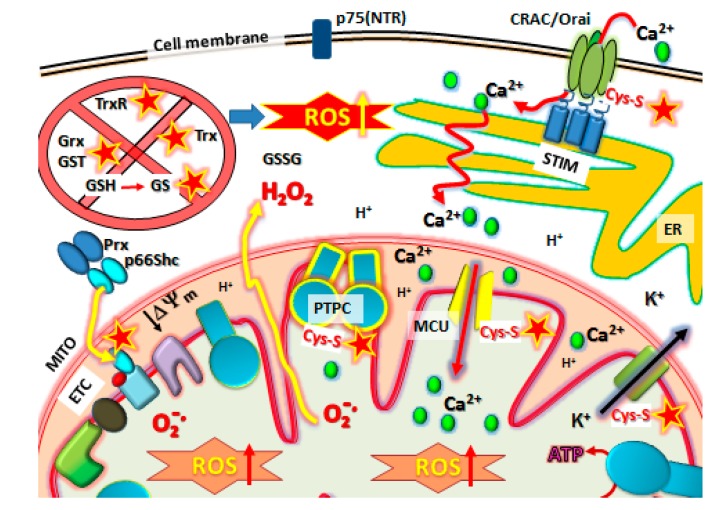
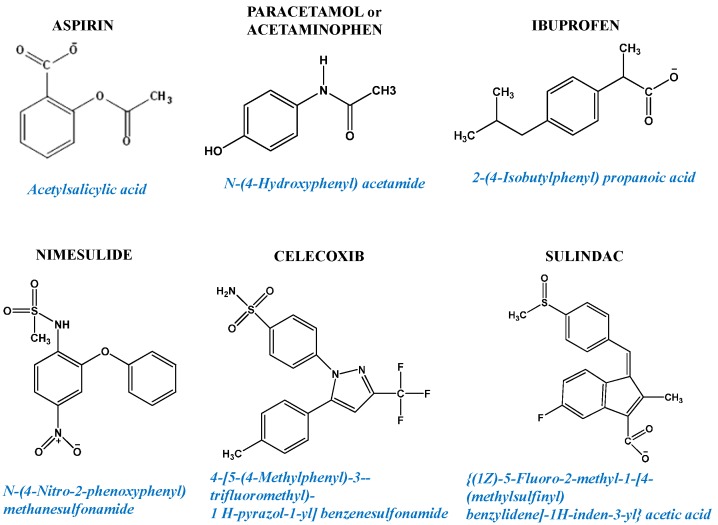
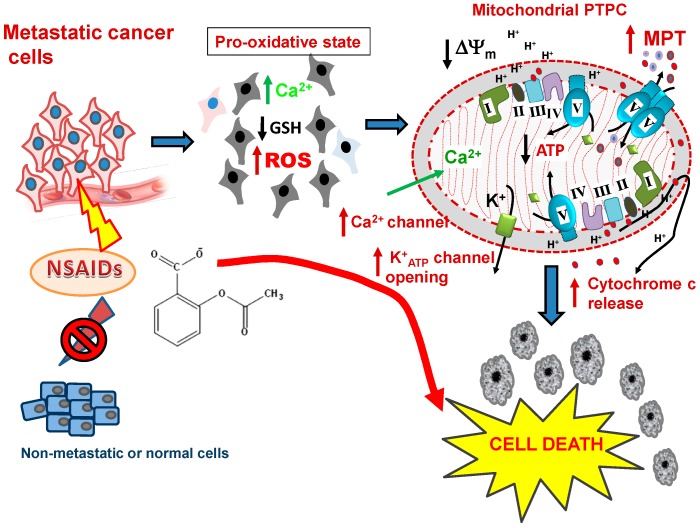
Tumor metastases that impede the function of vital organs are a major cause of cancer related mortality. Mitochondrial oxidative stress induced by hypoxia, low nutrient levels, or other stresses, such as genotoxic events, act as key drivers of the malignant changes in primary tumors to enhance their progression to metastasis. Emerging evidence now indicates that mitochondrial modifications and mutations resulting from oxidative stress, and leading to OxPhos stimulation and/or enhanced reactive oxygen species (ROS) production, are essential for promoting and sustaining the highly metastatic phenotype. Moreover, the modified mitochondria in emerging or existing metastatic cancer cells, by their irreversible differences, provide opportunities for selectively targeting their mitochondrial functions with a one-two punch. The first blow would block their anti-oxidative defense, followed by the knockout blow-promoting production of excess ROS, capitulating the terminal stage-activation of the mitochondrial permeability transition pore (mPTP), specifically killing metastatic cancer cells or their precursors. This review links a wide area of research relevant to cellular mechanisms that affect mitochondria activity as a major source of ROS production driving the pro-oxidative state in metastatic cancer cells. Each of the important aspects affecting mitochondrial function are discussed including: hypoxia, HIFs and PGC1 induced metabolic changes, increased ROS production to induce a more pro-oxidative state with reduced antioxidant defenses. It then focuses on how the mitochondria, as a major source of ROS in metastatic cancer cells driving the pro-oxidative state of malignancy enables targeting drugs affecting many of these altered processes and why the NSAIDs are an excellent example of mitochondria-targeted agents that provide a one-two knockout activating the mPTP and their efficacy as selective anticancer metastasis drugs.
肿瘤转移会阻碍重要器官的功能,是癌症相关死亡的主要原因。缺氧、营养水平低或其他应激(如遗传毒性事件)引起的线粒体氧化应激是导致原发性肿瘤恶性变化的关键驱动因素,增强其向转移的进展。新出现的证据表明,氧化应激导致的线粒体修饰和突变,导致氧化磷酸化(OxPhos)刺激和/或增强活性氧(ROS)的产生,对于促进和维持高度转移性表型是必不可少的。此外,新兴或现有转移性癌细胞中修饰的线粒体,由于其不可逆的差异,为选择性靶向其线粒体功能提供了机会,使用“一石二鸟”的方法。第一击将阻断其抗氧化防御,随后是敲除打击——促进过量 ROS 的产生,使线粒体通透性转换孔(mPTP)的终末阶段激活,特异性杀死转移性癌细胞或其前体。这篇综述将广泛的研究领域联系起来,这些研究涉及影响线粒体活性的细胞机制,作为产生 ROS 的主要来源,驱动转移性癌细胞中的促氧化状态。讨论了影响线粒体功能的每个重要方面,包括:缺氧、HIFs 和 PGC1 诱导的代谢变化、增加 ROS 产生以诱导更促氧化状态并降低抗氧化防御。然后,它专注于线粒体如何作为转移性癌细胞中 ROS 的主要来源,驱动恶性肿瘤的促氧化状态,从而能够靶向影响许多这些改变过程的药物,以及为什么 NSAIDs 是线粒体靶向药物的一个极好例子,它们提供了“一石二鸟”的效果,激活 mPTP,并作为选择性抗癌转移药物具有疗效。