Bierbaumer Lisa, Katschnig Anna M, Radic-Sarikas Branka, Kauer Maximilian O, Petro Jeffrey A, Högler Sandra, Gurnhofer Elisabeth, Pedot Gloria, Schäfer Beat W, Schwentner Raphaela, Mühlbacher Karin, Kromp Florian, Aryee Dave N T, Kenner Lukas, Uren Aykut, Kovar Heinrich
Children's Cancer Research Institute, Zimmermannplatz 10, 1090, Vienna, Austria.
Georgetown University Medical Center, Lombardi Comprehensive Cancer Center, Washington, DC, USA.
Oncogenesis. 2021 Jan 8;10(1):2. doi: 10.1038/s41389-020-00294-8.
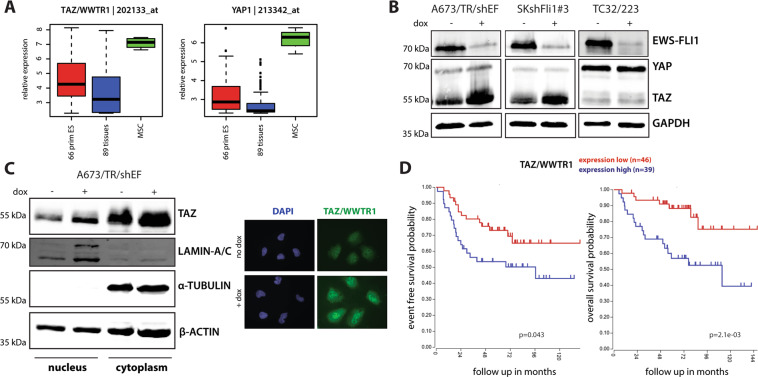
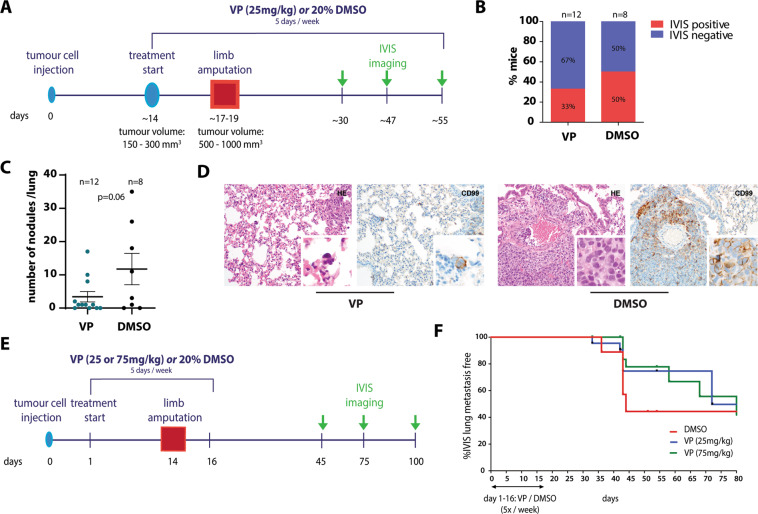
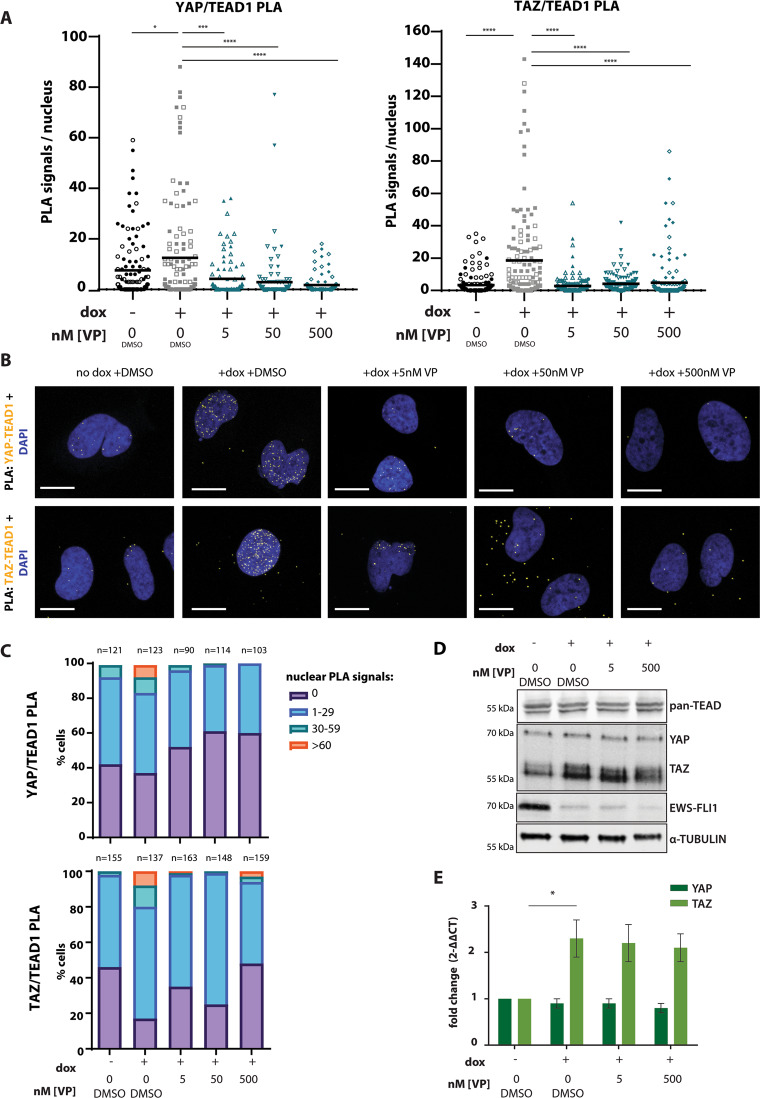
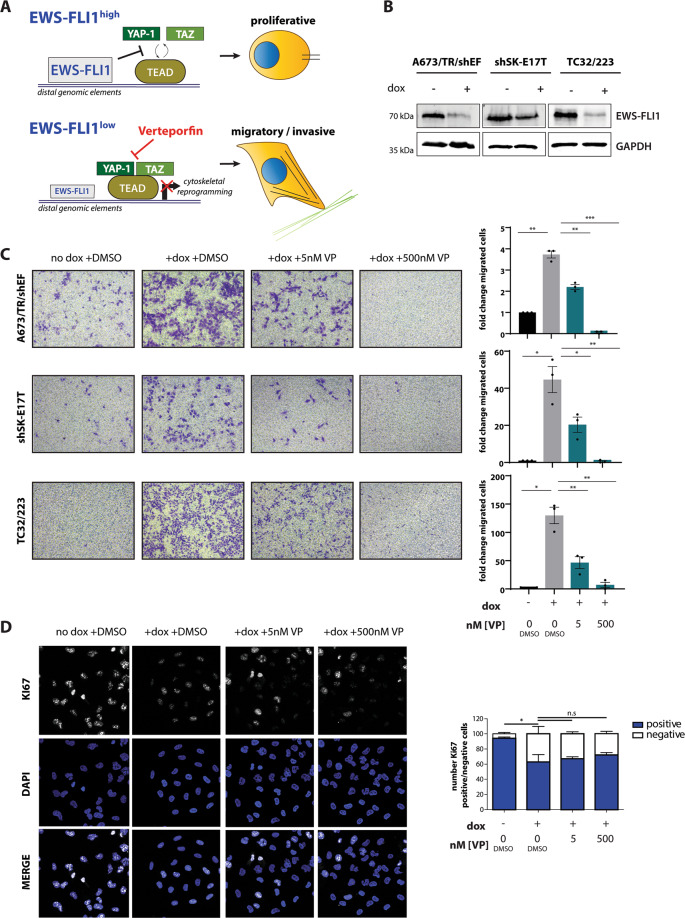
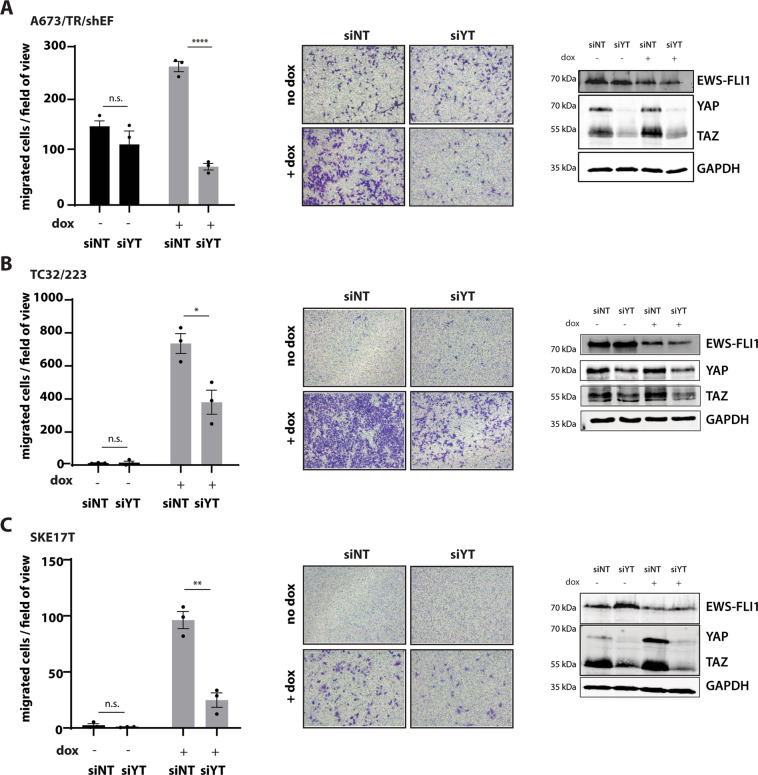
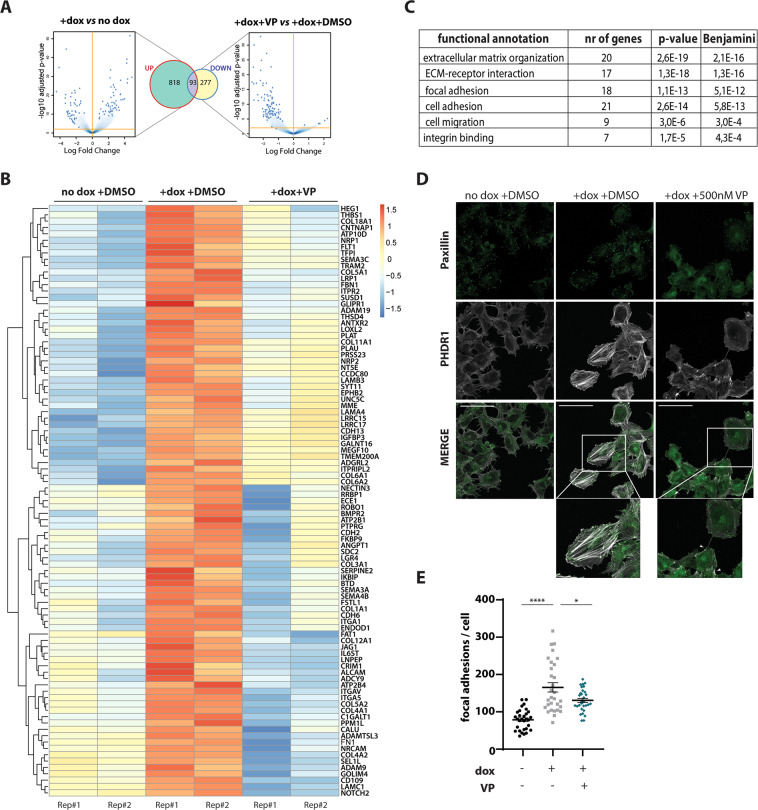
Ewing sarcoma (EwS) is a highly metastatic bone cancer characterized by the ETS fusion oncoprotein EWS-FLI1. EwS cells are phenotypically highly plastic and switch between functionally distinct cell states dependent on EWS-FLI1 fluctuations. Whereas EWS-FLI1 cells proliferate, EWS-FLI1 cells are migratory and invasive. Recently, we reported activation of MRTFB and TEAD, effectors of RhoA and Hippo signalling, upon low EWS-FLI1, orchestrating key steps of the EwS migratory gene expression program. TEAD and its co-activators YAP and TAZ are commonly overexpressed in cancer, providing attractive therapeutic targets. We find TAZ levels to increase in the migratory EWS-FLI1 state and to associate with adverse prognosis in EwS patients. We tested the effects of the potent YAP/TAZ/TEAD complex inhibitor verteporfin on EwS cell migration in vitro and on metastasis in vivo. Verteporfin suppressed expression of EWS-FLI1 regulated cytoskeletal genes involved in actin signalling to the extracellular matrix, effectively blocked F-actin and focal-adhesion assembly and inhibited EwS cell migration at submicromolar concentrations. In a mouse EwS xenograft model, verteporfin treatment reduced relapses at the surgical site and delayed lung metastasis. These data suggest that YAP/TAZ pathway inhibition may prevent EwS cell dissemination and metastasis, justifying further preclinical development of YAP/TAZ inhibitors for EwS treatment.
尤因肉瘤(EwS)是一种高度转移性骨癌,其特征为ETS融合癌蛋白EWS-FLI1。EwS细胞在表型上具有高度可塑性,并根据EWS-FLI1的波动在功能不同的细胞状态之间转换。当EWS-FLI1水平较低时,细胞增殖,而当EWS-FLI1水平较高时,细胞具有迁移和侵袭性。最近,我们报道了在低EWS-FLI1水平时,RhoA和Hippo信号通路的效应分子MRTFB和TEAD被激活,从而协调了EwS迁移基因表达程序的关键步骤。TEAD及其共激活因子YAP和TAZ在癌症中通常过表达,是有吸引力的治疗靶点。我们发现TAZ水平在迁移性EWS-FLI1状态下升高,并与EwS患者的不良预后相关。我们测试了强效YAP/TAZ/TEAD复合物抑制剂维替泊芬对EwS细胞体外迁移和体内转移的影响。维替泊芬抑制了EWS-FLI1调控的参与肌动蛋白信号传导至细胞外基质的细胞骨架基因的表达,有效阻断了F-肌动蛋白和粘着斑的组装,并在亚微摩尔浓度下抑制了EwS细胞的迁移。在小鼠EwS异种移植模型中,维替泊芬治疗减少了手术部位的复发并延迟了肺转移。这些数据表明,抑制YAP/TAZ信号通路可能会阻止EwS细胞的扩散和转移,这为进一步将YAP/TAZ抑制剂用于EwS治疗的临床前开发提供了依据。