Department of Neuroscience, Carleton University, 1125 Colonel By Drive, Ottawa, Ontario, K1S 5B6, Canada.
Department of Immunology, University of Toronto, Toronto, Ontario, M5S 1A8, Canada.
J Neuroinflammation. 2021 Jan 9;18(1):20. doi: 10.1186/s12974-020-02062-2.
Recent work has established that Parkinson's disease (PD) patients have an altered gut microbiome, along with signs of intestinal inflammation. This could help explain the high degree of gastric disturbances in PD patients, as well as potentially be linked to the migration of peripheral inflammatory factors into the brain. To our knowledge, this is the first study to examine microbiome alteration prior to the induction of a PD murine model.
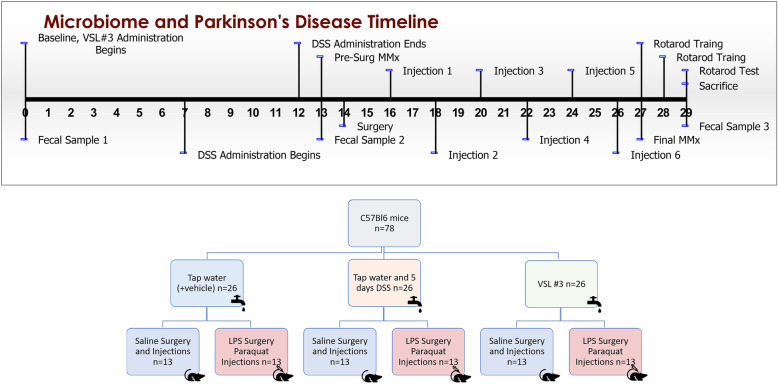
We presently assessed whether pre-treatment with the probiotic, VSL #3, or the inflammatory inducer, dextran sodium sulphate (DSS), would influence the PD-like pathology provoked by a dual hit toxin model using lipopolysaccharide (LPS) and paraquat exposure.
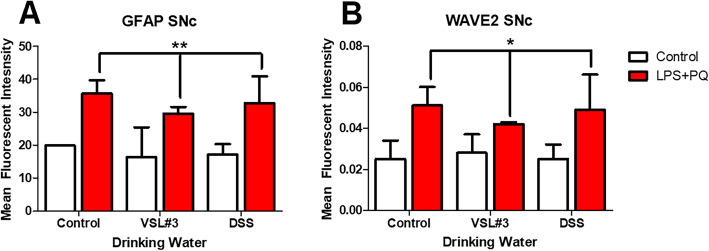
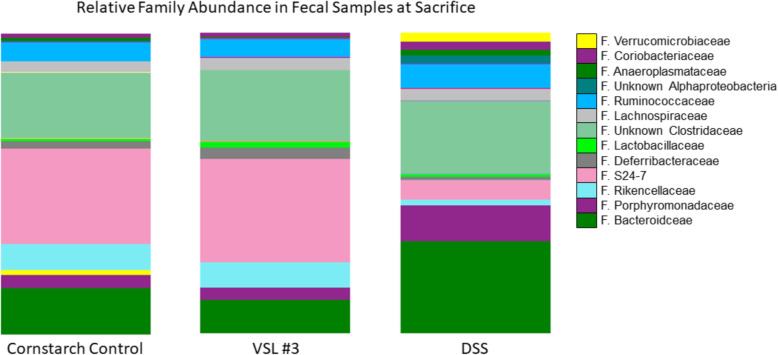
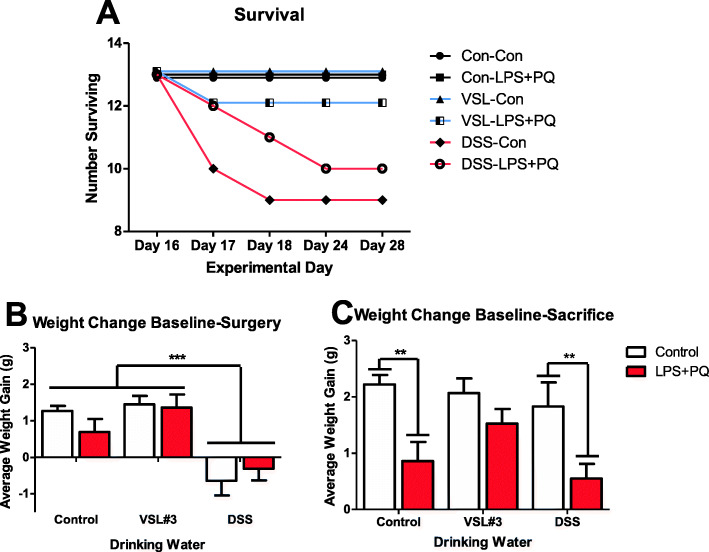
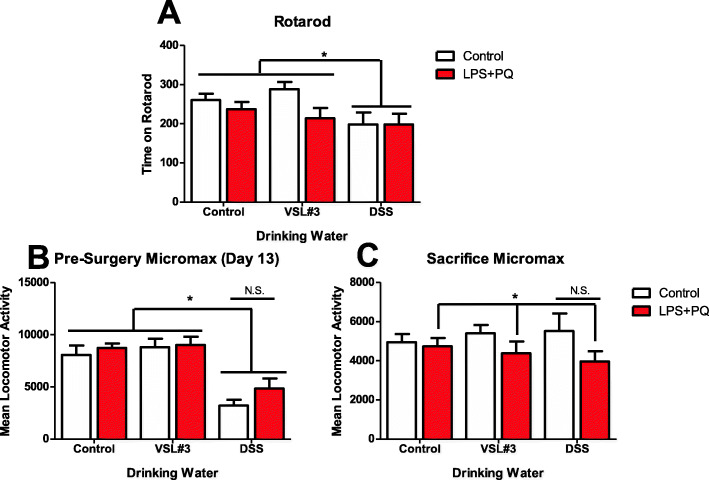
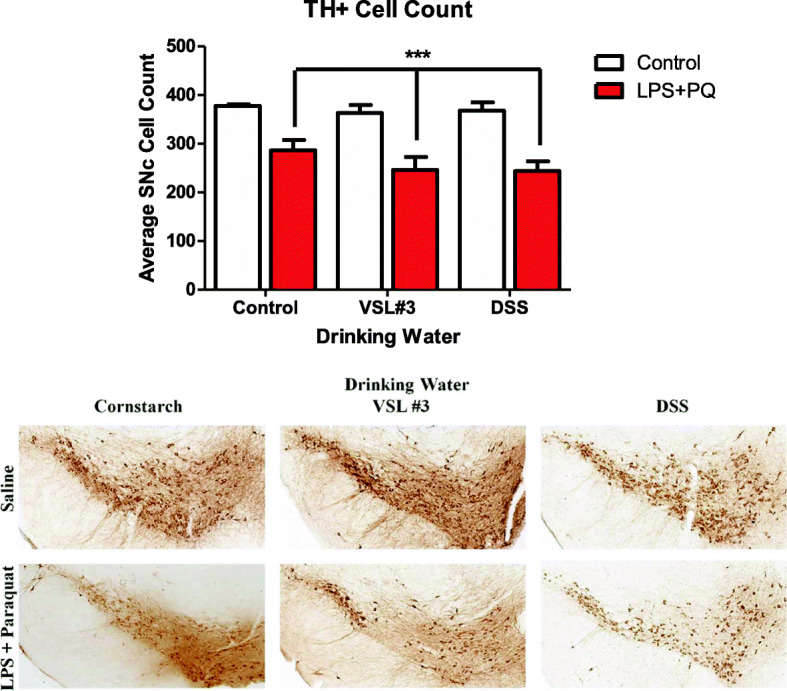
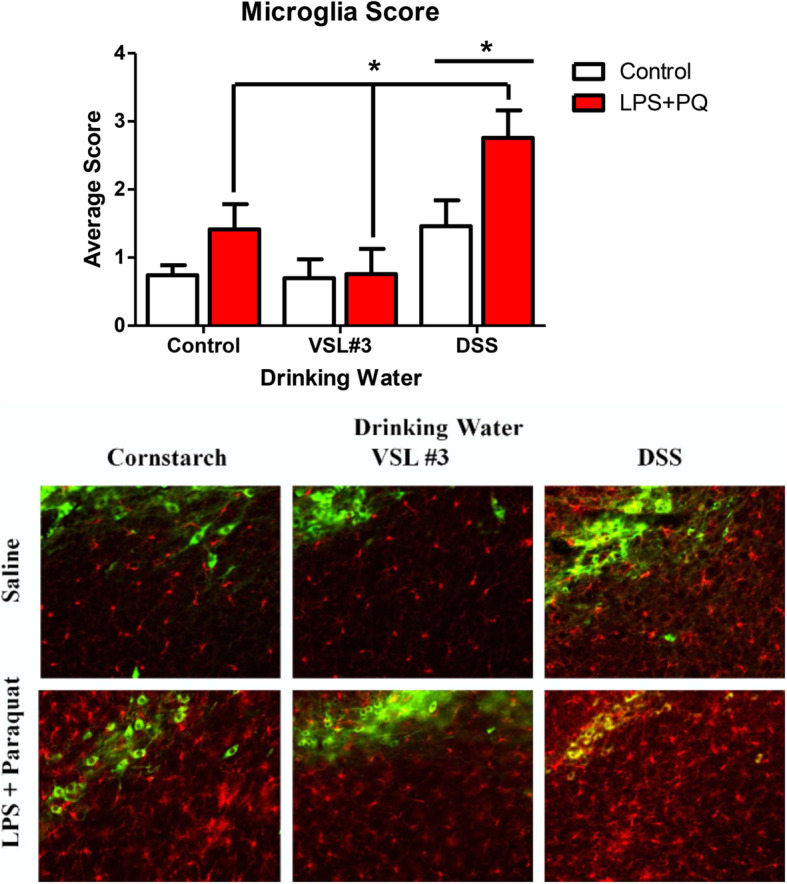
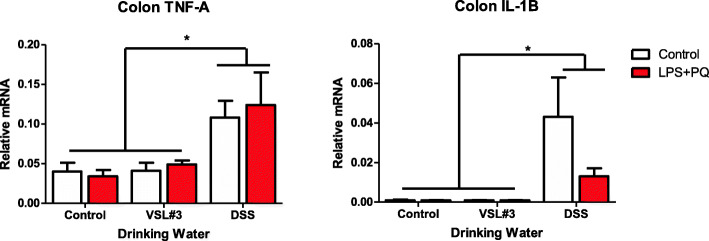
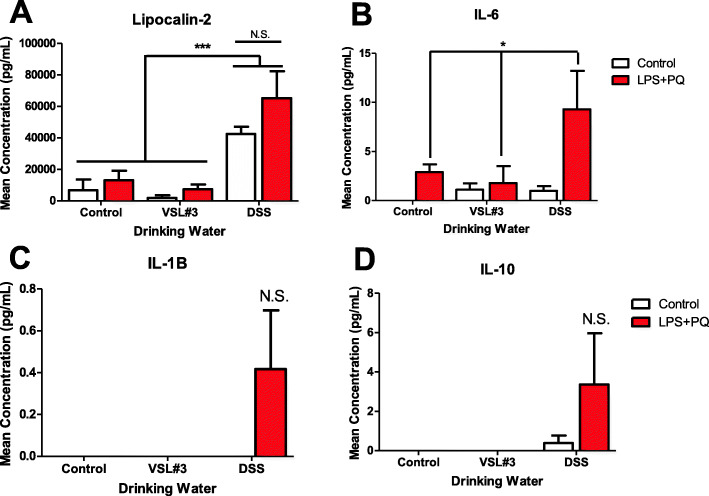
While VSL #3 has been reported to have anti-inflammatory effects, DSS is often used as a model of colitis because of the gut inflammation and the breach of the intestinal barrier that it induces. We found that VSL#3 did not have any significant effects (beyond a blunting of LPS paraquat-induced weight loss). However, the DSS treatment caused marked changes in the gut microbiome and was also associated with augmented behavioral and inflammatory outcomes. In fact, DSS markedly increased taxa belonging to the Bacteroidaceae and Porphyromonadaceae families but reduced those from Rikencellaceae and S24-7, as well as provoking colonic pro-inflammatory cytokine expression, consistent with an inflamed gut. The DSS also increased the impact of LPS plus paraquat upon microglial morphology, along with circulating lipocalin-2 (neutrophil marker) and IL-6. Yet, neither DSS nor VSL#3 influenced the loss of substantia nigra dopamine neurons or the astrocytic and cytoskeleton remodeling protein changes that were provoked by the LPS followed by paraquat treatment.
These data suggest that disruption of the intestinal integrity and the associated microbiome can interact with systemic inflammatory events to promote widespread brain-gut changes that could be relevant for PD and at the very least, suggestive of novel neuro-immune communication.
最近的研究表明,帕金森病(PD)患者的肠道微生物组发生了改变,同时伴有肠道炎症的迹象。这可以帮助解释 PD 患者中高度胃紊乱的原因,并且可能与外周炎症因子向大脑迁移有关。据我们所知,这是第一项研究检查 PD 小鼠模型诱导前微生物组改变的研究。
我们目前评估了益生菌 VSL#3 或炎症诱导剂葡聚糖硫酸钠(DSS)预处理是否会影响脂多糖(LPS)和百草枯暴露引起的双重打击毒素模型引起的 PD 样病理学。
虽然已经报道 VSL#3 具有抗炎作用,但由于 DSS 引起的肠道炎症和肠道屏障破裂,它通常被用作结肠炎模型。我们发现 VSL#3 没有任何显著影响(除了减轻 LPS 百草枯引起的体重减轻)。然而,DSS 处理导致肠道微生物组发生显著变化,并且还与增强的行为和炎症结果相关。事实上,DSS 显著增加了拟杆菌科和卟啉单胞菌科的分类群,而减少了 Riken 细胞科和 S24-7 的分类群,并且还引起了结肠促炎细胞因子的表达,与肠道炎症一致。DSS 还增加了 LPS 加百草枯对小胶质细胞形态的影响,以及循环脂联素-2(中性粒细胞标志物)和 IL-6。然而,DSS 或 VSL#3 均未影响 LPS 继百草枯处理后引起的黑质多巴胺神经元丢失或星形胶质细胞和细胞骨架重塑蛋白变化。
这些数据表明,肠道完整性的破坏和相关的微生物组可以与全身炎症事件相互作用,促进广泛的脑-肠变化,这可能与 PD 相关,至少表明存在新的神经免疫通讯。