AlFaris Nora A, Alshammari Ghedeir M, AlTamimi Jozaa Z, AlMousa Lujain A, AlKehayez Nora M, Aljabryn Dalal H, Alagal Reham I, Yahya Mohammed A
Department of Physical Sport Science, Princess Nourah bint Abdulrahman University, Riyadh, Saudi Arabia.
Department of Food Science and Nutrition, College of Food and Agricultural Science, King Saud University, Riyadh, Saudi Arabia.
Saudi J Biol Sci. 2021 Jan;28(1):170-182. doi: 10.1016/j.sjbs.2020.09.036. Epub 2020 Sep 24.
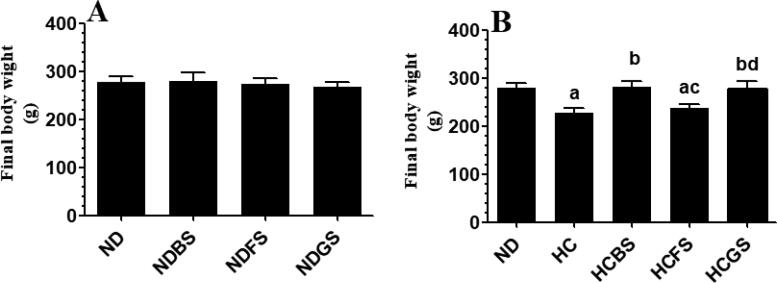
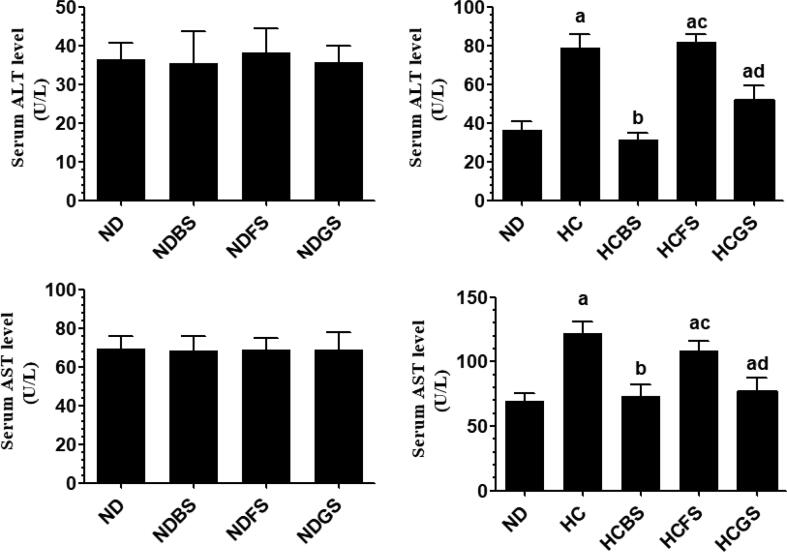
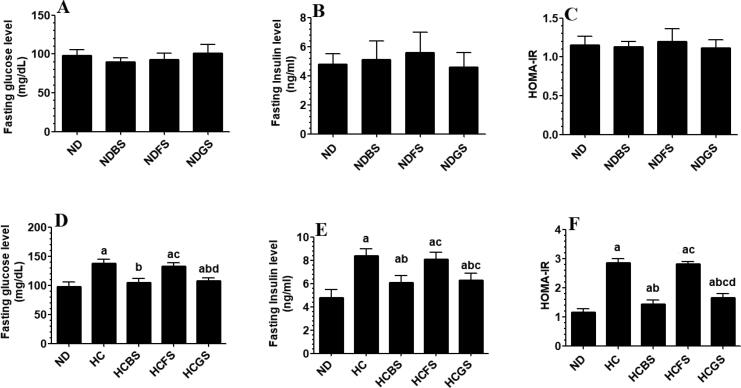
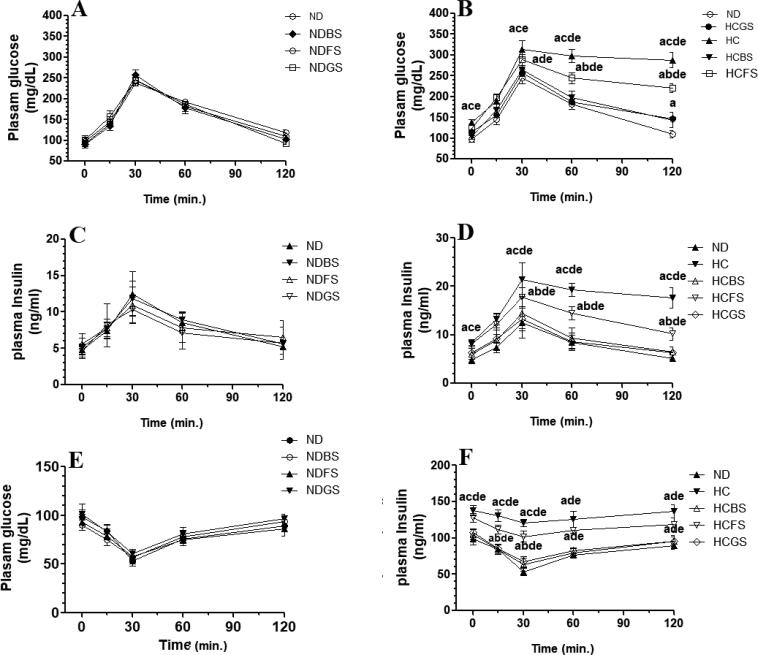
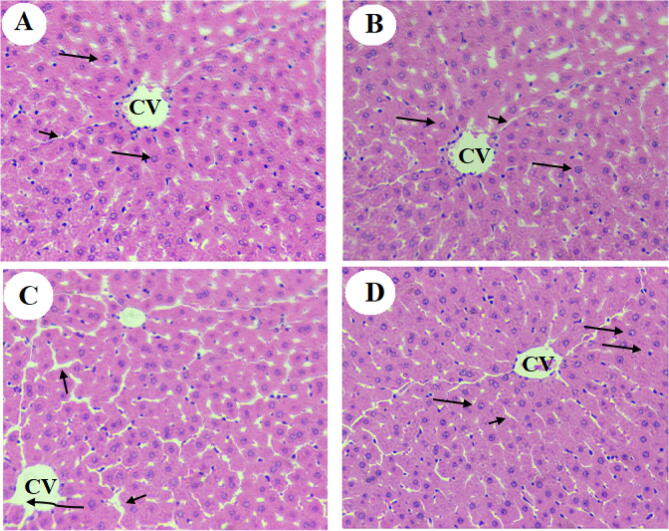
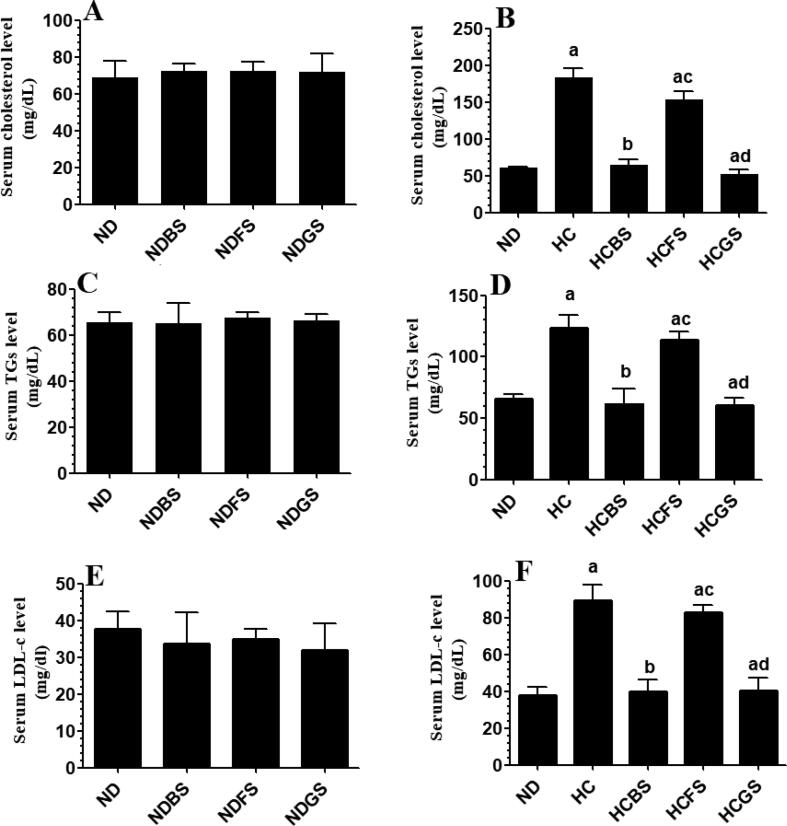
This study examined the impact of different cooking methods on fatty acid (FAs) composition of shrimp meat and the ability of these foods to protect against high cholesterol (HC) diet-induced non-alcoholic fatty liver disease (NAFLD) in rats. Shrimp were cooked for 10 min boiled, grilled, or fried in sunflower oil. Rats (n = 6/group) were fed a normal diet (ND)or high-cholesterol diet (HC) each containing boiled, grilled or fried shrimp powder (15% w/w) (NDBS, NDFS, NDGS for ND or HCBS, HCFS, HCDGS for HC diet). Frying alone significantly reduced total levels of saturated FAs (SFA) and increased total mono- and polyunsaturated FAs (MSFA, and PUFAs, respectively) in shrimp meat. It also increased levels of n-6 PUFAs and linoleic acid (LA) and decreased levels of n-3 PUFAs including eicosapentaenoic FAs (EPA) and docosahexaenoic fatty acid (DHA). When fed to HC rats, only diets containing the grilled and boiled shrimp powders significantly prevented the weight loss, lowered fasting and glucose levels, improved glucose and insulin tolerance, and prevented the increase in serum liver markers, ALT and AST. They also reduced hepatic fat accumulation, reduced serum levels and hepatic levels of cholesterol and triglycerides (TGs), reduced hepatic levels of MDA, tumor necrosis factor-alpha (TNF-α), and IL-6, and increased those of glutathione (GSH) and superoxide dismutase (SOD). No alterations in all these parameters were observed in HC-fed rats which fed fried shrimp. In conclusion, boiling and grilling but not frying are the best method to cook shrimp to preserve their fatty acid content and its nutritional value in ameliorating NAFLD.
本研究考察了不同烹饪方法对虾肉脂肪酸(FAs)组成的影响,以及这些食物对大鼠高胆固醇(HC)饮食诱导的非酒精性脂肪性肝病(NAFLD)的预防能力。虾分别采用水煮、烤制或在葵花籽油中油炸10分钟的方式进行烹饪。将大鼠(每组n = 6)分为正常饮食组(ND)或高胆固醇饮食组(HC),每组饮食中分别含有水煮、烤制或油炸虾粉(15% w/w)(ND组为NDBS、NDFS、NDGS,HC组为HCBS、HCFS、HCDGS)。单独油炸显著降低了虾肉中饱和脂肪酸(SFA)的总含量,并分别增加了单不饱和脂肪酸(MSFA)和多不饱和脂肪酸(PUFA)的总含量。同时,n-6多不饱和脂肪酸和亚油酸(LA)的含量增加,而包括二十碳五烯酸(EPA)和二十二碳六烯酸(DHA)在内的n-3多不饱和脂肪酸含量降低。当喂食HC大鼠时,只有含有烤制和水煮虾粉的饮食能显著防止体重减轻,降低空腹血糖水平,改善葡萄糖和胰岛素耐受性,并防止血清肝脏标志物ALT和AST升高。它们还减少了肝脏脂肪堆积,降低了血清和肝脏中的胆固醇及甘油三酯(TGs)水平,降低了肝脏中丙二醛(MDA)、肿瘤坏死因子-α(TNF-α)和白细胞介素-6的水平,并提高了谷胱甘肽(GSH)和超氧化物歧化酶(SOD)的水平。喂食油炸虾的HC大鼠在所有这些参数上均未观察到变化。总之,水煮和烤制而非油炸是烹饪虾以保留其脂肪酸含量及其在改善NAFLD方面营养价值的最佳方法。