Kim Sae-Hae, Jang Yong-Suk
Department of Molecular Biology and The Institute for Molecular Biology and Genetics, Jeonbuk National University, Jeonju 54896, Korea.
Department of Bioactive Material Sciences and Research Center of Bioactive Materials, Jeonbuk National University, Jeonju 54896, Korea.
Immune Netw. 2020 Nov 13;20(6):e44. doi: 10.4110/in.2020.20.e44. eCollection 2020 Dec.
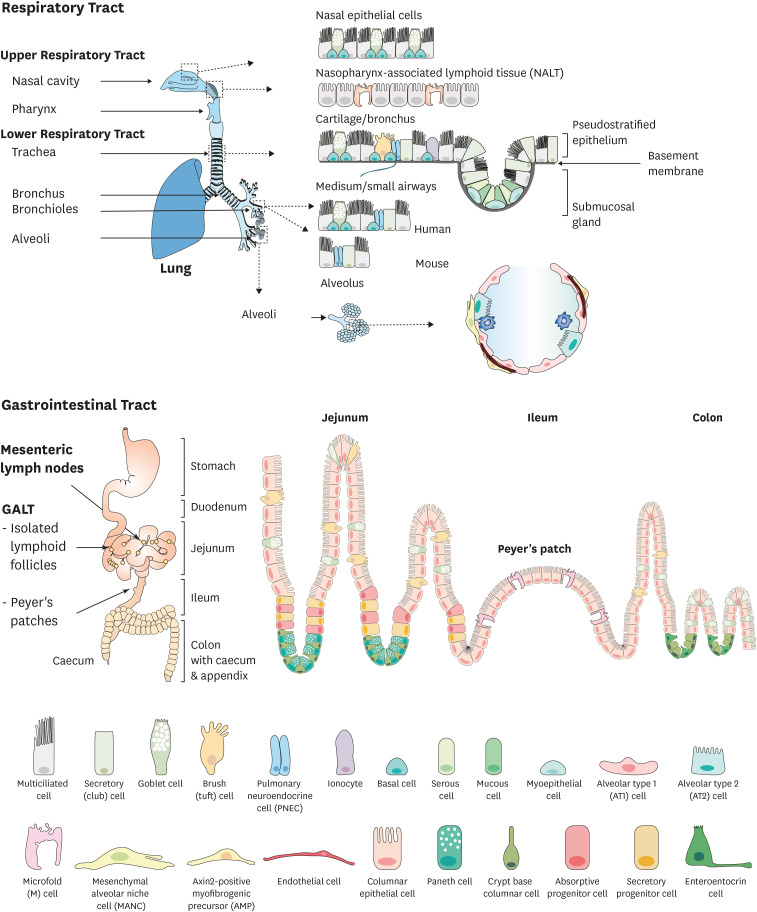
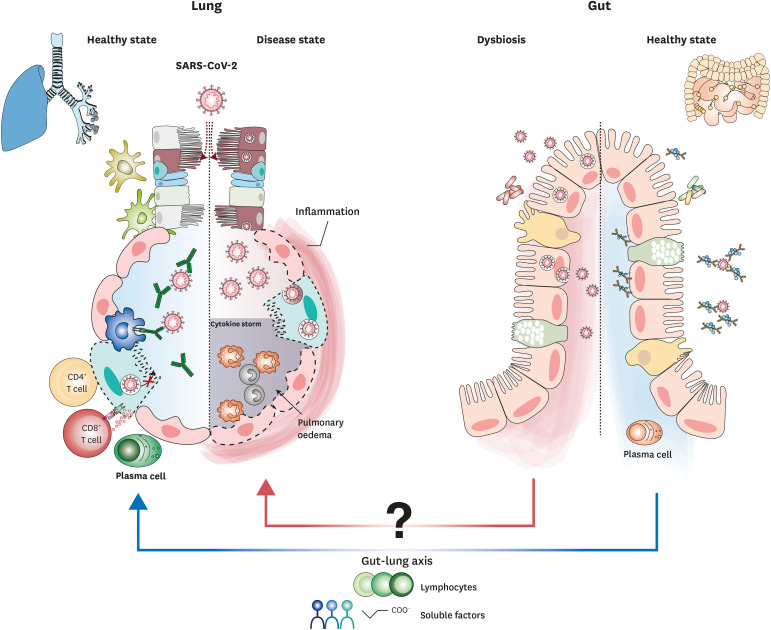
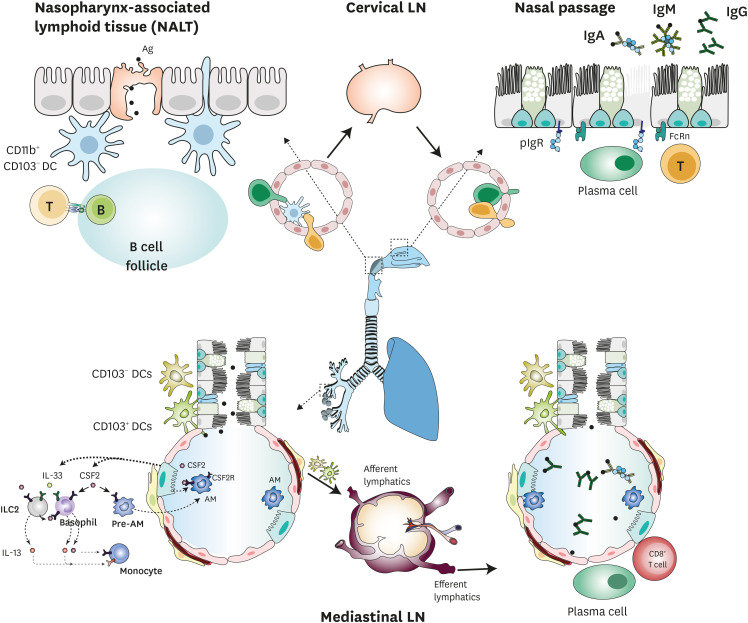
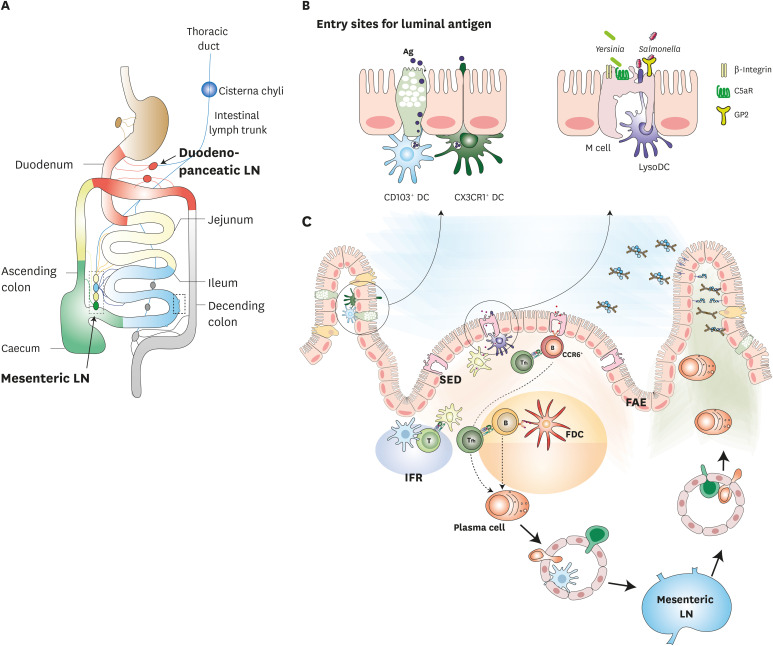
The human body is continuously threatened by pathogens, and the immune system must maintain a balance between fighting infection and becoming over-activated. Mucosal surfaces cover several anatomically diverse organs throughout the body, such as the respiratory and gastrointestinal tracts, and are directly exposed to the external environment. Various pathogens invade the body through mucosal surfaces, making the mucosa the frontline of immune defense. The immune systems of various mucosal tissues display distinctive features that reflect the tissues' anatomical and functional characteristics. This review discusses the cellular components that constitute the respiratory and gastrointestinal tracts; in particular, it highlights the complex interactions between epithelial and immune cells to induce Ag-specific immune responses in the lung and gut. This information on mucosal immunity may facilitate understanding of the defense mechanisms against infectious agents that invade mucosal surfaces, such as severe acute respiratory syndrome coronavirus 2, and provide insight into effective vaccine development.
人体不断受到病原体的威胁,免疫系统必须在对抗感染和过度激活之间保持平衡。黏膜表面覆盖着身体中几个解剖结构各异的器官,如呼吸道和胃肠道,并且直接暴露于外部环境。各种病原体通过黏膜表面侵入人体,使黏膜成为免疫防御的前线。各种黏膜组织的免疫系统表现出独特的特征,这些特征反映了组织的解剖和功能特性。本综述讨论了构成呼吸道和胃肠道的细胞成分;特别强调了上皮细胞和免疫细胞之间的复杂相互作用,以在肺和肠道中诱导抗原特异性免疫反应。这些关于黏膜免疫的信息可能有助于理解针对侵入黏膜表面的感染因子(如严重急性呼吸综合征冠状病毒2)的防御机制,并为有效的疫苗开发提供见解。