OBT Research Center, Faculty of Dental Science, Kyushu University, Fukuoka, Japan; Department of Health and Nutrition care, Faculty of Allied Health Sciences, University of East Asia, Shimonoseki, Japan.
OBT Research Center, Faculty of Dental Science, Kyushu University, Fukuoka, Japan.
J Biol Chem. 2021 Jan-Jun;296:100274. doi: 10.1016/j.jbc.2021.100274. Epub 2021 Jan 9.
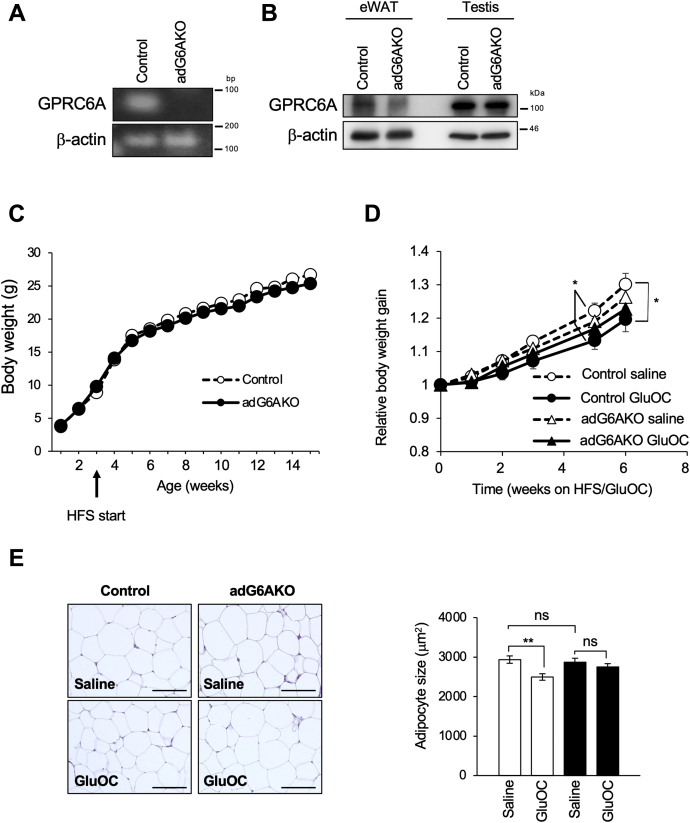
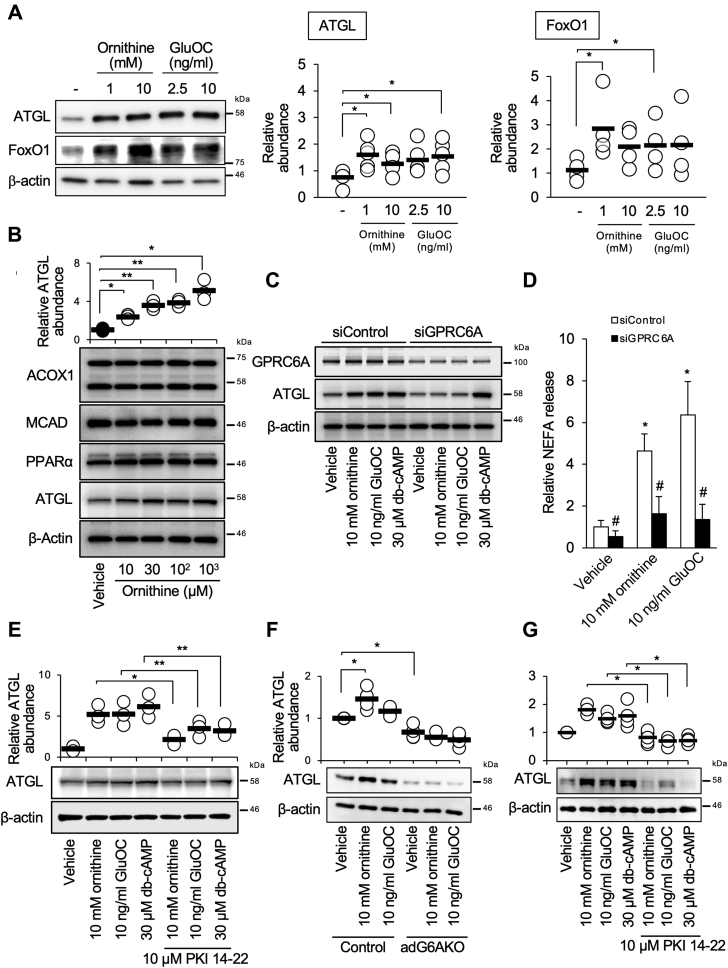
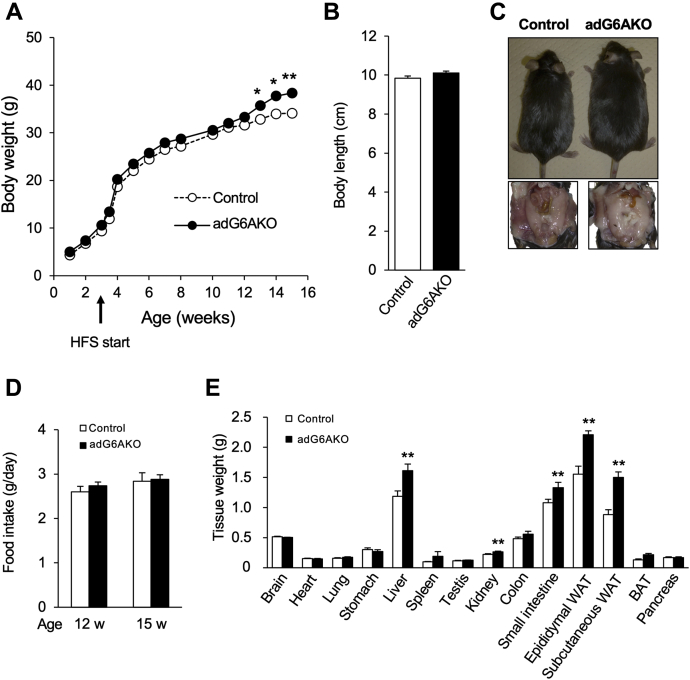
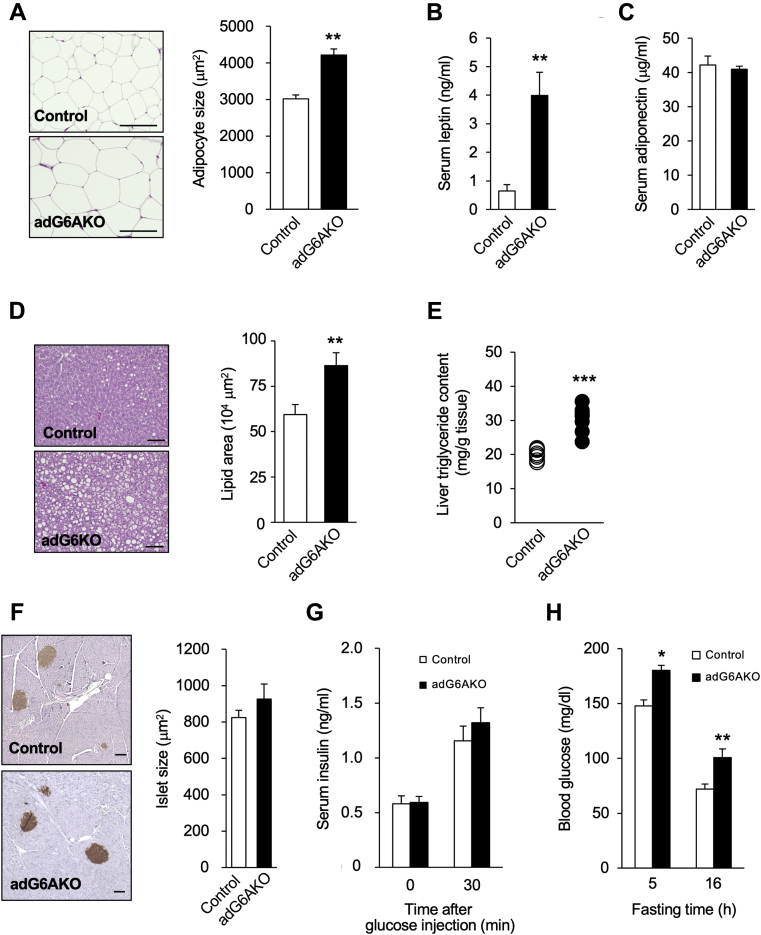
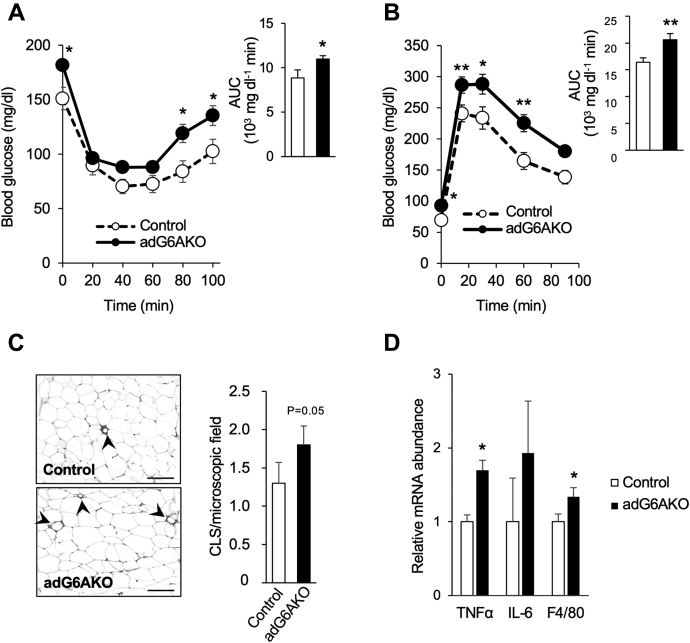
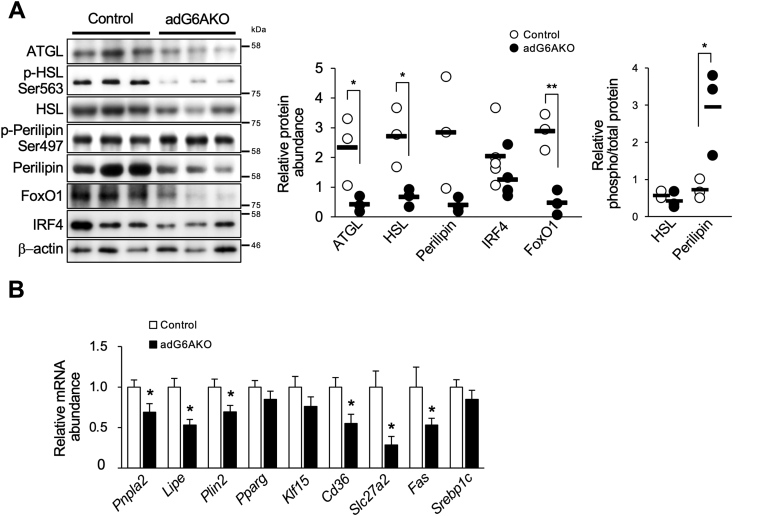
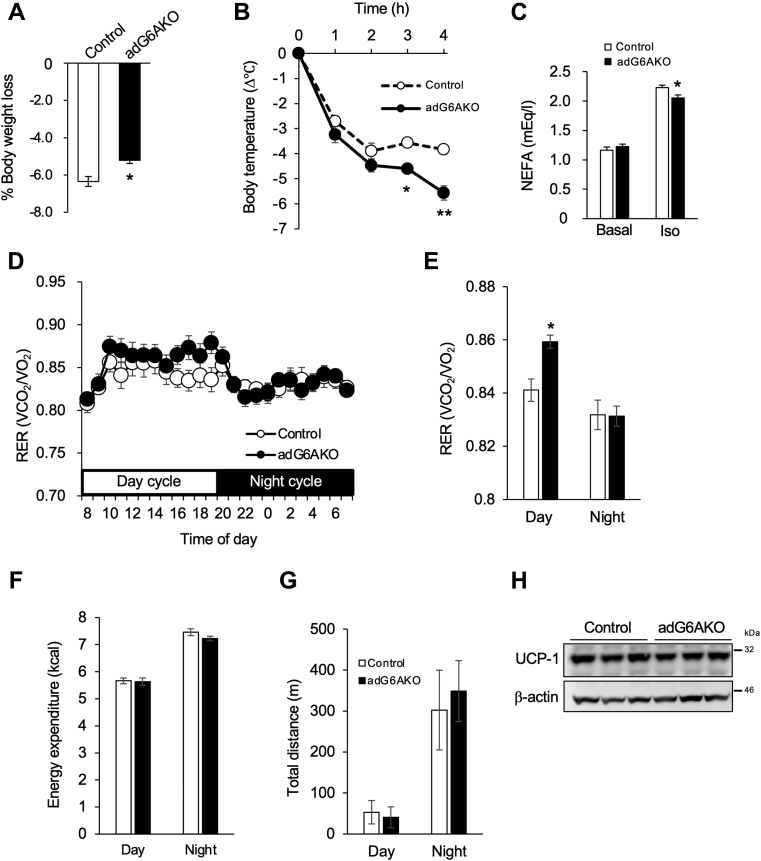
The G protein-coupled receptor GPRC6A regulates various physiological processes in response to its interaction with multiple ligands, such as extracellular basic amino acids, divalent cations, testosterone, and the uncarboxylated form of osteocalcin (GluOC). Global ablation of GPRC6A increases the susceptibility of mice to diet-induced obesity and related metabolic disorders. However, given that GPRC6A is expressed in many tissues and responds to a variety of hormonal and nutritional signals, the cellular and molecular mechanisms underlying the development of metabolic disorders in conventional knockout mice have remained unclear. On the basis of our previous observation that long-term oral administration of GluOC markedly reduced adipocyte size and improved glucose tolerance in WT mice, we examined whether GPRC6A signaling in adipose tissue might be responsible for prevention of metabolic disorders. We thus generated adipocyte-specific GPRC6A knockout mice, and we found that these animals manifested increased adipose tissue weight, adipocyte hypertrophy, and adipose tissue inflammation when fed a high-fat and high-sucrose diet compared with control mice. These effects were associated with reduced lipolytic activity because of downregulation of lipolytic enzymes such as adipose triglyceride lipase and hormone-sensitive lipase in adipose tissue of the conditional knockout mice. Given that, among GPR6CA ligands tested, GluOC and ornithine increased the expression of adipose triglyceride lipase in cultured 3T3-L1 adipocytes in a manner dependent on GPRC6A, our results suggest that the constitutive activation of GPRC6A signaling in adipocytes by GluOC or ornithine plays a key role in adipose lipid handling and the prevention of obesity and related metabolic disorders.
G 蛋白偶联受体 GPRC6A 通过与多种配体(如细胞外碱性氨基酸、二价阳离子、睾丸酮和未羧基化形式的骨钙素(GluOC))相互作用,调节各种生理过程。GPRC6A 的全局缺失会增加小鼠对饮食诱导肥胖和相关代谢紊乱的易感性。然而,鉴于 GPRC6A 在许多组织中表达,并对多种激素和营养信号作出反应,因此在传统敲除小鼠中,代谢紊乱发展的细胞和分子机制仍不清楚。基于我们之前的观察结果,即长期口服 GluOC 可显著减少 WT 小鼠的脂肪细胞大小并改善葡萄糖耐量,我们研究了脂肪组织中 GPRC6A 信号传导是否可能与预防代谢紊乱有关。因此,我们生成了脂肪细胞特异性 GPRC6A 敲除小鼠,并且发现与对照小鼠相比,这些动物在喂食高脂肪高蔗糖饮食时表现出增加的脂肪组织重量、脂肪细胞肥大和脂肪组织炎症。这些作用与脂肪组织中脂肪甘油三酯脂肪酶和激素敏感性脂肪酶等脂肪分解酶的下调导致脂肪分解活性降低有关。鉴于在所测试的 GPR6CA 配体中,GluOC 和鸟氨酸以依赖于 GPRC6A 的方式增加培养的 3T3-L1 脂肪细胞中脂肪甘油三酯脂肪酶的表达,我们的结果表明,GluOC 或鸟氨酸通过 GPRC6A 对脂肪细胞中 GPRC6A 信号传导的组成性激活在脂肪脂质处理以及预防肥胖和相关代谢紊乱中发挥关键作用。