Department of Physiology, College of Medicine, University of Tennessee Health Science Center, 3 N Dunlap, Suite S303, Memphis, TN, 38163, USA.
Department of Pediatrics, College of Medicine, University of Tennessee Health Science Center, Memphis, TN, 38163, USA.
Sci Rep. 2021 Jan 12;11(1):826. doi: 10.1038/s41598-020-80637-y.
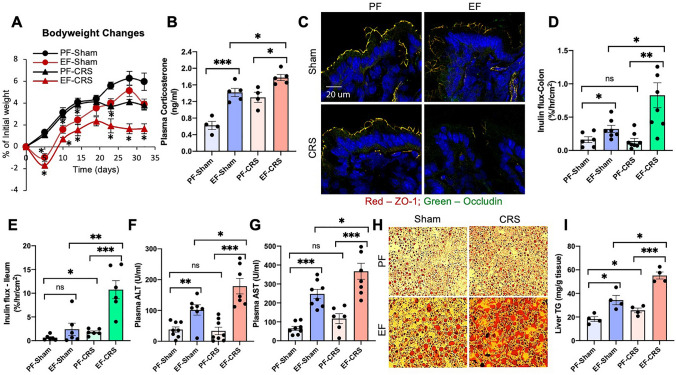
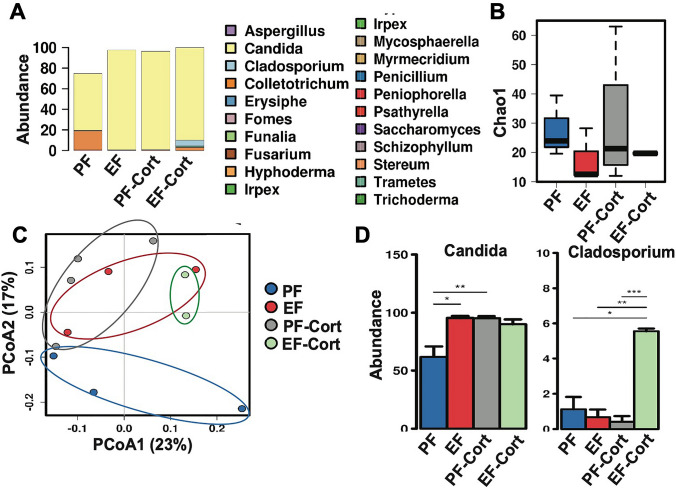
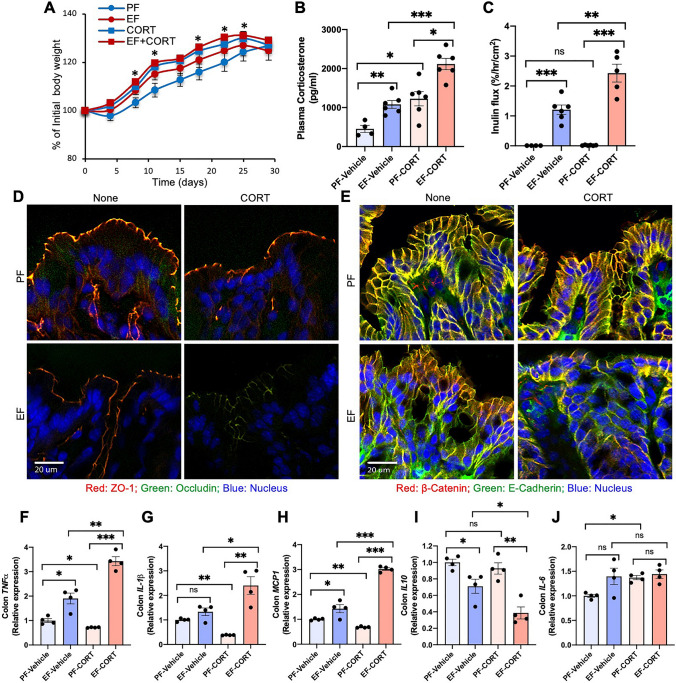
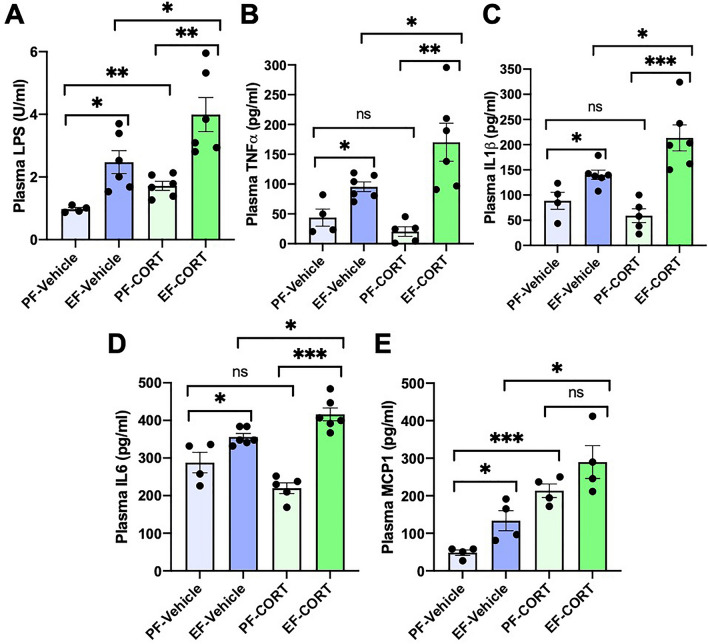
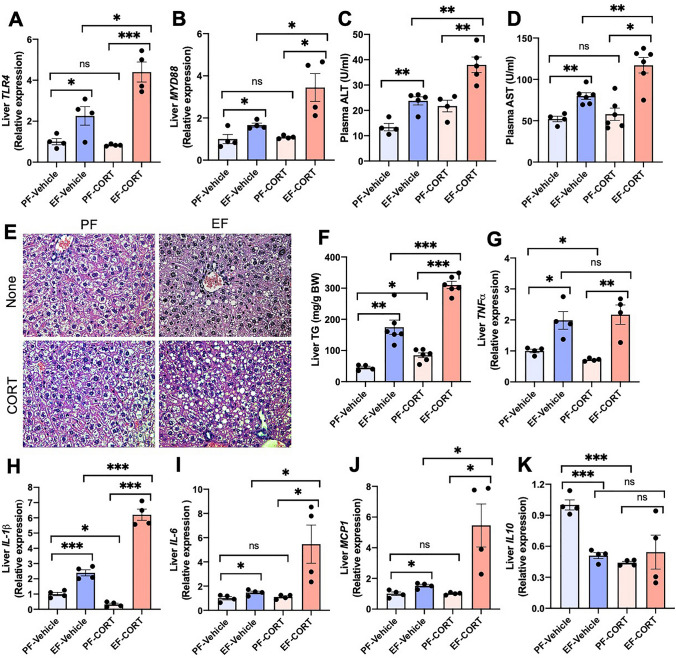
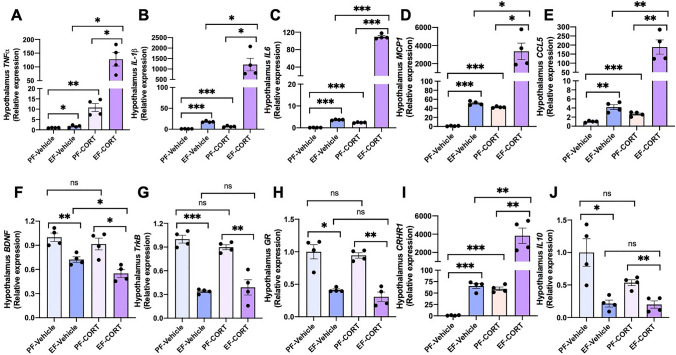
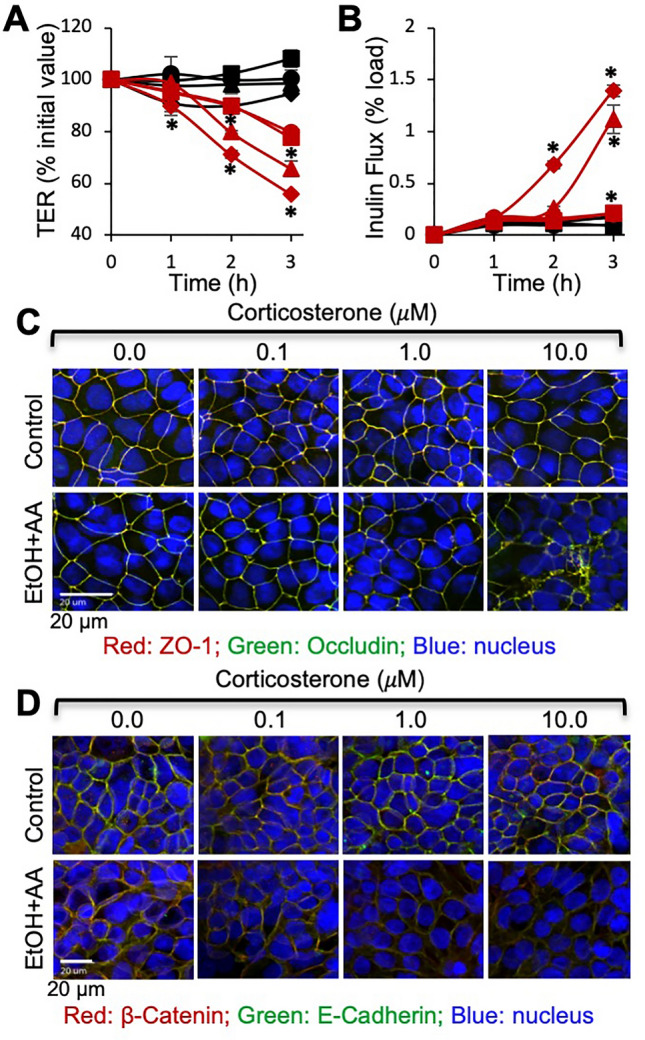
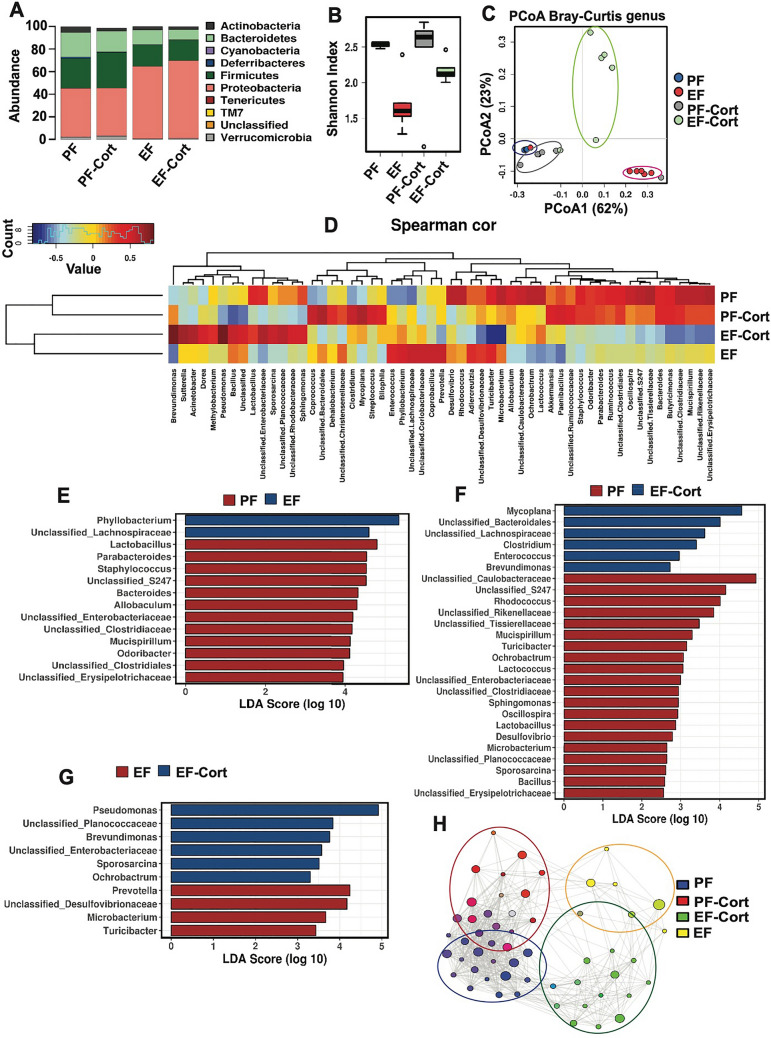
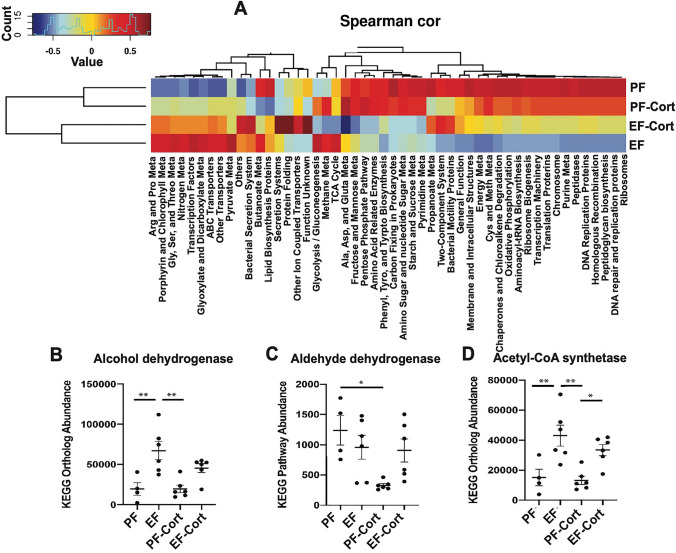
Alcohol use disorders are associated with altered stress responses, but the impact of stress or stress hormones on alcohol-associated tissue injury remain unknown. We evaluated the effects of chronic restraint stress on alcohol-induced gut barrier dysfunction and liver damage in mice. To determine whether corticosterone is the stress hormone associated with the stress-induced effects, we evaluated the effect of chronic corticosterone treatment on alcoholic tissue injury at the Gut-Liver-Brain (GLB) axis. Chronic restraint stress synergized alcohol-induced epithelial tight junction disruption and mucosal barrier dysfunction in the mouse intestine. These effects of stress on the gut were reproduced by corticosterone treatment. Corticosterone synergized alcohol-induced expression of inflammatory cytokines and chemokines in the colonic mucosa, and it potentiated the alcohol-induced endotoxemia and systemic inflammation. Corticosterone also potentiated alcohol-induced liver damage and neuroinflammation. Metagenomic analyses of 16S RNA from fecal samples indicated that corticosterone modulates alcohol-induced changes in the diversity and abundance of gut microbiota. In Caco-2 cell monolayers, corticosterone dose-dependently potentiated ethanol and acetaldehyde-induced tight junction disruption and barrier dysfunction. These data indicate that chronic stress and corticosterone exacerbate alcohol-induced mucosal barrier dysfunction, endotoxemia, and systemic alcohol responses. Corticosterone-mediated promotion of alcohol-induced intestinal epithelial barrier dysfunction and modulation of gut microbiota may play a crucial role in the mechanism of stress-induced promotion of alcohol-associated tissue injury at the GLB axis.
酒精使用障碍与应激反应改变有关,但应激或应激激素对酒精相关组织损伤的影响尚不清楚。我们评估了慢性束缚应激对小鼠酒精诱导的肠道屏障功能障碍和肝损伤的影响。为了确定皮质酮是否是与应激诱导效应相关的应激激素,我们评估了慢性皮质酮处理对酒精性组织损伤在肠道-肝脏-大脑(GLB)轴上的影响。慢性束缚应激协同酒精诱导的小鼠肠道上皮紧密连接破坏和黏膜屏障功能障碍。皮质酮处理可重现应激对肠道的这些影响。皮质酮协同酒精诱导的结肠黏膜中炎症细胞因子和趋化因子的表达,并增强酒精诱导的内毒素血症和全身炎症。皮质酮还增强了酒精诱导的肝损伤和神经炎症。粪便 16S RNA 的宏基因组分析表明,皮质酮调节酒精诱导的肠道微生物群多样性和丰度的变化。在 Caco-2 细胞单层中,皮质酮剂量依赖性地增强了乙醇和乙醛诱导的紧密连接破坏和屏障功能障碍。这些数据表明,慢性应激和皮质酮加剧了酒精诱导的黏膜屏障功能障碍、内毒素血症和全身酒精反应。皮质酮介导的促进酒精诱导的肠道上皮屏障功能障碍和调节肠道微生物群可能在 GLB 轴上应激诱导促进酒精相关组织损伤的机制中发挥关键作用。