Department of Medicine, Georgetown University, Washington, DC, United States of America.
Department of Oncology, Georgetown Lombardi Comprehensive Cancer Centre, Georgetown University, Washington, DC, United States of America.
PLoS One. 2021 Jan 13;16(1):e0244116. doi: 10.1371/journal.pone.0244116. eCollection 2021.
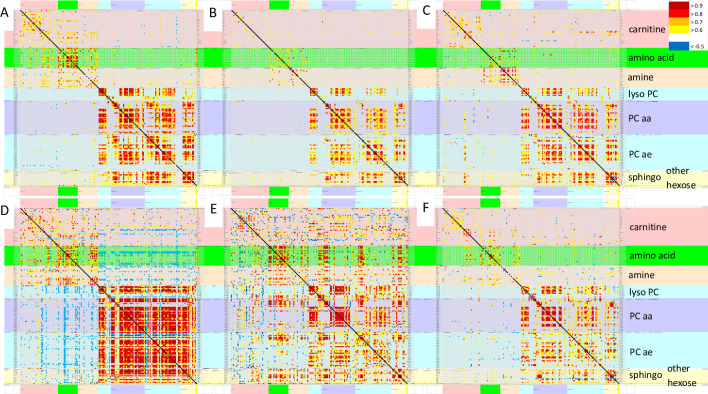
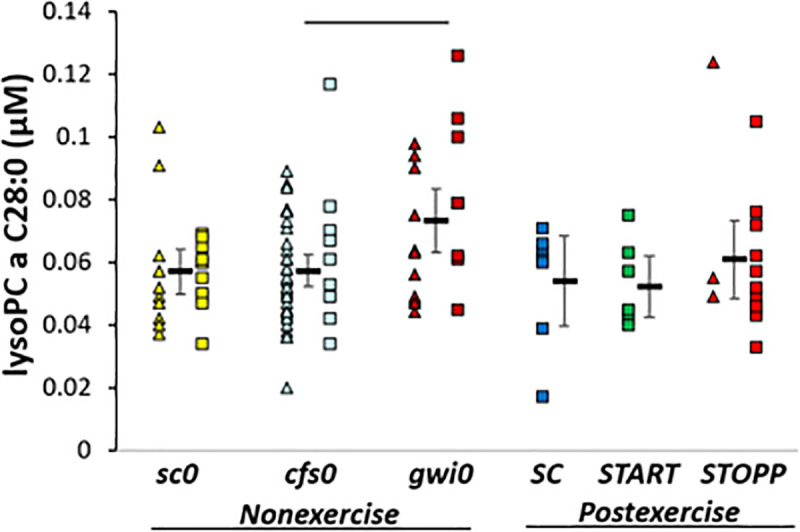
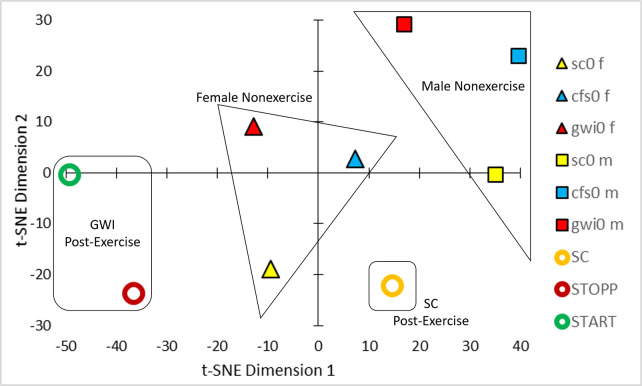
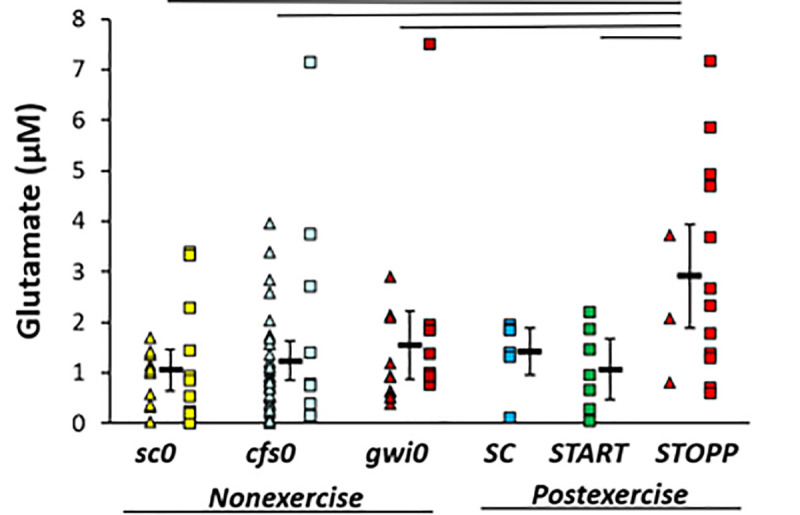
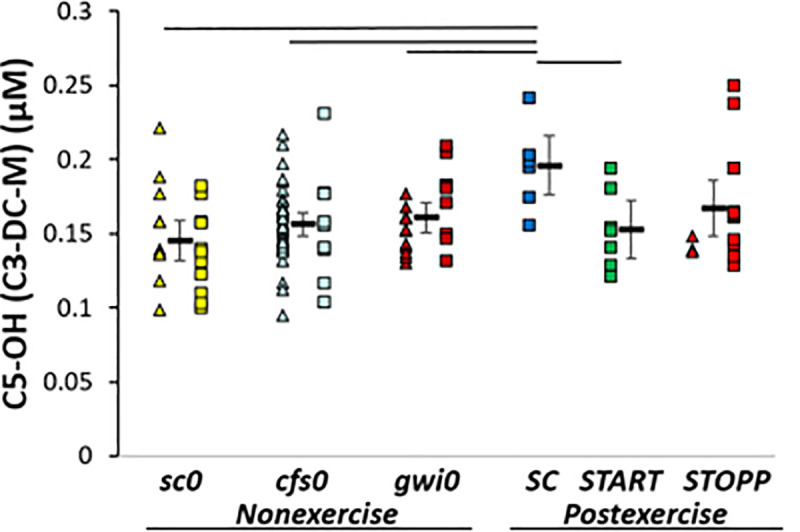
Myalgic encephalomyelitis / Chronic Fatigue Syndrome (ME/CFS) and Gulf War Illness (GWI) share many symptoms of fatigue, pain, and cognitive dysfunction that are not relieved by rest. Patterns of serum metabolites in ME/CFS and GWI are different from control groups and suggest potential dysfunction of energy and lipid metabolism. The metabolomics of cerebrospinal fluid was contrasted between ME/CFS, GWI and sedentary controls in 2 sets of subjects who had lumbar punctures after either (a) rest or (b) submaximal exercise stress tests. Postexercise GWI and control subjects were subdivided according to acquired transient postexertional postural tachycardia. Banked cerebrospinal fluid specimens were assayed using Biocrates AbsoluteIDQ® p180 kits for quantitative targeted metabolomics studies of amino acids, amines, acylcarnitines, sphingolipids, lysophospholipids, alkyl and ether phosphocholines. Glutamate was significantly higher in the subgroup of postexercise GWI subjects who did not develop postural tachycardia after exercise compared to nonexercise and other postexercise groups. The only difference between nonexercise groups was higher lysoPC a C28:0 in GWI than ME/CFS suggesting this biochemical or phospholipase activities may have potential as a biomarker to distinguish between the 2 diseases. Exercise effects were suggested by elevation of short chain acylcarnitine C5-OH (C3-DC-M) in postexercise controls compared to nonexercise ME/CFS. Limitations include small subgroup sample sizes and absence of postexercise ME/CFS specimens. Mechanisms of glutamate neuroexcitotoxicity may contribute to neuropathology and "neuroinflammation" in the GWI subset who did not develop postural tachycardia after exercise. Dysfunctional lipid metabolism may distinguish the predominantly female ME/CFS group from predominantly male GWI subjects.
肌痛性脑脊髓炎/慢性疲劳综合征(ME/CFS)和海湾战争病(GWI)有许多共同的疲劳、疼痛和认知功能障碍症状,这些症状不会因休息而缓解。ME/CFS 和 GWI 患者的血清代谢物模式与对照组不同,表明能量和脂质代谢可能存在潜在功能障碍。在两组接受腰椎穿刺的受试者中,对比了 ME/CFS、GWI 和久坐对照组的脑脊液代谢组学,这些受试者分别在(a)休息或(b)亚最大运动应激测试后进行。根据运动后获得的一过性体位性心动过速,将运动后 GWI 和对照组受试者进一步细分。使用 Biocrates AbsoluteIDQ® p180 试剂盒对银行储存的脑脊液标本进行分析,用于进行氨基酸、胺、酰基肉碱、神经鞘脂、溶血磷脂、烷基和醚磷胆堿的定量靶向代谢组学研究。与非运动和其他运动后组相比,运动后未发生体位性心动过速的 GWI 亚组谷氨酸显著升高。非运动组之间唯一的差异是 GWI 中的 lysoPC a C28:0 高于 ME/CFS,表明这种生化或磷脂酶活性可能有潜力作为区分这两种疾病的生物标志物。与非运动 ME/CFS 相比,运动后对照组中短链酰基肉碱 C5-OH(C3-DC-M)的升高提示存在运动效应。局限性包括亚组样本量小以及缺乏运动后 ME/CFS 标本。谷氨酸神经兴奋毒性的机制可能导致运动后未发生体位性心动过速的 GWI 亚组的神经病理学和“神经炎症”。功能失调的脂质代谢可能将以女性为主的 ME/CFS 组与以男性为主的 GWI 受试者区分开来。