Suzuki Yuichiro J, Gychka Sergiy G
Department of Pharmacology and Physiology, Georgetown University Medical Center, Washington, DC 20007, USA.
Department of Pathological Anatomy N2, Bogomolets National Medical University, 01601 Kiev, Ukraine.
Vaccines (Basel). 2021 Jan 11;9(1):36. doi: 10.3390/vaccines9010036.
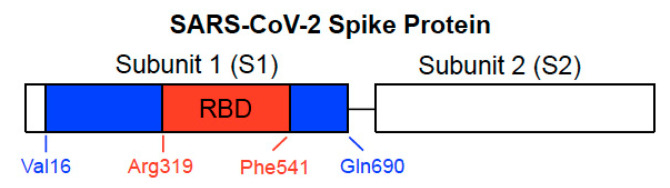
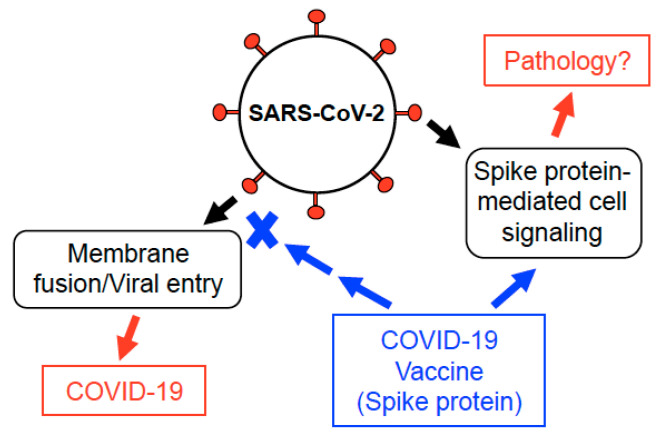
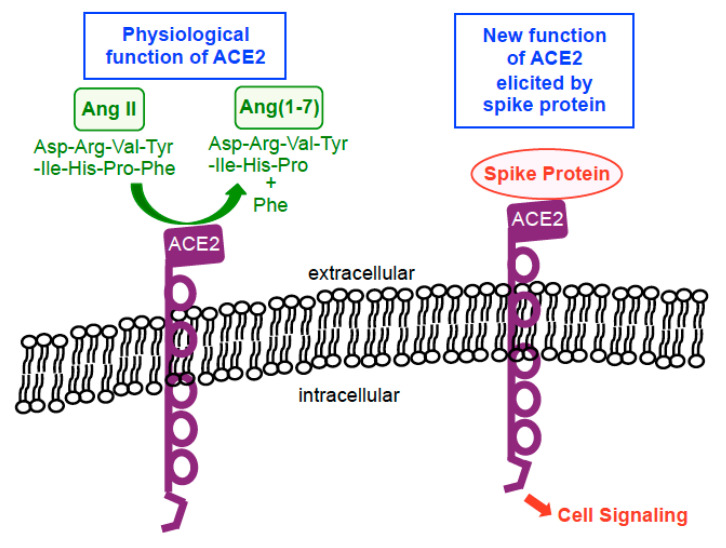
The world is suffering from the coronavirus disease 2019 (COVID-19) pandemic caused by severe acute respiratory syndrome coronavirus 2 (SARS-CoV-2). SARS-CoV-2 uses its spike protein to enter the host cells. Vaccines that introduce the spike protein into our body to elicit virus-neutralizing antibodies are currently being developed. In this article, we note that human host cells sensitively respond to the spike protein to elicit cell signaling. Thus, it is important to be aware that the spike protein produced by the new COVID-19 vaccines may also affect the host cells. We should monitor the long-term consequences of these vaccines carefully, especially when they are administered to otherwise healthy individuals. Further investigations on the effects of the SARS-CoV-2 spike protein on human cells and appropriate experimental animal models are warranted.
世界正遭受由严重急性呼吸综合征冠状病毒2(SARS-CoV-2)引起的2019冠状病毒病(COVID-19)大流行。SARS-CoV-2利用其刺突蛋白进入宿主细胞。目前正在研发将刺突蛋白引入人体以引发病毒中和抗体的疫苗。在本文中,我们指出人类宿主细胞对刺突蛋白敏感反应以引发细胞信号传导。因此,必须意识到新型COVID-19疫苗产生的刺突蛋白也可能影响宿主细胞。我们应该仔细监测这些疫苗的长期后果,尤其是当它们用于原本健康的个体时。有必要对SARS-CoV-2刺突蛋白对人类细胞的影响以及合适的实验动物模型进行进一步研究。