Hemmatian Tahmineh, Lee Halim, Kim Jooyoun
Department of Textiles, Merchandising and Fashion Design, Seoul National University, Seoul 08826, Korea.
Research Institute of Human Ecology, Seoul National University, Seoul 08826, Korea.
Polymers (Basel). 2021 Jan 11;13(2):223. doi: 10.3390/polym13020223.
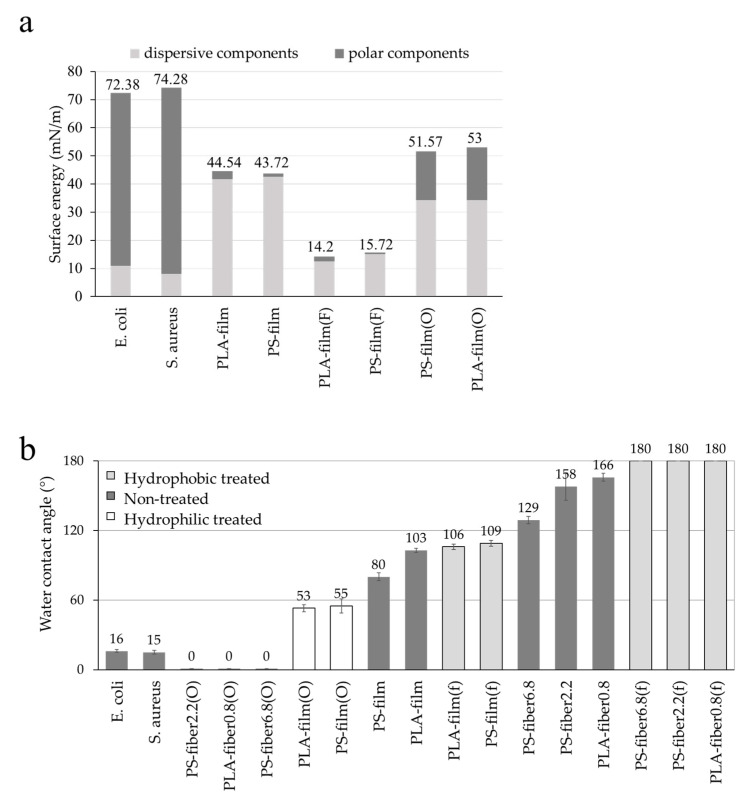
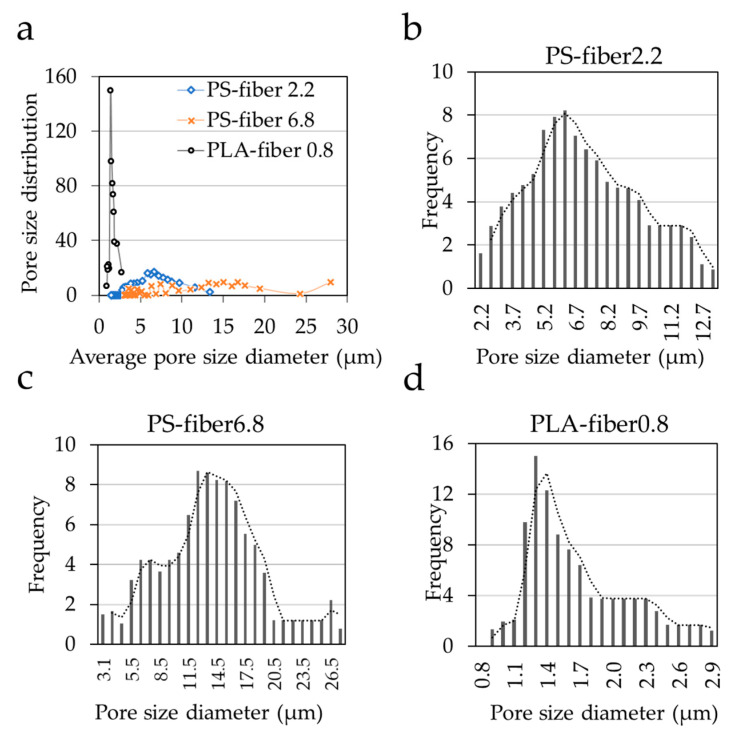
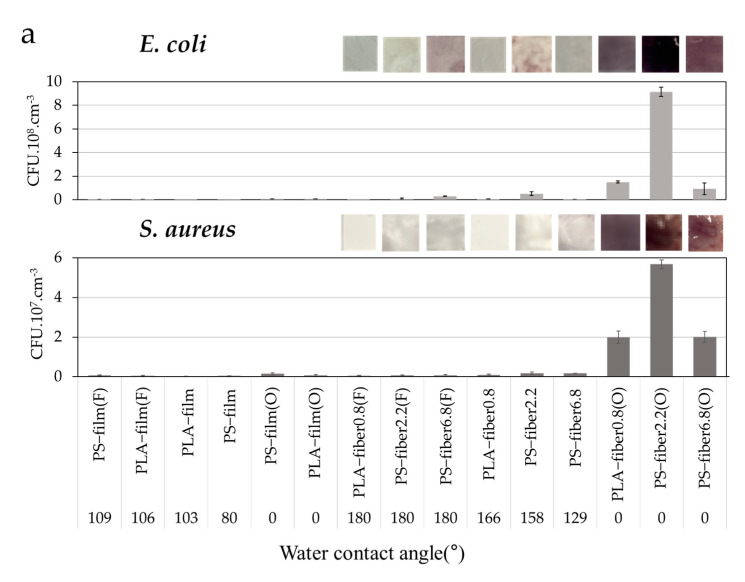
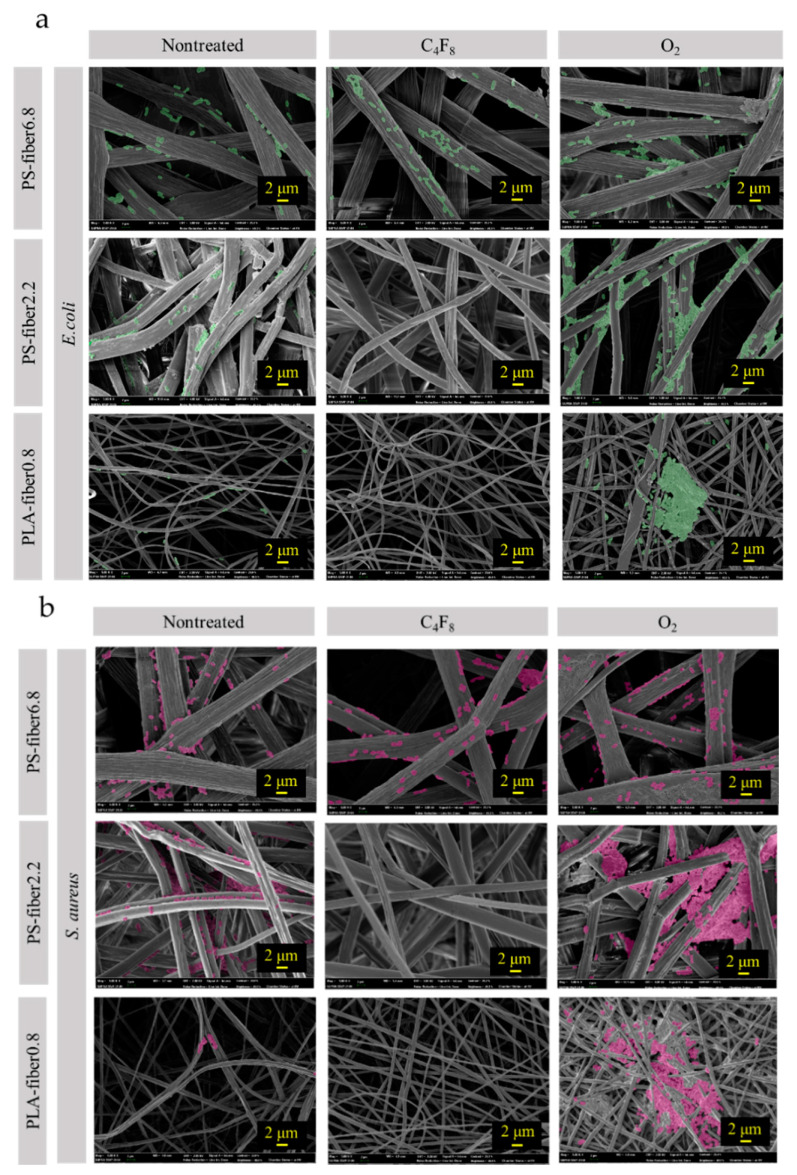
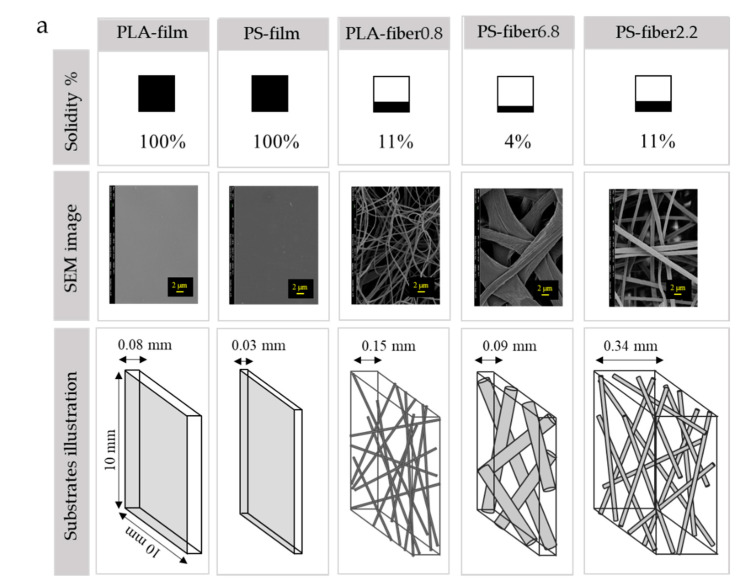
Bacteria adhesion on the surface is an initial step to create biofouling, which may lead to a severe infection of living organisms and humans. This study is concerned with investigating the textile properties including wettability, porosity, total pore volume, and pore size in association with bacteria adhesion. As model bacteria, Gram-negative, rod-shaped and the Gram-positive, spherical-shaped were used to analyze the adhesion tendency. Electrospun webs made from polystyrene and poly(lactic acid) were used as substrates, with modification of wettability by the plasma process using either O or CF gas. The pore and morphological characteristics of fibrous webs were analyzed by the capillary flow porometer and scanning electron microscopy. The substrate's wettability appeared to be the primary factor influencing the cell adhesion, where the hydrophilic surface resulted in considerably higher adhesion. The pore volume and the pore size, rather than the porosity itself, were other important factors affecting the bacteria adherence and retention. In addition, the compact spatial distribution of fibers limited the cell intrusion into the pores, reducing the total amount of adherence. Thus, superhydrophobic textiles with the reduced total pore volume and smaller pore size would circumvent the adhesion. The findings of this study provide informative discussion on the characteristics of fibrous webs affecting the bacteria adhesion, which can be used as a fundamental design guide of anti-biofouling textiles.
细菌在表面的附着是形成生物污垢的初始步骤,这可能导致生物体和人类发生严重感染。本研究关注于研究包括润湿性、孔隙率、总孔体积和孔径在内的纺织性能与细菌附着之间的关系。作为模型细菌,使用革兰氏阴性、杆状细菌和革兰氏阳性、球状细菌来分析附着趋势。由聚苯乙烯和聚乳酸制成的电纺纤维网用作基材,并通过使用氧气或CF4气体的等离子体工艺对润湿性进行改性。通过毛细管流动孔隙率仪和扫描电子显微镜分析纤维网的孔隙和形态特征。基材的润湿性似乎是影响细胞附着的主要因素,其中亲水性表面导致显著更高的附着力。孔体积和孔径而非孔隙率本身是影响细菌附着和留存的其他重要因素。此外,纤维的紧密空间分布限制了细胞侵入孔隙,减少了附着总量。因此,具有减小的总孔体积和较小孔径的超疏水纺织品将避免细菌附着。本研究结果为影响细菌附着的纤维网特性提供了有益的讨论,可作为抗生物污垢纺织品的基础设计指南。