Institute of Infection, Immunity and Inflammation, College of Medical Veterinary and Life Sciences, University of Glasgow, Glasgow G12 8TA, UK.
MRC-University of Glasgow Centre for Virus Research, Institute of Infection, Immunity and Inflammation, College of Medical Veterinary and Life Sciences, University of Glasgow, Glasgow G61 1QH, UK.
Viruses. 2021 Jan 11;13(1):91. doi: 10.3390/v13010091.
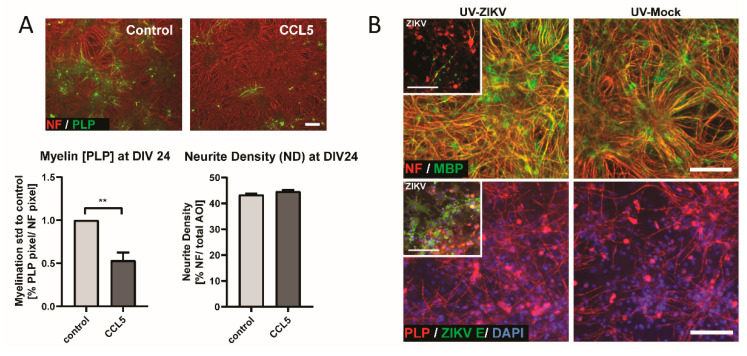
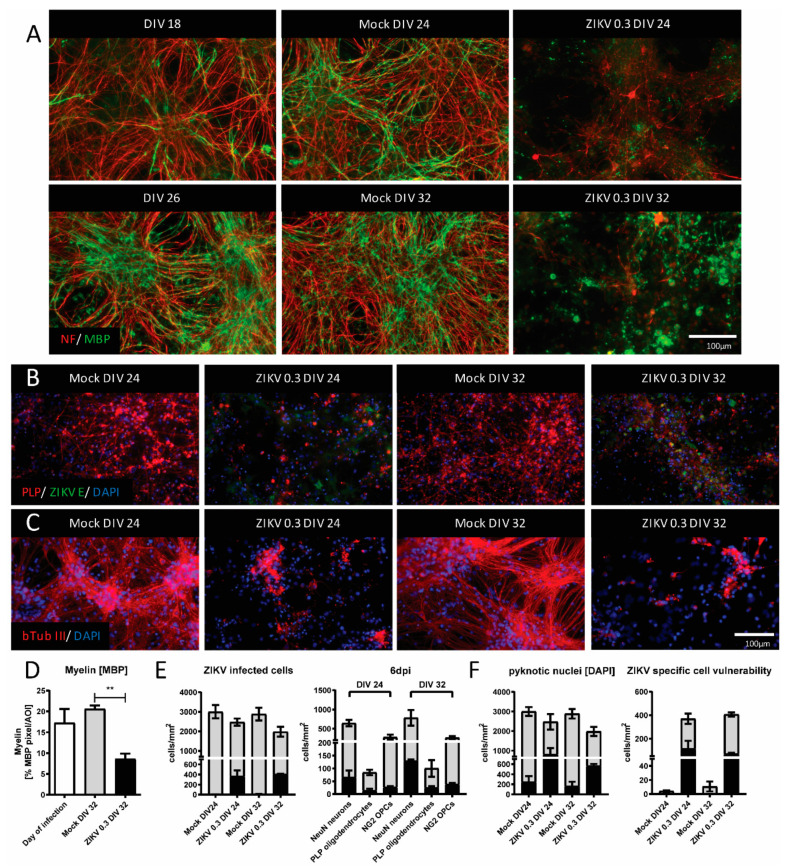
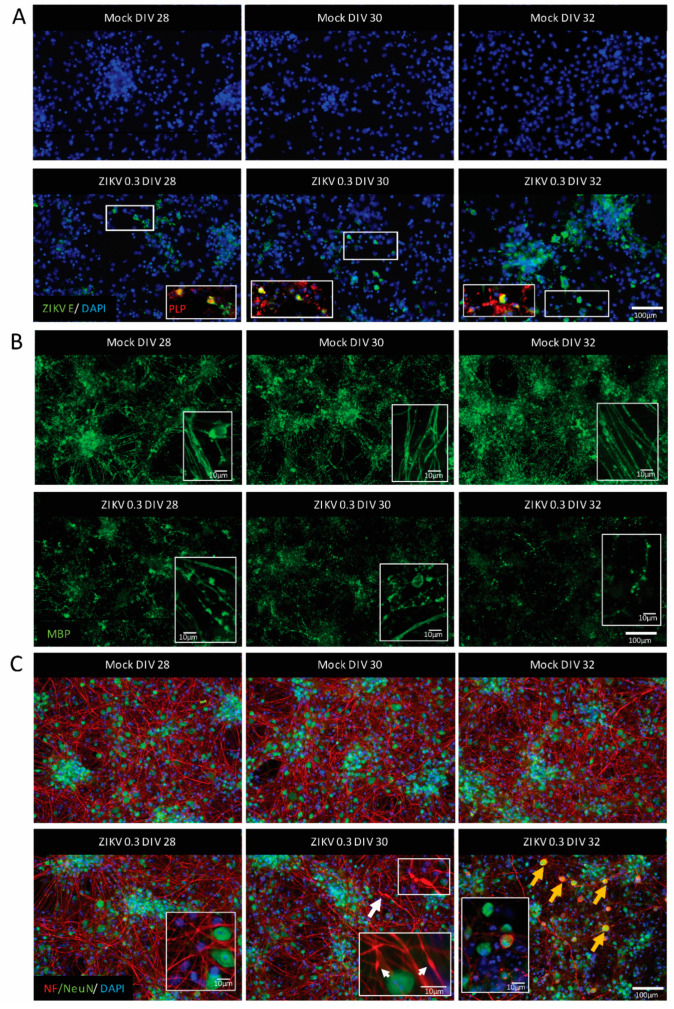
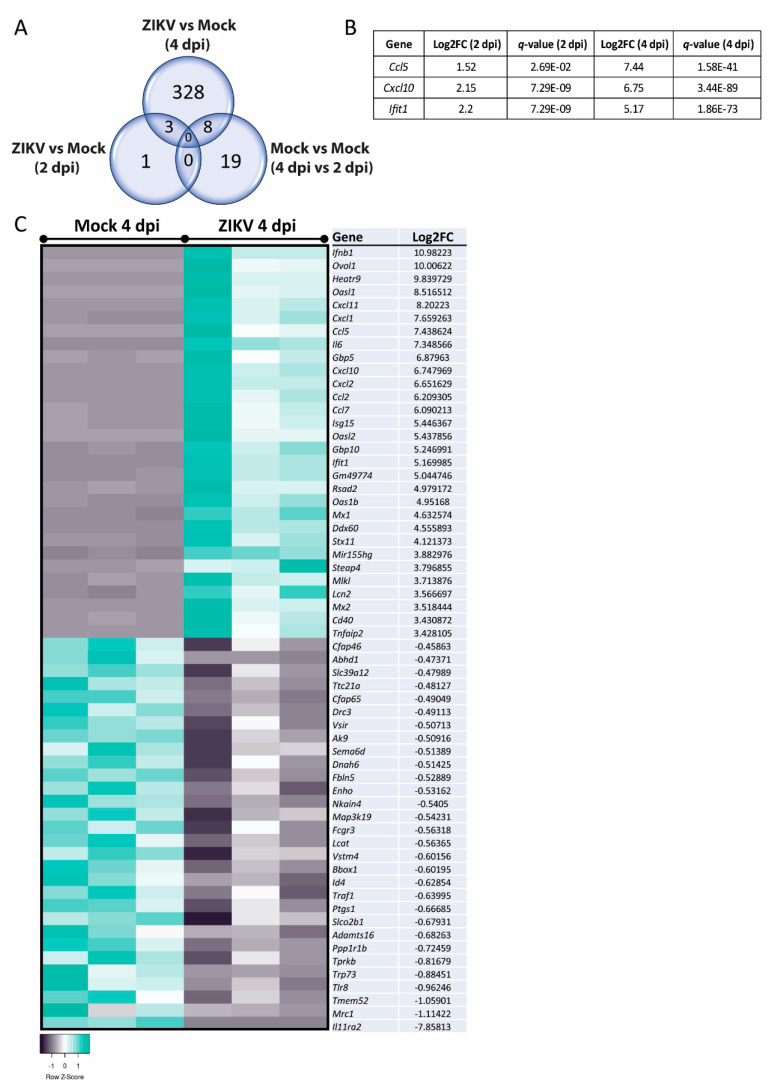
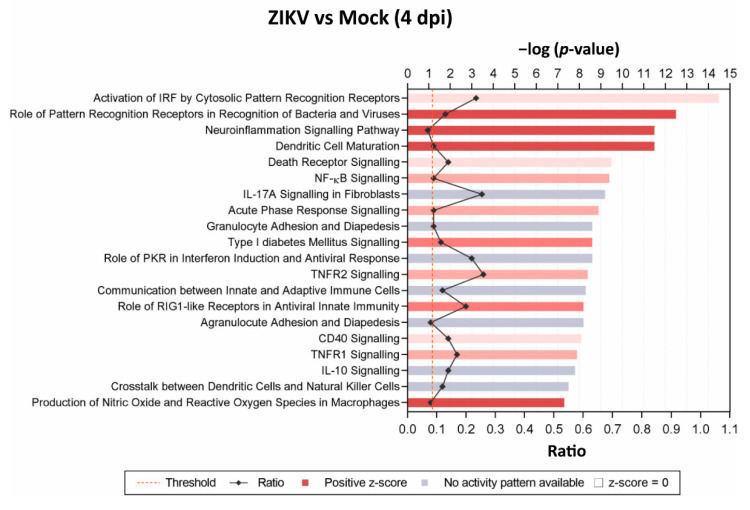
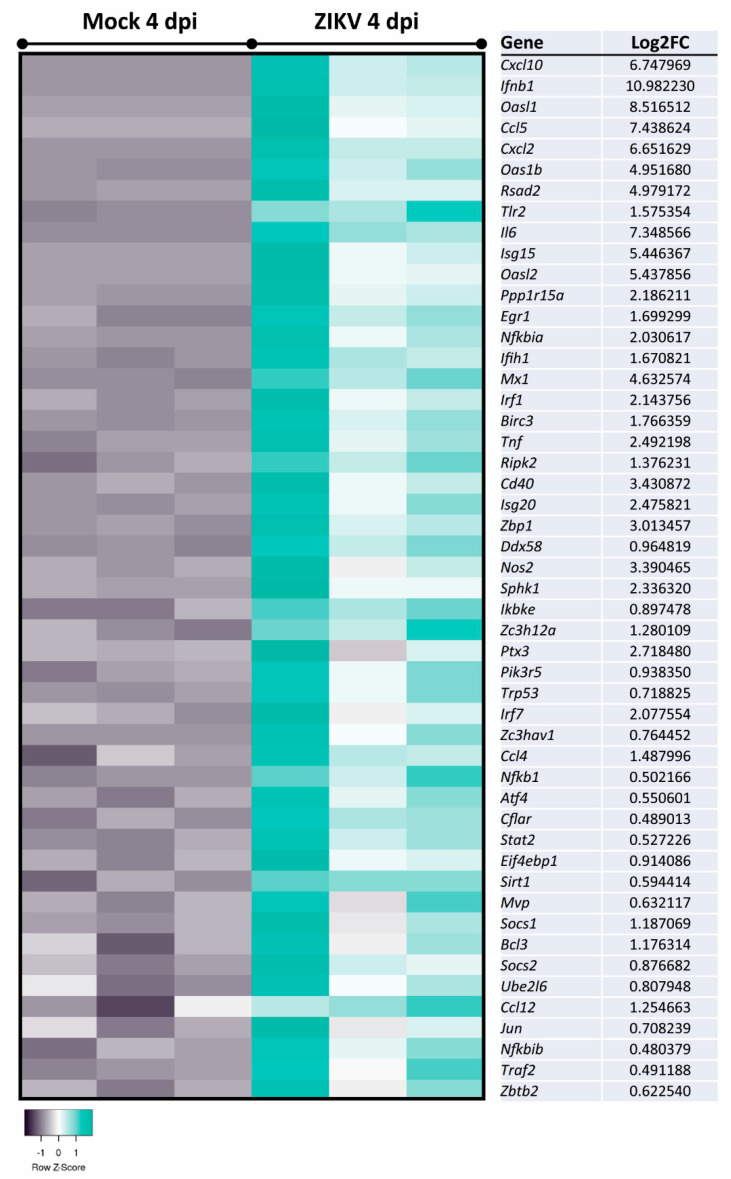
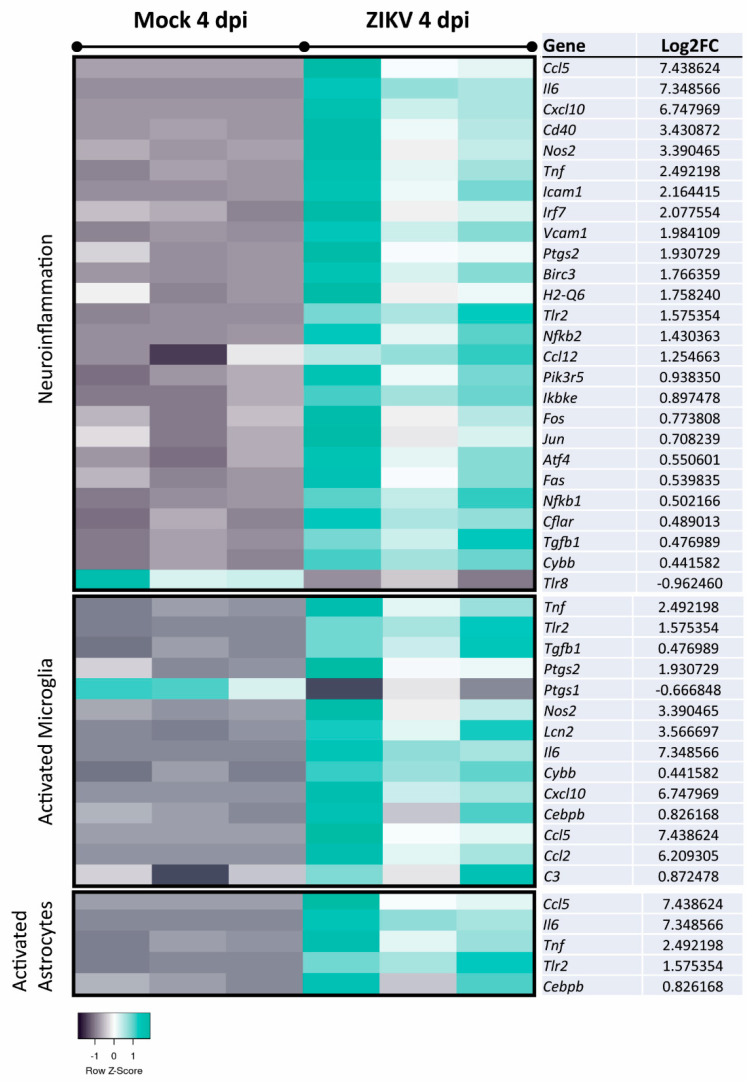
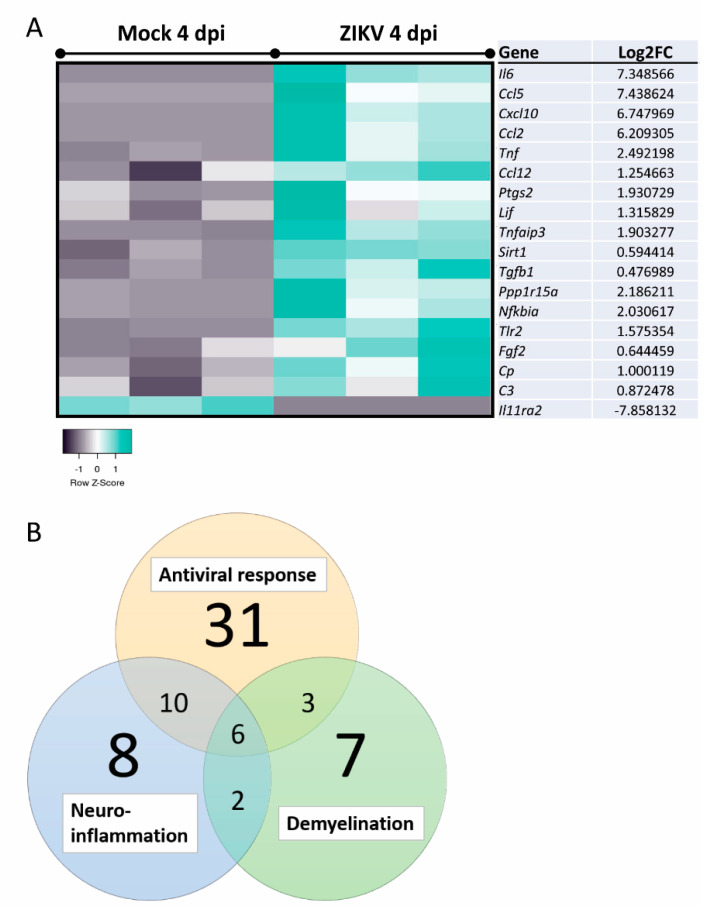
Understanding how Zika virus (; ZIKV) affects neural cells is paramount in comprehending pathologies associated with infection. Whilst the effects of ZIKV in neural development are well documented, impact on the adult nervous system remains obscure. Here, we investigated the effects of ZIKV infection in established mature myelinated central nervous system (CNS) cultures. Infection incurred damage to myelinated fibers, with ZIKV-positive cells appearing when myelin damage was first detected as well as axonal pathology, suggesting the latter was a consequence of oligodendroglia infection. Transcriptome analysis revealed host factors that were upregulated during ZIKV infection. One such factor, CCL5, was validated in vitro as inhibiting myelination. Transferred UV-inactivated media from infected cultures did not damage myelin and axons, suggesting that viral replication is necessary to induce the observed effects. These data show that ZIKV infection affects CNS cells even after myelination-which is critical for saltatory conduction and neuronal function-has taken place. Understanding the targets of this virus across developmental stages including the mature CNS, and the subsequent effects of infection of cell types, is necessary to understand effective time frames for therapeutic intervention.
了解寨卡病毒(ZIKV)如何影响神经细胞对于理解与感染相关的病理学至关重要。虽然 ZIKV 在神经发育中的作用已有充分记录,但对成人神经系统的影响仍不清楚。在这里,我们研究了 ZIKV 感染在已建立的成熟髓鞘中枢神经系统(CNS)培养物中的作用。感染会导致髓鞘纤维受损,当首次检测到髓鞘损伤时就会出现 ZIKV 阳性细胞,以及轴突病理学,这表明后者是少突胶质细胞感染的结果。转录组分析揭示了 ZIKV 感染期间上调的宿主因子。其中一种因子 CCL5 在体外被验证为抑制髓鞘形成。从感染培养物中转运的紫外线灭活培养基不会损伤髓鞘和轴突,这表明病毒复制是诱导观察到的效应所必需的。这些数据表明,寨卡病毒感染会影响中枢神经系统细胞,即使髓鞘已经形成——这对于跳跃传导和神经元功能至关重要。了解该病毒在包括成熟中枢神经系统在内的发育阶段的靶标,以及感染细胞类型的后续影响,对于了解治疗干预的有效时间框架是必要的。