Saini Heena, Sharma Harshita, Mukherjee Sudeshna, Chowdhury Shibasish, Chowdhury Rajdeep
Department of Biological Sciences, BITS Pilani, Pilani Campus, Rajasthan, 333031, India.
Cancer Cell Int. 2021 Jan 14;21(1):52. doi: 10.1186/s12935-020-01720-y.
Osteosarcoma (OS) is a malignant tumor of the bone mostly observed in children and adolescents. The current treatment approach includes neoadjuvant and adjuvant chemotherapy; however, drug resistance often hinders therapy in OS patients. Also, the post-relapse survival of OS patients is as low as 20%. We therefore planned to understand the molecular cause for its poor prognosis and design an appropriate therapeutic strategy to combat the disease.
We analyzed OS patient dataset from Gene Expression Omnibus (GEO) and identified the differentially expressed genes and the top deregulated pathways in OS. Subsequently, drugs targeting the major de-regulated pathways were selected and the following assays were conducted- MTT assay to assess cytotoxicity of drugs in OS cells; immunoblotting and immunostaining to analyze key protein expression and localization after drug treatment; LysoTracker staining to monitor lysosomes; Acridine Orange to label acidic vesicles; and DCFDA to measure Reactive Oxygen Species (ROS).
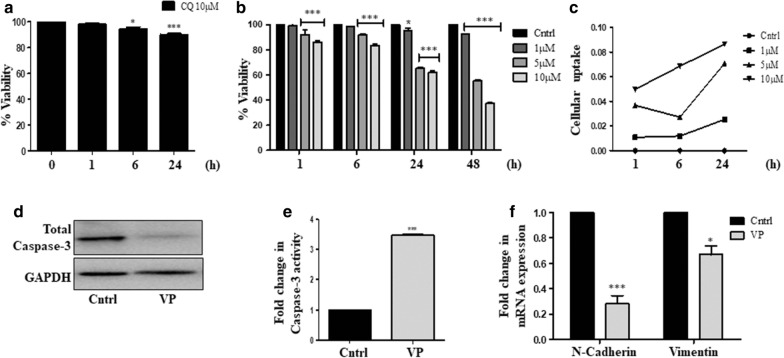
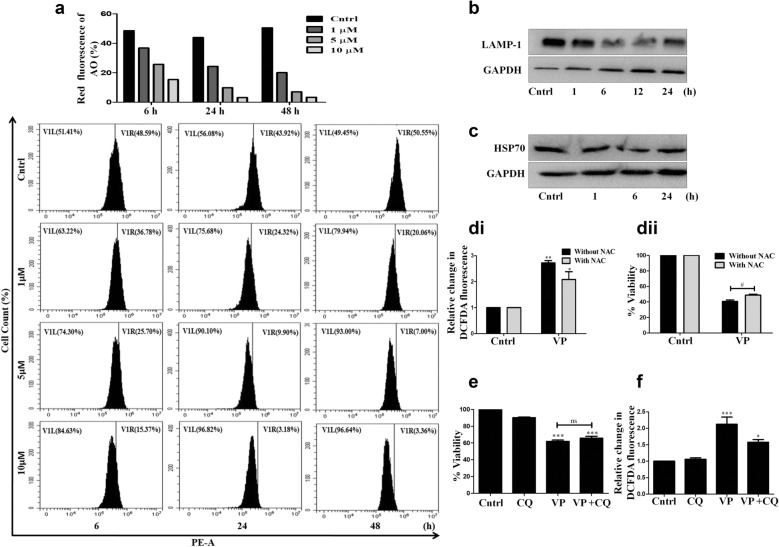
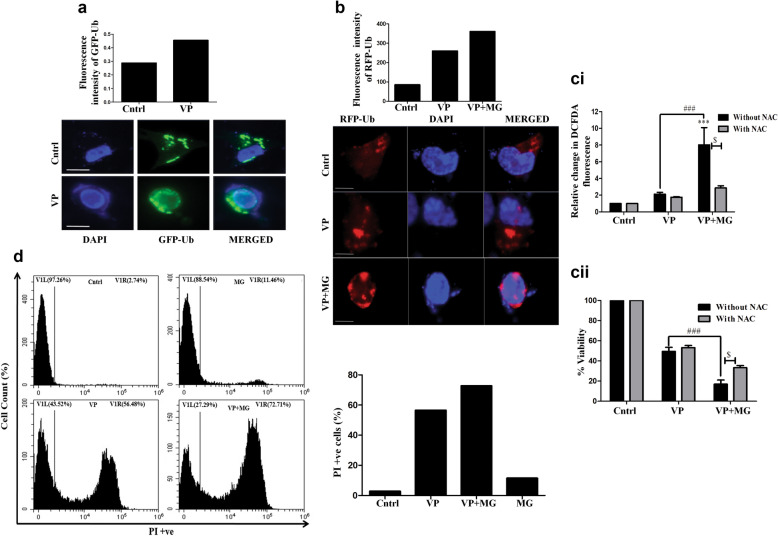
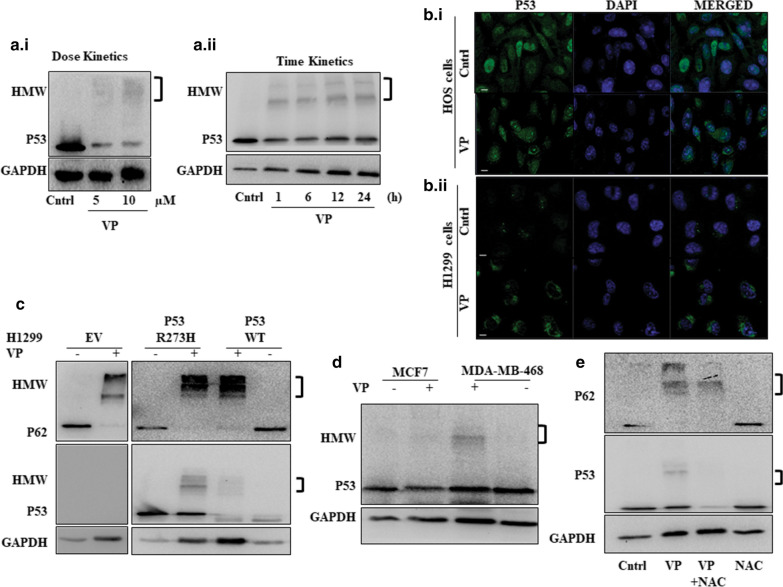
The differential gene expression analysis from OS patient dataset implicated the striking involvement of cellular processes linked to autophagy and protein processing in the development of OS. We therefore selected the FDA approved drugs, chloroquine (CQ) and verteporfin (VP) known for autophagy inhibitory and proteotoxic functions to explore against OS. Importantly, VP, but not CQ, showed an extensive dose-dependent cytotoxicity. It resulted in autophagy disruption at multiple steps extending from perturbation of early autophagic processes, inhibition of autophagic flux to induction of lysosomal instability. Interestingly, VP treated protein lysates showed a ROS-dependent high molecular weight (HMW) band when probed for P62 and P53 protein. Further, VP triggered accumulation of ubiquitinated proteins as well. Since VP had a pronounced disruptive effect on cellular protein homeostasis, we explored the possibility of simultaneous inhibition of the ubiquitin-proteasomal system (UPS) by MG-132 (MG). Addition of a proteasomal inhibitor significantly aggravated VP induced cytotoxicity. MG co-treatment also led to selective targeting of P53 to the lysosomes.
Herein, we propose VP and MG induce regulation of autophagy and protein homeostasis which can be exploited as an effective therapeutic strategy against osteosarcoma.
骨肉瘤(OS)是一种主要发生在儿童和青少年的恶性骨肿瘤。目前的治疗方法包括新辅助化疗和辅助化疗;然而,耐药性常常阻碍骨肉瘤患者的治疗。此外,骨肉瘤患者复发后的生存率低至20%。因此,我们计划了解其预后不良的分子原因,并设计合适的治疗策略来对抗这种疾病。
我们分析了来自基因表达综合数据库(GEO)的骨肉瘤患者数据集,确定了骨肉瘤中差异表达的基因和最失调的通路。随后,选择针对主要失调通路的药物,并进行以下实验——MTT实验评估药物对骨肉瘤细胞的细胞毒性;免疫印迹和免疫染色分析药物处理后关键蛋白的表达和定位;LysoTracker染色监测溶酶体;吖啶橙标记酸性囊泡;以及DCFDA测量活性氧(ROS)。
对骨肉瘤患者数据集的差异基因表达分析表明,与自噬和蛋白质加工相关的细胞过程在骨肉瘤的发展中显著参与。因此,我们选择了美国食品药品监督管理局(FDA)批准的具有自噬抑制和蛋白毒性功能的药物氯喹(CQ)和维替泊芬(VP)来探索治疗骨肉瘤。重要的是,VP而非CQ表现出广泛的剂量依赖性细胞毒性。它在多个步骤导致自噬破坏,从早期自噬过程的扰动、自噬流的抑制到溶酶体不稳定性的诱导。有趣的是,当用VP处理的蛋白裂解物检测P62和P53蛋白时,出现了一条依赖于ROS的高分子量(HMW)条带。此外,VP还引发了泛素化蛋白的积累。由于VP对细胞蛋白质稳态有明显破坏作用,我们探索了用MG - 132(MG)同时抑制泛素 - 蛋白酶体系统(UPS)的可能性。添加蛋白酶体抑制剂显著加重了VP诱导的细胞毒性。MG联合处理还导致P53选择性靶向溶酶体。
在此,我们提出VP和MG诱导自噬和蛋白质稳态的调节,这可作为一种有效的骨肉瘤治疗策略。