Oncology Disease Area, Novartis Institutes for BioMedical Research, 250 Massachusetts Avenue, Cambridge, MA, 02139, USA.
Exploratory Immuno-Oncology, Novartis Institutes for BioMedical Research, 250 Massachusetts Avenue, Cambridge, MA, 02139, USA.
Sci Rep. 2021 Jan 14;11(1):1399. doi: 10.1038/s41598-021-80999-x.
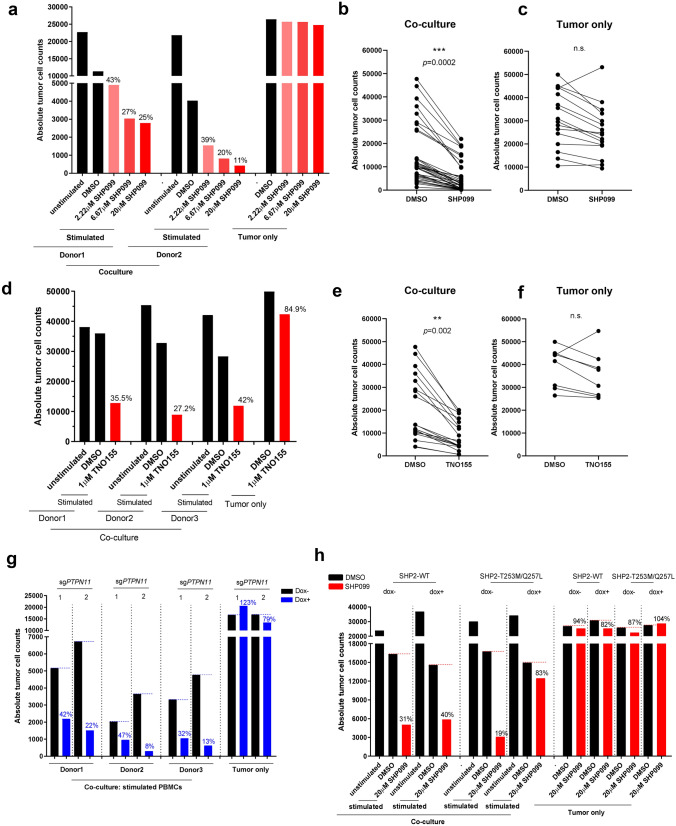
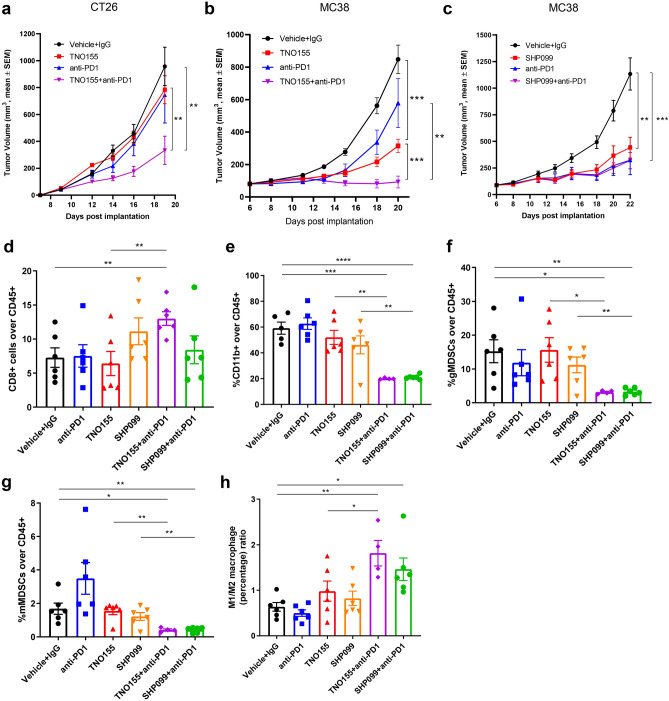
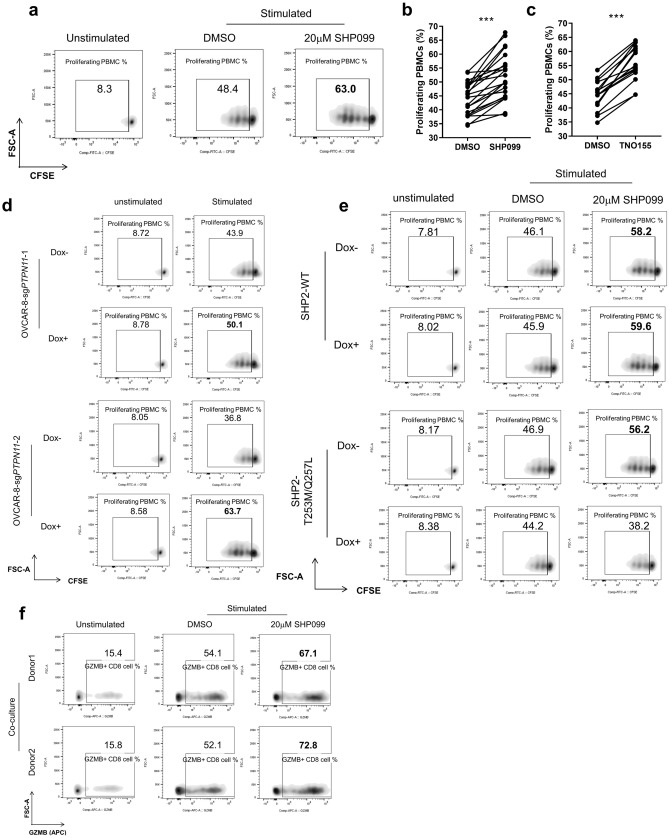
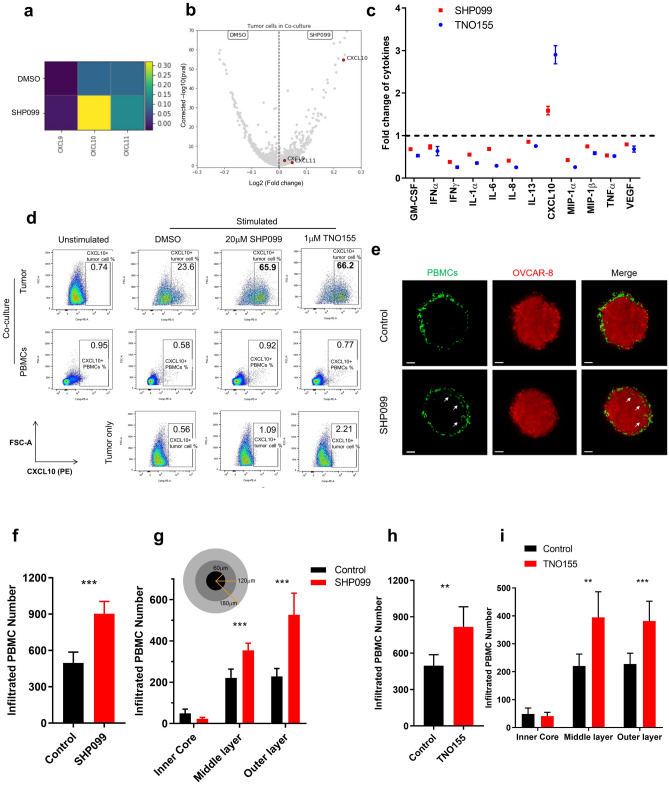
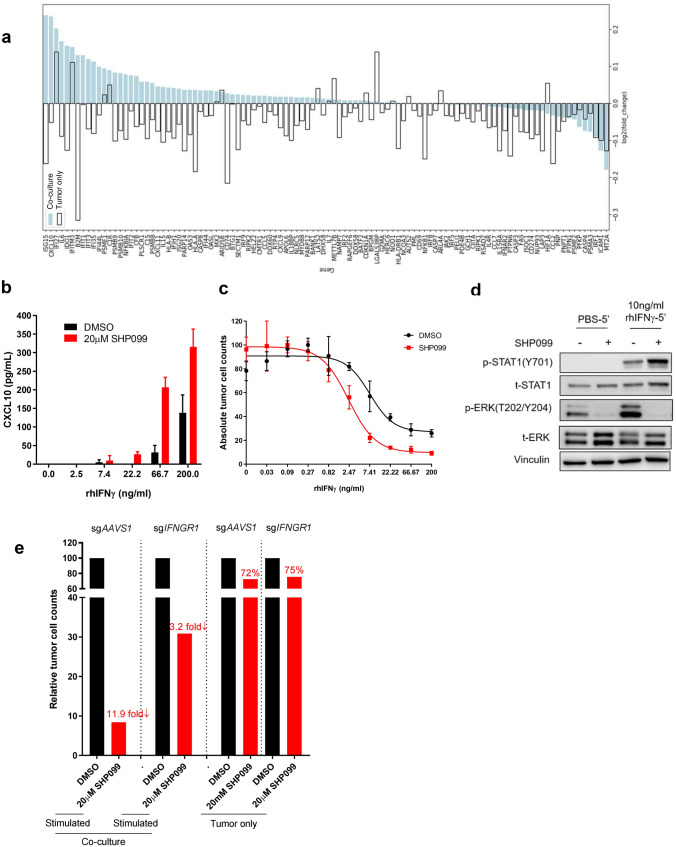
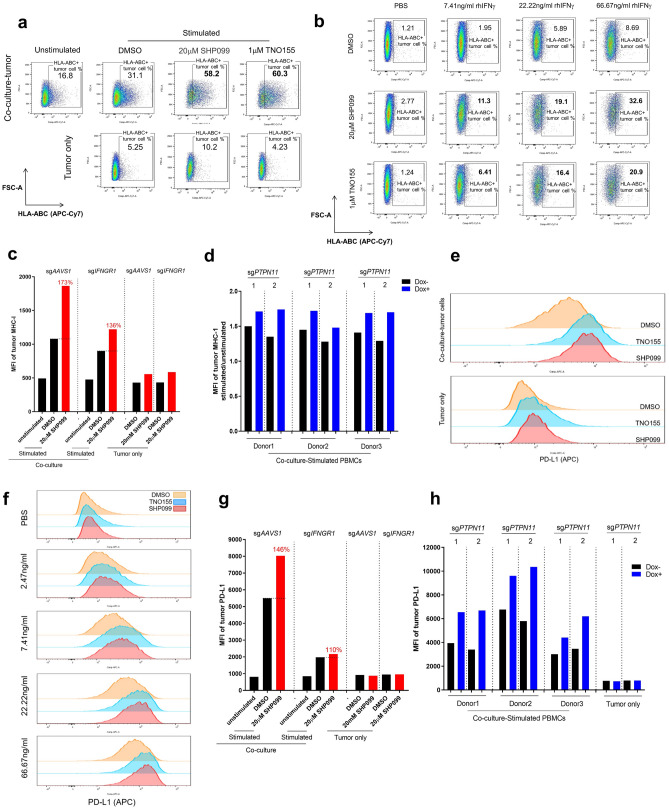
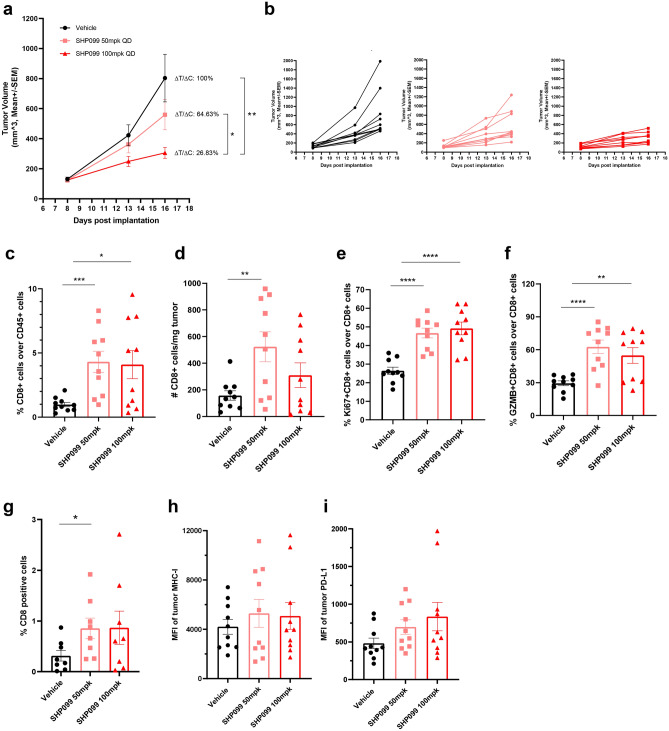
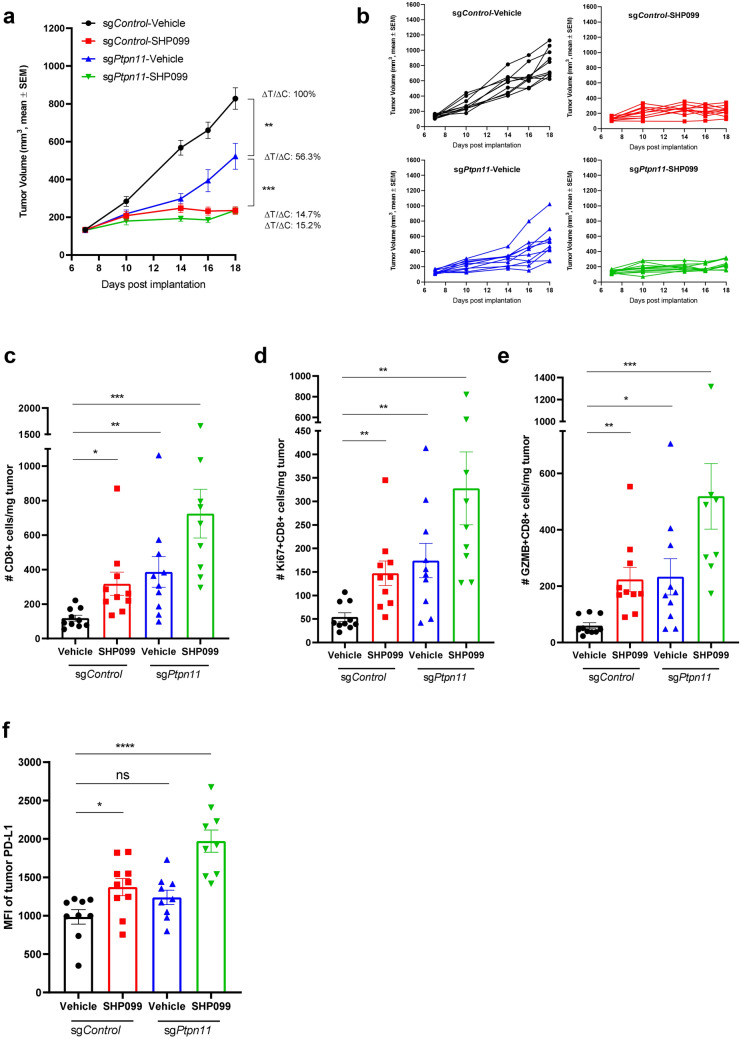
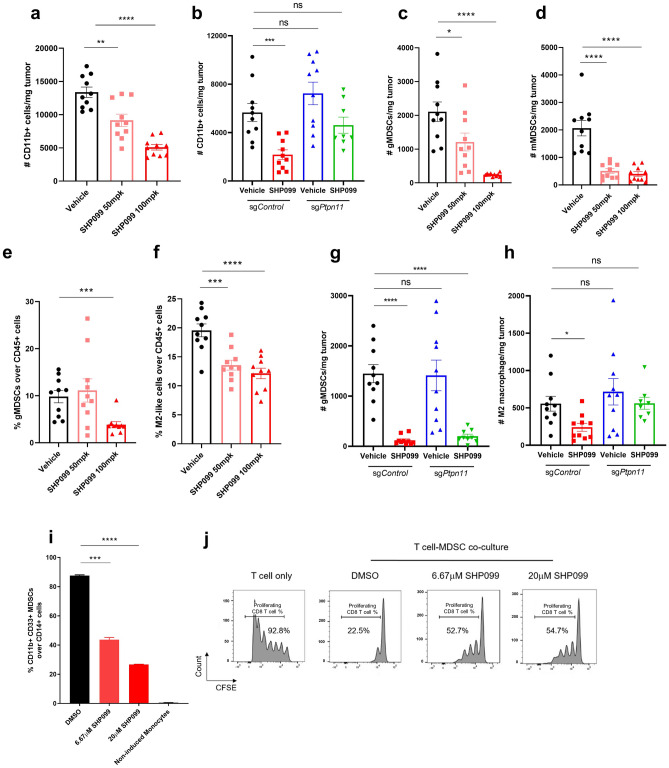
SHP2 is a ubiquitous tyrosine phosphatase involved in regulating both tumor and immune cell signaling. In this study, we discovered a novel immune modulatory function of SHP2. Targeting this protein with allosteric SHP2 inhibitors promoted anti-tumor immunity, including enhancing T cell cytotoxic function and immune-mediated tumor regression. Knockout of SHP2 using CRISPR/Cas9 gene editing showed that targeting SHP2 in cancer cells contributes to this immune response. Inhibition of SHP2 activity augmented tumor intrinsic IFNγ signaling resulting in enhanced chemoattractant cytokine release and cytotoxic T cell recruitment, as well as increased expression of MHC Class I and PD-L1 on the cancer cell surface. Furthermore, SHP2 inhibition diminished the differentiation and inhibitory function of immune suppressive myeloid cells in the tumor microenvironment. SHP2 inhibition enhanced responses to anti-PD-1 blockade in syngeneic mouse models. Overall, our study reveals novel functions of SHP2 in tumor immunity and proposes that targeting SHP2 is a promising strategy for cancer immunotherapy.
SHP2 是一种普遍存在的酪氨酸磷酸酶,参与调节肿瘤和免疫细胞信号。在这项研究中,我们发现了 SHP2 的一种新的免疫调节功能。使用变构 SHP2 抑制剂靶向该蛋白可促进抗肿瘤免疫,包括增强 T 细胞细胞毒性功能和免疫介导的肿瘤消退。使用 CRISPR/Cas9 基因编辑敲除 SHP2 表明,靶向癌细胞中的 SHP2 有助于这种免疫反应。抑制 SHP2 活性增强了肿瘤内在的 IFNγ 信号,导致趋化因子细胞因子释放和细胞毒性 T 细胞募集增加,以及癌细胞表面 MHC Ⅰ类和 PD-L1 的表达增加。此外,SHP2 抑制减少了肿瘤微环境中免疫抑制性髓样细胞的分化和抑制功能。SHP2 抑制增强了对同基因小鼠模型中抗 PD-1 阻断的反应。总的来说,我们的研究揭示了 SHP2 在肿瘤免疫中的新功能,并提出靶向 SHP2 是癌症免疫治疗的一种有前途的策略。