Department of Diabetes Immunology, Diabetes and Metabolism Research Institute, Beckman Research Institute, City of Hope, Duarte, California, USA; Department of Internal Medicine, Leiden University Medical Center, Leiden, the Netherlands.
Department of Diabetes Complications and Metabolism, Diabetes and Metabolism Research Institute, Beckman Research Institute, City of Hope, Duarte, California, USA.
Cytotherapy. 2021 Mar;23(3):242-255. doi: 10.1016/j.jcyt.2020.12.003. Epub 2021 Jan 15.
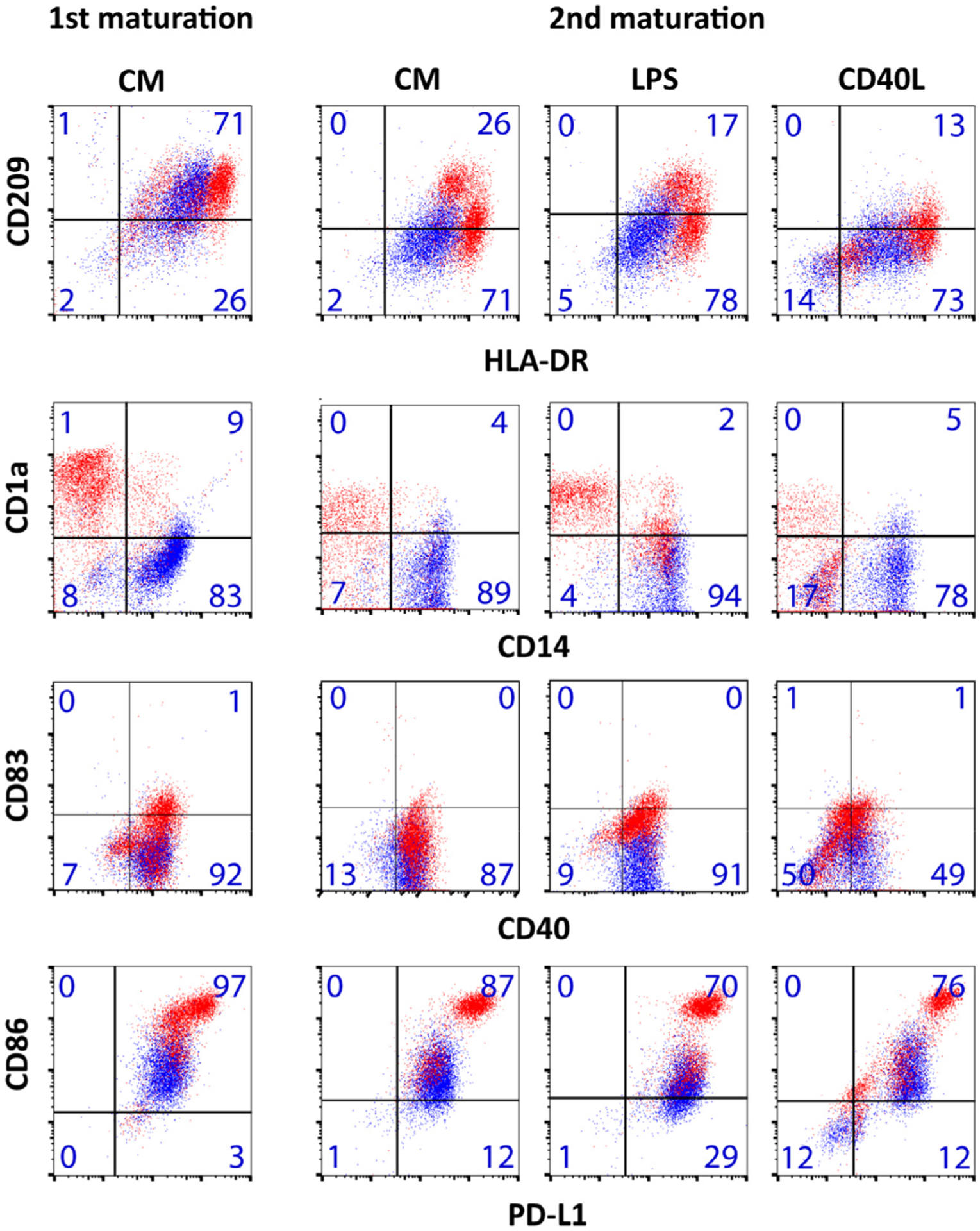
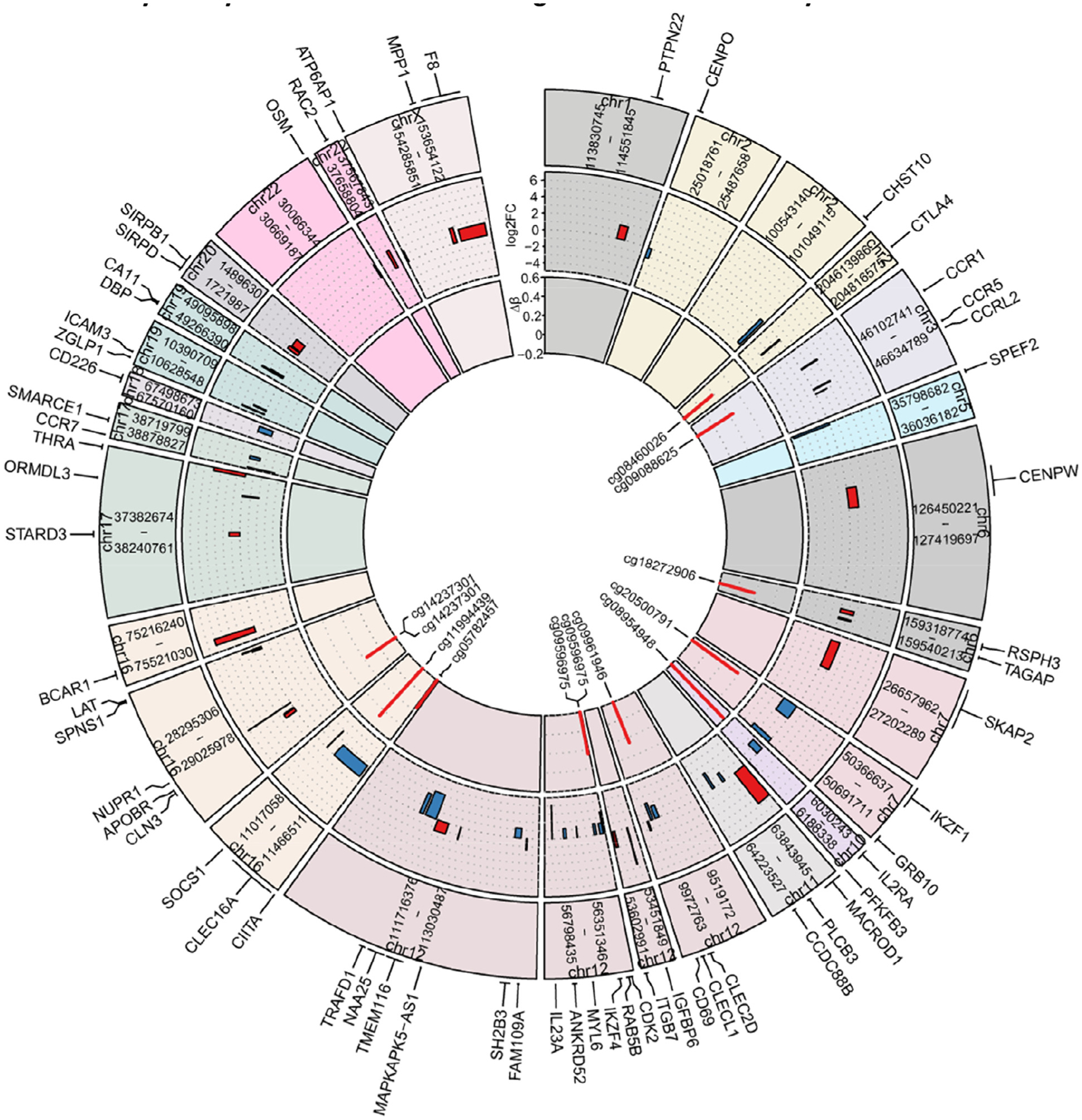
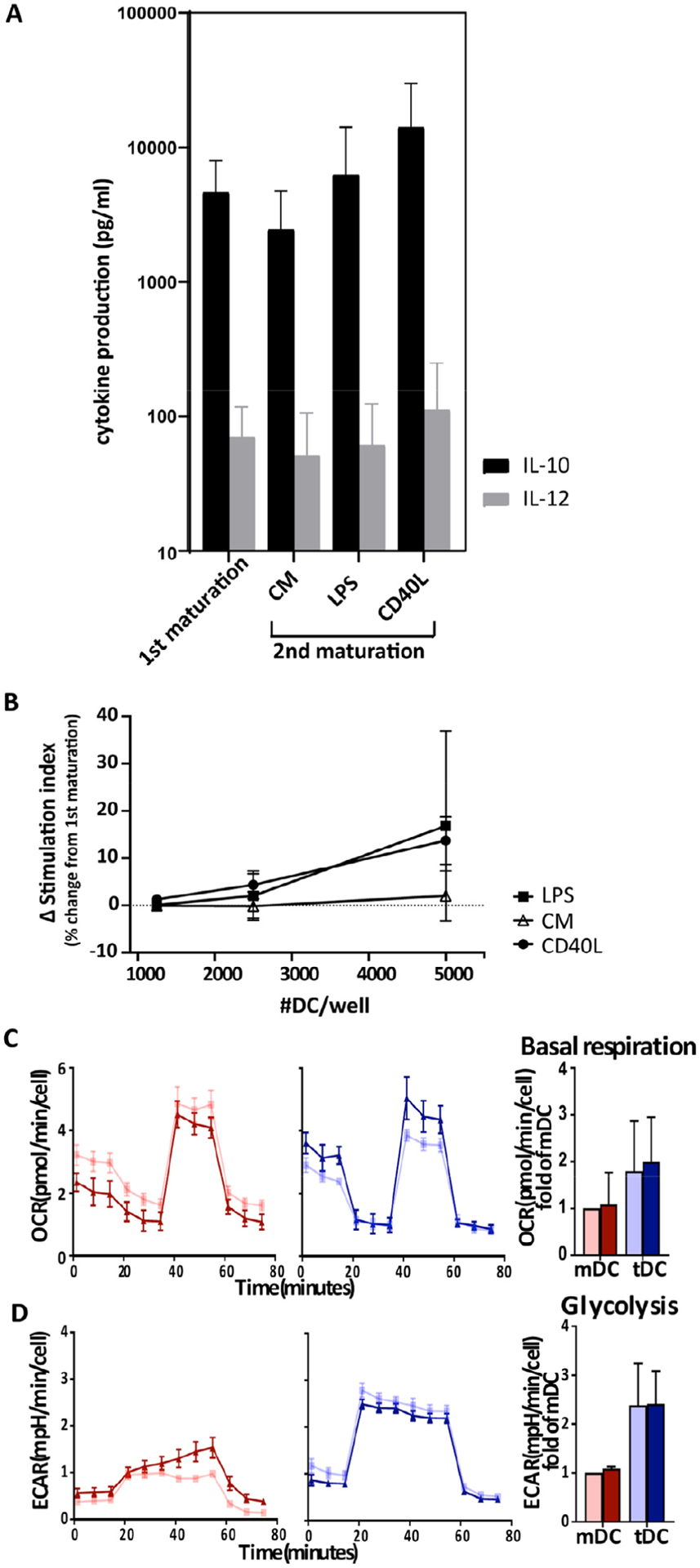
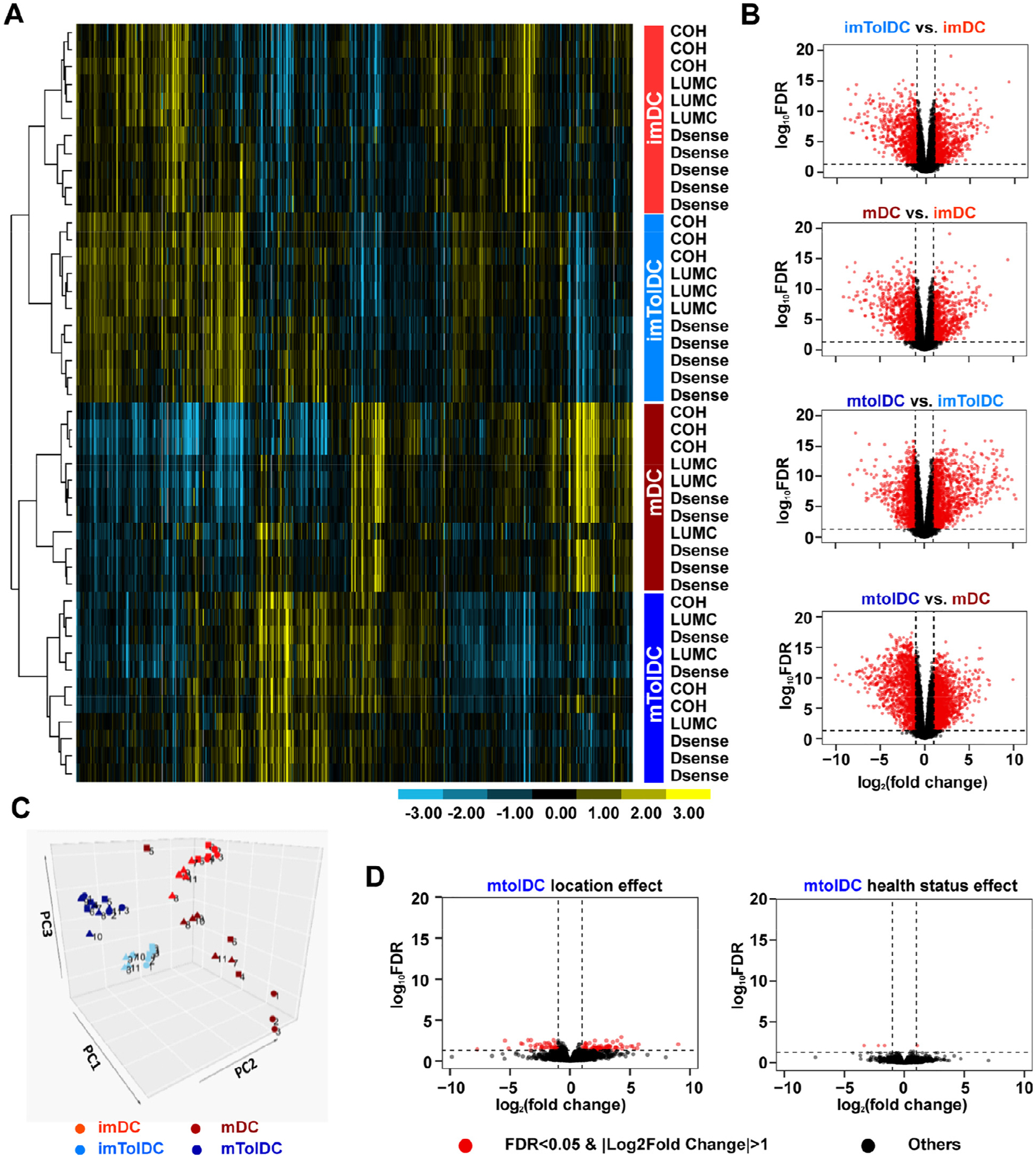
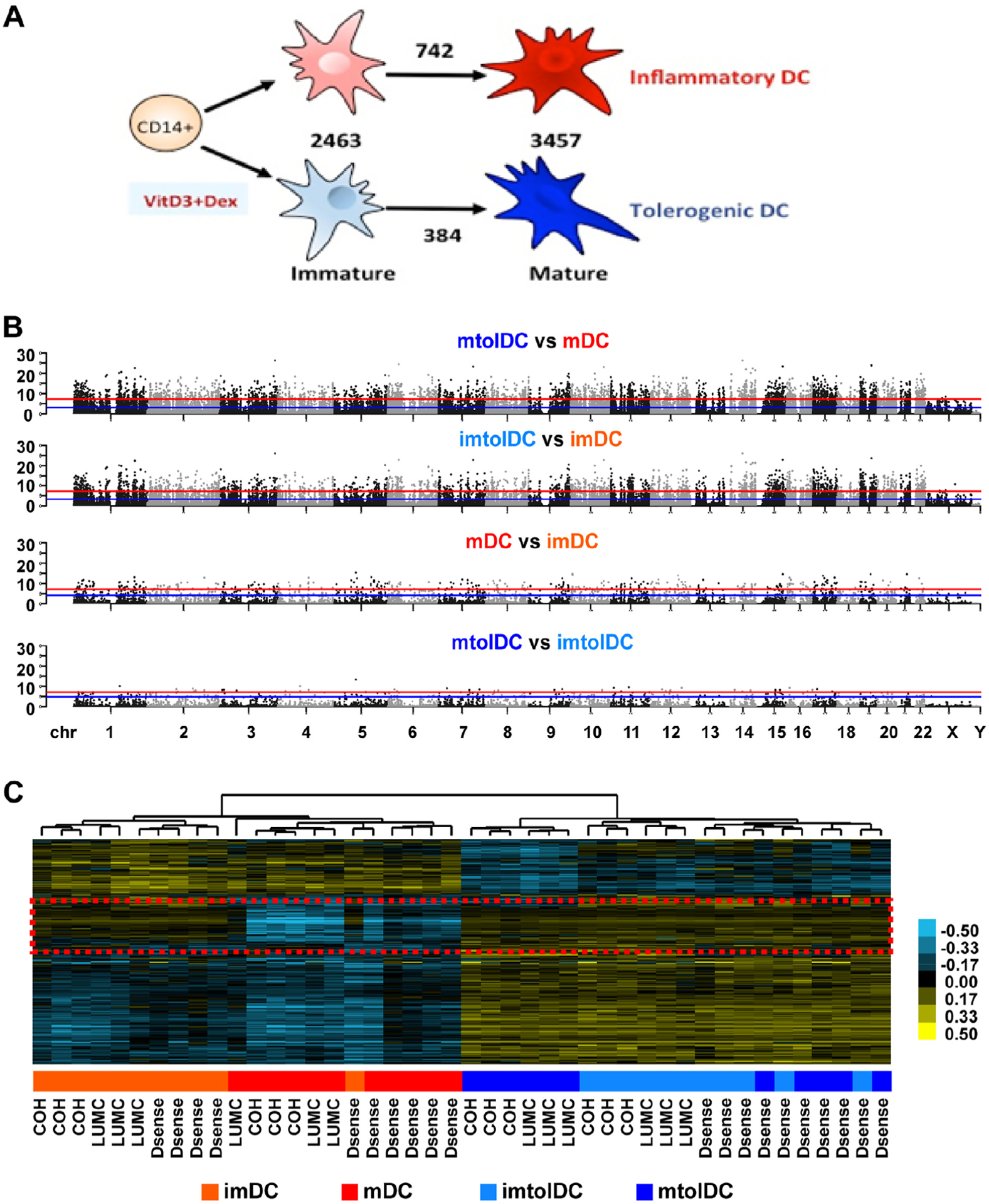
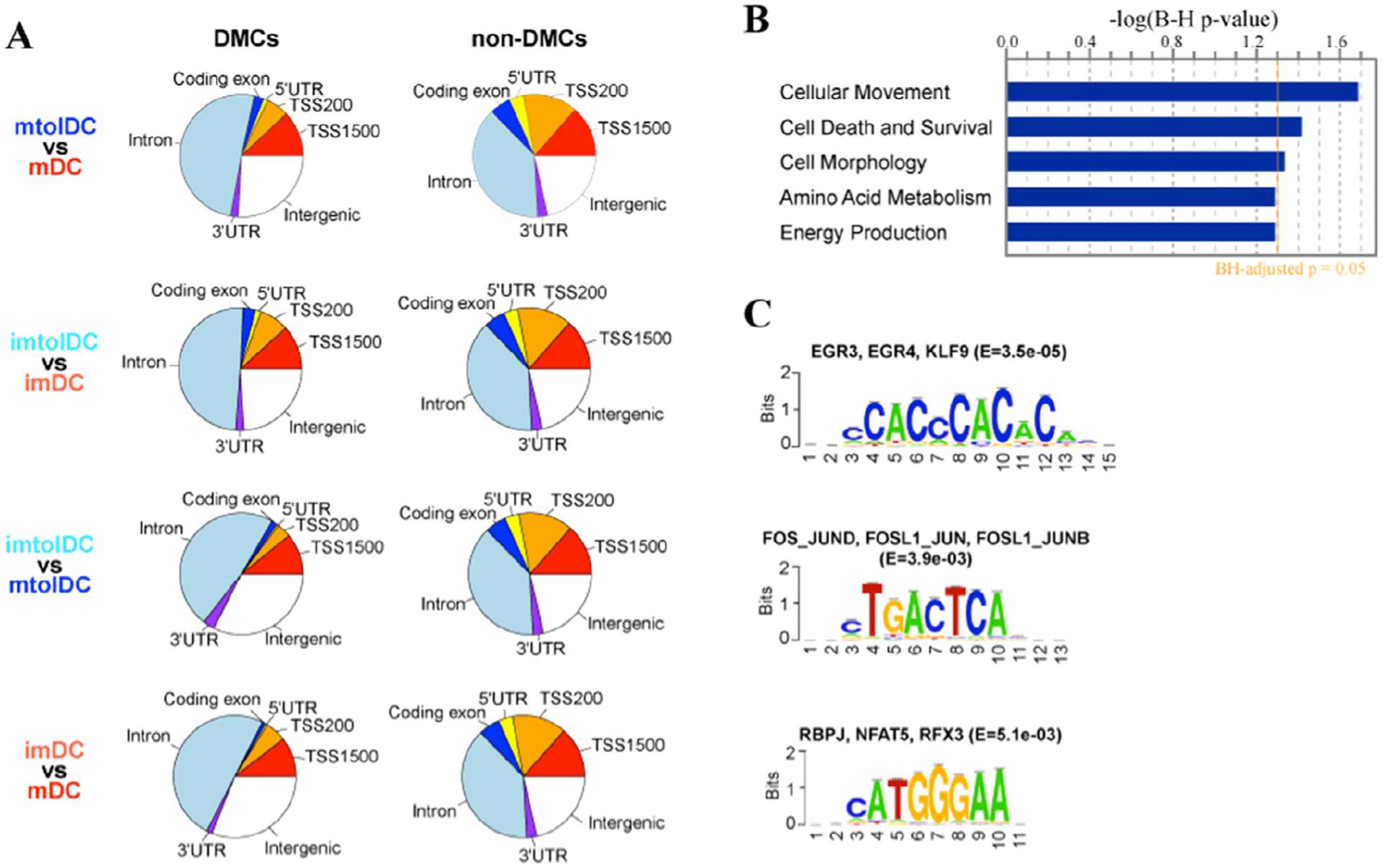
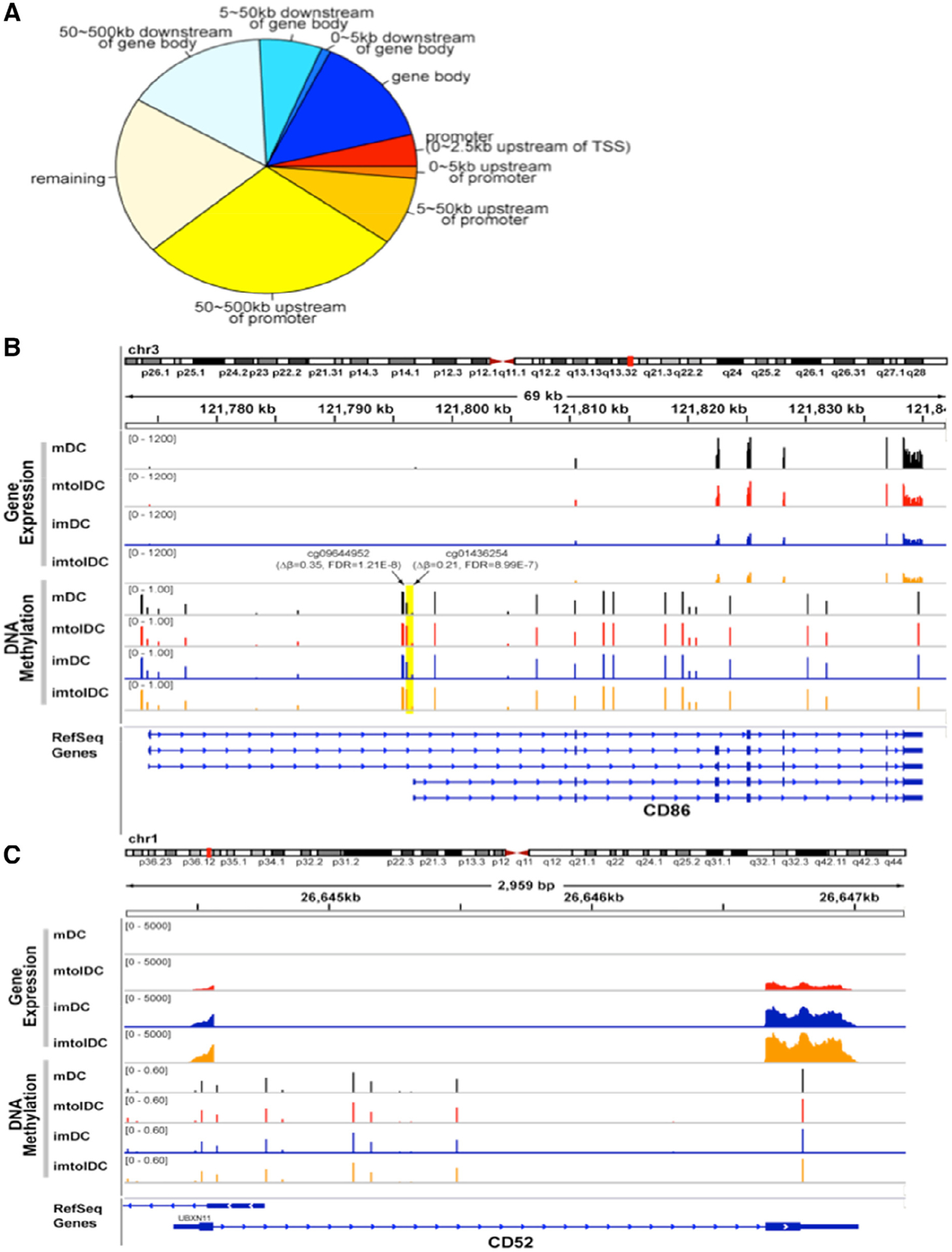
Autologous, antigen-specific, tolerogenic dendritic cells (tolDCs) are presently assessed to reverse and possibly cure autoimmune diseases such as type 1 diabetes (T1D). Good Manufacturing Practice production and clinical implementation of such cell therapies critically depend on their stability and reproducible production from healthy donors and, more importantly, patient-derived monocytes. Here the authors demonstrate that tolDCs (modulated using 1,25-dihydroxyvitamin D3 and dexamethasone) displayed similar features, including protein, transcriptome and epigenome profiles, between two international clinical centers and between T1D and healthy donors, validating reproducible production. In addition, neither phenotype nor function of tolDCs was affected by repeated stimulation with inflammatory stimuli, underscoring their stability as semi-mature DCs. Furthermore, tolDCs exhibited differential DNA methylation profiles compared with inflammatory mature DCs (mDCs), and this was already largely established prior to maturation, indicating that tolDCs are locked into an immature state. Finally, approximately 80% of differentially expressed known T1D risk genes displayed a corresponding differential DNA methylome in tolDCs versus mDCs and metabolic and immune pathway genes were also differentially methylated and expressed. In summary, tolDCs are reproducible and stable clinical cell products unaffected by the T1D status of donors. The observed stable, semi-mature phenotype and function of tolDCs are exemplified by epigenetic modifications representative of immature-stage cells. Together, the authors' data provide a strong basis for the production and clinical implementation of tolDCs in the treatment of autoimmune diseases such as T1D.
自体、抗原特异性、耐受原性树突状细胞(tolDCs)目前被评估用于逆转甚至可能治愈自身免疫性疾病,如 1 型糖尿病(T1D)。此类细胞疗法的良好生产规范(GMP)生产和临床实施严重依赖于其从健康供体中稳定且可重复的生产,更重要的是,依赖于患者来源的单核细胞。作者在这里证明,tolDCs(通过 1,25-二羟维生素 D3 和地塞米松进行调节)在两个国际临床中心之间以及在 T1D 和健康供体之间显示出相似的特征,包括蛋白质、转录组和表观基因组谱,从而验证了其可重复性生产。此外,tolDCs 的表型和功能均不受重复刺激炎症刺激的影响,这突出了它们作为半成熟 DC 的稳定性。此外,与炎症成熟 DC(mDCs)相比,tolDCs 表现出不同的 DNA 甲基化谱,并且在成熟之前就已经基本建立,表明 tolDCs 被锁定在不成熟状态。最后,大约 80%的差异表达的已知 T1D 风险基因在 tolDCs 与 mDCs 之间表现出相应的差异 DNA 甲基组,并且代谢和免疫途径基因也表现出差异甲基化和表达。总之,tolDCs 是可重复的和稳定的临床细胞产品,不受供体 T1D 状态的影响。tolDCs 观察到的稳定、半成熟表型和功能是由代表不成熟阶段细胞的表观遗传修饰来例证的。作者的数据为 tolDCs 在治疗自身免疫性疾病(如 T1D)中的生产和临床实施提供了强有力的依据。