Instituto de Medicina Molecular João Lobo Antunes, Faculdade de Medicina, Universidade de Lisboa, Lisbon, Portugal.
Brigham and Women's Hospital, Harvard Medical School, Boston, MA, USA.
Nat Immunol. 2021 Feb;22(2):179-192. doi: 10.1038/s41590-020-00848-3. Epub 2021 Jan 18.
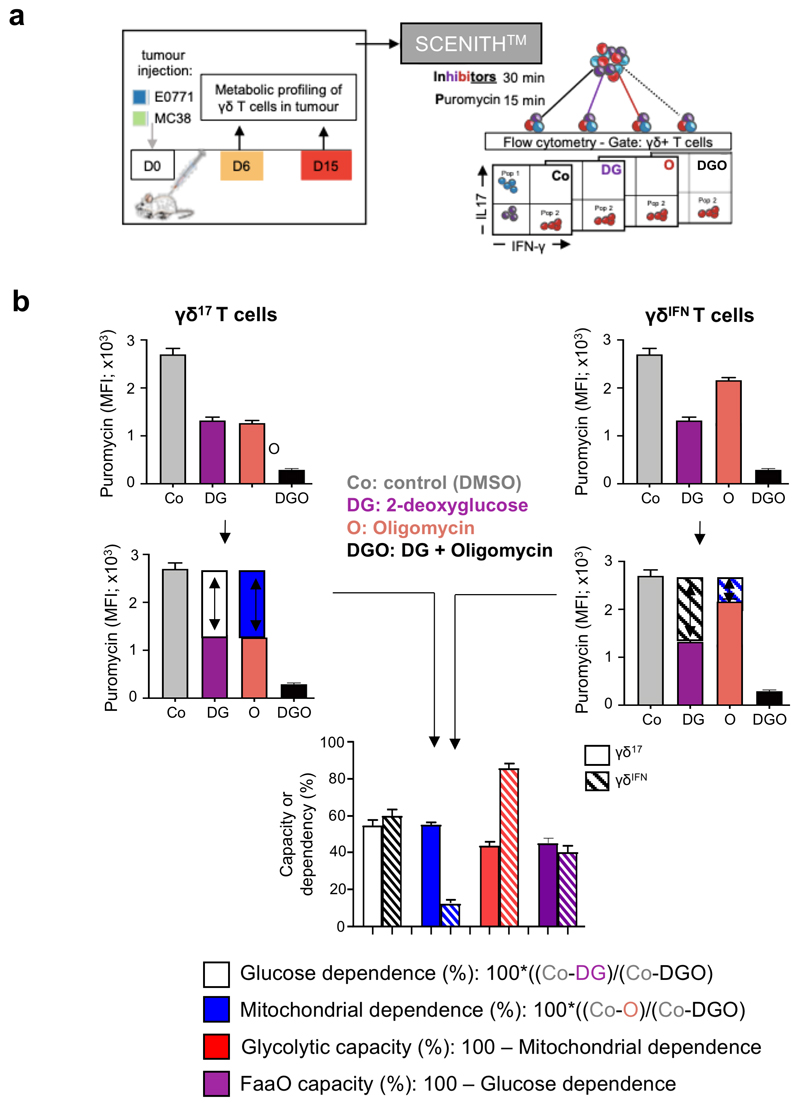
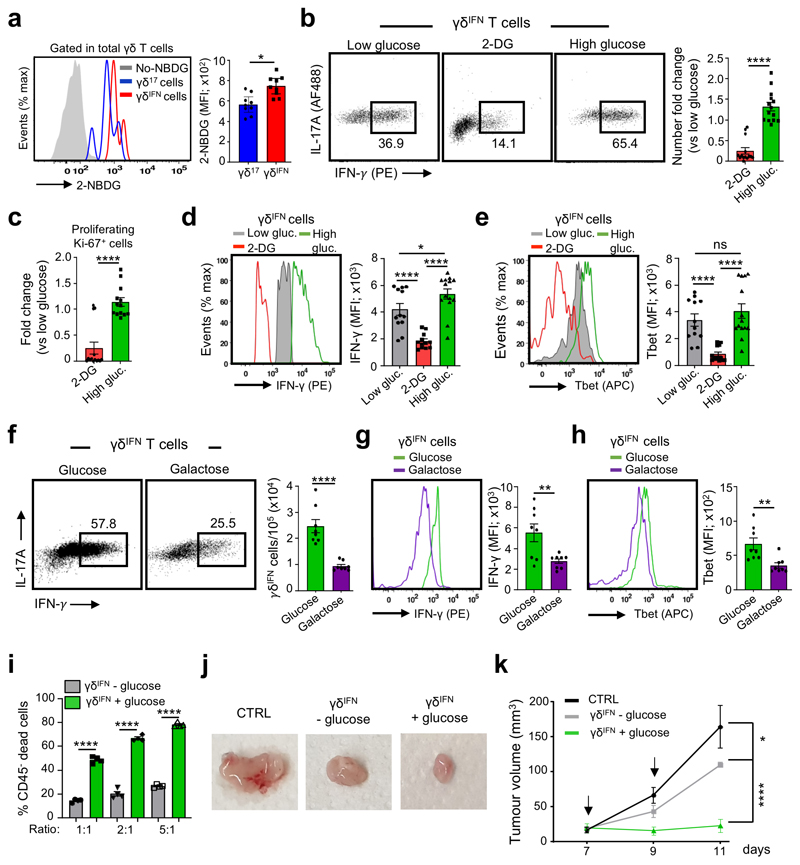
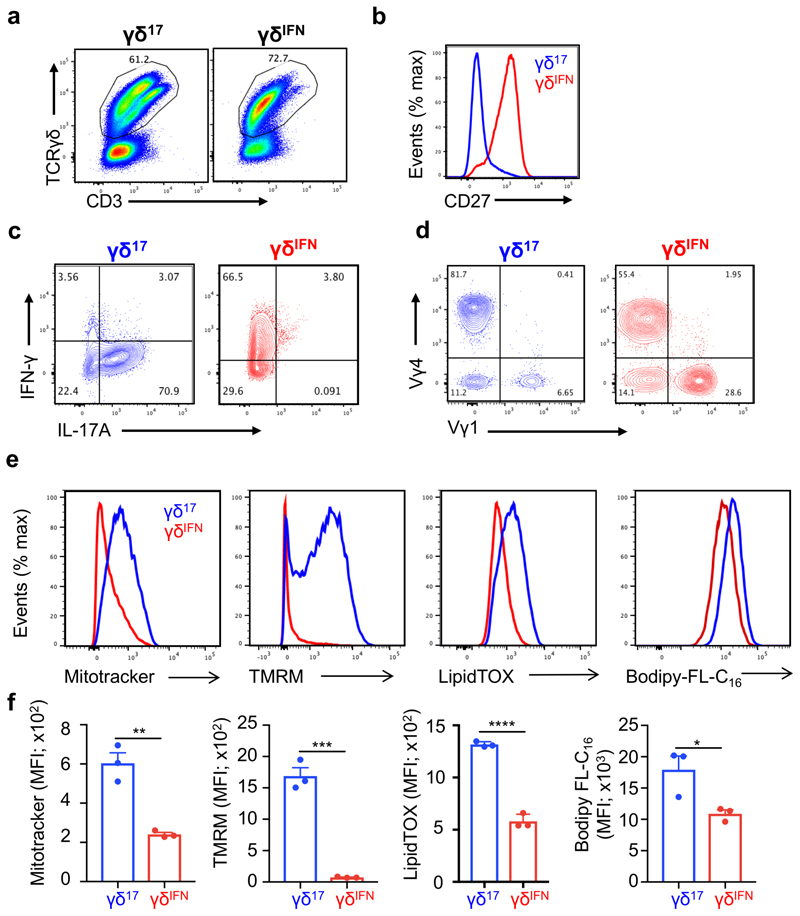
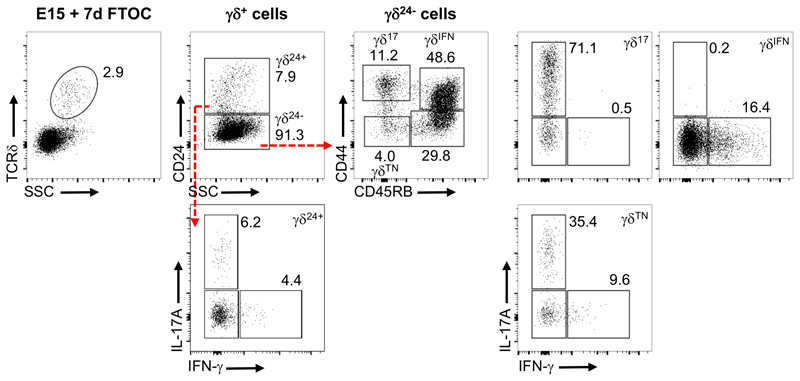
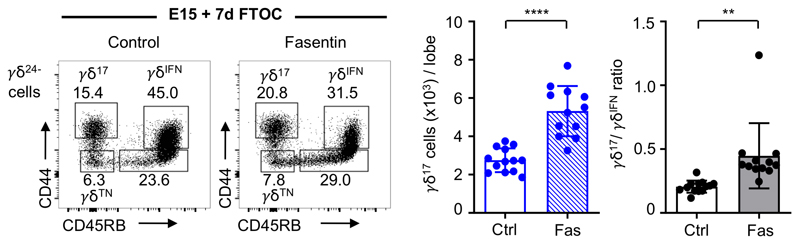
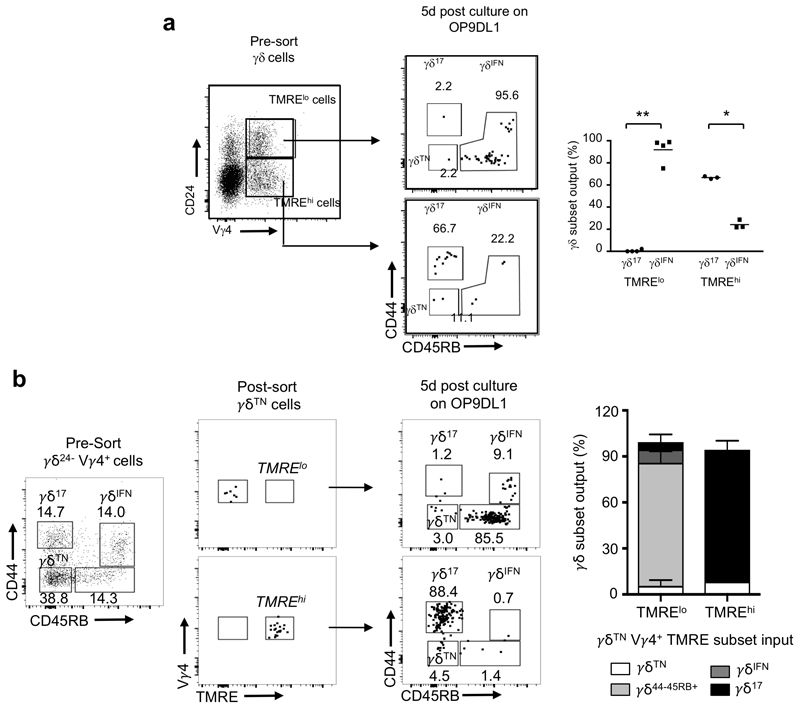
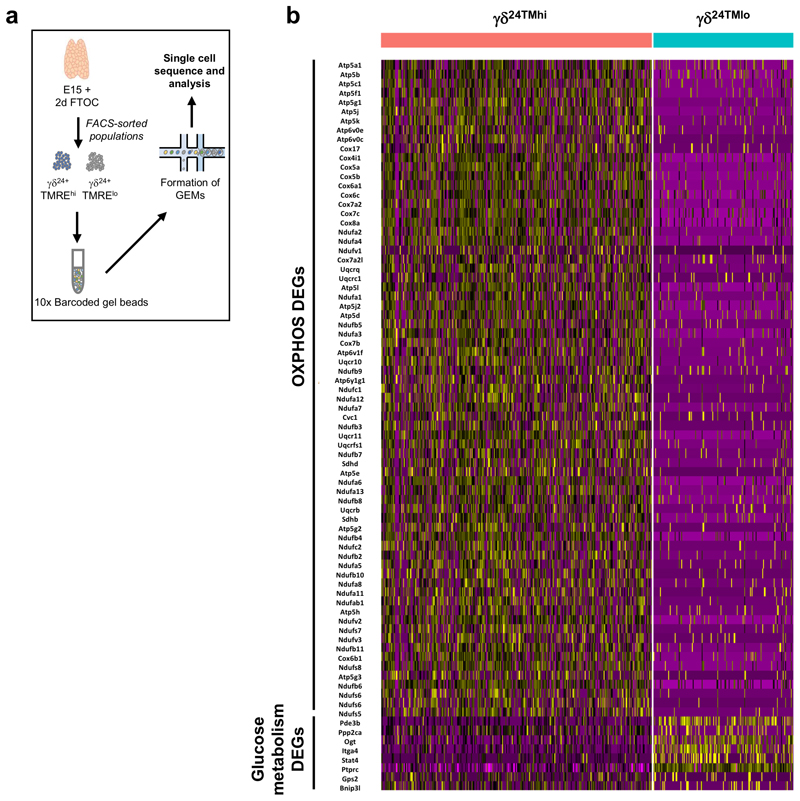
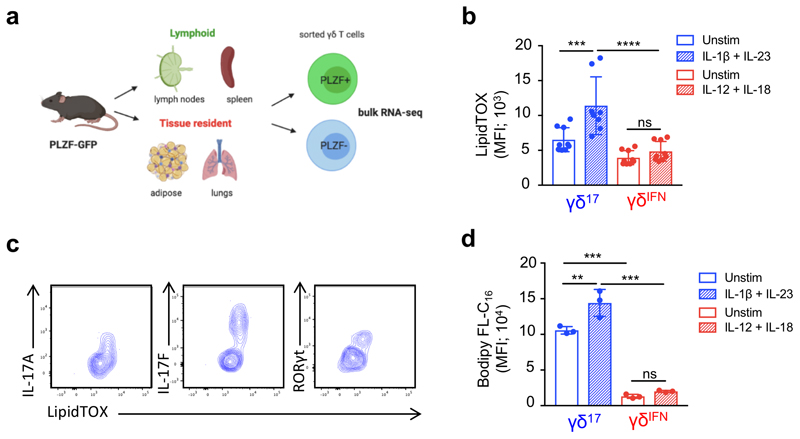
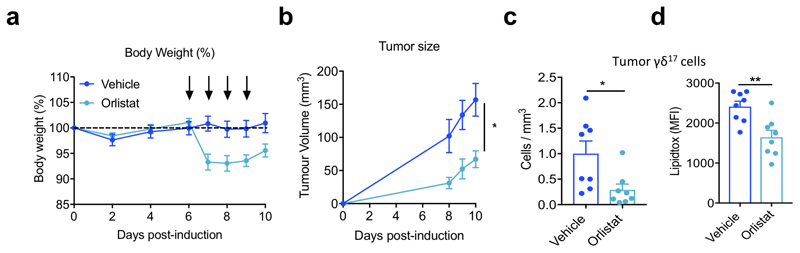
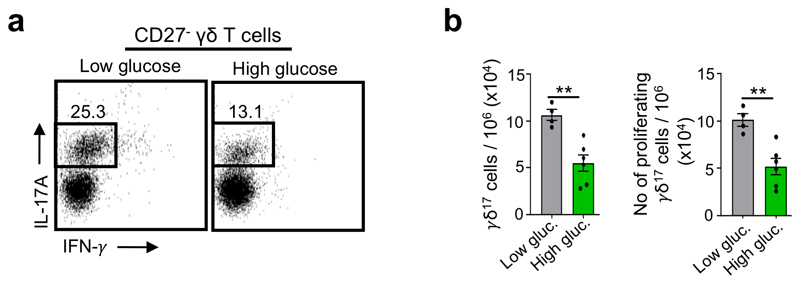
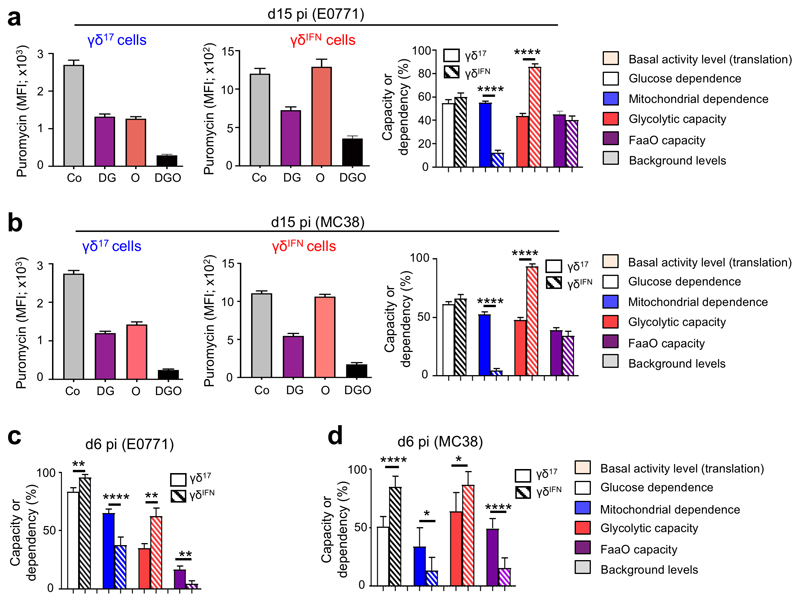
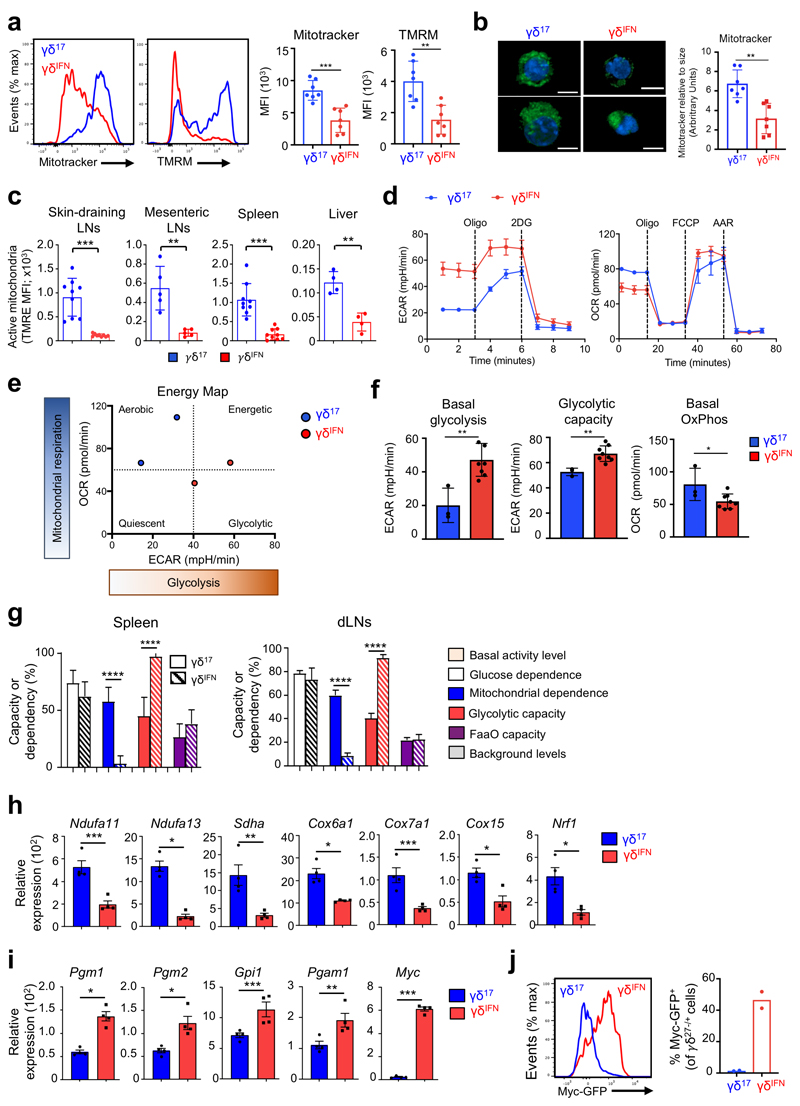
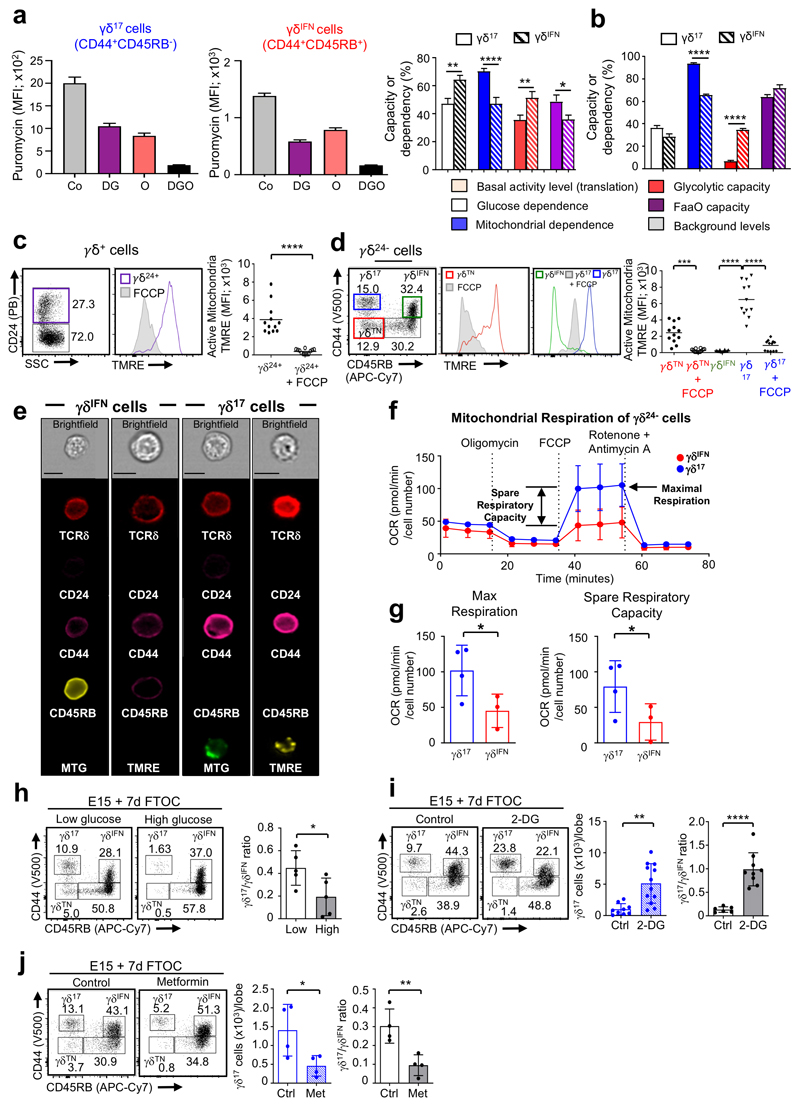
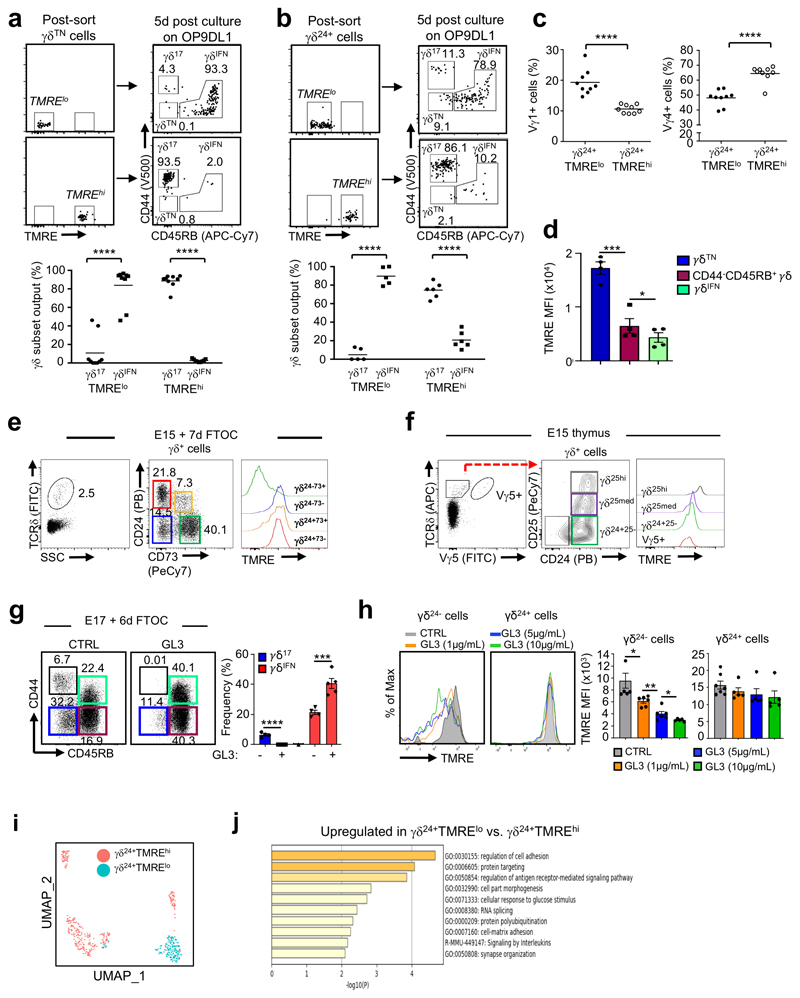
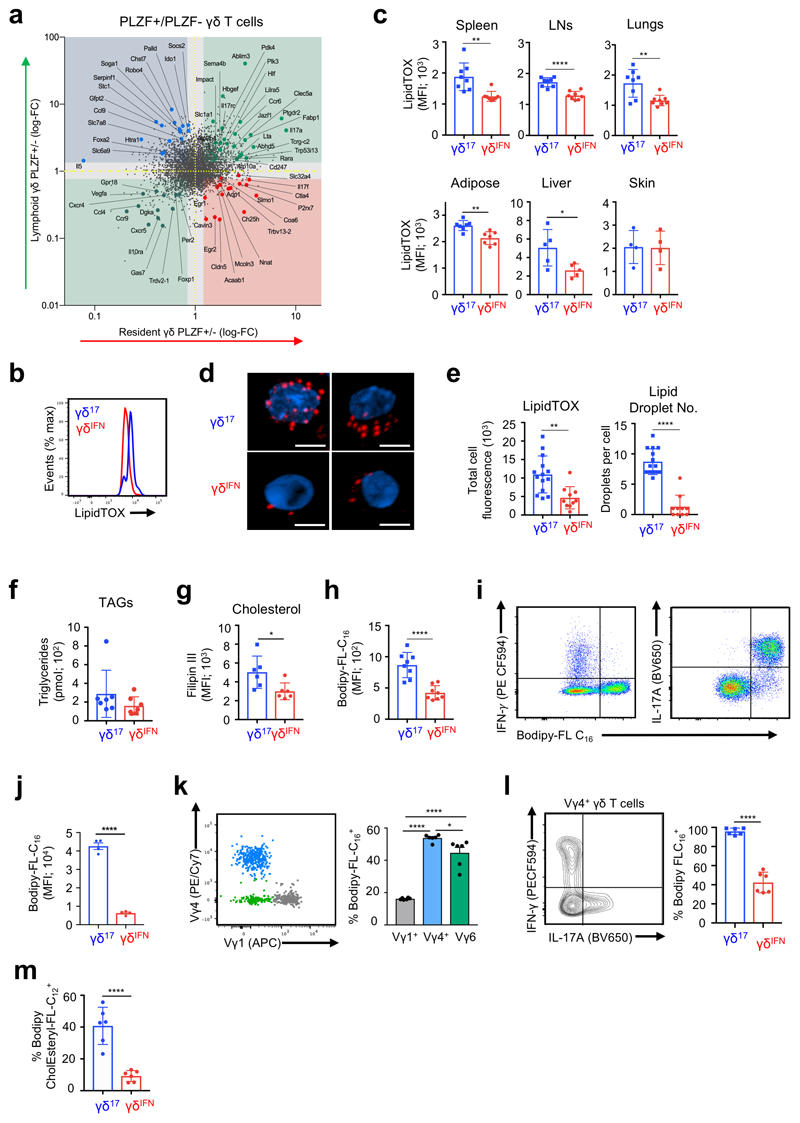
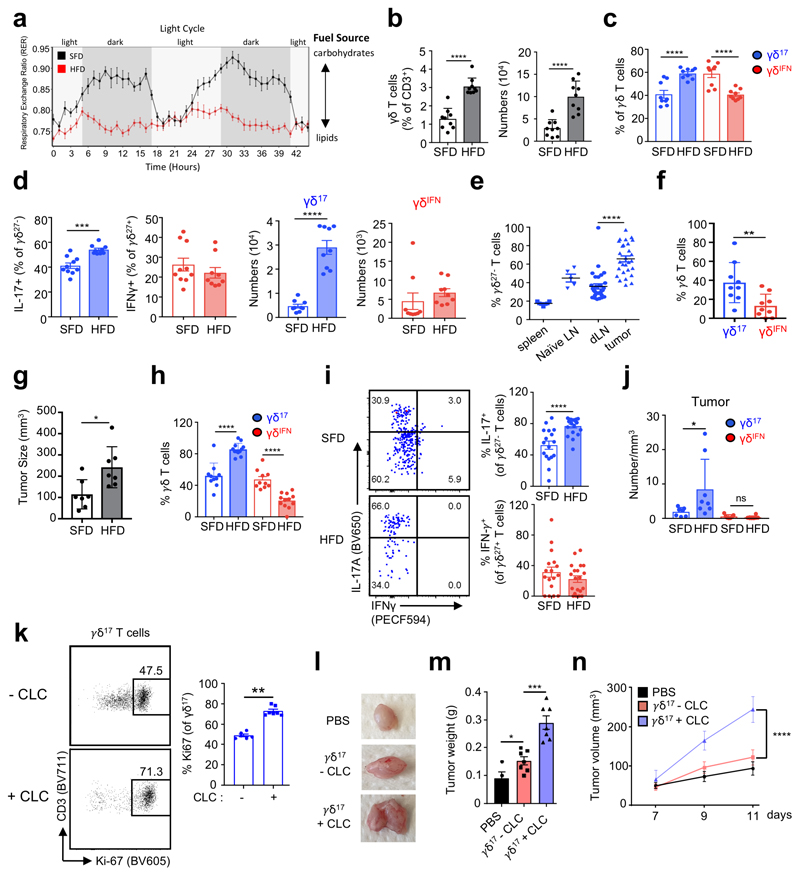
Metabolic programming controls immune cell lineages and functions, but little is known about γδ T cell metabolism. Here, we found that γδ T cell subsets making either interferon-γ (IFN-γ) or interleukin (IL)-17 have intrinsically distinct metabolic requirements. Whereas IFN-γ γδ T cells were almost exclusively dependent on glycolysis, IL-17 γδ T cells strongly engaged oxidative metabolism, with increased mitochondrial mass and activity. These distinct metabolic signatures were surprisingly imprinted early during thymic development and were stably maintained in the periphery and within tumors. Moreover, pro-tumoral IL-17 γδ T cells selectively showed high lipid uptake and intracellular lipid storage and were expanded in obesity and in tumors of obese mice. Conversely, glucose supplementation enhanced the antitumor functions of IFN-γ γδ T cells and reduced tumor growth upon adoptive transfer. These findings have important implications for the differentiation of effector γδ T cells and their manipulation in cancer immunotherapy.
代谢编程控制免疫细胞谱系和功能,但γδ T 细胞代谢知之甚少。在这里,我们发现产生干扰素-γ (IFN-γ) 或白细胞介素 (IL)-17 的 γδ T 细胞亚群具有内在不同的代谢需求。虽然 IFN-γ γδ T 细胞几乎完全依赖糖酵解,但 IL-17 γδ T 细胞强烈参与氧化代谢,线粒体质量和活性增加。这些不同的代谢特征在胸腺发育早期就被惊人地印刻,并在周围组织和肿瘤中稳定维持。此外,促肿瘤的 IL-17 γδ T 细胞选择性地表现出高脂质摄取和细胞内脂质储存,并在肥胖和肥胖小鼠的肿瘤中扩增。相反,葡萄糖补充增强了 IFN-γ γδ T 细胞的抗肿瘤功能,并在过继转移时减少肿瘤生长。这些发现对效应 γδ T 细胞的分化及其在癌症免疫治疗中的操纵具有重要意义。