Saccu Gabriele, Menchise Valeria, Giordano Cristina, Delli Castelli Daniela, Dastrù Walter, Pellicano Rinaldo, Tolosano Emanuela, Van Pham Phuc, Altruda Fiorella, Fagoonee Sharmila
Department of Molecular Biotechnology and Health Sciences, Molecular Biotechnology Center, University of Turin, 10126 Turin, Italy.
Institute of Biostructure and Bioimaging, National Research Council, Molecular Biotechnology Center, 10126 Turin, Italy.
J Clin Med. 2021 Jan 16;10(2):317. doi: 10.3390/jcm10020317.
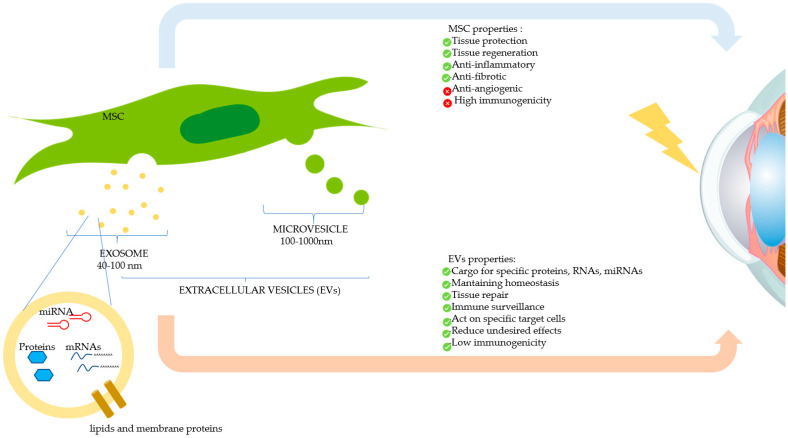
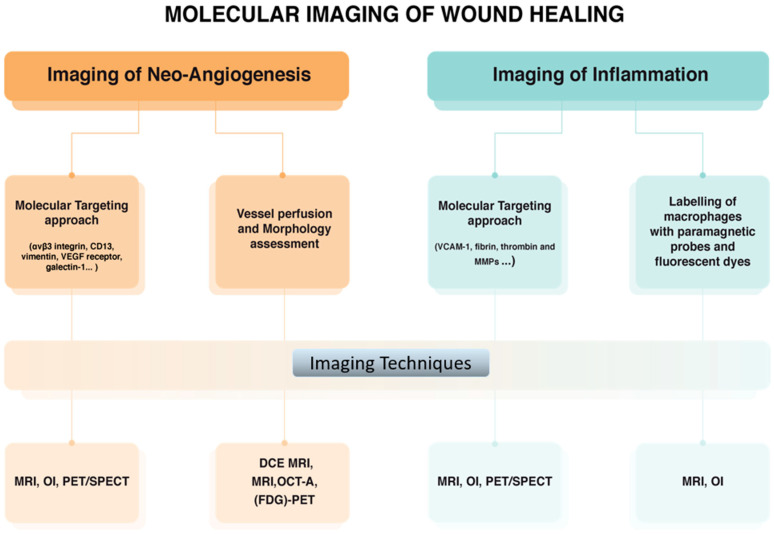
Ocular chemical and thermal burns are frequent causes of hospitalization and require immediate interventions and care. Various surgical and pharmacological treatment strategies are employed according to damage severity. Controlling inflammation and neovascularization while promoting normal ocular surface anatomy and function restoration is the principal aim. In the most severe cases, when epithelial healing is severely affected, reconstruction of the ocular surface may be a valid option, which, however, requires expertise, adequate instruments, and qualified donors. Numerous endogenous and exogenous strategies have been considered for corneal repair. Among these, stem cells and their derivatives have offered numerous attractive possibilities in finding an effective way in stimulating corneal regeneration. Limbal epithelial stem cells and mesenchymal cells from the ocular tissue as well as from various sources have demonstrated their effectiveness in dampening neovascularization, scarring, and inflammation, while promoting epithelialization of the injured cornea. Moreover, a plethora of cytokines and growth factors, and extracellular vesicles, which constitute the secretome of these cells, work in concert to enhance wound healing. In this review, we provide an update on the recent potential therapeutic avenues and clinical applications of stem cells and their products in corneal regeneration after burn injury, as well as current imaging strategies for monitoring therapeutic efficacy and damage resolution.
眼部化学烧伤和热烧伤是住院治疗的常见原因,需要立即进行干预和护理。根据损伤严重程度采用各种手术和药物治疗策略。控制炎症和新生血管形成,同时促进正常眼表解剖结构和功能恢复是主要目标。在最严重的情况下,当上皮愈合受到严重影响时,眼表重建可能是一种有效的选择,然而,这需要专业知识、足够的器械和合格的供体。已经考虑了许多内源性和外源性策略用于角膜修复。其中,干细胞及其衍生物在寻找刺激角膜再生的有效方法方面提供了许多有吸引力的可能性。来自眼组织以及各种来源的角膜缘上皮干细胞和间充质细胞已证明它们在抑制新生血管形成、瘢痕形成和炎症方面的有效性,同时促进受伤角膜的上皮化。此外,大量的细胞因子、生长因子和细胞外囊泡,它们构成了这些细胞的分泌组,协同作用以促进伤口愈合。在这篇综述中,我们提供了关于干细胞及其产物在烧伤后角膜再生中的最新潜在治疗途径和临床应用的最新信息,以及目前用于监测治疗效果和损伤消退的成像策略。