Ding Yahui, Chen Xiaoping, Liu Can, Ge Weizhi, Wang Qin, Hao Xin, Wang Mengmeng, Chen Yue, Zhang Quan
State Key Laboratory of Medicinal Chemical Biology, College of Pharmacy and Tianjin Key Laboratory of Molecular Drug Research, Nankai University, Haihe Education Park, 38 Tongyan Road, Tianjin, 300353, People's Republic of China.
Accendatech Company, Ltd., Tianjin, 300384, People's Republic of China.
J Hematol Oncol. 2021 Jan 20;14(1):19. doi: 10.1186/s13045-020-01016-8.
TNBC is the most aggressive breast cancer with higher recurrence and mortality rate than other types of breast cancer. There is an urgent need for identification of therapeutic agents with unique mode of action for overcoming current challenges in TNBC treatment.
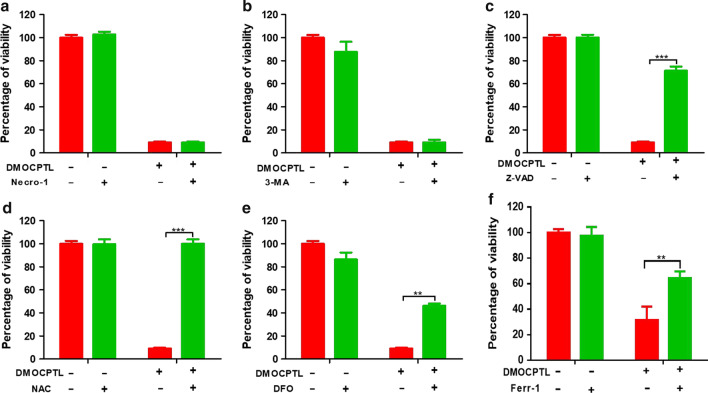
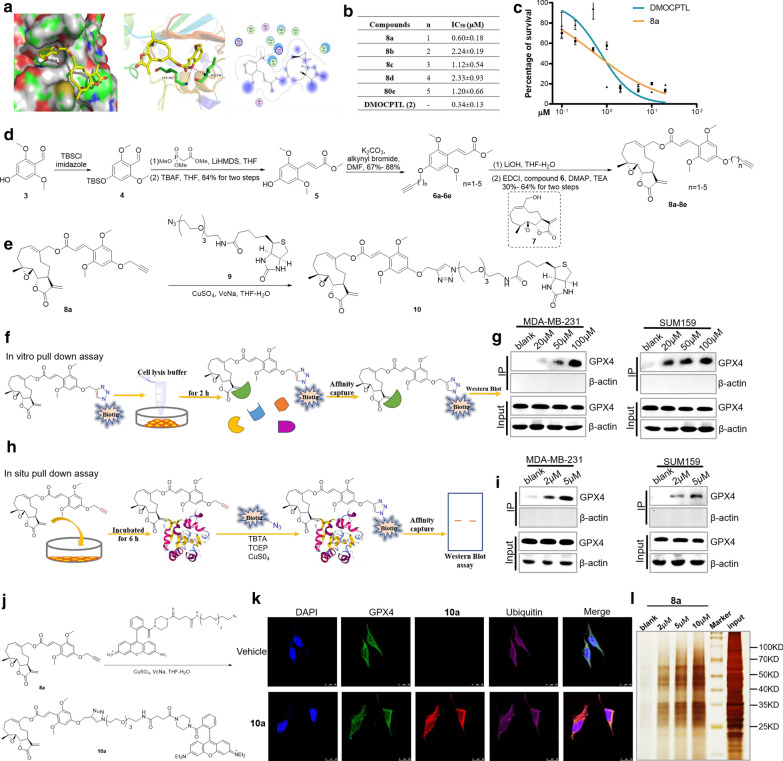
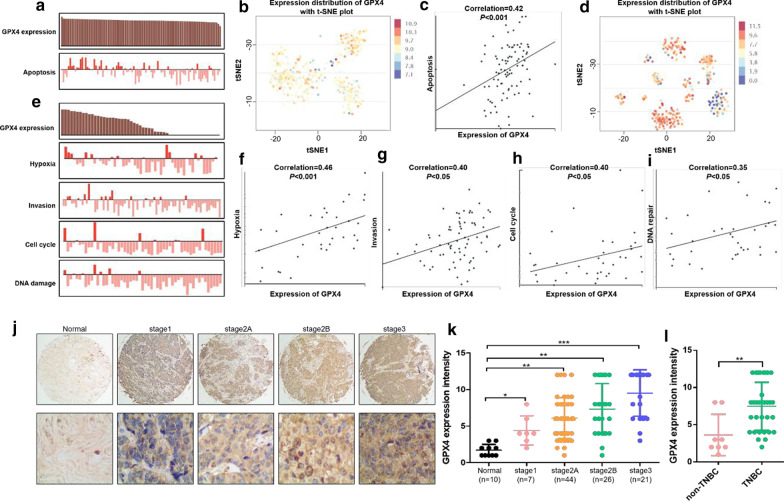
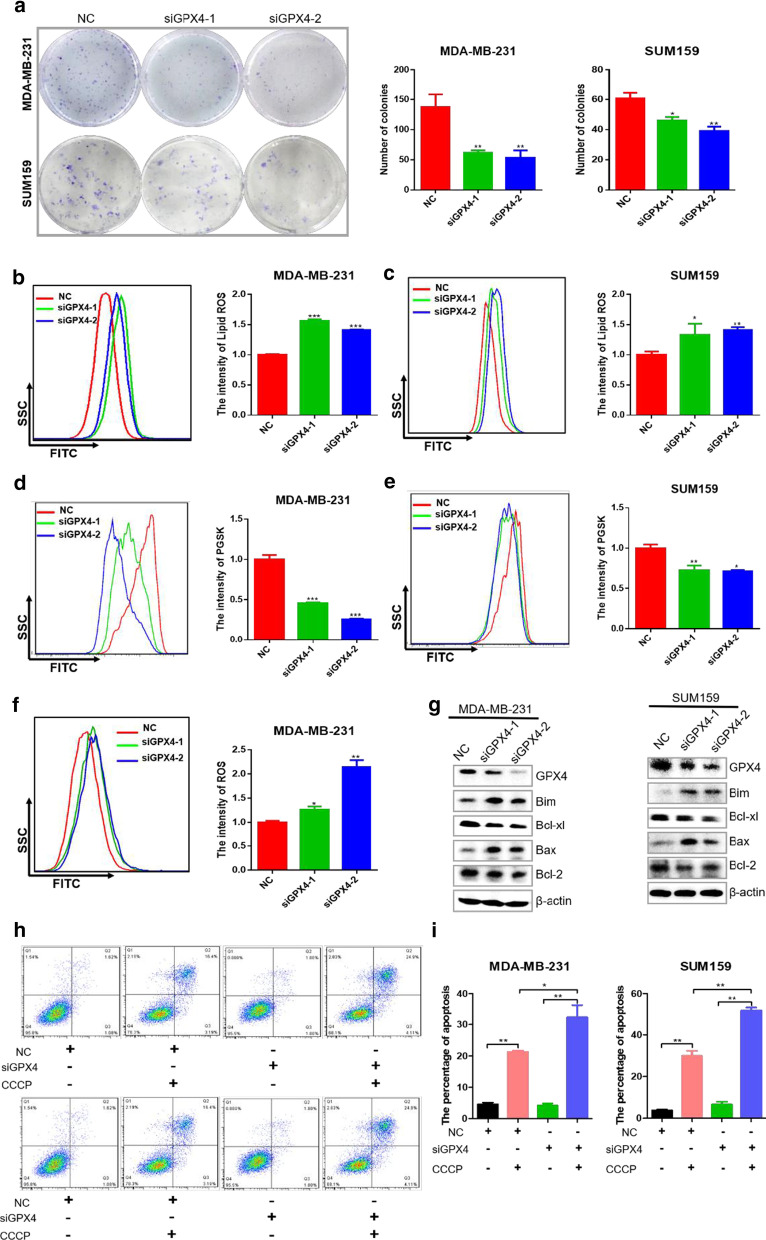
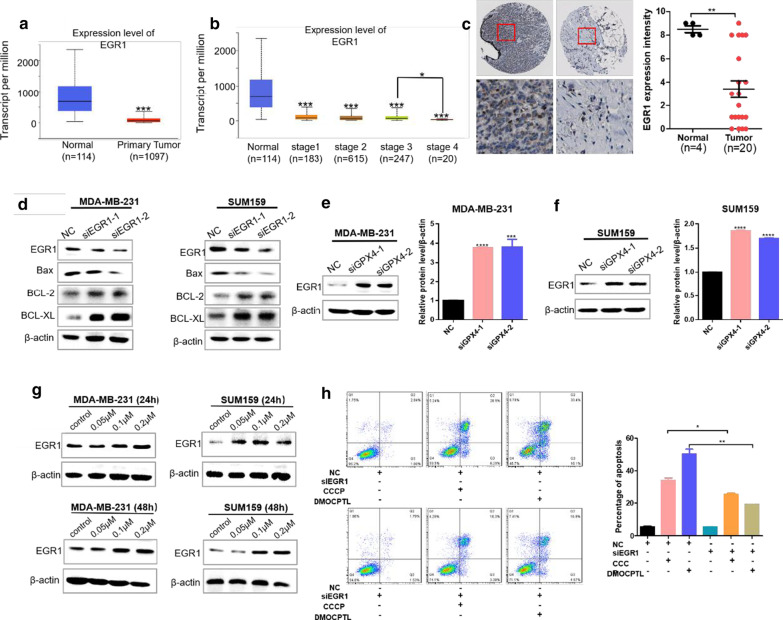
Different inhibitors were used to study the cell death manner of DMOCPTL. RNA silencing was used to evaluate the functions of GPX4 in ferroptosis and apoptosis of TNBC cells and functions of EGR1 in apoptosis. Immunohistochemical assay of tissue microarray were used for investigating correlation of GPX4 and EGR1 with TNBC. Computer-aided docking and small molecule probe were used for study the binding of DMOCPTL with GPX4.
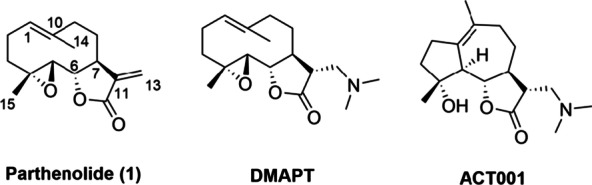
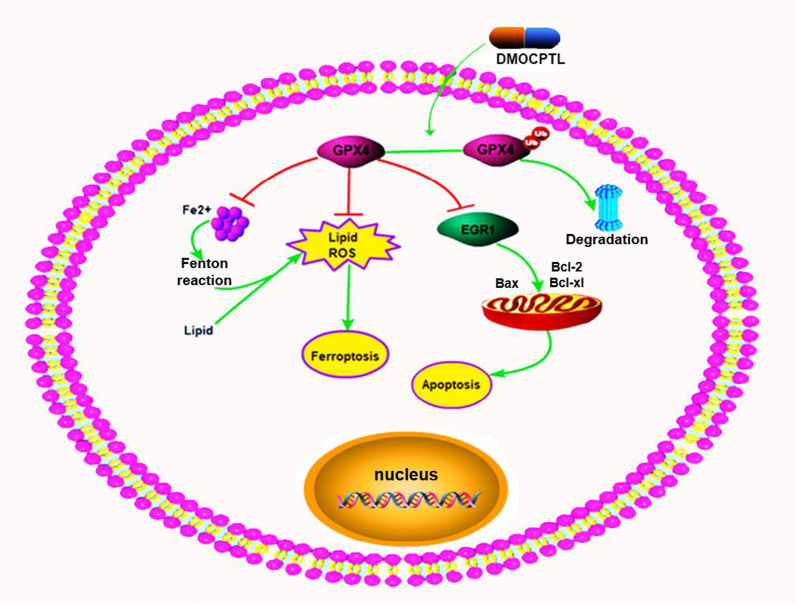
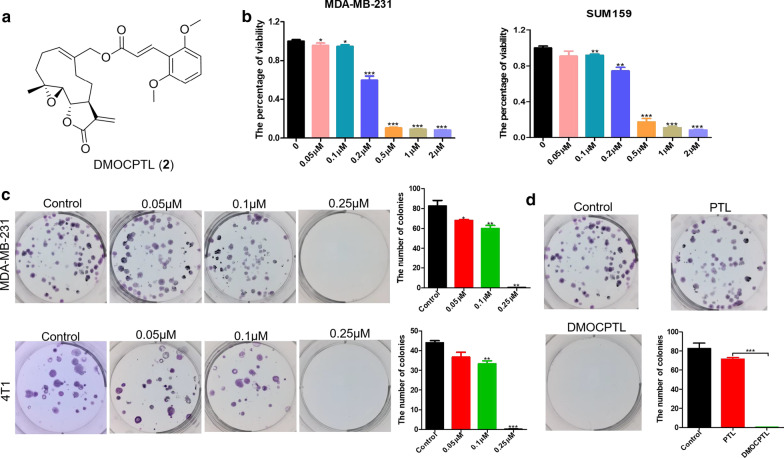
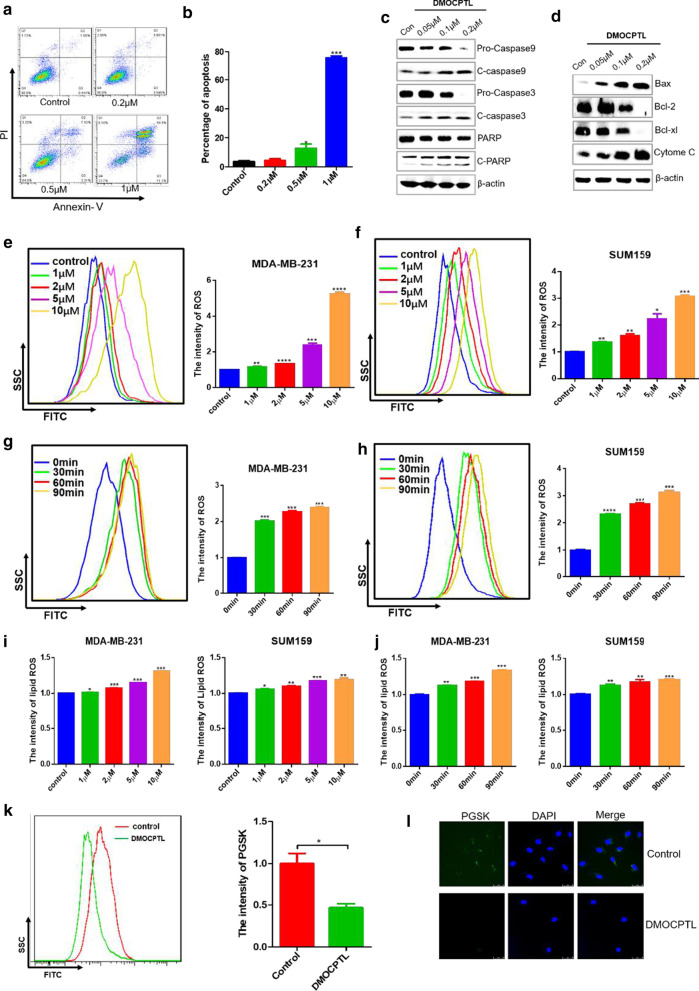
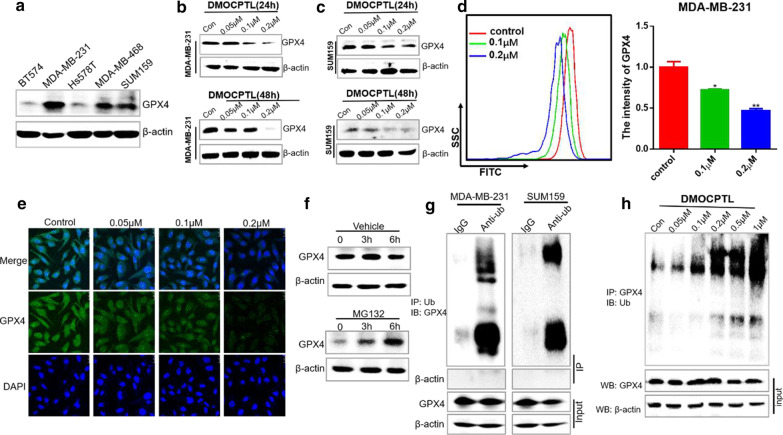
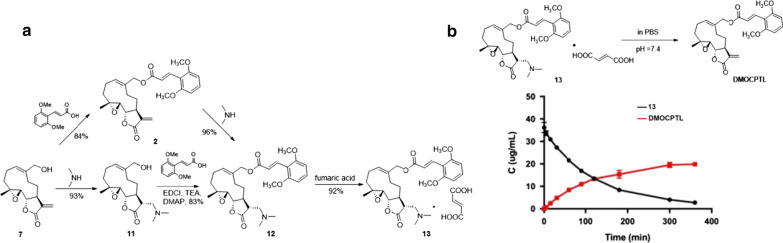
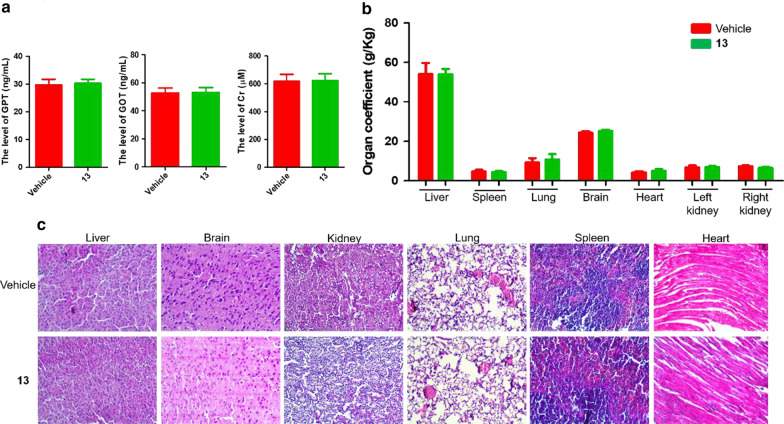
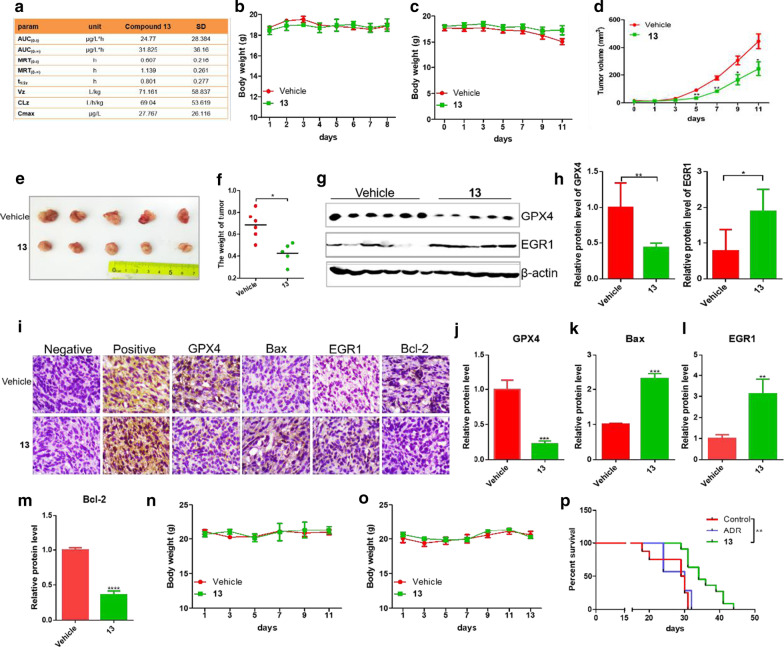
DMOCPTL, a derivative of natural product parthenolide, exhibited about 15-fold improvement comparing to that of the parent compound PTL for TNBC cells. The cell death manner assay showed that the anti-TNBC effect of DMOCPTL mainly by inducing ferroptosis and apoptosis through ubiquitination of GPX4. The probe of DMOCPTL assay indicated that DMOCPTL induced GPX4 ubiquitination by directly binding to GPX4 protein. To the best of our knowledge, this is the first report of inducing ferroptosis through ubiquitination of GPX4. Moreover, the mechanism of GPX4 regulation of apoptosis is still obscure. Here, we firstly reveal that GPX4 regulated mitochondria-mediated apoptosis through regulation of EGR1 in TNBC cells. Compound 13, the prodrug of DMOCPTL, effectively inhibited the growth of breast tumor and prolonged the lifespan of mice in vivo, and no obvious toxicity was observed.
These findings firstly revealed novel manner to induce ferroptosis through ubiquitination of GPX4 and provided mechanism for GPX4 inducing mitochondria-mediated apoptosis through up-regulation of EGR1 in TNBC cells. Moreover, compound 13 deserves further studies as a lead compound with novel mode of action for ultimate discovery of effective anti-TNBC drug.
三阴性乳腺癌(TNBC)是最具侵袭性的乳腺癌,其复发率和死亡率高于其他类型的乳腺癌。迫切需要鉴定具有独特作用方式的治疗药物,以克服TNBC治疗中的当前挑战。
使用不同的抑制剂来研究DMOCPTL的细胞死亡方式。RNA沉默用于评估GPX4在TNBC细胞铁死亡和凋亡中的功能以及EGR1在凋亡中的功能。组织微阵列的免疫组织化学分析用于研究GPX4和EGR1与TNBC的相关性。计算机辅助对接和小分子探针用于研究DMOCPTL与GPX4的结合。
DMOCPTL是天然产物小白菊内酯的衍生物,与母体化合物PTL相比,对TNBC细胞的活性提高了约15倍。细胞死亡方式分析表明,DMOCPTL的抗TNBC作用主要是通过GPX4的泛素化诱导铁死亡和凋亡。DMOCPTL分析探针表明,DMOCPTL通过直接结合GPX4蛋白诱导GPX4泛素化。据我们所知,这是首次通过GPX4泛素化诱导铁死亡的报道。此外,GPX4调节凋亡的机制仍不清楚。在这里,我们首先揭示GPX4通过调节TNBC细胞中的EGR1来调节线粒体介导的凋亡。DMOCPTL的前药化合物13在体内有效抑制乳腺肿瘤生长并延长小鼠寿命,且未观察到明显毒性。
这些发现首先揭示了通过GPX4泛素化诱导铁死亡的新方式,并为GPX4通过上调TNBC细胞中的EGR1诱导线粒体介导的凋亡提供了机制。此外,化合物13作为具有新型作用方式的先导化合物值得进一步研究,以最终发现有效的抗TNBC药物。